



-
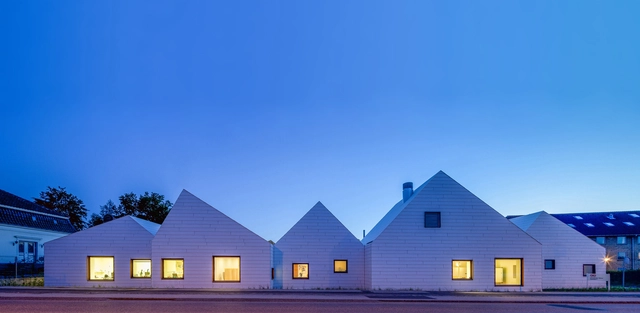
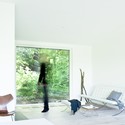
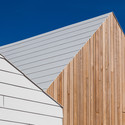
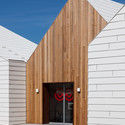
Architects: NORM Architects
- Area: 240 m²
- Year: 2010



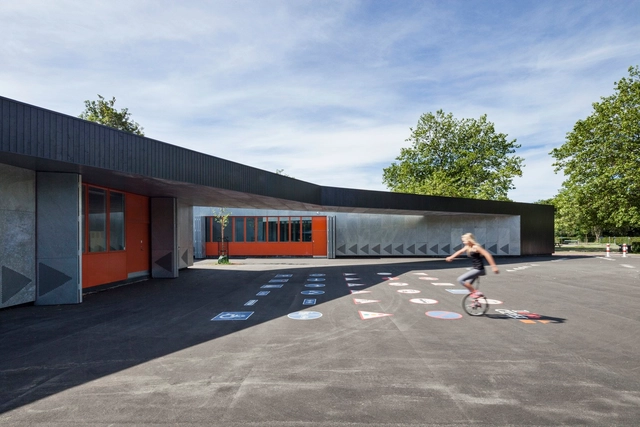
Speaking from the newly-opened Istanbul practice of Copenhagen-based Henning Larsen Architects, Anne Marie Galmstrup describes her scandinavian design process in the context of her role as Principal-in-Charge of projects in Turkey. "Architecture is about space and about interaction between people," Galmstrup says, asking "How does it work here? How is it different in this cultural environment or in that climate?" Galmstrup discusses the atmosphere in Turkey, and how to engage young architects. Henning Larsen has hosted a series of "Imagination Schools," two-week workshops set in the middle east charged with overcoming regional design challenges, and Galmstrup has been instrumental in the orchestration of these and many more projects over her ten year tenure at Henning Larsen.
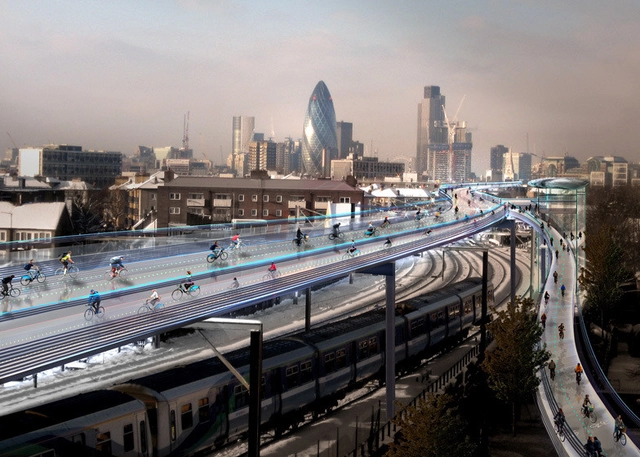
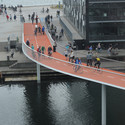
There's no doubt about it - cycling in cities is a big deal these days. But, while cycle lanes and bike-sharing schemes are all well and good for our cities, the cycling revolution hasn't yet brought us many examples of beautifully designed infrastructure to gawp at. This article, originally printed on The Dirt as "Do Elevated Cycletracks Solve Problems or Just Create More?" discusses two seemingly similar examples of high profile cycling infrastructure, examining why one is a success and the other a non-starter.
This year, two designs – one proposed and one built – for elevated cycletracks, which create bicycle highways above street level, have gained considerable media attention. They highlight questions at the heart of urban design: Should cities blend or separate transportation options? How can cities best mitigate the hazards created when cars, bikes, mass transit, and pedestrians mix? How can cities create low-cost transportation networks in increasingly dense urban cores?

Danish firm COBE is transforming the largest industrial building in Nordhavnen - a silo - into an apartment building with both private and public functions. For COBE, who also created the urban development plans for Nordhavnen, this project marks the beginning of the post-industrial area's future. Nordhavnen is a harbor area located only 4km from Copenhagen's city centre.
"The exciting thing about old industrial property is how to preserve their soul and at the same time use them for something else," said Klaus Kastbjerg, the owner of the silo, commenting on the adaptive reuse project. To preserve the soul of the silo, the architects will maintain a raw industrial feeling on the interior. Each of the 40 retrofitted apartments will contain visible historic remnants such as existing concrete columns and walls.
Keep reading after the break for more information and images...
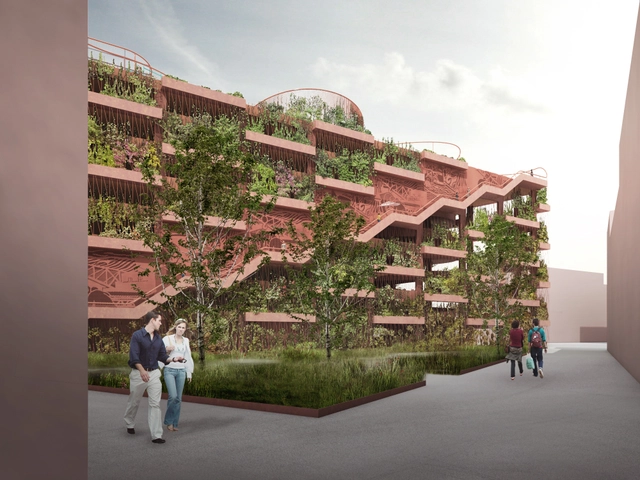
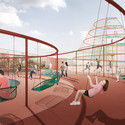
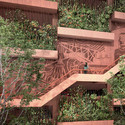
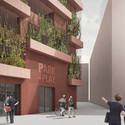
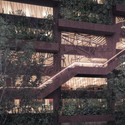
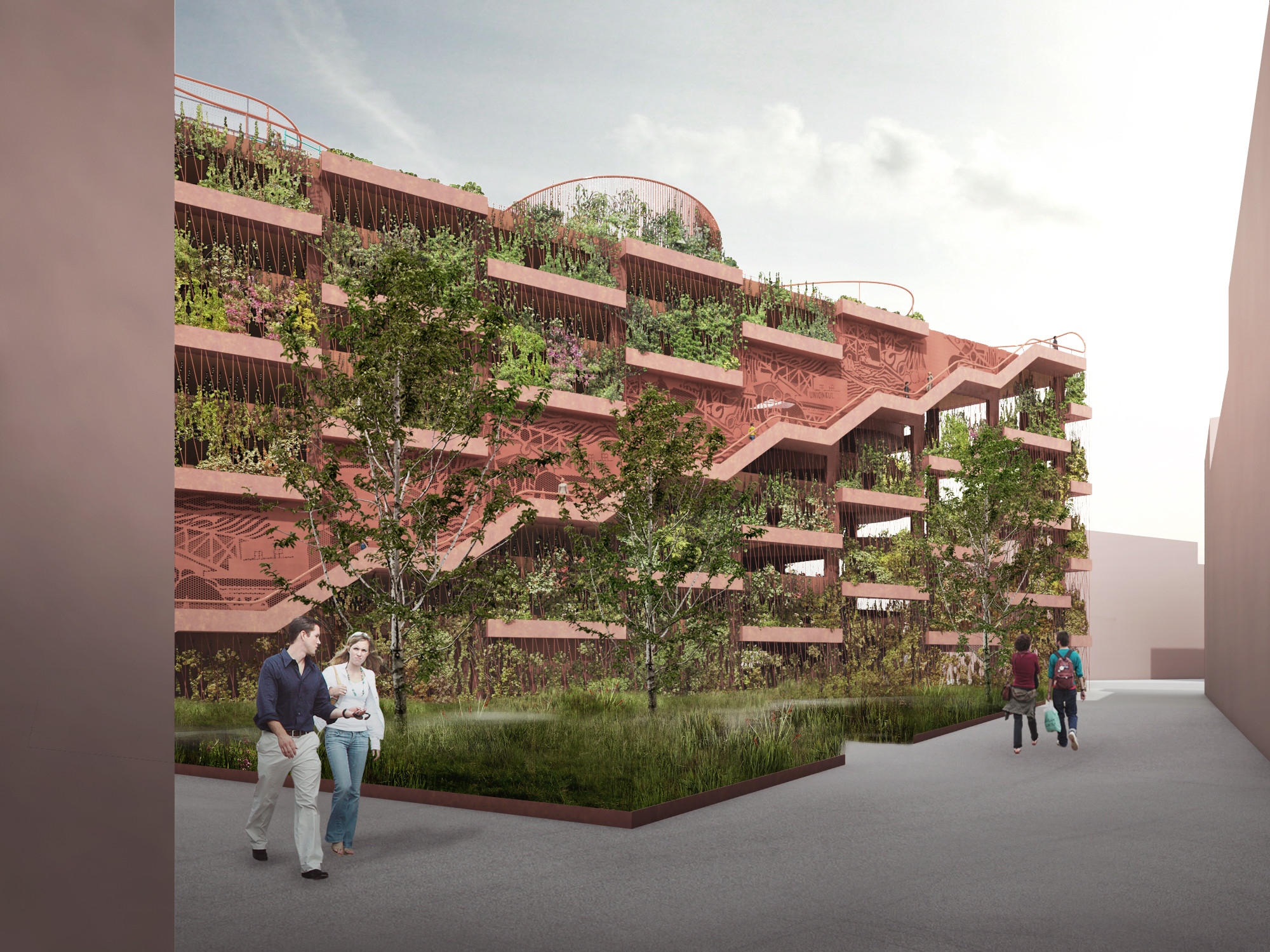
With the intention of creating a beautiful public space from what is usually a one-function building, JAJA architects are redefining what a parking deck can be. Their recent competition entry for a parking garage in the city of Nordhavn, Copenhagen is an inviting structure that incorporates green facades and a rooftop playground, making full use of its placement in an up-and-coming urban neighborhood. Read all about the aptly named “Park ‘N’ Play”, after the break.



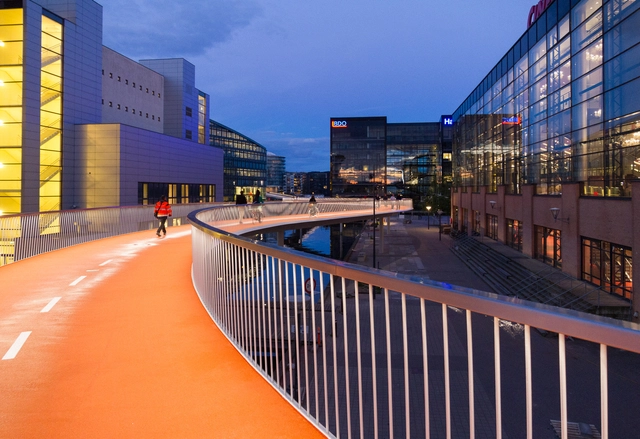
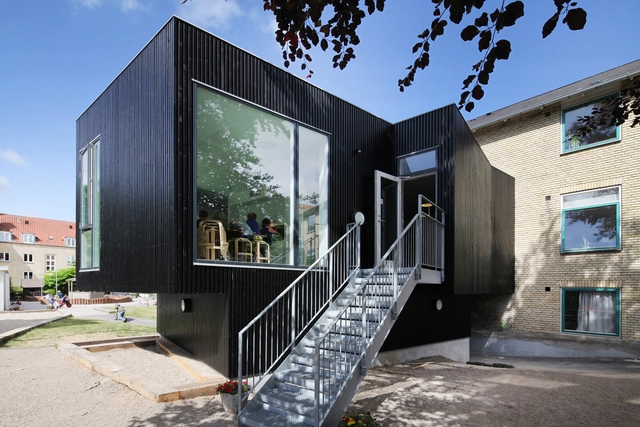
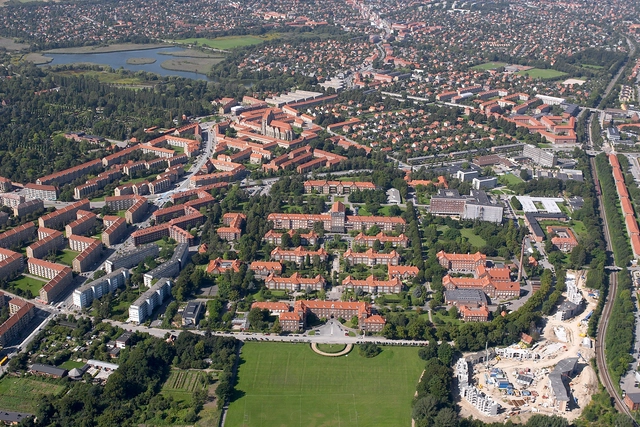
After choosing British firm BDP to design its masterplan (over proposals from Mecanoo and seven others), Copenhagen's Bispebjerg hospital has now announced the all-star shortlists of firms who will compete to design two of the hospital's new buildings.
The “New Hospital and Mental Health Bispebjerg” is a complex 10-12 year project involving the construction of new buildings, the preservation/renovation of listed buildings, and the mergers of the current Frederiksberg and Bispebjerg Hospitals and the Mental Health Centre Copenhagen with the Children’s Mental Health Centre Bispebjerg. All construction will occur while the hospitals remain in operation and at full capacity.
Learn more about the project - including the architects vying to design its new buildings - after the break.

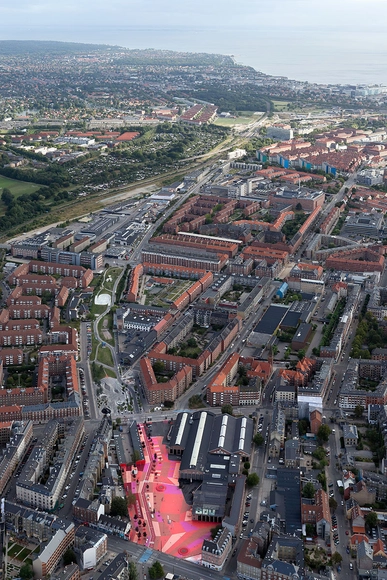
In an enlightening interview on Future Cape Town, the Lord Mayor of Copenhagen Frank Jensen discusses what it is that makes Copenhagen, and Denmark as a whole, such a green-focused society. The key it seems goes beyond simple politics, stemming from a combination of early adoption, a robust and widely appreciated welfare system and a culture of collaborative innovation. You can read the full interview here.