1. ArchDaily
  2. Climate-Responsive Urban Planning

Climate-Responsive Urban Planning: The Latest Architecture and News

What Makes a City Resilient?

This article was originally published on Common Edge.

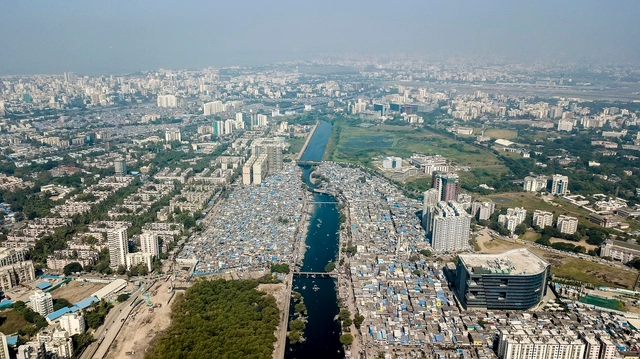
About a decade ago, the term "resilience planning" became ubiquitous in climate circles. That shift, in the wake of increasingly unpredictable events, was shaped in part by the Rockefeller Foundation's 100 Resilient Cities program, a six-year, $160 million effort to establish chief resilience officers in cities all over the world. Out of that program, which ended in 2019, emerged its successor, Resilient Cities Catalyst (RCC), a New York–based nonprofit engaged in what it calls "capacity building" projects. For Climate Week, I talked to Sam Carter, one of RCC's founding principals, about his definition of resilience, the organization's planning and philanthropic method, and the challenge of scaling up climate efforts.


What Makes a City Resilient? - Image 1 of 4What Makes a City Resilient? - Image 2 of 4What Makes a City Resilient? - Image 3 of 4What Makes a City Resilient? - Image 4 of 4What Makes a City Resilient? - More Images+ 1

How Roofscapes' Paris Pilot Project is Pioneering Climate-Resilient Architecture in Europe

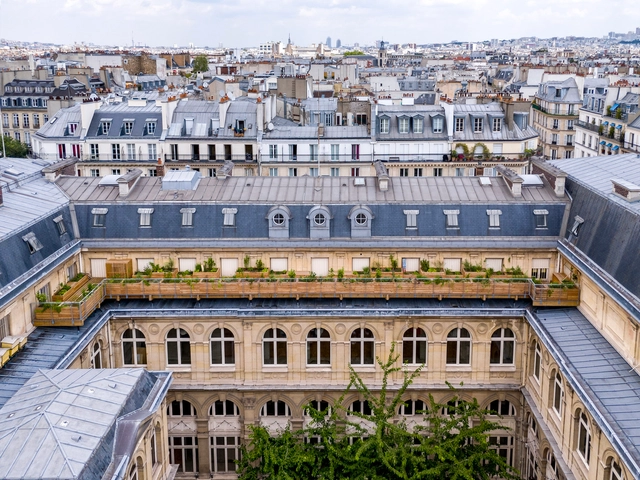
As record-breaking temperatures sweep across European cities, practitioners have recognized that existing infrastructure is poorly equipped to address the impacts of climate change. In response to this concern Roofscapes, a startup emerging from the MIT School of Architecture and Planning, has developed innovative solutions to amplify urban climate resilience. Their approach focuses on the strategic adaptation of underutilized spaces such as rooftops. By tackling the immediate challenges posed by extreme heat, the startup's work epitomizes how architectural innovation can directly contribute to addressing climate adaptation needs in cities. The company was recognized as one of ArchDaily's 2024 Best New Practices for their innovative approach to tackling urban issues such as affordability, lack of biodiversity, rising urban temperatures and repurposing.

How Roofscapes' Paris Pilot Project is Pioneering Climate-Resilient Architecture in Europe - Image 1 of 4How Roofscapes' Paris Pilot Project is Pioneering Climate-Resilient Architecture in Europe - Image 2 of 4How Roofscapes' Paris Pilot Project is Pioneering Climate-Resilient Architecture in Europe - Image 3 of 4How Roofscapes' Paris Pilot Project is Pioneering Climate-Resilient Architecture in Europe - Image 4 of 4How Roofscapes' Paris Pilot Project is Pioneering Climate-Resilient Architecture in Europe - More Images+ 6

Simple Design Strategies for Extreme Heat

Anyone who walks during the summer in a city like Boston knows that a significant amount of time is spent charting routes with shade. But I can’t use that as my only excuse for being off-task. Honestly, I’m distracted. The swirling headlines of the U.S. presidential election, an unprecedented UN climate conference looming, and the phrase “decade of decisive action” weighs heavy on my shoulders. While it’s easy to get caught up in current events, those of us with solutions must stay focused.

A perhaps helpful Japanese phrase to call upon is “kotsu kotsu,” essentially meaning to slow down and focus on the task at hand, and do it well. Temperatures are soaring, people are suffering. As a recent UN COP letter stated, “time lost is lives, livelihoods, and the planet lost.” Cooling our cities and communities is more important than ever.

Simple Design Strategies for Extreme Heat - Image 1 of 4Simple Design Strategies for Extreme Heat - Image 2 of 4Simple Design Strategies for Extreme Heat - Image 3 of 4Simple Design Strategies for Extreme Heat - Image 4 of 4Simple Design Strategies for Extreme Heat - More Images+ 4

Progress and Reparations: Unpacking the Loss and Damage Fund from COP27

Subscriber Access | 

In November of 2022, the coastal city of Sharm El Sheikh, Egypt, hosted the 27th convention of the United Nations Conference of the Parties, known as COP27. Since signing the Paris Agreement in 2015, the nearly annual conference has gained momentum as a global leader in sharing knowledge and developing frameworks to mitigate climate change worldwide. While the more recent COP28, held in Dubai in 2023, focused on conversations of energy production, this previous conference focused on urban contexts, as they deal with the urgent need for incorporating loss, damage, and climate reparations into climate action plans. As two years have now passed since COP27, it is important to revisit these discussions and hold governing bodies accountable for the promises made and the benchmarks set for climate change mitigation. One of the most ambitious plans from COP27 highlights an urgent debate in our urban environments: how will we define loss, damage, and climate reparations in the twenty-first century?

Progress and Reparations: Unpacking the Loss and Damage Fund from COP27 - Image 3 of 4Progress and Reparations: Unpacking the Loss and Damage Fund from COP27 - Image 5 of 4Progress and Reparations: Unpacking the Loss and Damage Fund from COP27 - Image 2 of 4Progress and Reparations: Unpacking the Loss and Damage Fund from COP27 - Image 4 of 4Progress and Reparations: Unpacking the Loss and Damage Fund from COP27 - More Images+ 7

Urban Spaces for an Overheated Planet: 12 Projects that tackle this Global Challenge

Subscriber Access | 

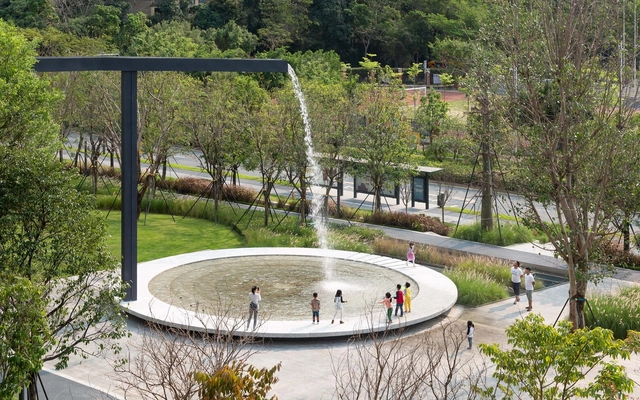
Due to climate change, heat waves are becoming increasingly frequent and intense, and they present a critical challenge for the design of urban spaces. Elevated temperatures exacerbate public health issues, increase energy consumption, and diminish cities' overall quality of life. Urban design must adopt strategies that promote resilience to mitigate these effects rather than merely replicating traditional formats that do not address the thermal stress experienced by many.

For quite some time, we have recognized the positive effects of urban green spaces, interaction with nature, water, and soil, and the associated health and well-being benefits for residents living next to parks. The significance of this matter has been further underscored, particularly in the aftermath of the panic induced by the Covid-19 pandemic. However, the present moment once again highlights the influence of our urban models on modern life, now grappling with unprecedented extreme temperatures.

Urban Spaces for an Overheated Planet: 12 Projects that tackle this Global Challenge - Image 1 of 4Urban Spaces for an Overheated Planet: 12 Projects that tackle this Global Challenge - Image 2 of 4Urban Spaces for an Overheated Planet: 12 Projects that tackle this Global Challenge - Image 3 of 4Urban Spaces for an Overheated Planet: 12 Projects that tackle this Global Challenge - Image 4 of 4Urban Spaces for an Overheated Planet: 12 Projects that tackle this Global Challenge - More Images+ 14

Urban Landscape as an "Art of Survival”: An interview with Kongjian Yu, the Advocate of the Sponge Cities Concept

Subscriber Access | 

Alarming cases of climate disasters are a constant presence in world news. Last month's floods in southern Brazil gained special attention from heat waves and forest fires to droughts and cyclones. This tragedy, which left over half a million people homeless, was understood to be the result of a combination of factors, including human actions that have devastated ecosystems to create environmentally irresponsible cities.

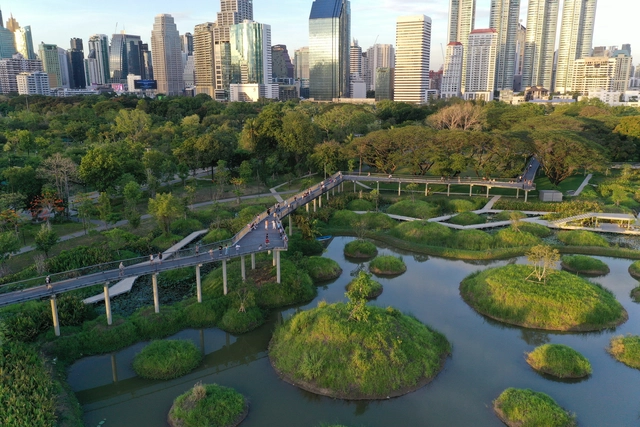
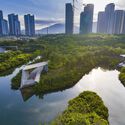
In this context, the work of Beijing-based architect Kongjian Yu, founder of the landscape architecture firm Turenscape, has gained international visibility and recognition, which included receiving the 2023 Cornelia Hahn Oberlander International Landscape Architecture Prize (“Oberlander Prize”). His "sponge cities" concept, designed to address and prevent urban flooding in the face of accelerated climate change, was adopted as national policy in China in 2013. This approach prioritizes large-scale nature-based infrastructures such as wetlands, greenways, and parks.

Urban Landscape as an "Art of Survival”: An interview with Kongjian Yu, the Advocate of the Sponge Cities Concept - Arch Daily InterviewsUrban Landscape as an "Art of Survival”: An interview with Kongjian Yu, the Advocate of the Sponge Cities Concept - Arch Daily InterviewsUrban Landscape as an "Art of Survival”: An interview with Kongjian Yu, the Advocate of the Sponge Cities Concept - Arch Daily InterviewsUrban Landscape as an "Art of Survival”: An interview with Kongjian Yu, the Advocate of the Sponge Cities Concept - Arch Daily InterviewsUrban Landscape as an Art of Survival”: An interview with Kongjian Yu, the Advocate of the Sponge Cities Concept - More Images+ 4

Designing for Disaster in an Increasingly Dangerous World

This article was originally published on Common Edge.

Developers often make it sound as though their latest LEED platinum office building will single-handedly reverse climate change. The unfortunate reality is that they could spend a lifetime designing and building all of their work to meet the highest environmental standards, but it wouldn’t fix the problem. The planet will grow hotter, the seas will rise, and storms will intensify. A century of burning fossil fuels has baked global warming into the atmosphere for our lifetime.

Designing for Disaster in an Increasingly Dangerous World - Image 1 of 4Designing for Disaster in an Increasingly Dangerous World - Image 2 of 4Designing for Disaster in an Increasingly Dangerous World - Image 3 of 4Designing for Disaster in an Increasingly Dangerous World - Image 4 of 4Designing for Disaster in an Increasingly Dangerous World - More Images+ 1

Floods in Rio Grande do Sul: The Tragedy of Non-Resilient Cities

Subscriber Access | 

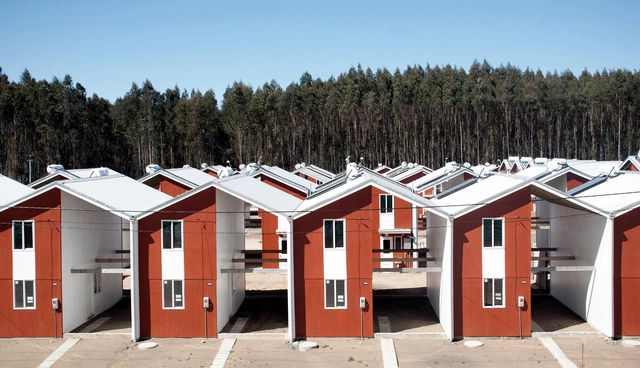
The world has changed, and accepting this fact is no longer a matter of choice but survival. Our rainfall patterns, periods of drought, average temperatures, sea levels—everything is in constant flux. The denialist stance of many countries, including Brazil, has led to catastrophic situations like the one we are facing now.

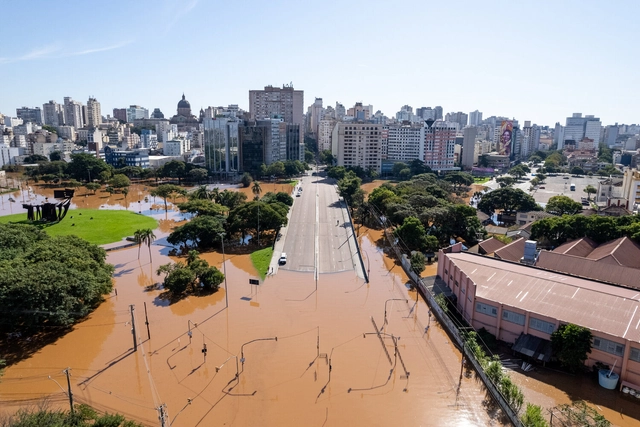
The floods that devastated the southern region of the country in recent days cannot be considered isolated incidents. Due to global warming, climate events like this will become increasingly frequent. In other words, unfortunately, we cannot prevent them from happening, but we can—and must—make our cities more resilient to these situations.
Floods in Rio Grande do Sul: The Tragedy of Non-Resilient Cities - Image 1 of 4Floods in Rio Grande do Sul: The Tragedy of Non-Resilient Cities - Image 2 of 4Floods in Rio Grande do Sul: The Tragedy of Non-Resilient Cities - Image 3 of 4Floods in Rio Grande do Sul: The Tragedy of Non-Resilient Cities - Image 4 of 4Floods in Rio Grande do Sul: The Tragedy of Non-Resilient Cities - More Images+ 11

How to Replace Air Conditioning? Passive Strategies for Addressing Global Warming

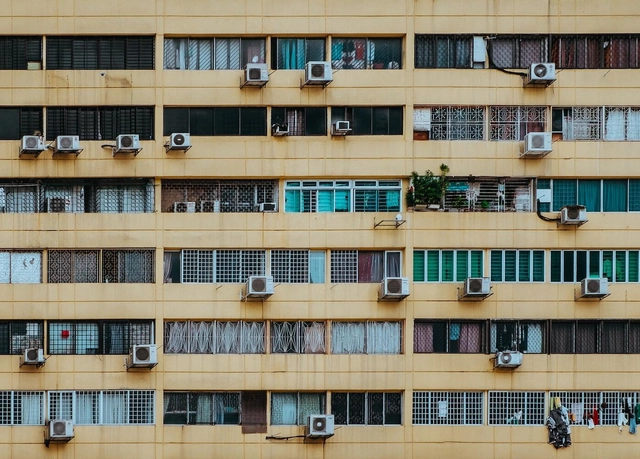
Between now and 2050, worldwide installation of cooling appliances, like air conditioning, is projected to triple, resulting in a twofold increase in energy consumption. This reliance on such devices, often seen as exacerbating global warming, poses a paradox: how can we fight rising temperatures in cities while simultaneously contributing to them through our dependence on these solutions?

How to Replace Air Conditioning? Passive Strategies for Addressing Global Warming - Image 1 of 4How to Replace Air Conditioning? Passive Strategies for Addressing Global Warming - Image 2 of 4How to Replace Air Conditioning? Passive Strategies for Addressing Global Warming - Image 3 of 4How to Replace Air Conditioning? Passive Strategies for Addressing Global Warming - Image 4 of 4How to Replace Air Conditioning? Passive Strategies for Addressing Global Warming - More Images+ 4

How Can Cities Cool down Large Urban Car Parks?

Subscriber Access | 

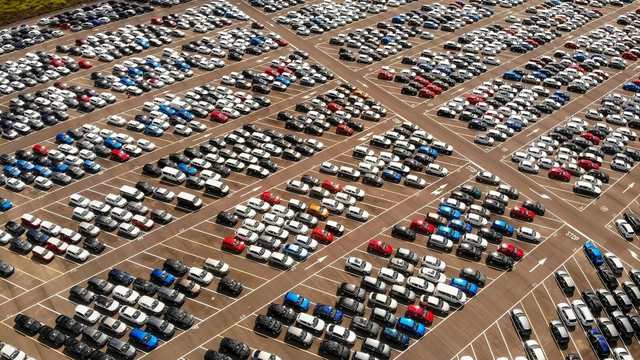
The urban heat island effect occurs when pavements, roads, and buildings absorb the sun's heat and radiate it back, causing the temperature to increase and preventing the city from cooling down. With the growing reliance on cars in cities, the number of urban car park spaces is also increasing to accommodate buildings. This has resulted in the conversion of large areas of pervious land covered with vegetation into impervious hard surfaces for more car parks. The use of materials like asphalt, combined with the lack of shade, reflective steel surfaces of parked cars, and loss of greenery in these extensive car parks, contributes to the amplification of high-temperature effects and extreme heat events, making urban spaces uncomfortable. This transformation is impacting the climate of car-dependent regions and calls for collaborative ideas and efforts to mitigate the negative effects of rising heat.

How Can Cities Cool down Large Urban Car Parks? - Image 1 of 4How Can Cities Cool down Large Urban Car Parks? - Image 2 of 4How Can Cities Cool down Large Urban Car Parks? - Image 3 of 4How Can Cities Cool down Large Urban Car Parks? - Image 4 of 4How Can Cities Cool down Large Urban Car Parks? - More Images+ 3

How Environmental and Climate Racism Manifests in Cities

Subscriber Access | 

A few days before the end of November, Gramado, a city known as one of the most sought-after tourist destinations in southern Brazil, grabbed the attention of national and international media. Unfortunately, it wasn't due to its film festival or the traditional lavish Christmas festivities. The city, already suffering from weeks of persistent rain, witnessed the emergence of massive geological rifts tearing through its streets, creating a post-apocalyptic movie-like scenario.

The imminent danger of ground movement alerted the population and the authorities, who promptly evacuated the buildings on the hills of the condemned neighborhood. This course of action proved entirely effective and responsible, as one of the buildings within the designated area did indeed collapse three days after the evacuation. However, it is worth noting a detail: the affected neighborhood consisted of upscale residences and luxury hotels and inns, which raises a question: would the efforts have been the same if the situation occurred in lower-income peripheral neighborhoods?