

The new headquarters of the Chicago Park District showcases how thoughtful architecture can bring communities together while prioritizing sustainability. Featured in the latest episode of the Design Matters series by the Chicago Architecture Center, this project exemplifies how innovative design can positively shape daily life.
Chicago: The Latest Architecture and News
Inside the New Chicago Park District Headquarters
https://www.archdaily.com/1024097/inside-the-new-chicago-park-district-headquartersArchDaily Team
Riken Yamamoto Honored in 2024 Pritzker Architecture Prize Ceremony Video
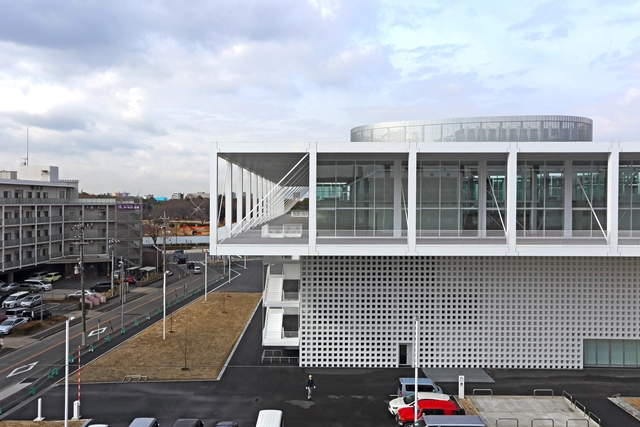
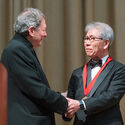
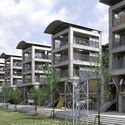
The Pritzker Architecture Prize has released a special video honoring Riken Yamamoto, the 2024 Laureate. Presented in a documentary-style format, the film celebrates Yamamoto's distinguished architectural career and his contributions as the 53rd Laureate, honored earlier this year in Chicago. This milestone coincided with the 100th birthday of Cindy Pritzker, co-founder of the Prize with her late husband, Jay A. Pritzker.


https://www.archdaily.com/1023796/pritzker-architecture-prize-ceremony-video-honors-2024-laureate-riken-yamamotoNour Fakharany
African Heritage Hut / Converge Architecture
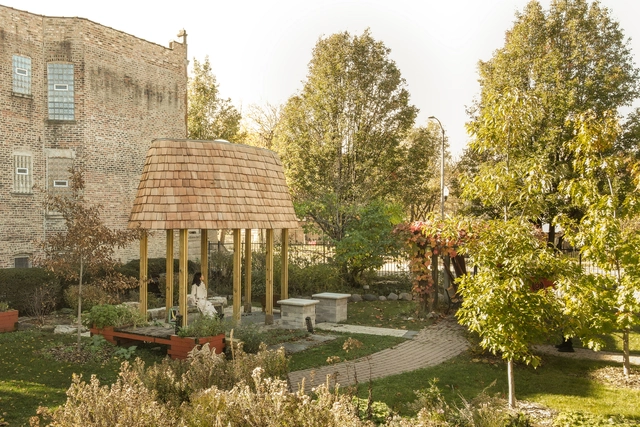


-
Architects: Converge Architecture
- Area: 150 ft²
- Year: 2024
https://www.archdaily.com/1023548/african-heritage-hut-new-officeHadir Al Koshta
Chicago Architecture Biennial Announces Theme and Artistic Director, Florencia Rodriguez
The Chicago Architecture Biennial (CAB) has announced its sixth edition, marking the tenth anniversary of the renowned event, to take place from September 12, 2025, to February 28, 2026. The event will be titled CAB 6: Shift: Architecture in Times of Radical Change and will be directed by Florencia Rodriguez, an esteemed architect, writer, and educator. As the first female Latin American Director to lead CAB, Rodriguez brings a fresh perspective to the Biennial, which is set to continue its tradition as North America's largest exhibition of contemporary architecture, held biennially in Chicago.



https://www.archdaily.com/1023222/chicago-architecture-biennial-announces-2025-edition-and-theme-shift-architecture-in-times-of-radical-changeNour Fakharany
Architectural Grafting: A Strategy for Sustainable Design
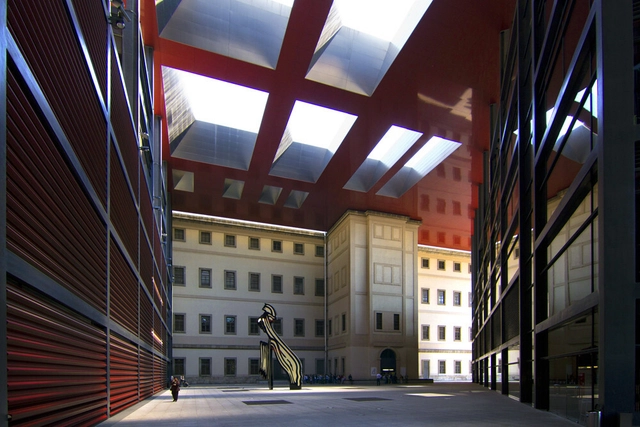
Architectural grafting, a concept recently popularized by Jeanne Gang in The Art of Architectural Grafting, presents a transformative approach to urban regeneration and sustainability. Drawing inspiration from botanical and horticultural practices — where new growth is added to existing plants for enhanced resilience — this architectural method integrates new structures with existing ones, allowing them to coexist and adapt. Rather than pursuing demolition, grafting prioritizes adaptation, extending the life of buildings while safeguarding their cultural and historical significance.
While Studio Gang has played a pivotal role in advancing this method, architectural grafting embodies a broader principle that architects have long used to enhance sustainability, conserve resources, and honor heritage. Across scales — from individual buildings to urban landscapes —grafting reshapes the relationship between past and present, adapting existing structures for contemporary needs while addressing environmental demands. By reimagining historic buildings for modern use, this approach fosters a sustainable evolution of cityscapes.


https://www.archdaily.com/1022754/architectural-grafting-a-strategy-for-sustainable-designDiogo Borges Ferreira
SOM to Reimagine the 95th and 96th Floors of Their John Hancock Center in Chicago
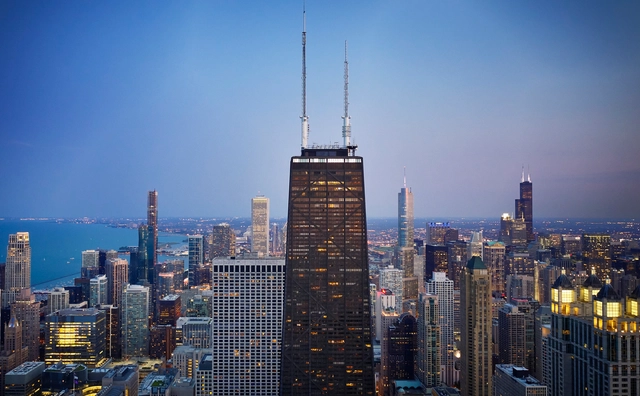
Skidmore, Owings & Merrill (SOM) have announced plans to redevelop the 95th and 96th floors of the iconic 875 N. Michigan Avenue, formally named the John Hancock Center. The building, originally designed by SOM in 1967 and completed in 1970, is recognized as the world's first mixed-use skyscraper, having become a recognizable feature of Chicago's skyline. The redesign endeavor aims to reimagine the two floors, measuring 30,000 square feet, into an observation deck and an attractive destination in the city.


https://www.archdaily.com/1022826/som-to-reimagine-the-95th-and-96th-floors-of-their-john-hancock-center-in-chicagoMaria-Cristina Florian
Chicago Preservationists Save Historic Skyscrapers from Demolition in United States
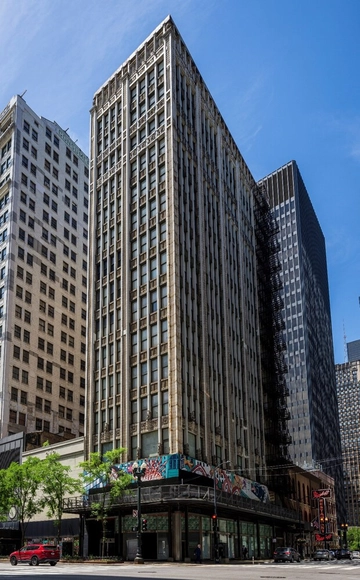
In a significant win for historic preservation, two landmark Chicago skyscrapers, the Century and Consumers Buildings, have been saved from demolition. These iconic structures, located on State Street, were initially set for destruction due to security concerns, given their proximity to the Dirksen U.S. Courthouse. However, after extensive advocacy and public pressure, the U.S. General Services Administration (GSA) has shifted toward an adaptive reuse plan, ensuring the preservation of these architectural landmarks.





https://www.archdaily.com/1021228/chicago-preservationists-save-historic-skyscrapers-from-demolition-in-united-statesNour Fakharany
Revitalizing Urban Ecosystems: 4 Projects Reconnecting Cities with Their Water Heritage
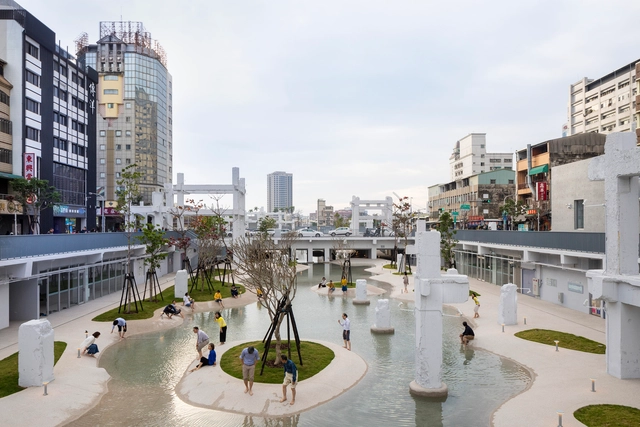
Water architecture has always been important throughout human history. From the aqueducts in ancient Rome to the grand canals of Venice, water has not only sustained life but also played an important role in shaping the urban environment. It has facilitated trade, nourished agricultural lands, and provided a sense of place and identity to different communities. Despite water's historical role, during the 20th century, many cities chose to bury their waterways underground, primarily for safety and hygiene reasons, as these channels often served as open sewers.
In today's rapidly urbanizing world, where cities dominate the landscape, water is being rediscovered as a means of ecological regeneration. There is a growing movement to reopen and re-naturalize urban waterways to restore them as vital ecological corridors within the city. More and more cities are now looking towards the water in an attempt to reconnect with nature and create spaces where urban life and natural ecosystems can coexist harmoniously. This growing trend reflects a deeper understanding of water not just as a resource, but as a bridge to a more sustainable and resilient future for our cities.


https://www.archdaily.com/1020725/revitalizing-urban-ecosystems-4-projects-harnessing-water-for-sustainable-urban-developmentMoises Carrasco
The Repositioning of Office Buildings: Creating Amenity-Rich Experiences in the Post-Pandemic U.S.
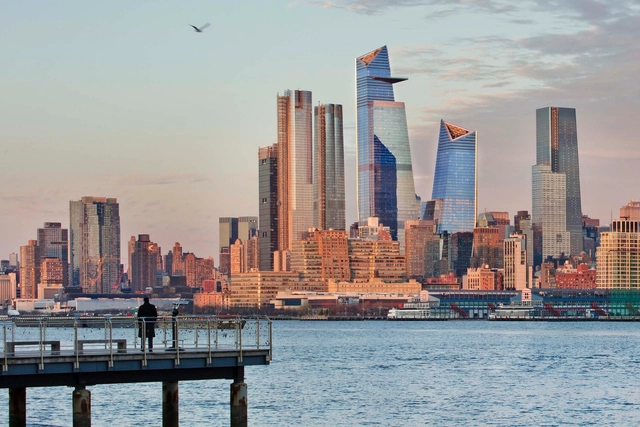
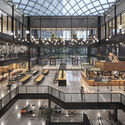
The office building typology emerged from the need to unite thousands of people within a relatively strict working environment. In major cities, these structures clustered into Central Business Districts (CBDs), which became dedicated neighborhoods accommodating commerce and businesses. However, the COVID-19 pandemic disrupted this model, leading to the rise of remote and hybrid work. Now, nearly four years later, occupancy rates in these urban centers remain lower than pre-pandemic levels, signaling a long-term shift in the work environment. To address this challenge, developers have been increasingly looking into “repositioning” their projects, seeking to redefine their image by adapting them to contemporary demands. This typology considers the surrounding urban fabric, aiming to expand the building’s use beyond its original purpose and attract people back to the CBDs.




https://www.archdaily.com/1019417/the-repositioning-of-office-buildings-creating-amenity-rich-experiences-in-the-post-pandemic-worldMoises Carrasco
The Windy City: Chicago as a Model of Modern Urbanism
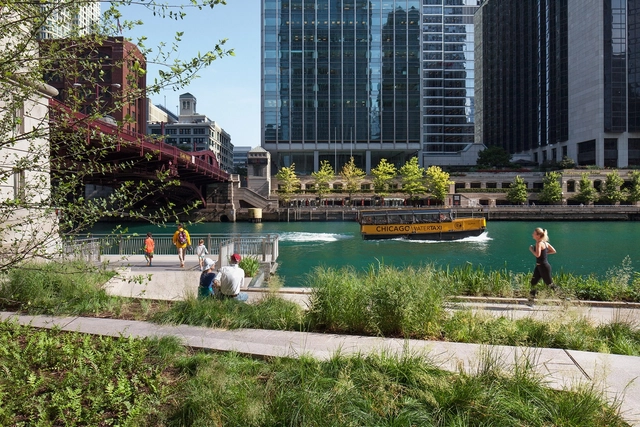
Chicago's urban history is a dynamic saga of innovation, resilience, and architectural prowess. From its early days as a bustling trade hub on Lake Michigan's shores to its transformation into a global metropolis, the Windy City has continually reinvented itself. Iconic events like the Great Chicago Fire of 1871 catalyzed a wave of architectural ingenuity and today, contemporary architects like the city’s own Jeanne Gang and SOM continue to shape its skyline with groundbreaking designs, while sustainable projects and adaptive reuse of historic buildings showcase the city's commitment to blending heritage with forward-thinking urban development. Whether it's the sleek Aqua Tower or the vibrant Riverwalk, Chicago continues to stand as a testament to the endless possibilities of urban innovation and design.
One of the city's most notable achievements is its role as the birthplace of the skyscraper. In the late 19th century, architects like Louis Sullivan and Daniel Burnham pioneered the use of steel-frame construction, allowing buildings to reach unprecedented heights. This innovation not only transformed Chicago's skyline, but also set a precedent for urban centers worldwide, positioning the city as a global leader in architectural design.
https://www.archdaily.com/1019281/the-windy-city-chicago-as-a-model-of-modern-urbanismClaire Brodka
Blair Kamin on Reframing the Crucial Issue of Design Equity
This article was originally published on Common Edge.
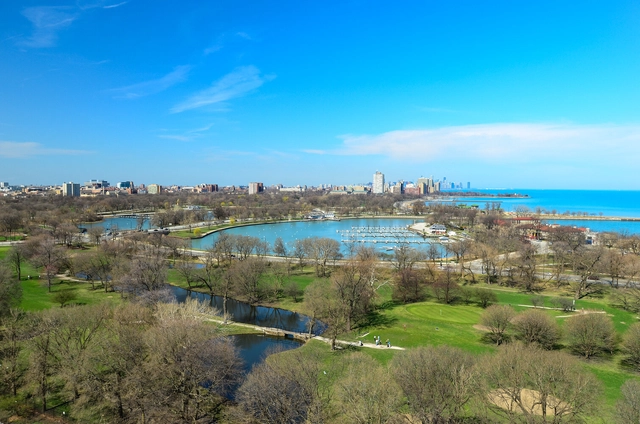
The format for Blair Kamin’ latest book, Who Is the City For? is slightly different from typical compilations. Kamin groups his columns thematically (all 55 appeared in the Chicago Tribune, when he served as architecture critic), and then, more often than not, adds a postscript updating or reframing the story for our fraught new normal. One of the recurring themes, both in the stories and in the postscripts, is the issue of design equity. As income inequality, systemic racism, and climate change became central to the cultural and political debates, equity became the critical lens for much design criticism. In our recent conversation, Kamin advocated for a broader definition of the term.

https://www.archdaily.com/1019288/blair-kamin-on-reframing-the-crucial-issue-of-design-equityMartin C. Pedersen
SOM Unveils New Satellite Concourse at Chicago O'Hare International Airport in United States
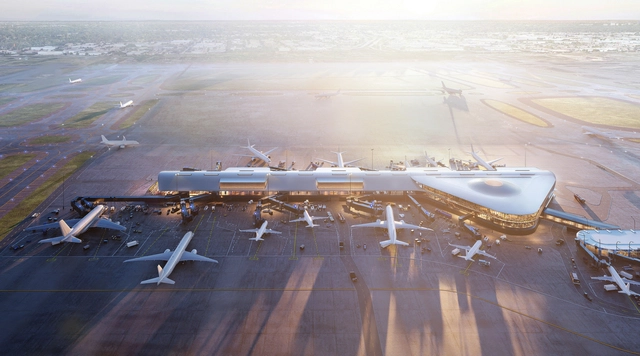
The City of Chicago has just unveiled the design for the first phase of the transformation of O’Hare International Airport. Designed by Skidmore, Ownings & Merrill (SOM), the terminal represents the largest concourse area expansion and revitalization in the airport’s 68-year history. Designed in collaboration with Ross Barney Architects, Juan Gabriel Moreno Architects, and Arup, “Satellite One” seeks to become a landmark in the state.


https://www.archdaily.com/1017202/som-unveils-new-satellite-concourse-at-chicago-ohare-international-airport-in-united-statesNour Fakharany
Watch Riken Yamamoto, David Chipperfield, Francis Kéré, and Anne Lacaton Live at the 2024 Pritzker Prize Laureate Lecture & Panel Discussion
The Pritzker Architecture Prize and the Illinois Institute of Technology’s College of Architecture present "Community: The Architect as Catalyst for Change", the 2024 Laureate Lecture and Panel Discussion, on Thursday, May 16th at 6:00 pm CDT, in partnership with the Chicago Architecture Center.
The Pritzker Architecture Prize 2024 Laureate Riken Yamamoto will deliver the lecture, "uncovering his journey in the discovery of communities throughout the world, inspiring his socially-driven architecture that blurs the boundaries between public and private dimensions". Following the lecture, Yamamoto will be joined by recent Laureates, Sir David Chipperfield CH (2023), Francis Kéré (2022), and Anne Lacaton (2021), who share a similar commitment to the value of the social system." They will discuss the responsibility of the architect as a catalyst for change and debate respective challenges of creating and bridging communities as they shape new approaches to the design of the built environment."
https://www.archdaily.com/1016450/watch-riken-yamamoto-david-chipperfield-francis-kere-and-anne-lacaton-live-at-the-2024-pritzker-prize-laureate-lecture-and-panel-discussionChristele Harrouk
Moody Nolan Designs Athletic Facility at the Obama Presidential Center in Chicago
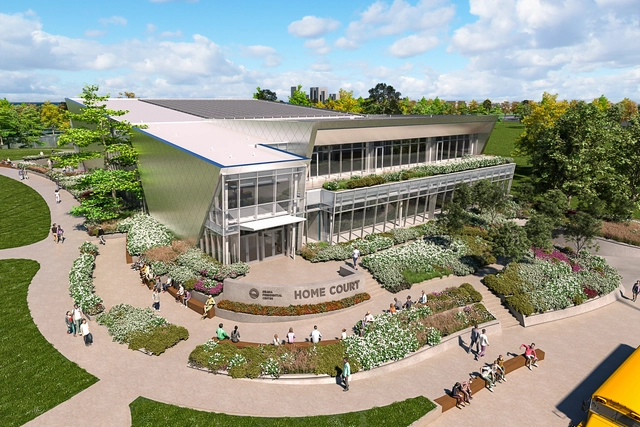
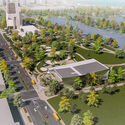
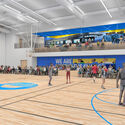
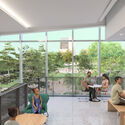
The Obama Foundation has released details about the design of a new athletic, program and event facility to take shape at the Obama Presidential Center located on the South Side of Chicago, Illinois. Designed by Moody Nolan, the facility titled Home Court will offer the largest gathering space on the campus, serving as a place for community engagement as well as health and wellness activities. The venue is scheduled to become the first space within the Obama Presidential Center campus to open in late 2025.


https://www.archdaily.com/1014967/moody-nolan-designs-athletic-facility-at-the-obama-presidential-center-in-chicagoMaria-Cristina Florian
‘Not Having to Worry about Proportion, Harmony, and Beauty Is a Cop-Out’: A Conversation with 2024 Driehaus Prize Winner Peter Pennoyer
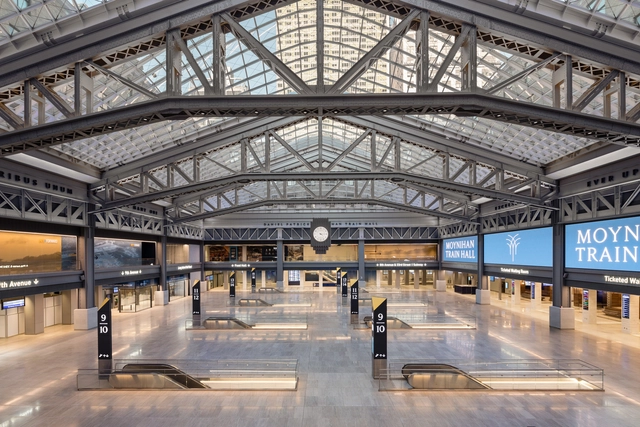
This article was originally published on Common Edge.
Even within the world of design media, it was easy to miss the news: In late January, Notre Dame’s School of Architecture announced that Peter Pennoyer, a New York–based architect and author, had won the 2024 Richard H. Driehaus Prize. The Driehaus is architecture’s traditional/classical design version of the Pritzker Prize. Although it comes with a hefty $200,000 check—twice the size of the Pritzker’s honorarium—and previous winners include such luminaries as Robert A.M. Stern, Michael Graves, Leon Kier, and Andrés Duany and Elizabeth Plater-Zyberk, the award still exists in a sort of media vacuum.






https://www.archdaily.com/1014300/not-having-to-worry-about-proportion-harmony-and-beauty-is-a-cop-out-a-conversation-with-2024-driehaus-prize-winner-peter-pennoyerMartin Pedersen
Discover the Ongoing Exhibitions at the Chicago Architecture Biennial: CAB 5
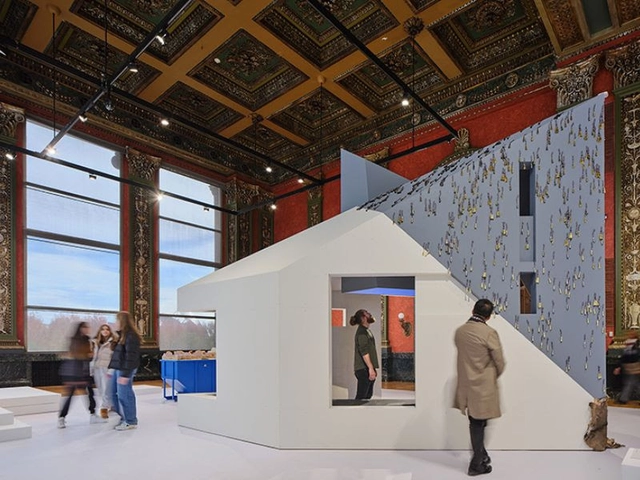
Inaugurated on September 21st, 2023, The Chicago Architecture Biennial is a city-wide festival that will continue until the end of the year. Titled “This is a Rehearsal,” the event is set up as a love letter to Chicago, activating ongoing dialogue around and in the city. One month after the biennial started, events are still ongoing, with open houses, theater performances, and virtual conferences happening throughout this week.





https://www.archdaily.com/1010961/chicago-architecture-biennial-2023-continues-till-end-of-yearNour Fakharany
Theaster Gates Receives the 2023 Vincent Scully Prize
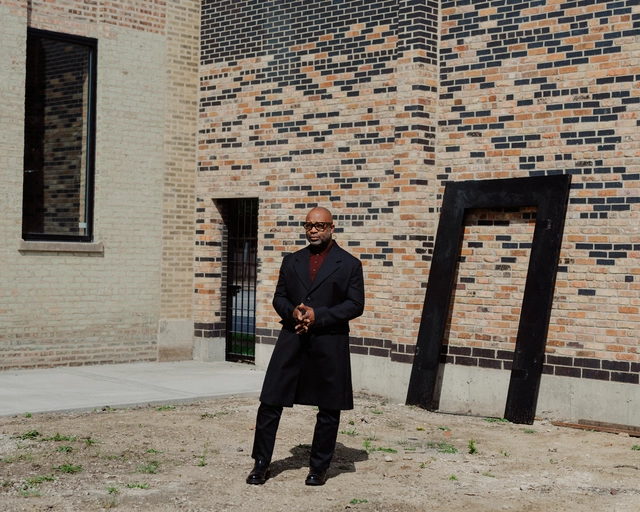
The National Building Museum announced that Theaster Gates will be the 25th recipient of the Vincent Scully Prize. Initiated in 1999, the award serves as a recognition of excellence in the fields of design, architecture, historic preservation, urban design, encompassing practice, and criticism. Theaster Gates is an artist internationally renowned for his interdisciplinary blend of social performance, urban regeneration, and cultural activations.
https://www.archdaily.com/1008294/theaster-gates-receives-the-2023-vincent-scully-prizeNour Fakharany
International Architecture Awards 2023 Announces Winners in Chicago, Illinois
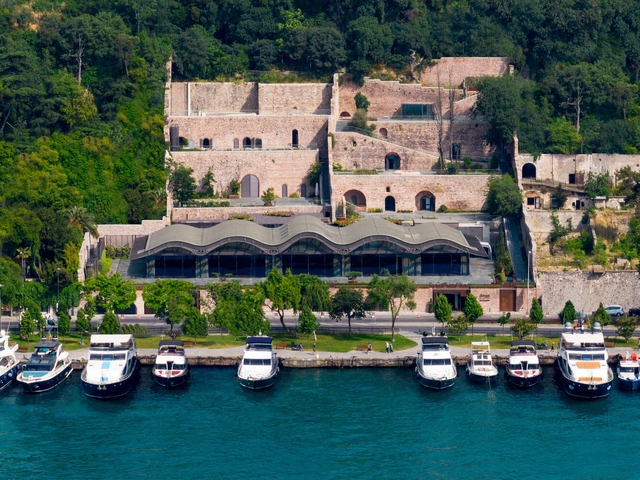
For the 18th year, the International Architecture Awards has returned to celebrate outstanding architectural achievements globally. Based in Chicago, these awards feature exceptional new buildings, urban planning projects, and landscape architecture of 2023. Additionally, this month, the Chicago Architecture Biennial (CAB 5) is currently taking place in the city. Both the awards and the Biennial attempt to shed light on each country’s architectural, design, cultural, and social trends.
Since the inception of the International Architecture Awards in 2005, this annual program has served as a platform for celebrating contemporary architecture. Moreover, the awards institution believes in architecture’s potential to enhance the quality of life for individuals globally. This year, the selected winners span 48 countries, from Ethiopia to Tokyo and New York to Nova Scotia.


https://www.archdaily.com/1008089/international-architecture-awards-2023-announces-winners-in-chicago-illinoisNour Fakharany