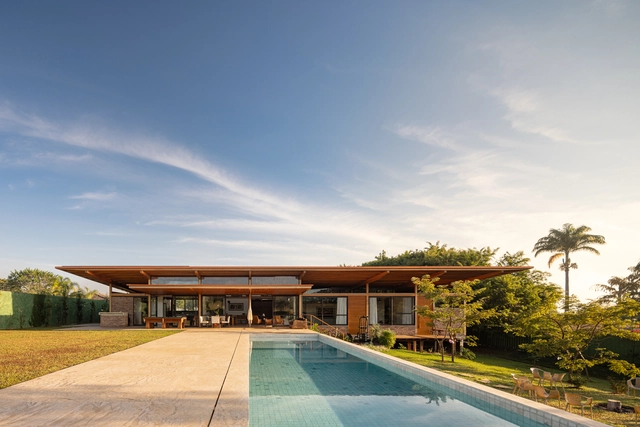


-
Architects: Fittipaldi Arquitetura
- Year: 2022


The relocation of a capital city is a complex urban decision with various dimensions and consequences for both the old and new capital. It can be driven by political, economic, societal, and other factors, and has urban and architectural implications for residents. These include factors such as location, planning, building design, the purpose of the old capital, climatic conditions, and separating the political/administrative hubs from cultural and economic cities.
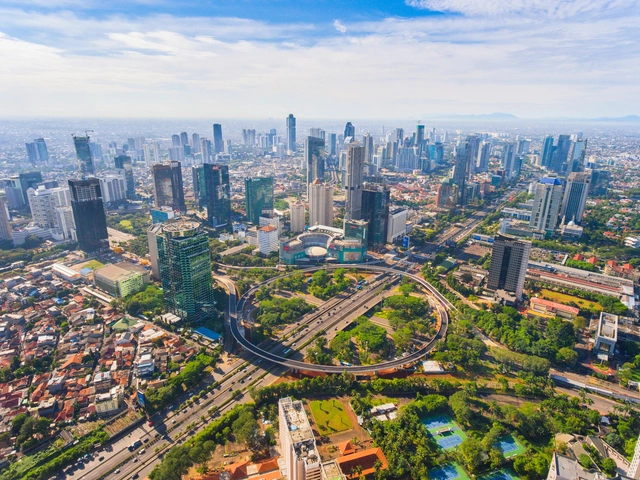
In light of the ongoing urban discourse, countries like Egypt are constructing a new capital city to alleviate population and urban stress on Cairo. Similarly, Indonesia is planning a new capital in response to challenges faced by Jakarta, such as pollution, traffic congestion, and rising sea levels. It is valuable to examine other countries in the global south that have relocated their capital cities, noting the architectural and urban lessons learned from their experiences.
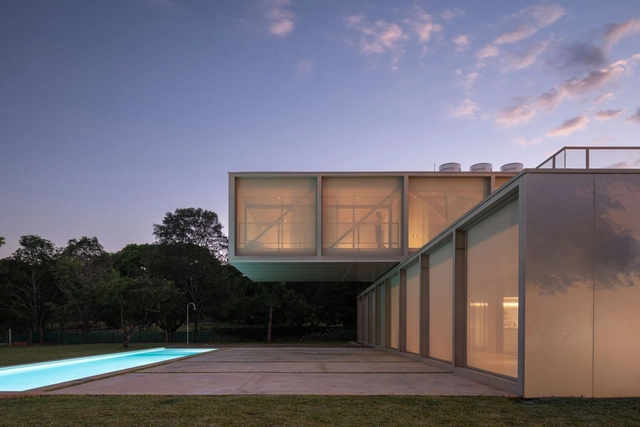
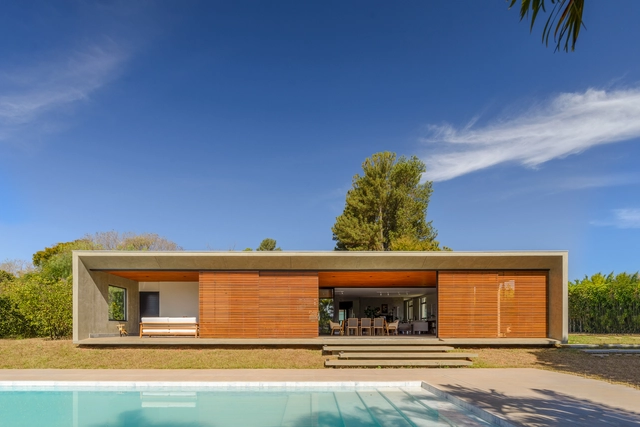
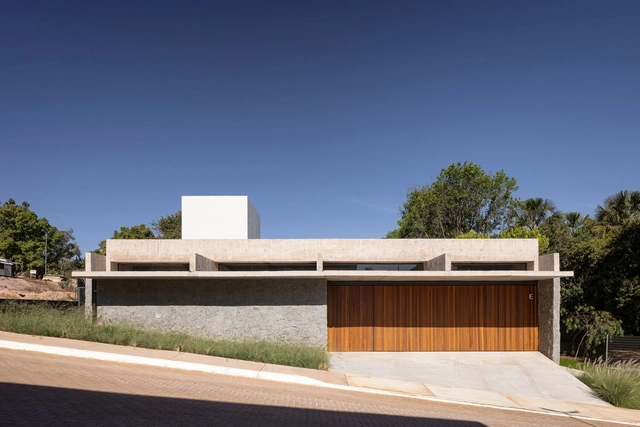

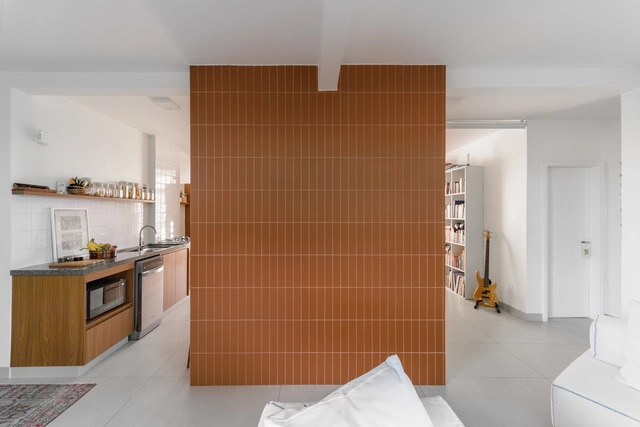
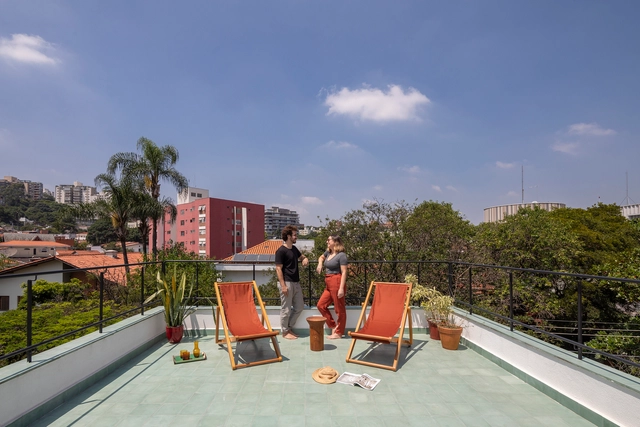
The tradition of modern architecture confirms that building roofs are usable spaces as significant as indoor areas. After all, the garden terrace is one of the five points of new architecture, according to Le Corbusier. Although he popularized the concept, the use of rooftops dates back even earlier, encompassing various roles across time, from lookouts for ancestral astronomical studies to more contemporary cultivation areas, passing through the bureaucratic accommodation of electrical and sanitary installations. By offering open space and direct sky access, building roofs have evolved. In dense urban landscapes, converting this space into a leisure area is a logical choice.