1. ArchDaily
  2. Black Women Architects

Black Women Architects: The Latest Architecture and News

A New Urban Model for a New Project of Society: An Interview with Tainá de Paula

A New Urban Model for a New Project of Society: An Interview with Tainá de Paula - Featured Image
Tainá de Paula. Image: Publicity Photo

Approaching the context of widening political divides and growing economic inequalities. A new spatial contract. Learning how will we live together. These thoughts brought by Hashim Sarkis, curator of the 17th International Architecture Exhibition of Venice Biennale 2021, may raise important questions about how architecture crosses and materializes social and political conflicts. To understand a more decentralized point of view, which indicates possibilities other than those dictated by normative mindsets, we interviewed Tainá de Paula, a Brazilian architect and community mobilizer in poor suburban areas.

Racism and Cities with Mabel O. Wilson, Akira Drake Rodriguez, and Bryan Lee

The Midnight Charette is an explicit podcast about design, architecture, and the everyday. Hosted by architectural designers David Lee and Marina Bourderonnet, it features a variety of creative professionals in unscripted conversations that allow for thoughtful takes and personal discussions. A wide array of subjects are covered with honesty and humor: some episodes provide useful tips for designers, while others are project reviews, interviews, or explorations of everyday life and design. The Midnight Charette is also available on iTunes, Spotify, and YouTube.

This week David and Marina are joined by Mabel O. Wilson, Bryan Lee, and Akira Drake Rodriguez to discuss racism and cities, how the built environment can be an instigator of racism, protests, the tearing down confederate monuments, housing, blackness and whiteness, the key changes needed for a more equitable society, and more. Enjoy!

Stephanie Ribeiro on how "Architecture Must Recognize the Debate Around Race and Gender"

Subscriber Access | 

My decision to study architecture was a naive one, made after having taken several vocational tests I found on Google. When I found out it was one of the toughest courses in Brazilian public universities, I thought about giving up. But I was already hooked by the history of architecture and its social role.

However, nothing is perfect. Architecture and Urban Planning is one of the most elite courses in the most renowned Brazilian universities, something that is reflected outside of the classroom as well. The architects went on to serve the rich, casting aside the needs of the cities and the poor.

Is Feminism Compatible With Architecture and Urban Planning?

Subscriber Access | 

Is Feminism Compatible With Architecture and Urban Planning? - Image 1 of 4Is Feminism Compatible With Architecture and Urban Planning? - Image 2 of 4Is Feminism Compatible With Architecture and Urban Planning? - Image 3 of 4Is Feminism Compatible With Architecture and Urban Planning? - Image 4 of 4Is Feminism Compatible With Architecture and Urban Planning? - More Images

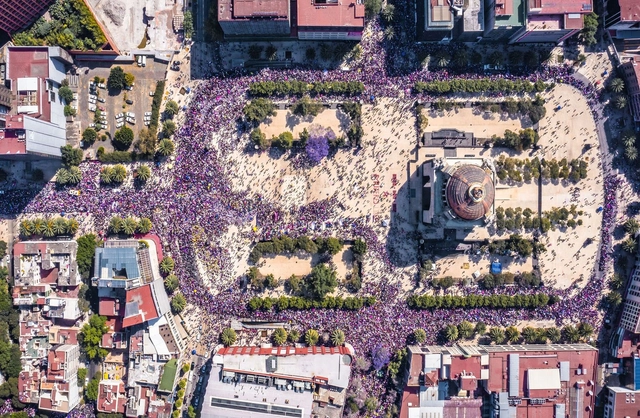
The feminine experience and its contributions in different fields of knowledge have experienced increasing acceptance, being mostly praised. The voice of architects, academics, designers, urban planners and activists has gained strength in view of the relevant reception of issues such as inclusion and gender perspective, in the face of challenges that test the great cities of the world and their inhabitants. Every March 8th – the day women take to the streets as an act of resistance and the exercise of citizenship – there are some brief reflections that highlight the link between the cities and their political-social events, as well as in related disciplines to architecture and urbanism.

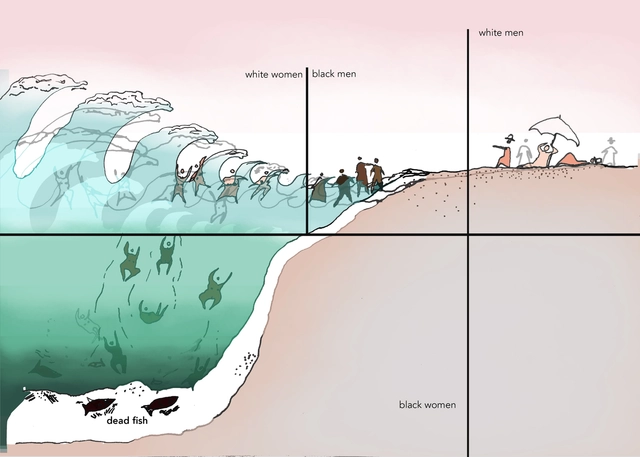
Dead Fish on the Beach: the Problem with “Women in Architecture”

Dead Fish on the Beach: the Problem with “Women in Architecture” - Image 1 of 4

How Zena Howard Uses Design to Help Cities Heal

Subscriber Access | 
How Zena Howard Uses Design to Help Cities Heal - Image 3 of 4
The Smithsonian National Museum of African American History and Culture. Image© Brad Feinknopf

This article was originally published on Metropolis Magazine as "Game Changers: Architect Zena Howard is Using Design as Urban Healing." Metropolis' annual Game Changers series highlights those in design who are pushing the field forward.

Transforming urban centers can be slow going when the process is rooted in community engagement. But within the next five to ten years, historically African-American neighborhoods in Charlotte and Greenville, North Carolina; Miami; Vancouver; and Los Angeles will experience major change, thanks to architect Zena Howard, who leads Perkins+Will’s cultural practice in North Carolina.

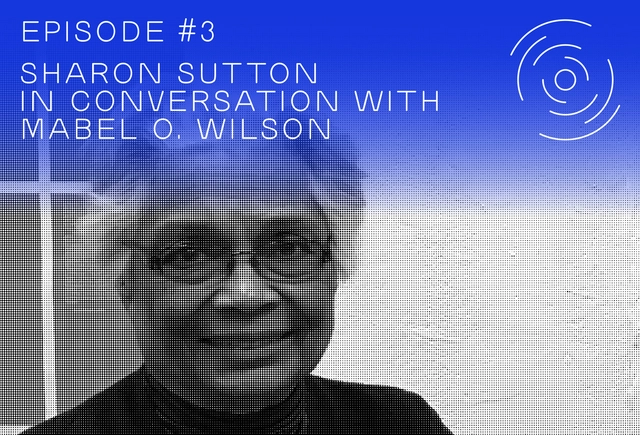
When Ivory Towers Were Black: Sharon Sutton on the Dual Fronts of Gender and Ethnicity

In this third episode of GSAPP Conversations, Columbia GSAPP Associate Professor Mabel O. Wilson speaks with Sharon Sutton about the publication of her new book, When Ivory Towers Were Black, which tells the story of how an unparalleled cohort of ethnic minority students earned degrees from Columbia University’s School of Architecture (GSAPP) during a time of fierce struggles to open the ivory tower to ethnic minority students.

When Ivory Towers Were Black: Sharon Sutton on the Dual Fronts of Gender and Ethnicity - Image 1 of 4