



-
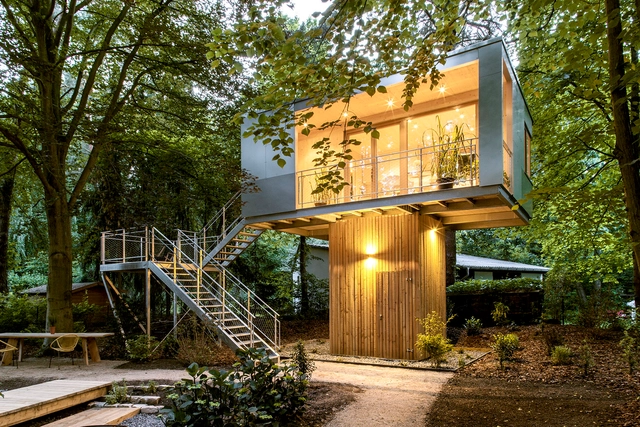
Architects: Bruzkus Batek Architekten
- Area: 165 m²
- Year: 2014
-
Professionals: Zuretti, Holzmanufaktur Richter


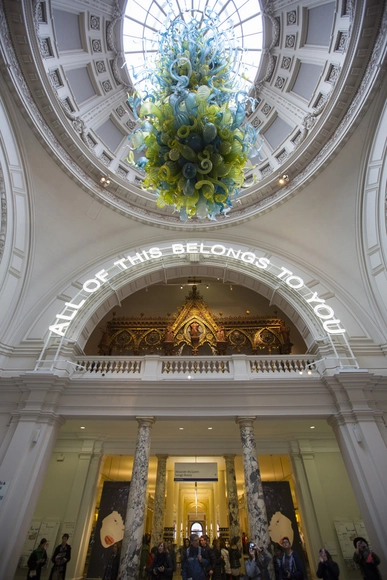
The Victoria and Albert Museum (V&A), named after the Queen and Her Consort, has its foundations in the Great Exhibition of 1851 amidst the wealth, innovation and squalor of the Industrial Revolution. Britain was flooded by prosperity which allowed for the development of major new institutions to collect and exhibit objects of cultural significance or artistic value. The institute’s first director, Henry Cole, declared that it should be “a schoolroom for everyone,” and a democratic approach to its relationship with public life has remained the cornerstone of the V&A. Not only has it always been free of charge but it was also the first to open late hours (made possible by gas lighting), allowing a more comprehensive demographic of visitor.
Their latest exhibition, which opens today, seeks to realign the museum’s vast collection and palatial exhibition spaces in South Kensington with these founding concepts. The interventions of All of This Belongs to You attempt to push the V&A’s position as an extension of London’s civic and cultural built environment to the fore, testing the museum’s ability to act as a 21st century public institution. To do this in London, a city where the notion of public and private is increasingly blurred, has resulted in a sequence of compelling installations which are tied together through their relevance either in subject matter, technique, or topicality.
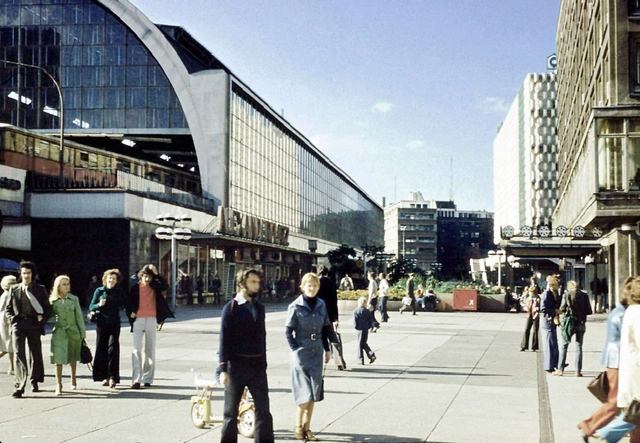
"Twenty-five years after the Berlin Wall’s demise, it is as though a large part of the twentieth century never happened," writes OMA principle Reinier de Graaf in his article for Metropolis Magazine "The Other Truth". "An entire period has been erased from public consciousness, almost like a blank frame in a film." Through the course of the article, de Graaf outlines how the West has rewritten the history of the cold war, erasing the "other truth" that existed for nearly half a century in East Berlin, the USSR, and other soviet-aligned states - a truth that we forget to our peril. It may not be immediately architectural, but the essay provides an interesting look into the political thoughts of de Graaf who, as the principle of one of architecture's most prominent research organizations in AMO, has an important influence on the profession's understanding of the wider world. Read the article in full here.
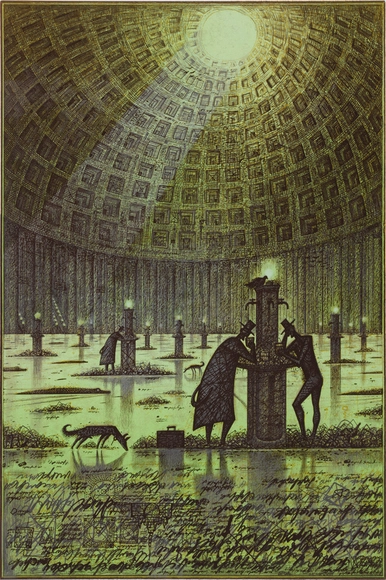
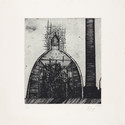
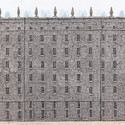
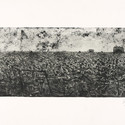
From March 13, Berlin's Tchoban Foundation Museum for Architectural Drawing will showcase the work of acclaimed Russian artist and architect Alexander Brodsky in the eponymous exhibition "Alexander Brodsky. Works."
Curated by Daria Paramonova, architect and co-curator of the Russian Pavilion at the 2014 Venice Biennale, the exhibition will feature a collection of Brodsky's new and old work and run until June 5.
Learn more about the exhibition and view selected works on display after the break.

In conjunction with "Contemplating Basics," the 35th Aedes Architecture Forum's exhibition of work by Beijing-based ZAO/standardarchitecture, Reframe presents an interview the firm's founder, Zhang Ke, and Dr Eduard Kögel, an Urban Planner and critic from Berlin.

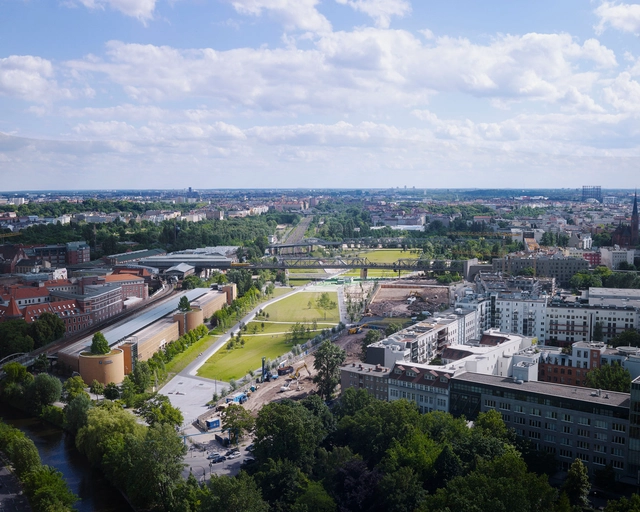
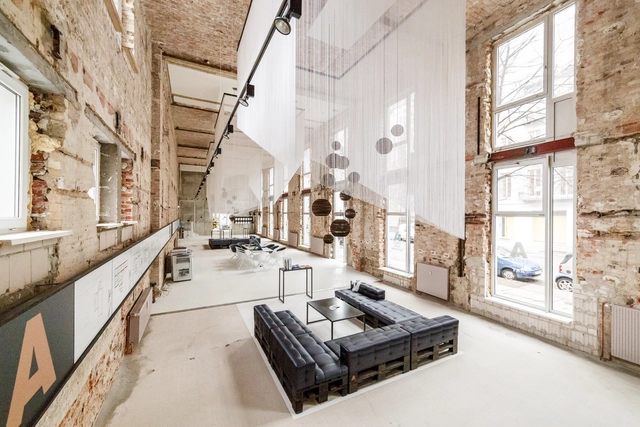
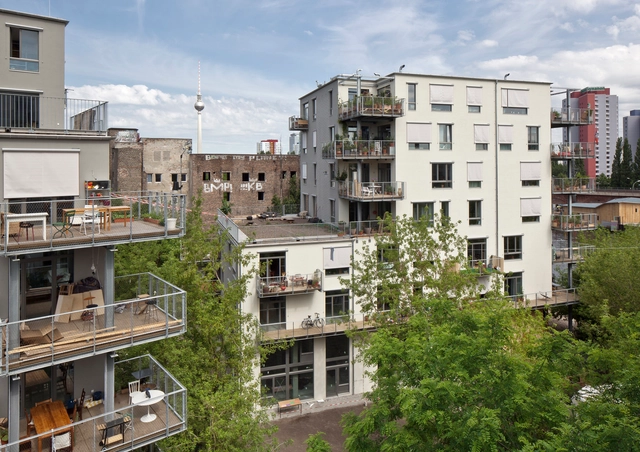
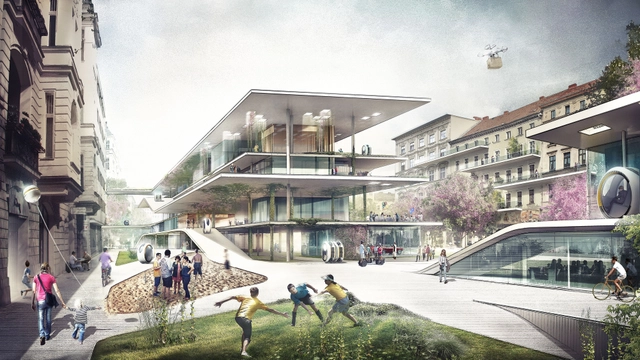
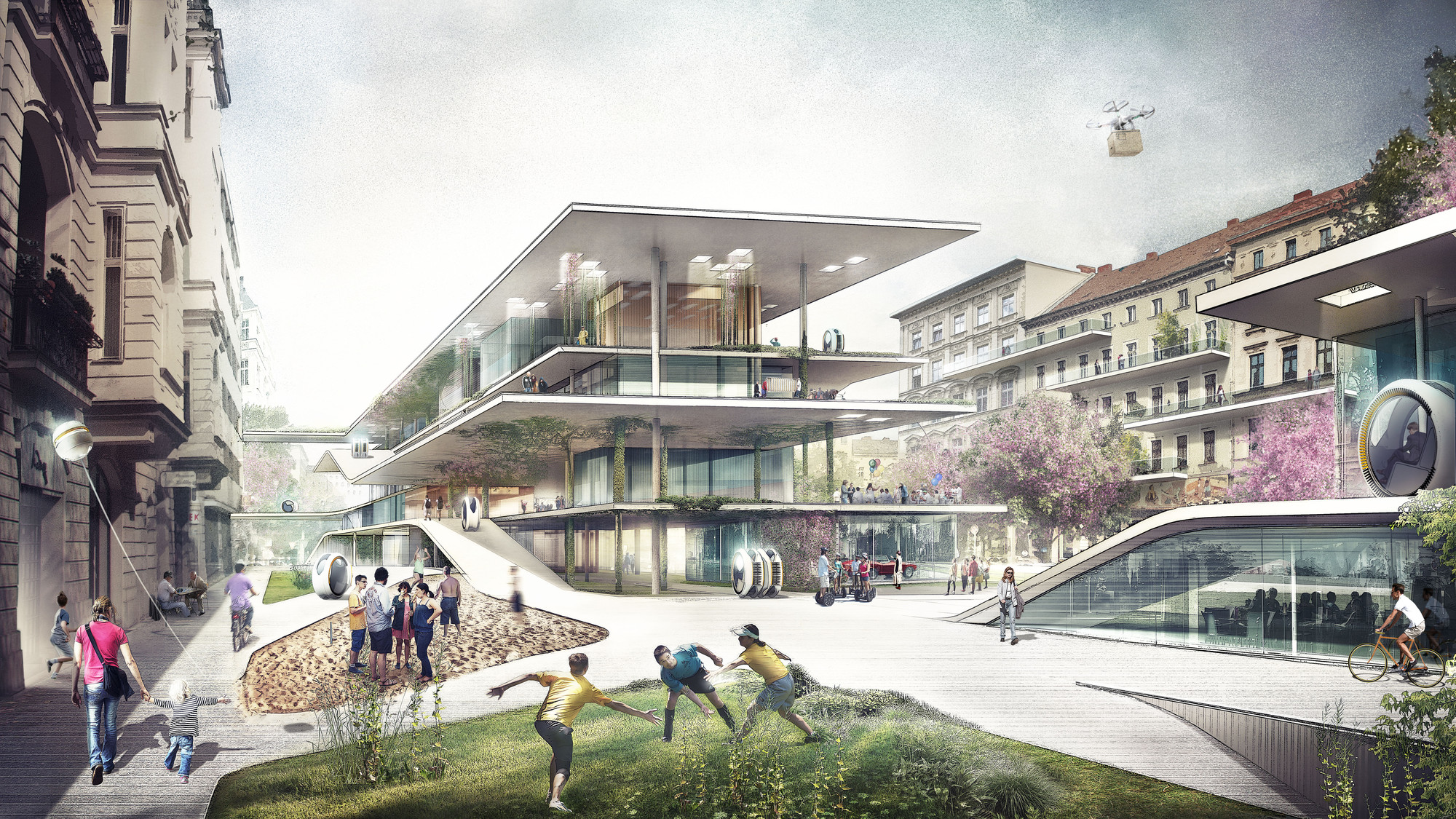
One of three runners-up in the 2014 Audi Urban Future Award, the Berlin Team of Max Schwitalla, Paul Friedli and Arndt Pechstein proposed a futuristic and innovative concept for an entirely new type of personal transport. Drawing inspiration from sources as diverse as elevator technology and biomimicry, their designs offer a thought-provoking alternative to our existing transportation systems that could revolutionize the city as we know it.
Though their proposal ultimately lost out to Jose Castillo's Team Mexico City, the work of the Berlin team correlates closely with the aims of Audi's Urban Future Initiative, offering a compromise between the convenience and status of personal transport and the civic benefits of public transport. Read on to find out how this was achieved.

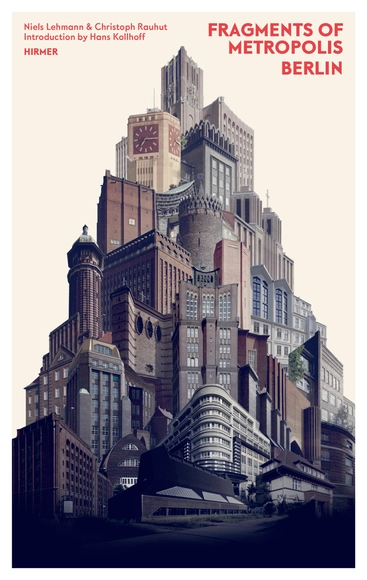
Despite being born in the same era, Expressionism embodies an entirely different architectural sensibility to other proto-modernist movements like the Bauhaus. Its complex forms marked the creation of what we know as the modern metropolis and became one of the iconic architectural styles of the Roaring Twenties. Throughout Europe, over 1,000 expressionist buildings remain standing, yet many are forgotten and not properly preserved.
For the past four years, Niels Lehmann and Christoph Rauhut have been working to document these surviving expressionist landmarks, following their previous book “Modernism London Style.” Their new book, “Fragments of Metropolis – Berlin” presents 135 remaining expressionist buildings in Berlin and the surrounding area, and with your help this incredible collection documenting the landmarks of expressionism will be published, with colorful photography and detailed maps revealing their exact locations. Follow this link to become a supporter and learn more, or continue after the break to see a selection of images from the book.

Speaking to The Guardian, David Chipperfield has stated that he regards the hold of private investment over new architecture in London as an "absolutely terrible" means of building a city. He argues that Berlin - where he spends considerable amounts of time and runs a large office - "is a much more reflective society than ours" because the UK has sunk into "a success-based culture."
[In Berlin] there is still an idea of the public realm. We have given that up in London. We have declared the public realm dead; the question is how to get stuff out of the private sector. We are unbelievably sophisticated at that.
If buildings could talk, what would they say about us? Cathedrals of Culture, a six part collection of films recently premiered at this year's Berlin International Film Festival, "offers six startling responses to this question". The project, filmed entirely in 3D, allows "six iconic and very different buildings to speak for themselves, examining human life from the unblinking perspective of a manmade structure".
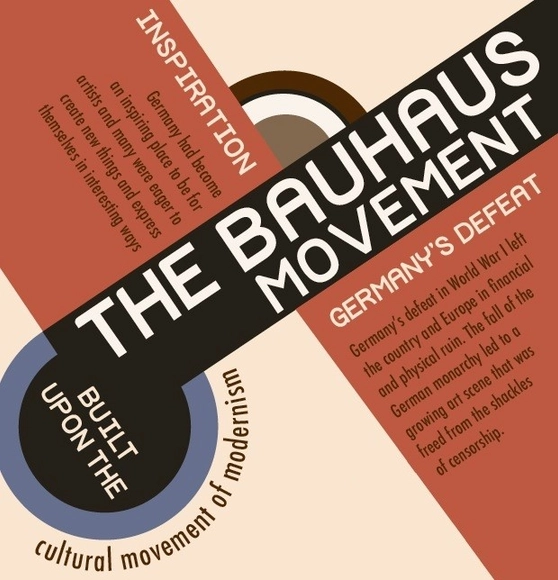
Bauhaus, the school of design established by Walter Gropius in Weimar in 1919, has arguably been the most influential of any institution in shaping the trajectory of modern architecture. Out of this single school came an entire movement that would have lasting effects on architectural pedagogy and the design of everything from buildings to road signs. Born out of a larger cultural movement following Germany’s defeat in World War I which left the country ripe for regrowth without the previous constraints imposed by censorship, the core of Bauhaus philosophy were the principles of craftsmanship and mass production, which allowed for the movement’s rapid proliferation and a production model that would later inform contemporary design companies such as Ikea. Check out the infographic from Aram below to learn more about the movement, tracking the school from its origins in Weimar, via its canonical Gropius-designed home in Dessau, to its continuing legacy today.