

-
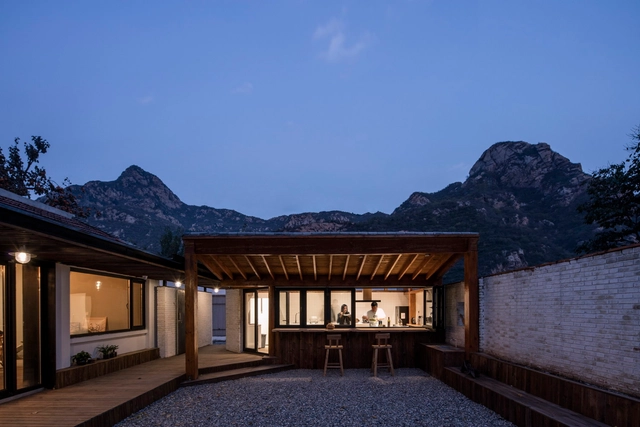
Architects: DL Atelier
- Area: 660 m²
- Year: 2016
-
Professionals: DL Atelier, Warming House


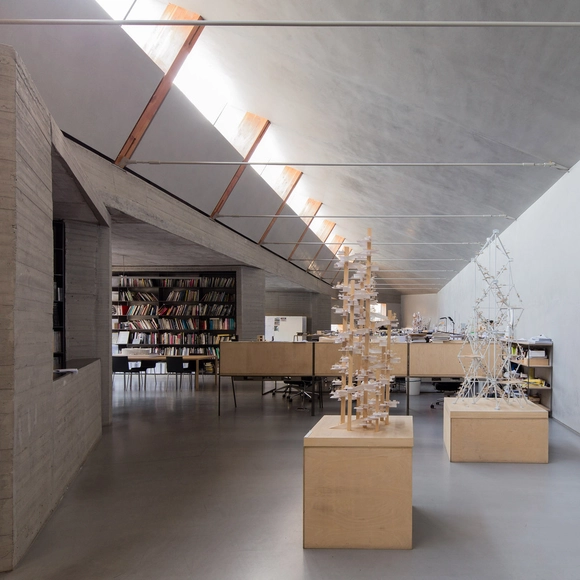
Architectural photographer Marc Goodwin has recently completed the third collection of his "ultra-marathon of photoshoots" – this time in Beijing. Following his unique insight into the spaces occupied by Nordic architectural offices (based in Oslo, Stockholm, Copenhagen and Helsinki) and his look at studios both large and small lived in by London-based practices, Goodwin has turned his lens to the burgeoning number of offices in the Chinese capital. From MAD Architects' magnificent old printing works to ZAO/standardarchitecture's purpose-built studio, here is a view into the places that architectural offices call home.
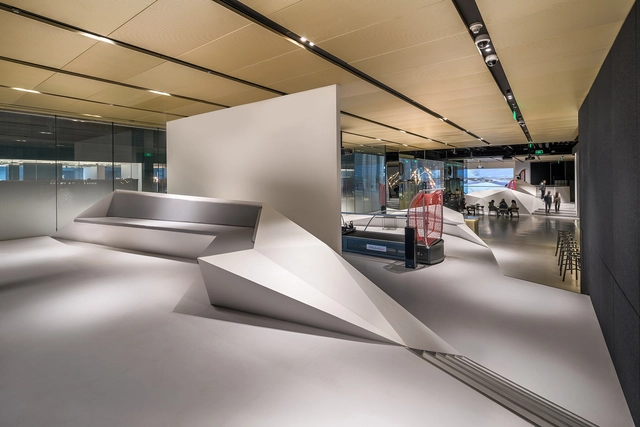

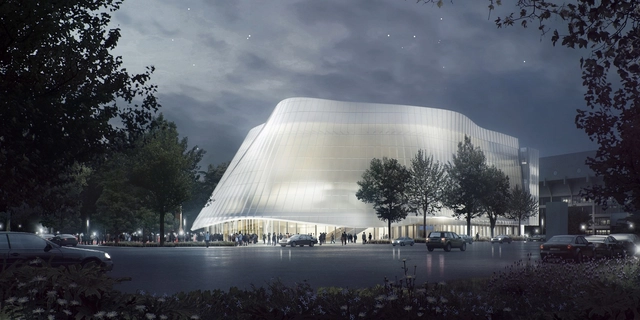
MAD Architects has unveiled the design of the new China Philharmonic Hall in Beijing. Conceived in collaboration with renowned acoustic expert Yasuhisa Toyota (Walt Disney Concert Hall, Philharmonie de Paris, Suntory Hall, etc.), the concert hall will serve as the China Philharmonic Orchestra’s first permanent residency while becoming “a cultural exchange and China’s new locus for classical music.”
To be located at the south side of the Workers Stadium East Gate in Beijing’s Central Business District, the 26,587 square meter (286,000 square foot) building has been envisioned as a “hidden gem” and a place of peaceful respite within the city.
“We wanted to create a pure and sacred oasis in the midst of the bustling city,” says Ma Yansong, founder & principal partner of MAD Architects. “From the moment you enter the building, you will be taken to another time and space.”

'I was here' is Crossboundaries contribution to a larger series of installations in the Caochang Hutong area, 'Real Existence', which opened on September 27.
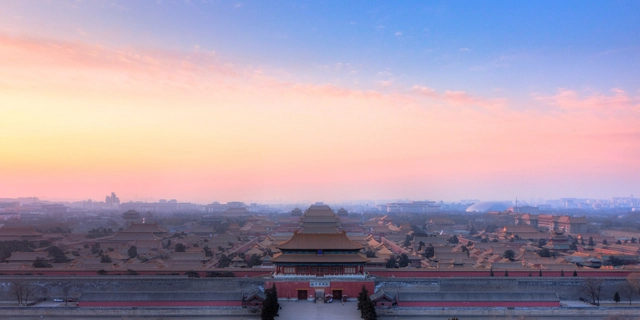
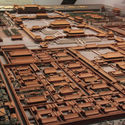
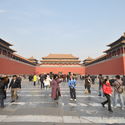
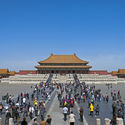
As the heart of Imperial China from 1421 until 1912, the Forbidden City—a palatial complex in the center of Beijing—represented the divine authority of the Emperors of China for over five hundred years. Built by the Ming Emperor Zhu Di as the centerpiece of his ideal capital city, the palace would host twenty-four different emperors and two dynasties over the course of its history. Even after the subsequent democratic and communist revolutions that transformed China in the early 20th Century, it remains as the most prominent built relic of a cosmopolitan empire.[1]






.jpg?1479374160 "© Luc Boegly")