Entrearcos, arquitecturas de conexión - Colección. Image Cortesía de Daniela Silva Landeros
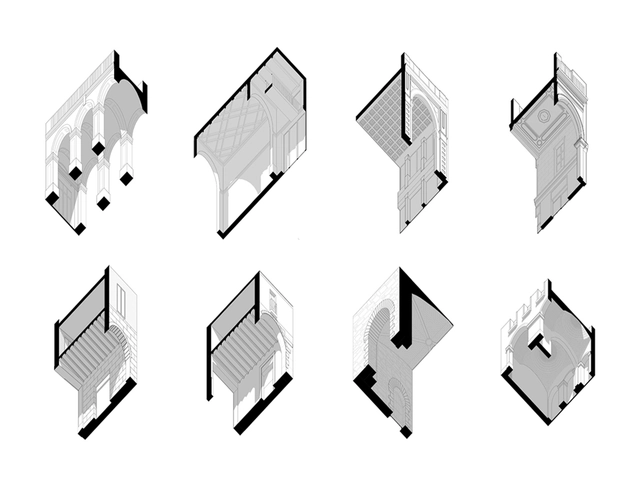
The gaze is a tool that the architect uses constantly but does not fully value. It is an instrument that, in addition to allowing us to know and recognize our reality and the phenomena that arise from it, can work as a method of analysis. "Entrearcos (Between-arches): architecture of connection" is a research project developed by the architect Daniela Silva Landeros that studies, in the specific case of the Ciutat Vella neighbourhood of the city of Barcelona, the issue of arches in our cities. And Silva Landeros does so from alternative points of view that call into question the way we are used to looking.
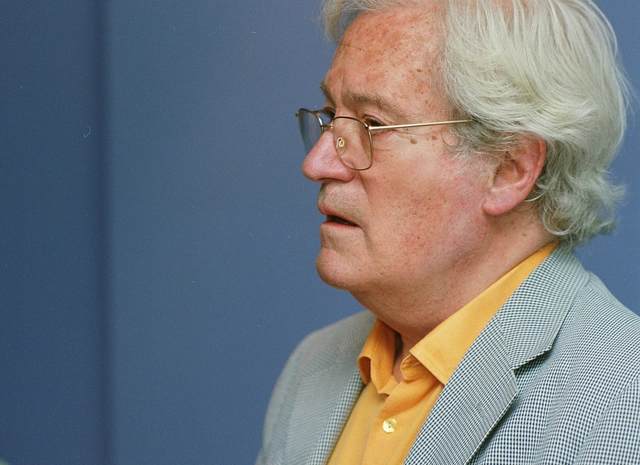
Oriol Bohigas en el Museu d'Història de Catalunya, 2001. Image via Wikipedia: Museu d'Història de Catalunya (fotógrafo: Pep Parer). Licencia bajo CC BY 3.0
On the 30th of November, we received news of the death of Oriol Bohigas Guardiola (Barcelona, 1925), architect, urbanist, and one of the main drivers of Catalan's modern transformation.
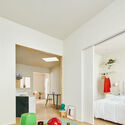
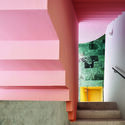
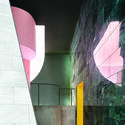
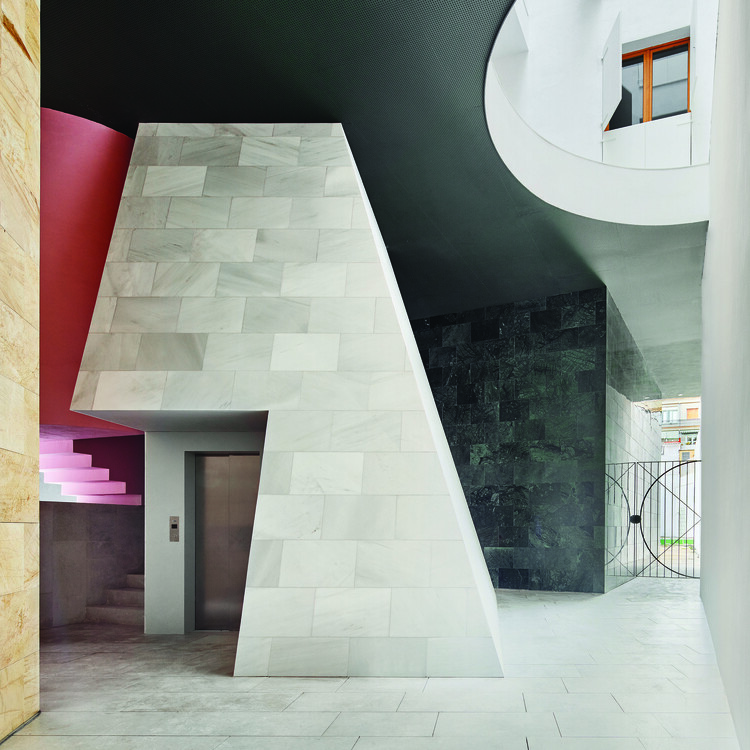
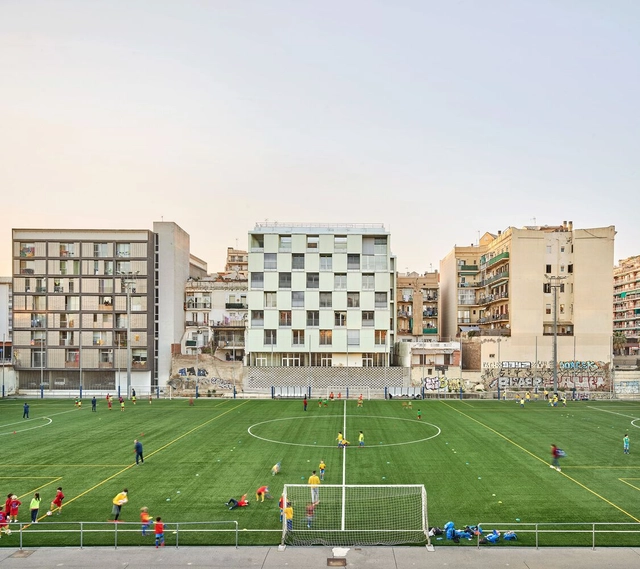
MAIO is currently building a five-story building with 40 social housing units in the Sant Feliu de Llobregat district, Barcelona. The project design urban connectivity, social equity, and sustainability. As the winner of a two-phase competition, the building will house hierarchyless, generic, flexible spaces to fit the inhabitants' needs.
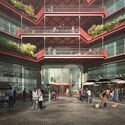
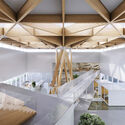
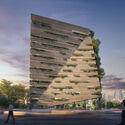
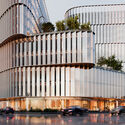
The office building typology has been evolving towards more fluid, spatially diverse and flexible designs in order to accommodate the needs of new generations of workers and business models. This week's curated selection of Unbuilt Architecture focuses on office projects, commercial and administrative buildings submitted by the ArchDaily Community, showcasing how architects worldwide envision working environments and their contribution to the urban environment.
From the retrofit of an outdated office building in London to a commercial and administrative project shaped like an architectural promenade in Iran or an interplay of mass and void within an office building in Turkey, the following projects showcase some of the ideas shaping the office typology. These preoccupations include the necessity to update the existing building stock, an increased indoor-outdoor connection, or a move away from the generic office floor plan.
Zero kilometer materials can be purchased locally, do not need to be transformed by large stages of industrial processing or toxic treatments and, at the end of their service life, they can be returned to the environment.
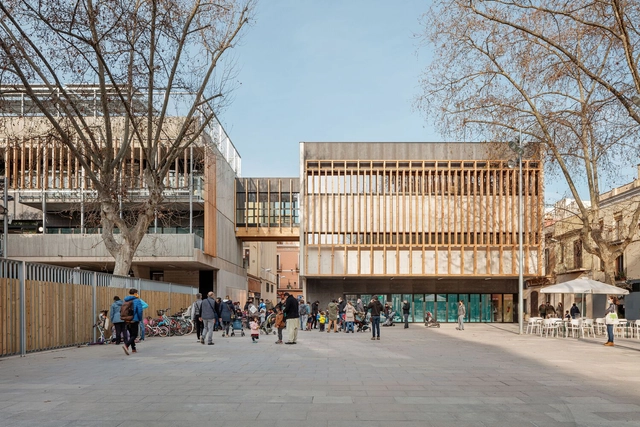
For example, wood from a nearby forest eliminates the need for long transfers, valuing local resources, and allowing architecture to lessen its environmental impact while committed to the landscape and context.



_MODEL.jpg?1627415949&format=webp&width=640&height=580)

_ok.jpg?1635457482&format=webp&width=640&height=580)




.jpg?1615469357&format=webp&width=640&height=580)





_ok.jpg?1635457228 "© Oriol Gómez")
_ok.jpg?1635457425 "© Milena Villalba")
_ok.jpg?1635457258 "© Milena Villalba")
_ok.jpg?1635457350 "© Milena Villalba")
_ok.jpg?1635457482)