Unveiling the 15 Most Significant Architectural Events of 2025

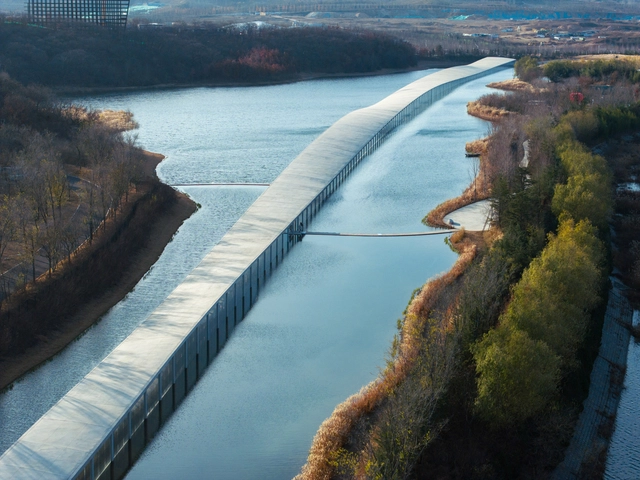
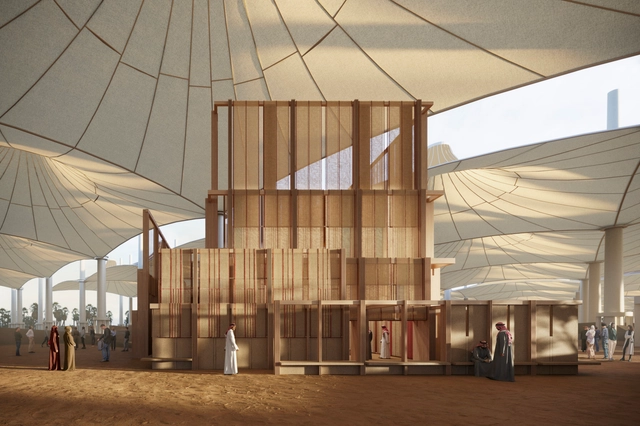
2025 promises to be a landmark in architecture, heralding a vibrant renaissance of creativity and exploration. As societies confront challenges such as climate change, rapid urbanization, and technological evolution, architecture is both a mirror to these dynamics and a compass pointing toward a sustainable and inclusive future. This year's architectural calendar offers abundant opportunities to celebrate the discipline's transformative power — from boundary-pushing festivals to thought-provoking exhibitions that explore pressing cultural and environmental narratives.
On the New Life of Buildings: Concepts, Reflections, and Adaptive Reuse Projects of 2024

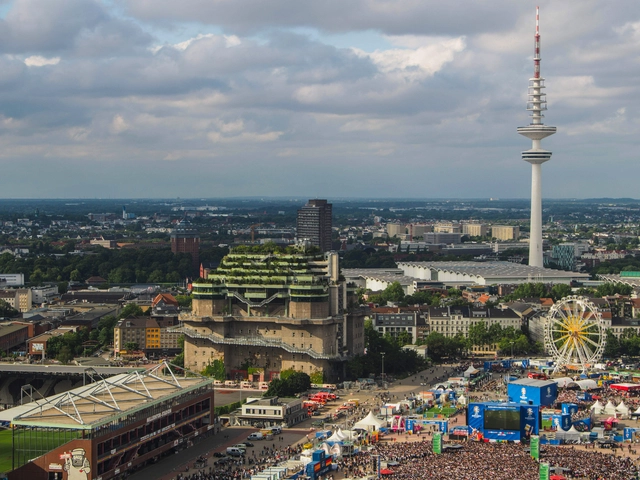
Discussing adaptive reuse involves exploring multiple fields of action and disciplines, interpreting opposing perspectives and opinions from various stakeholders, and even sparking the reactivation or revitalization of certain spaces in favor of communities. In recent years, notable projects have emerged, such as the conversion of factories and industrial warehouses, as well as the transformation of industrial structures into modern offices. Adaptive reuse of existing buildings has continued to evolve and expand globally throughout 2024, aiming to improve the quality of life for residents while also contributing to environmental sustainability.

Straw, Earth and Bamboo: Innovative Use of Natural Materials in 2024 Projects from the Global South

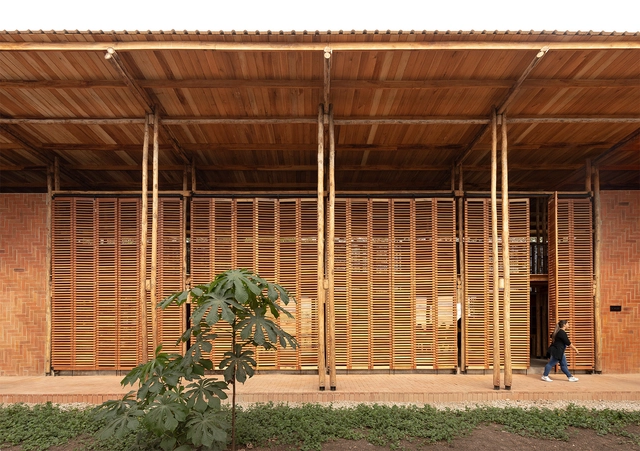
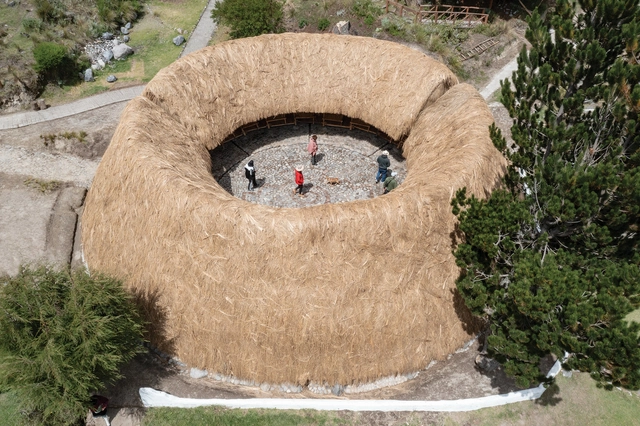
Sustainability has been a central theme in architectural discussions for years, encompassing not only the profession’s role in combating climate change and transitioning to low-carbon economies but also preserving cultural heritage and celebrating vernacular traditions. In 2024, a wave of projects and studies stood out for their innovative use of natural materials, particularly in the Global South. These initiatives skillfully blend creativity and technology with renewable resources, demonstrating how architecture can deliver high-quality spaces that align with contemporary demands for sustainability and environmental responsibility.

The 50 Best Latin American Houses of 2024

Annually, ArchDaily's curatorial team undertakes a rigorous selection process to identify exemplary projects in Latin American residential architecture. The goal is to share these works of architecture with our audience and highlight and promote good practices within contemporary architecture. This meticulous effort focuses on identifying projects that stand out for their design and their positive impact on the environment, innovative use of materials and techniques, and ability to address current needs.

From Concrete to Green Canopies: Revitalizing Cities Through Natural Design

The journey toward renaturalizing urban spaces is an ongoing effort that began as early as the 1970s and continues to shape cities worldwide today. From transforming highways into vibrant parks to restoring waterways and integrating nature into urban planning, these projects reflect a shared commitment to sustainability, livability, and resilience. In Portland, the 1978 creation of Tom McCall Waterfront Park set a pioneering example by replacing a highway with green spaces. Decades later, Boston followed with the Rose Kennedy Greenway, reclaiming land from the elevated Central Artery.

From Design Movements to Materials: Reflecting on Architectural Exhibitions in 2024

Reflecting on 2024, numerous architectural exhibitions have opened worldwide, addressing various themes, exhibition formats, and featured architects. Architectural design and architecture practice influence our daily lives in subtle and often unnoticed ways, where the end-users embrace built environments as they are. This reaction may arise from a combination of factors, such as a sense of powerlessness to enact significant change after a building is constructed or the experience of growing up in environments over which individuals had little or no agency in shaping. For these reasons, architectural exhibitions serve an essential purpose, offering society a chance to pause, reflect, and critically examine the myriad issues that surface during designing and building. These issues are often overlooked or need to be acknowledged, as practitioners may prioritize delivering projects within strict timelines over exploring more profound reflections.

AI and the Built Environment: Bridging Technology, Design, and Cultural Identity

Artificial intelligence (AI) is reshaping the architectural landscape, offering tools that enhance creativity, streamline workflows, and redefine design processes. From assisting in urban planning to conceptualizing homes and creating visualizations, AI is unlocking new possibilities for architects, designers, and even non-professionals. Yet, as AI-generated outputs become more prevalent, concerns emerge regarding the possibility of generating generic-looking designs or the disappearance of traditional design skills. These challenges lead us to critically examine how AI complements human creativity and the ethical implications surrounding authorship, originality, and intellectual property rights in this rapidly evolving digital era.

A New Lens on Architecture: Discovering Open House Narratives Across Europe

Throughout 2024, ArchDaily, in collaboration with the Open House Europe architecture event, brought inspiring projects and stories to light. These true architectural gems were unveiled through visits, and their widely shared narratives enriched the architectural discourse. It is an invitation to explore the stories behind buildings that, although part of citizens' daily lives, often go unnoticed amidst the routine automation of everyday life.

Innovations in Public Spaces: Gardens, Plazas, and Landscape Parks of 2024

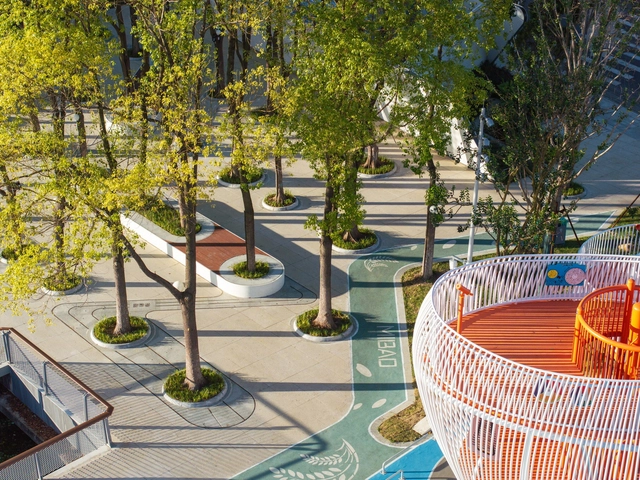
In a quest to enhance and attract new natural experiences to city centers, the design, planning, and revitalization of certain urban spaces align with strategies aimed at improving the quality of life for residents while maintaining a connection with nature rooted in the local landscape. Through technical solutions for wastewater treatment and stormwater drainage, improved accessibility, incorporation of recreational activities, introduction of native vegetation, and more, numerous parks, plazas, and gardens are integrated into urban and rural fabrics. These efforts seek to filter pollution, purify the air, address social issues, and promote experiences that foster connections between nature, biodiversity, and society.

Celebrating the Lives of Inspiring Architects Who Passed in 2024

As the year comes to an end, we take a moment to honor the careers and contributions of celebrated architects, designers, and artists who passed away in 2024. These influential figures have left a lasting legacy in the built environment, prompting deeper thought about the role of their disciplines in society and their ability to evolve over time.

Designing for All: Exploring Empathy, Inclusivity, Accessibility and Spatial Equity in Architecture

The concept of inclusive architecture has gained prominence as the built environment evolves to reflect and address the diverse needs of humanity. This approach prioritizes empathy, accessibility, and equity, striving to create spaces that resonate with individuals across a spectrum of demographics, abilities, and cultural contexts. It moves beyond merely meeting accessibility standards or incorporating universal design elements; instead, it embodies a paradigm shift that humanizes architecture and aligns it with fundamental social values. Through this lens, inclusive architecture fosters connections, embraces diversity, and ensures that physical spaces contribute to collective well-being.

2024 Best Articles: Architecture’s New Voices, Rediscovered Territories, and a Spirit of Shared Knowledge

The year 2024, following a period of global uncertainty, saw a complex interplay of challenges and advancements. While geopolitical tensions and the lingering effects of past crises remained prominent, a focus shifted towards rebuilding, with communities worldwide seeking local solutions and ways to advance despite the turmoil. The architectural landscape of 2024 saw a growing exploration of new building systems and technologies, often inspired by vernacular solutions. At an urban scale, spaces are reconsidered for their potential to shift towards more pedestrian-friendly activities, more natural areas, and opportunities for community gathering and event organizing.

Adapt, Breathe, Regenerate: Envisioning a New Chapter in Architectural Materials

The fine line between art and craft, creativity and functionality, personal expression and societal or industrial demands is one that architecture navigates with great care. This duality is increasingly shaped by the urgent need to address environmental challenges. At the forefront of this evolution are materials and construction systems, the essential building blocks of design and execution. Historically, architecture relied on natural raw materials like wood, stone, and metals, which defined built spaces but often strained ecosystems. Today, the discipline seems to be undergoing a profound transformation, shifting beyond mitigating negative impacts to actively fostering the planet's regeneration.

2024 Retrospective: Uncovering the Stories Behind Iconic Projects

How many stories are hidden behind every line and every wall? Each project serves a purpose, and its creation leaves a lasting impression on the environment it inhabits. ArchDaily's AD Narratives series seeks to uncover the fascinating—and often unexpected—stories that breathe life into selected projects. Through in-depth research, the series delves into the unique details of the design and construction processes, exploring the cultural, social, and political contexts that have shaped each work.

Voices Shaping the Future of Architecture: ArchDaily's Best Interviews of 2024

In 2024, architecture continues to evolve in response to global challenges, with an increasing focus on sustainability, cultural context, and social responsibility. ArchDaily's interviews with leading architects, such as Kengo Kuma and Anne Lacaton, highlight how design is shifting towards environmental and community-centric solutions. These conversations also shed light on the emerging voices from the Global South, where innovative practices are addressing unique socio-political and environmental challenges. Architects from regions like Africa, Asia, and Latin America are offering fresh perspectives, pushing the boundaries of traditional architecture to reflect their diverse cultural narratives and local contexts.

Interior Design Trends of 2024

As 2024 comes to an end, a dynamic year that questioned knowledge, tradition, and innovation, we take a look at how global events and trends influenced the design of interior spaces. Last year, architecture practices sparked worldwide discussions, challenging norms and tradition, and embracing overlooked regions. Interior design, on the other hand, took a more reserved, modest approach, favoring simplicity and individuality. Fast forward a year later, the overall architecture and design themes of 2023 remain the same - reinforced if anything - but have embraced "crafted experimentations" through subtle, acupuncture-like interventions.

ArchDaily's Best Architectural Projects of 2024

Throughout the year, ArchDaily's team of curators works on expanding and populating our project library. Located all around the world, each curator carefully considers the best works emanating from their respective regions in an effort to have a diverse representation of the most inspiring and innovative built works. The team looks to new rising practices, new technologies, and the vernacular revival of traditional construction techniques. Seeking socially driven initiatives, as well as major works by renowned architects, the overall offers a holistic view of the built world today and is relayed through the yearly project review.

Reflecting on Architectural Details and Construction Systems in 2024

In 2024, a diverse range of topics have been comprehensively explored, some focusing specifically on architectural details and construction systems. These articles provide valuable insights into architecture's often-overlooked technical and functional aspects. By shifting attention away from aesthetics, materials, and spatial massing, they reveal the importance of intricate details and the construction systems underpinning contemporary projects' larger architectural vision.