The ArchDaily Architectural Visualization Awards are now Open for Submissions

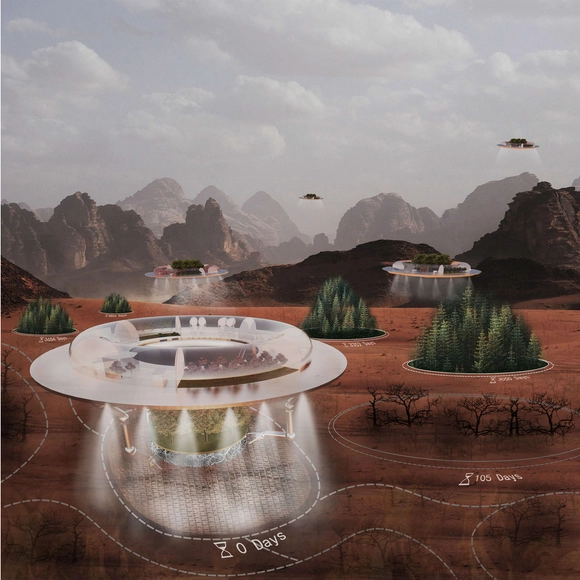
Architectural visualizations have reached unthinkable levels, being a great source of inspiration and a fundamental part of the design process in architecture. This is why we are proud to announce the second edition of the ArchDaily Architecture Visualization Awards, where we will award the best of the year.
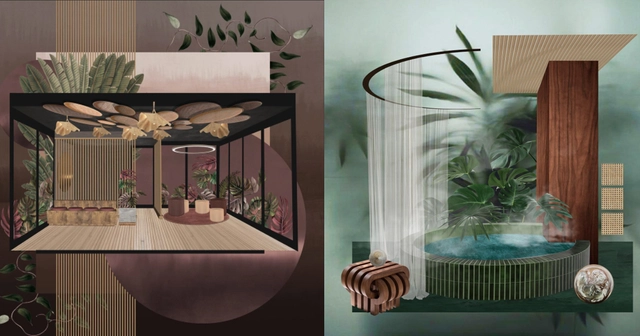
Transparent Drawings: Visualizing Architecture Anew

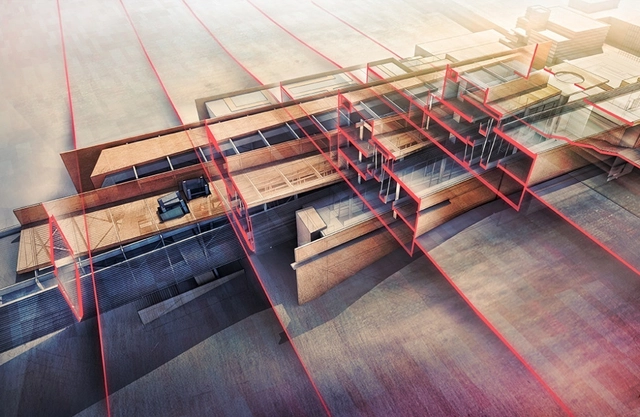
Drawings and visualizations are architecture in their own right. As means to reconsider what we see or what could be, drawing styles are as diverse as the mediums through which they are produced. For transparent drawings, observation and imagination go hand in hand. Not only does this unique style require critical examination, but also an ability to conceptualize new possibilities.

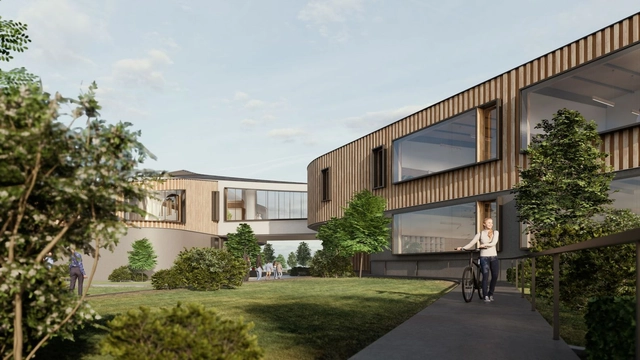
A Pavilion That Unites Upcycling Materials, Automated Manufacturing and Virtual Reality

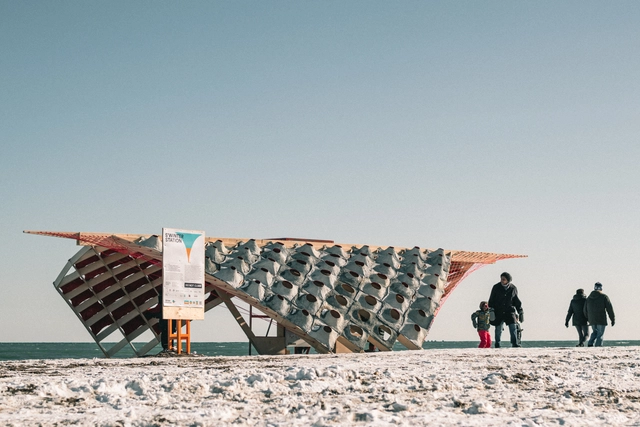
The construction industry has experienced severe changes in recent decades. Historically, it counted on abundant labor and a false notion that natural resources were infinite, but nowadays the sector has struggled to find innovations that will allow it to become more sustainable, especially considering its enormous impact and importance in the world. In addition, the recent Covid-19 pandemic changed several factors and dynamics, demanding creativity from designers to overcome challenges. In some cases, the design process itself became subject to changes. The S'Winter Station project, developed by students and teachers of Ryerson University's Department of Architectural Science, is one of these examples which relied on existing visualization and manufacturing technology for its completion.

The Psychological Effects of Watching Cities Get Destroyed in Cinema

The stage is set in one of the most iconic “end of the world” movie scenes: Citizens of New York City are scrambling on top of taxis, quickly attempting to escape the slow-moving giant tsunami heading their way. In the rear-view mirror of a bus, a giant wave can be seen rushing up the narrow city grid. Searching for higher ground, the main characters, Sam and Laura, run up the famed stairs into the famed New York Public Library, and just as the revolving doors shut behind them, the pressure of the water smashes the windows, and water begins to rise. Without seeing it, we know that New York City and its iconic architecture will soon be destroyed.

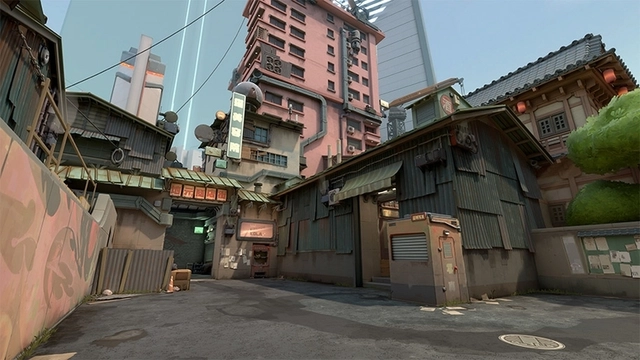
Map design and Built Environments in Video Games: Exploring The World of VALORANT

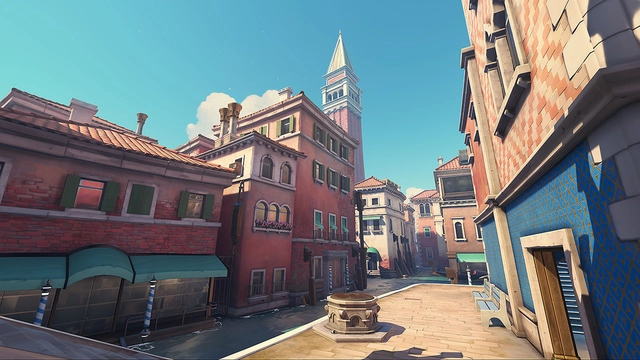
Map design and the significance of built environments continue to be inherently integral to gameplay within the realm of virtual worlds and video games, specifically in the genre of first-person shooters, and Riot Games’ VALORANT is no exception to this. Defying former expectations of its predecessors within the tactical shooter genre, Riot continually endeavors to make fundamental changes to decades of old formulas that have been implemented in practice all these years.

From Digital Collage to Hand Sketches: Find Inspiration for Your Next Architectural Visualizations

With an increasing amount of architectural visualizations being published on social media, it’s easy to get overwhelmed. Adding this to how the famous algorithm works, we end up always being exposed to social media publications that are, in many ways, similar to each other. But for us as architects, designers, and students, social media is not only a platform for networking and sharing our works. It also serves as a source of inspiration. If the algorithm isn’t helping us to discover new and different ideas, then it’s up to us to go out of our way and look for them.

Supercharge Your Design Workflow with Real-Time Rendering

 | Sponsored Content

Architectural renderings are a great way to showcase projects. They provide an impression of what your built environment will look like once completed. Thanks to real-time rendering software, you can now do more than present beautiful images.

An Urban Cube House in Hungary and a Port of Culture in Ukraine: 10 Unbuilt Projects Submitted to ArchDaily

Along with several other imperative factors, the success of an architectural project relies heavily on how it is communicated to its users and builders. Most architects opt for realistic computer generated renders to showcase their projects, while others choose to explore different techniques, translating their architectural narratives through photo collages, sketches, animation, hyper-realistic miniature models, walkthroughs, diagrams, and occasionally, script. 

From Representation to Reality: 19 Projects that Rethink Representation Techniques

Graphics, even before language and writing, were the first means of communication and significance for humanity. Drawing is the act of replacing reality with representation, that is, replacing objects with images encoded in each of the graphic representation systems.

Architecture in Animation: Exploring Hayao Miyazaki’s Fictional Worlds

Writers in film and animation, specifically pertaining to the genre of anime, endeavor to incorporate varied architectural backdrops to assist them in telling their stories, with influences ranging from medieval villages to futuristic metropolises. Architecture as a subject includes a wide array of elements to study, with each architectural era further inferring its context and history through its design alone. However, in film and anime, all of the contexts behind a building’s design can be condensed into a single frame, powerful enough to tell a thousand stories.

How Video Game Architecture is Speaking to You

Video games and virtual worlds are jam-packed with imaginative environments to explore, time periods to peruse, and invented architectural styles to thumb through within every reality we choose to engross ourselves into. With recent advancements in technology, greater than ever are we witnessing the latest PC and console generations harboring the ability to produce life-like settings for players to roam around, get lost, and explore all the nuances the seemingly authentic reality holds.

UNStudio and BIG Invest in Virtual Design Platform SpaceForm

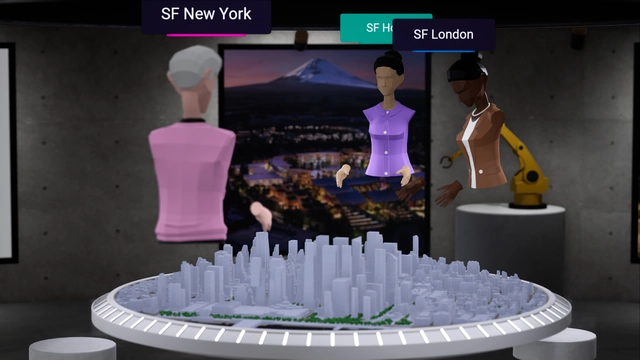
UNStudio and Bjarke Ingels Group have partnered up with Squint/Opera to develop SpaceForm, a virtual, cloud-based platform that facilitates design, review and collaboration processes for architects and developers. The new virtual workspace explicitly developed for the architecture and construction industry aims to fill a gap by creating a viable and sustainable way of collaborating and designing remotely across global teams, thus reducing the need for travel.