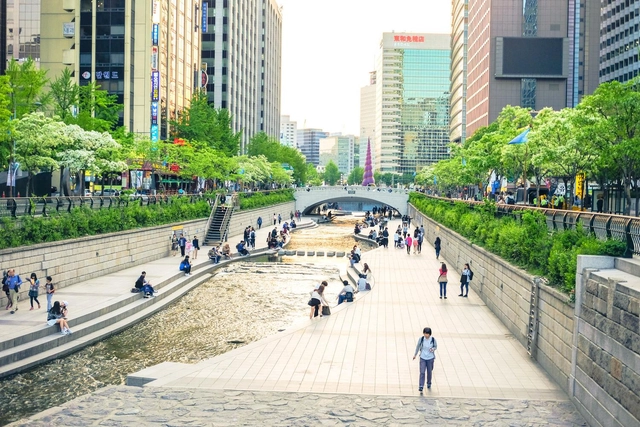
How Cannabis Legalization Has Changed Cities in the United States

The topic of cannabis can be rather taboo in some instances, as countries around the world have differing views on the legalization of marijuana products based on their cultural and religious beliefs. In the United States specifically, it’s been a long contended issue that each state has, for now, been left to decide on how they want to handle. Each year, more and more states (now totaling 18 and the District of Columbia out of 50), have legalized the recreational sale and use of a limited amount of cannabis, but it remains illegal on a federal level.
How Mixed-Use Neighborhoods Can Reduce Crime Rates

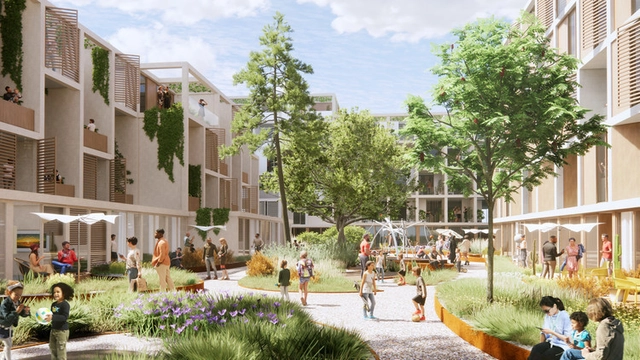
The planning and design of mixed-use neighborhoods and individual mixed-use developments are on the rise. Many of the places we frequent most feature a variety of programs, bringing many of life's daily conveniences to one place. But mixed-use spaces do more than just create a diverse array of experiences in cities- they might also help contribute to lower crime rates.

Built to Not Last: The Japanese Trend of Replacing Homes Every 30 Years

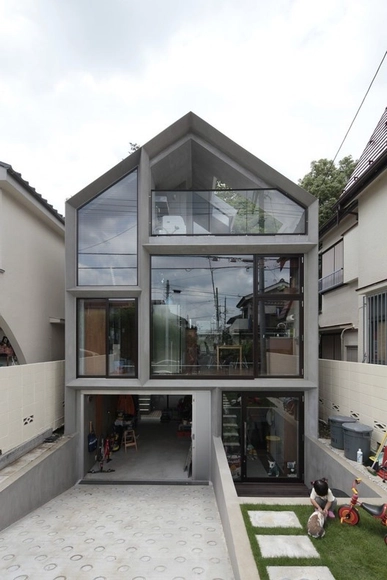
In most countries around the world, value is placed on older buildings. There’s something about the history, originality, and charm of an older home that causes their value to sometimes be higher than newly constructed projects. But in Japan, the opposite is almost always the preference. Newly-built homes are the crux of a housing market where homes are almost never sold and the obsession with razing and rebuilding is as much a cultural thing as it is a safety concern, bringing 30-year-old homes to a valueless market.

Highway Removals: Restoring the Urban Fabric and Unlocking New Development Opportunities

Over the past two decades, urban highways' social and economic ramifications have been brought into focus as a large part of this mid-century infrastructure comes to the end of its lifespan, prompting conversations over its role in contemporary urban planning. Freeway removal entails the replacement of the transport infrastructure with new urban developments, green amenities and alternative street grids to promote a healthier urban environment and smart growth. In some cases, the idea of removing highways is met with concern over the potential increase in traffic and gentrification of the areas adjacent to the road, but the pandemic has further exacerbated the need for quality public spaces and brought once again into question the hegemony of the car. The following highlights various highway removal projects, discussing how these interventions restore the urban fabric, reknit communities and recover urban spaces for city dwellers.