
-
Architects: Studioninedots
- Area: 10400 m²
- Year: 2022
-
Manufacturers: BANDALUX


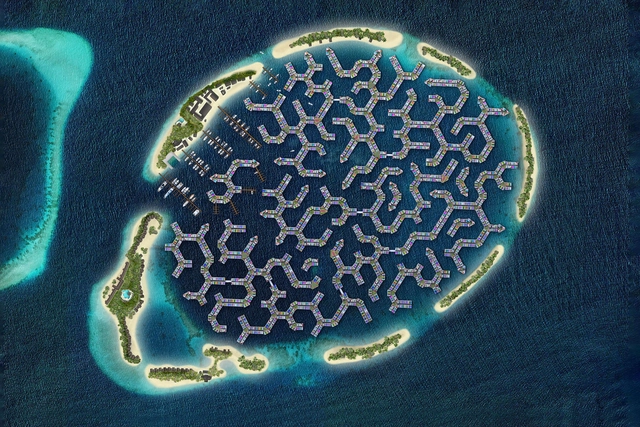
The threat of climate change is looming before us. Sea level rise concerns over 410 million people at risk of losing their livelihoods. Coastal cities are choked with high-rise buildings and traffic-laden roads, consuming land insufficiently. Synthesizing these problems, architects across the world have proposed a potential answer - floating cities. A future of living on water seems like a radical shift from how people live, work, and play. Vernacular precedents prove otherwise, offering inspiration for what our cities could morph into. As world leaders discuss courses of action to tackle climate change at the COP27 climate summit in Egypt, ArchDaily dives into the concept of radical water-based settlements.
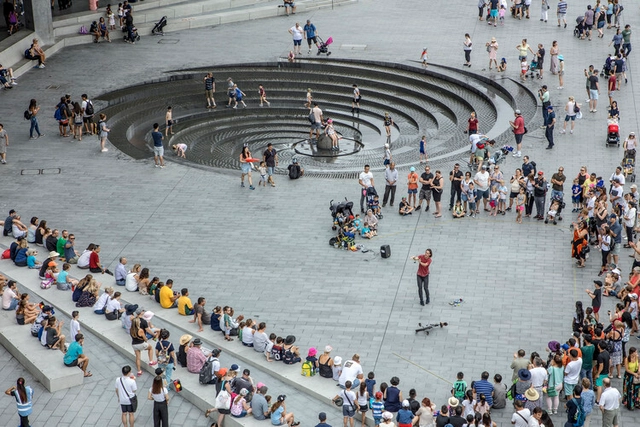
In recent years, the term “co-creation,” a buzzword in the business and management sector, has made its way into the architecture and urban planning discourse. The term is used to define a large concept that describes working intentionally with others to create something jointly. But architecture is already the result of a collaboration between multiple actors, architects, clients, investors, developers, and local administration, to name a few. Can the term still apply to this field, can it bring forth new forms of knowledge, and does it differ from the concept of participatory design?
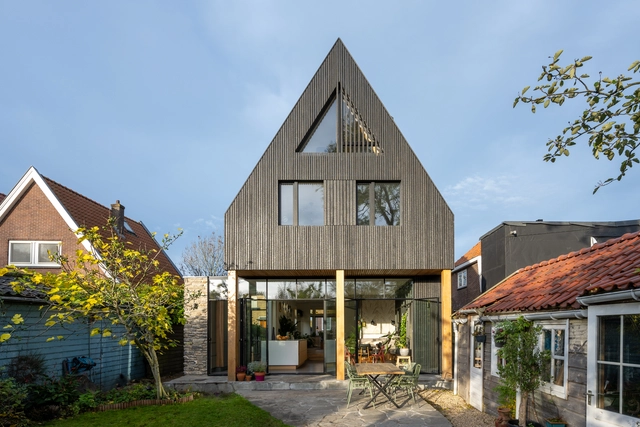
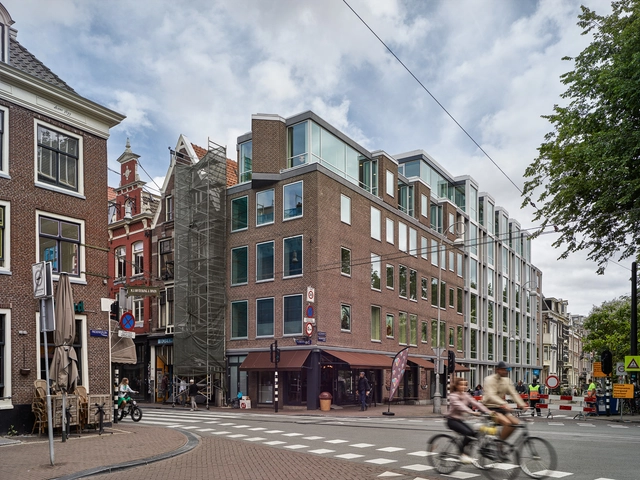

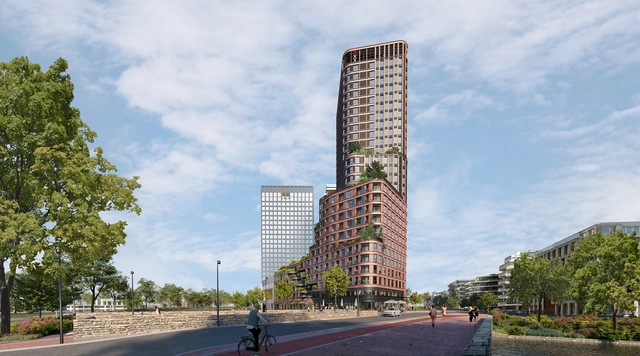
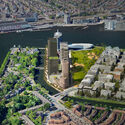
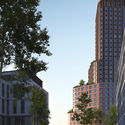
Brink Tower by Mecanoo was just granted planning permission and construction works are planned for mid-October 2022. Located in Amsterdam, the Netherlands, the 90-meter-high building, developed by Xior Student Housing and DubbeLL – winners of the competition for this tower together with Mecanoo Architecten in 2020- will offer a mixed program, including spaces to live, work, and relax in a healthy environment. The residential tower is set to create an" energy-positive, green, and inclusive neighborhood" and contribute to the development of Overhoeks in North Amsterdam.


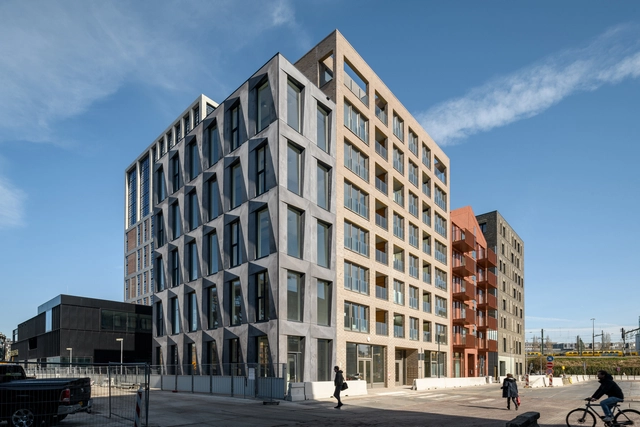
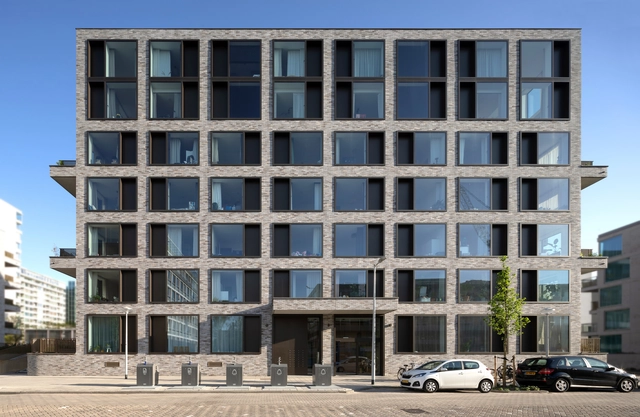
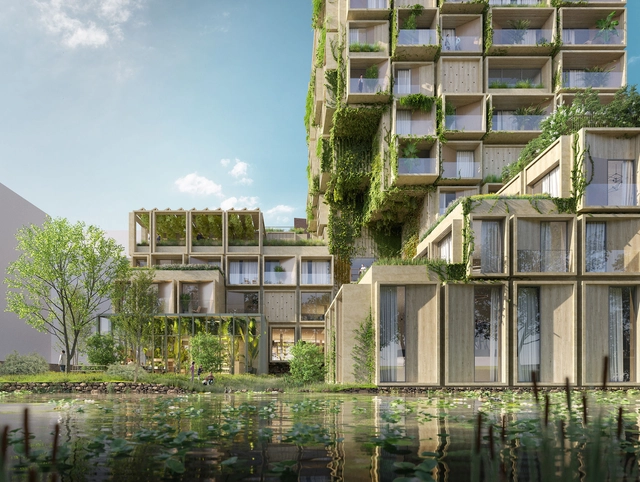
The new apartment complex designed by Venhoeven CS and DS Landschapsarchitecten is characterized by the intention to stimulate biodiversity. Located on a four-acre plot in the Sluisbuurt on the Zeeburgereiland in Amsterdam, the complex will include 82 homes, a parking garage, and spaces for shops and businesses. The nature-inclusive project pays special attention to the design of green roofs, terraces, and facades to create micro-environments for local flora and fauna and to optimize energy consumption.