Generating Water from Air Humidity to face Global Drought

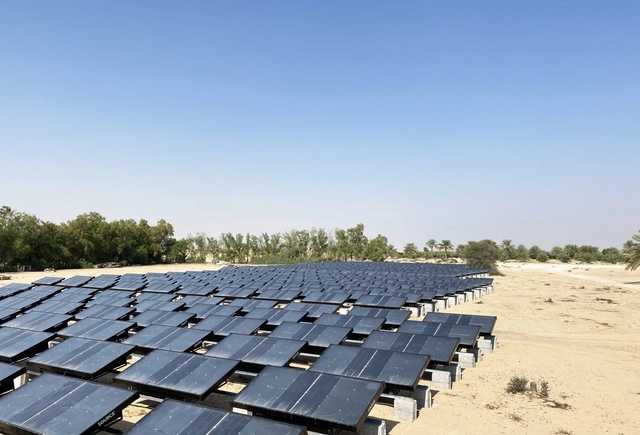
As the climate crisis continues to unfold, professionals in architecture, engineering, and sustainable design have relentlessly searched for new ways to mitigate the negative effects of modern industrial production. One group of such innovators, Zero Mass Water, have contributed to this effort through their creation of ‘the world’s first and only hydropanel’ - an apparatus called SOURCE.

4 Films Where Climate Change Affects Cities and Landscapes

Architecture enjoys a close connection with moving picture, perhaps because of the limitless imagination it allows. Our mind can be taken far away to utopian worlds where we live different realities with our eyes and skin; movies can carry us to new and distant places, where we face new unusual realities.

Art and Architecture: 6 Installations Responding to the Climate Crisis

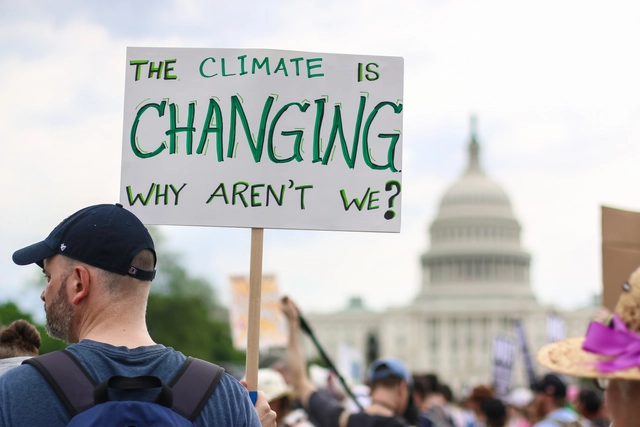
Studying the data that indicates a climate crisis that has been affecting the whole planet for the last decades, the reactionary attitudes may sound disappointing. However, at the same time that the news indicates a global average temperature rise, the political focus on the climate crisis is also intensified, according to the UN Environment report released in 2019, which is a reflection not only of the occurrence of manifestations and protests around the world but also of the so-called activist art expression.

The Powerful New Architecture of Clean Energy

Energy infrastructure has historically been met with a “Not in My Back Yard” response from policymakers and the public alike. Aside from the clear human health implications of coal plants and natural gas stations, the architecture of energy infrastructure has traditionally been driven by raw economy and feasibility, with isolated locations creating little need for architectural beauty. However, modern ideological and urban shifts are powering a new approach. 

Facing the Climate Crisis: 5 Projects with Innovative Solutions

For decades, scientists have been warning us about global warming, and the consequences of human actions on the planet in the form of environmental disasters. The construction sector is today one of the major contributors to global warming and the climate crisis. According to data of the United Nations (UN), currently, 36% of the global energy is dedicated to buildings and 8% of all pollutant emissions are caused by the production of concrete alone.

Iñaki Alday on the Climate Crisis: The Planet is "At the Limit of Collapse"

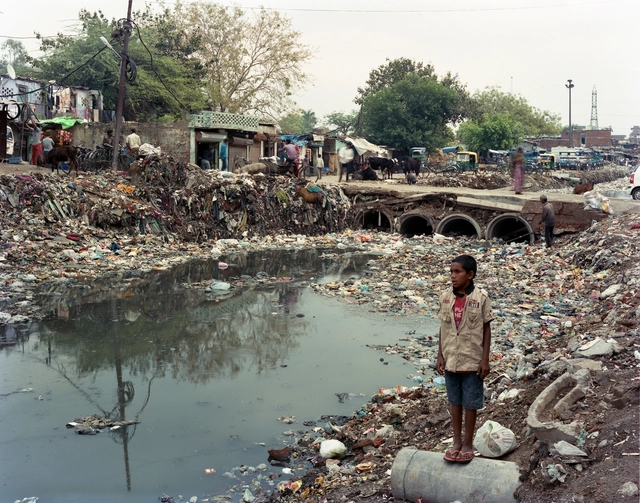
Iñaki Alday is the current dean of the School of Architecture of Tulane (New Orleans). Founder of Alday Jover arquitectura y paisaje, he also offers advice to the United Nations as an expert on the urban planning of rivers and deltas. In this context, he is a noted co-founder of the ‘Yamuna River Project’, a university research project for the recovery of the Yamuna River in New Delhi - one of the most polluted in the world.

Below, we talk with Iñaki Alday about innovations in cities related to the climate emergency, with questions that approach the urgency of research and how universities should prepare students to face the global challenge.

Should Cities Make Public Transport Free?

Around the world, cities are the “ground zero” of inequality and unsustainability. The two largest cities in the United States, New York City and Los Angeles, are also the two most unequal cities, and one-third of the United Kingdom’s poorest 10% of families live in London. Meanwhile, two-thirds of the world’s energy and 70% of global carbon emissions are attributed to cities. This leads to the question of how the evolution of public policy, and urban design, can strategically combat these two growing issues. Around the world, cities are looking to mobility as part of the solution, and in particular, asking a simple question: what if public transport was free?

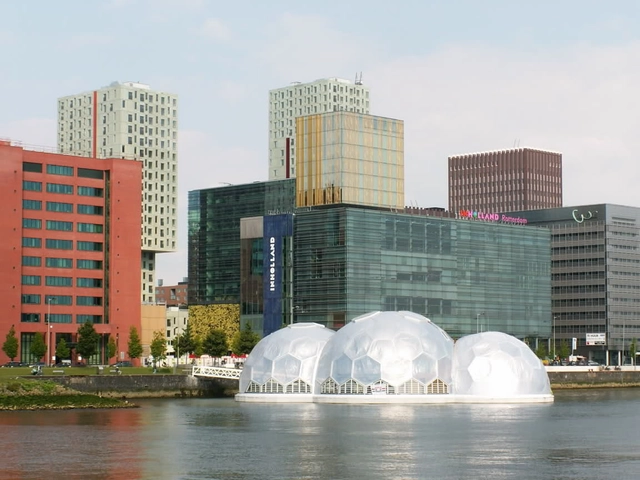
How Cities are Using Architecture to Combat Flooding

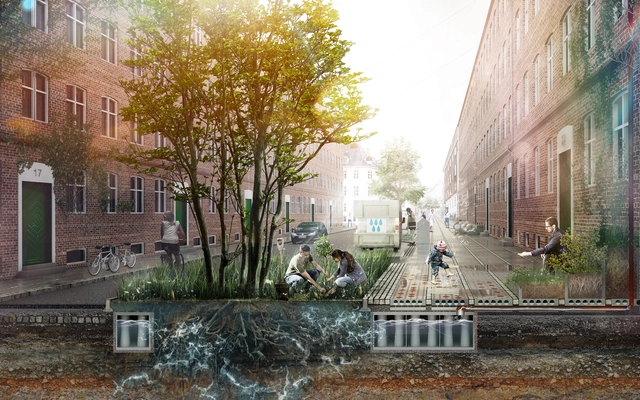
Forty percent of the human population lives within 100 kilometers of a coastline, with one in ten living under ten meters above sea level. As climate change induces more volatile flooding events and long-term sea level rises, it is estimated that coastal flooding could cause as much as $1 trillion of damage per year by 2050. We cannot escape the reality that cities, and their populations, are more vulnerable to flooding than ever.

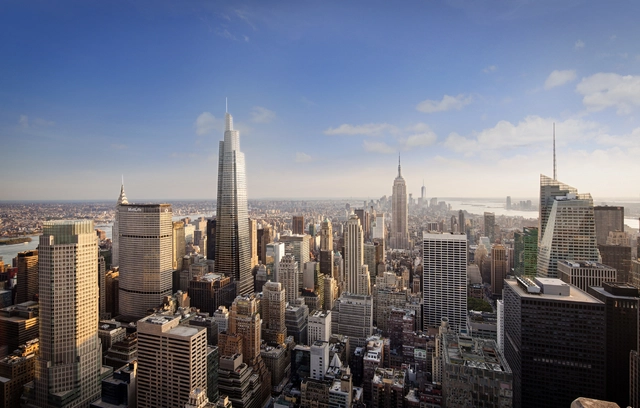
De Blasio's Glass Skyscraper Ban: What Alternative Materials Could Take its Place?

Last April, Mayor Bill de Blasio of New York announced plans to introduce a bill that would ban the construction of new all-glass buildings. Part of a larger effort to reduce citywide greenhouse emissions by 30 percent, other initiatives included using clean energy to power city operations, mandatory organics recycling, and reducing single-use plastic and processed meat purchases. The announcement came on the heels of the city council passing the Climate Mobilization Act, a sweeping response to the Paris Climate Agreement that included required green roofs on new constructions and emissions reductions on existing buildings.

How Architecture Responded to Climate Change in 2019

Throughout the last 12 months, the architectural community has responded in various ways to the Climate Emergency. From innovative proposals that tackle the sustainable design of healthy cities, to collective political action and lobbying, 2019 saw a continued mobilization of ideas, opinions, and actions on how architecture can be used as a tool to help the planet.

Architecture and the Death of Carbon Modernity

Log 47 reconceives architecture’s role in climate change away from sustainability and solutionism and toward its formal complicity and potential agency in addressing the crisis. In this excerpt from her introductory essay, guest editor Elisa Iturbe defines carbon form as a necessary new way of understanding architecture and urbanism in order to develop a new disciplinary paradigm.