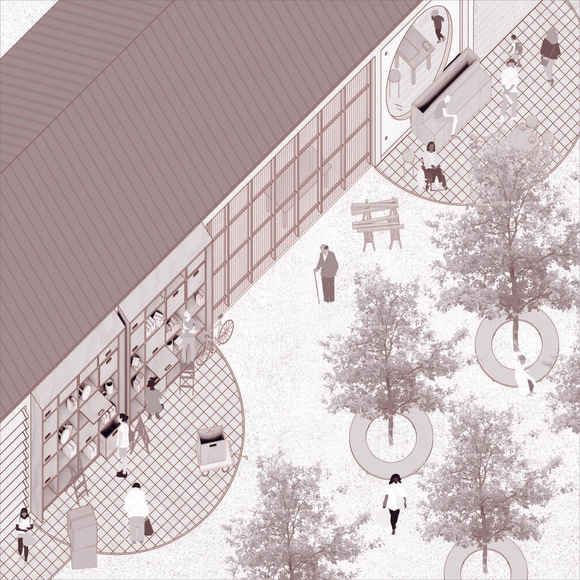
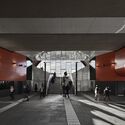
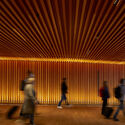
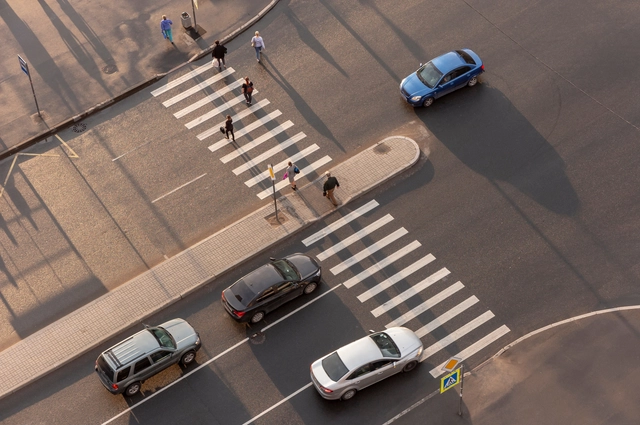
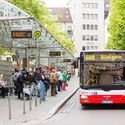
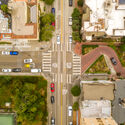
Contemporary cities are vibrant, complex, and constantly evolving. Above all, they are ever-changing, mutable, and diverse. What transformative changes are occurring, and where are they leading us? Urbanization continues to gain momentum in many regions of the world, generating visible and structural transformations. As this unfolds, data on the evolution of its configuration and the challenges we encounter begin to emerge. According to the World Bank, the urban population will continue to trend upward, with 90% of new urban residents concentrated in Africa and Asia. This growth raises essential questions: How can we consolidate a design approach that ensures equitable access to spaces, resources, and services? How can we make emerging and consolidated metropolises more inclusive and accessible?
https://www.archdaily.com/1028012/designing-inclusive-cities-the-role-of-universal-design-in-creating-accessible-urban-atmospheresEnrique Tovar
Spain boasts a vast diversity of natural and urban landscapes, where public space plays a leading role. Its relevance has grown in recent years, solidifying it as a key axis for interaction. Beyond its architectural and landscape qualities, public space offers visitors and citizens high-quality environments that contribute to improving living conditions, whether, in an urban park, a pedestrian axis within the city, or a space simply meant for being in a natural setting and connecting with the territory.
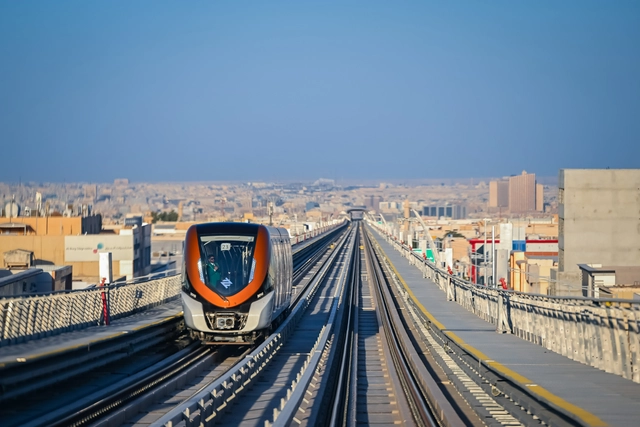
The Royal Commission for Riyadh City (RCRC) has confirmed that the Orange Line of the Riyadh Metro, also known as the Al Madinah Al Munawwarah Axis, began operations on Sunday, January 5, 2025. Spanning 41 kilometers, the Orange Line runs east to west, connecting Jeddah Road in the west to the Second Eastern Ring Road near Khashm Al Aan in the east in Saudi Arabia. This newly operational line is a key component of the city's metro system, designed to enhance urban mobility and connectivity.
The world certainly looks different through the eyes of a young child; enormous, intriguing, and somewhat overwhelming, and it has long been believed that what we encounter as children shapes our perspective of the world. When asked about his childhood memories in Switzerland, Peter Zumthor shared that the memories of his youth contain the deepest architectural experience, which has become reservoirs of the architectural atmospheres and images that he explores in his work as an architect today.
Having a complete understanding of how children change and grow physically and psychologically throughout their childhood requires an in-depth observation of different factors, such as their hereditary traits and genetics, the interactions they have with other children and adults, as well as the environment they are living, playing, and learning in. In celebration of World Children's Day on November 20th, we look at how architects and designers stimulated children's autonomy and promoted their mental and physical well-being through architecture and interior design. This initiative aligns with the theme of World Architecture Day 2024: "Mobilizing the Next Generation for Urban Transformation," emphasizing the crucial role that thoughtful design plays in shaping a sustainable and inclusive future for our cities and the communities within them.
Nowadays, diversity and inclusion stand as fundamental pillars in the design of spaces, guiding the creation of structures that adapt to the needs of all individuals. This comprehensive approach addresses the functionality of buildings aiming to transform every aspect of design, promoting accessibility from scratch. A key milestone in this matter was the establishment of legislation such as the Americans with Disabilities Act (ADA) in the US. This document established a legal framework to prohibit discrimination against people with disabilities and set a precedent for promoting the design of public spaces and services that are accessible to all.
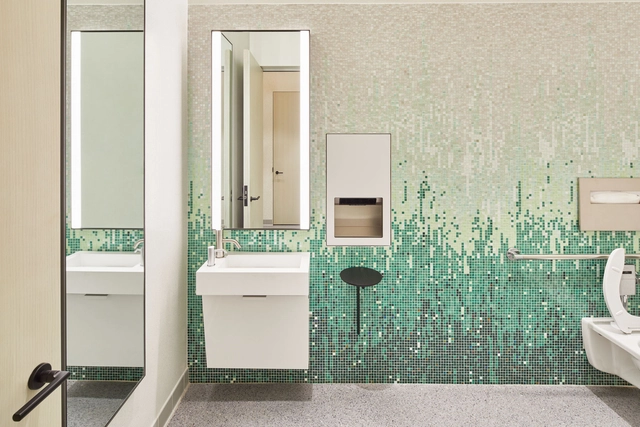
While it is undeniable that these advances have marked a turning point in the accessibility of the built environment, historically, these codes have led to the predominant aesthetics of accessible restrooms being based on conformity. This focus has gradually moved away from design, resulting in aesthetically limited proposals. Although compliance is not questioned, this situation has generated a need for new visions that can transform the aesthetics of bathrooms while adhering to these regulations. The growing need for accessible facilities has led to the development of innovative concepts, such as the Superloo cubicles. This self-contained facility maximizes usable space while highlighting the trend of merging functionality and inclusivity in an aesthetically pleasing environment.
https://www.archdaily.com/1021626/style-meets-accessibility-cutting-edge-restroom-solutions-for-everyoneEnrique Tovar
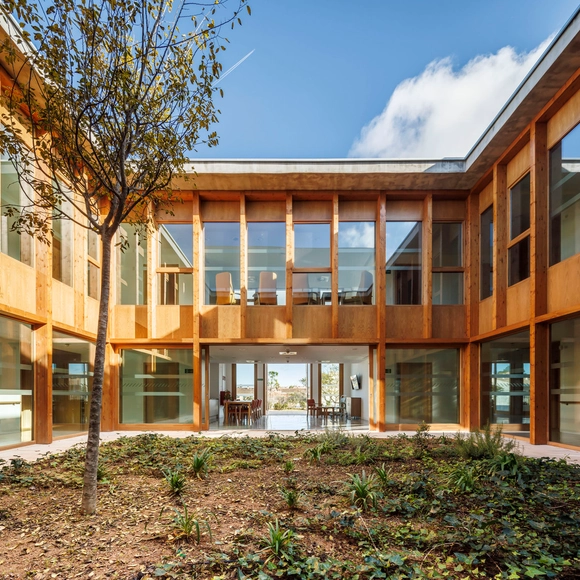
Faced with the aging of the global population, one of the most significant social transformations of the 21st century is anticipated. The design of patios, gardens, terraces, and other green areas in facilities for the elderly presents an opportunity to foster interaction, participation in various collective activities, and the establishment of gathering spaces aimed at reducing loneliness among older adults while enhancing well-being and social interaction in connection with nature. How can built environments be created to adapt to the needs of older adults?
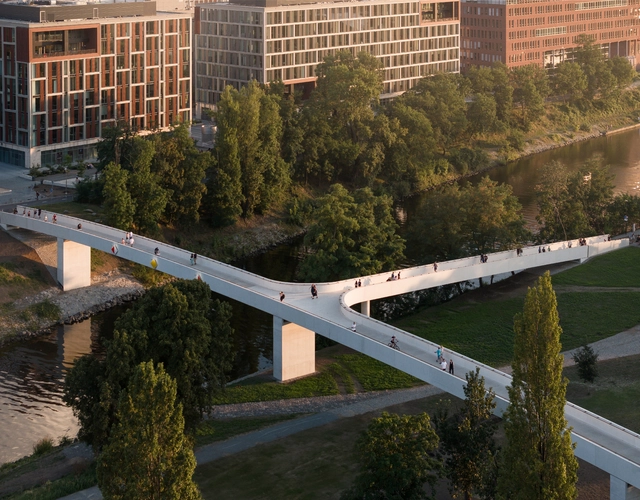
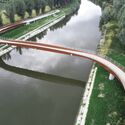
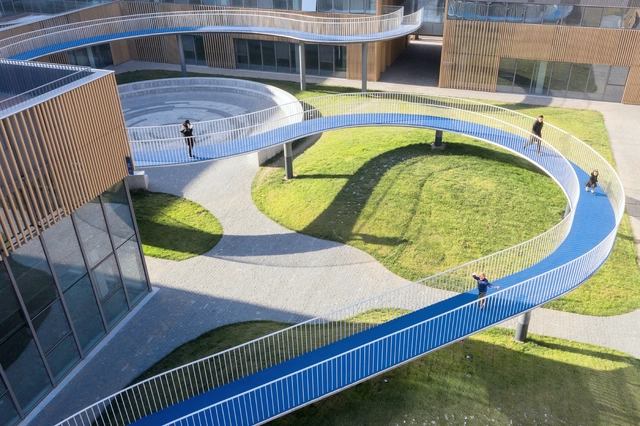
There is growing awareness of the importance of developing pedestrian infrastructure. Bridges and elevated structures enhance the quality of cities by connecting spaces and reducing distances. Their use benefits pedestrians and the thousands of cyclists seeking a more sustainable mode of transportation.
Pedestrian infrastructures, such as bridges, walkways, and widened sidewalks, not only promote sustainable mobility but also contribute to the revitalization of urban areas. Their design can transform underused spaces into active, safe, and accessible places for everyone, enhancing social cohesion and fostering community. By incorporating elements such as greenery, smart lighting, and urban furniture, these structures become more than just thoroughfares: they transform into meeting points and spaces for social interaction.
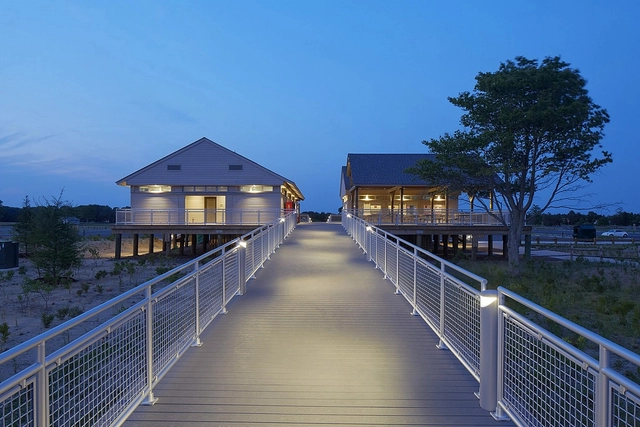
Hammonasset State Park . Image Courtesy of Hollaender Manufacturing Co – Cincinnati, OH
Regardless of the region, parks and public spaces offer a refreshing escape from bustling urban environments, providing a momentary pause from the fast pace of life. Designed for collective benefit, they serve as dynamic ecosystems where recreation and relaxation seamlessly integrate into the visitor experience. But what is the challenge in designing these spaces? Being perceptive enough to find the balance that meets diverse demands while ensuring accessibility, comfort, and safety. As Austrian-American architect Richard Neutra once said, "If you have to design for people, you have to observe them, understand them, and sympathize with them."
Within these environments, the dynamics within the 'interior' are particularly intriguing. Various activities unfold, and users exhibit diverse characteristics. Given the scale or dense vegetation of these spaces, winding paths and slopes are often used to connect different areas, creating complex routes. In this context, railing systems enhance continuity and provide guidance and safety along the intricate paths. Railings direct movement flow, ensuring users navigate the space comfortably, thereby significantly enriching their overall interaction with the built environment. This influence also shapes how these design elements affect the overall outdoor experience, which we will explore further.
https://www.archdaily.com/1021048/how-do-railings-elevate-landscape-designEnrique Tovar
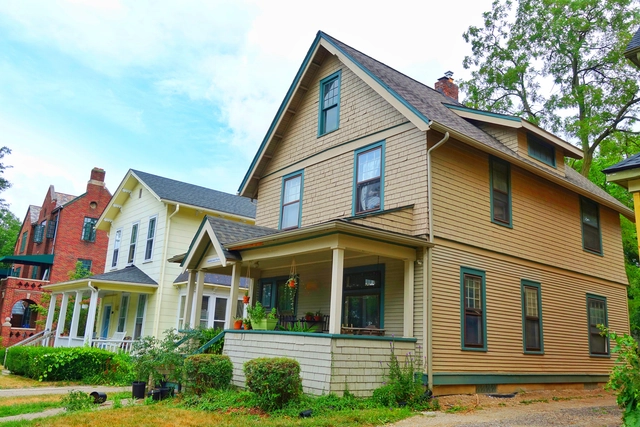
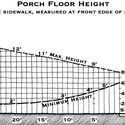
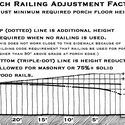
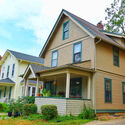
I was inspired to write this essay by a fascinating post on the social dynamic of porches by Patrick Deneen entitled A Republic of Front Porches. Sustainable places must be acccessible by a variety of means, especially walking. Neighborhoods where people walk to numerous destinations are more likely to be securable, because people tend to know more of their neighbors and therefore are likelier to know when a stranger is in the area. Walkability is essential to a serviceable place, because people won’t walk to those services as often if the pedestrian experience is bad. So walking is a fundamental aspect of a place’s sustainability. Porches can serve a crucial role in the walkability of residential streets in a neighborhood, and therefore in the ultimate sustainability of the neighborhood.
When addressing accessibility in architecture, codes set the baseline, while design defines the ceiling. Although numerous guidelines exist, creating spaces for everyone goes beyond mere adherence to standards. It requires a deep understanding of the environment and a broad perspective, recognizing that what we design will be used by people with diverse bodies, abilities, and conditions far beyond those traditionally considered typical users.
Furthermore, designing environments poses the challenge of inclusivity, ensuring that individuals who do not fit the standard profile—such as people with disabilities, pregnant women, those using assistive devices, and individuals of varying ages, body types, etc—are not excluded. The principles of Universal Design, established in 1997 by the NC State University College of Design and led by Ronald L. Mace, offer a transformative perspective in this context. This approach influences various design fields, including the built environment, products, and communications. When applied to architecture, it fosters the creation of spaces that work for everyone, minimizing the need for adaptations or specialized design.
https://www.archdaily.com/1019661/how-do-the-7-principles-of-universal-design-help-us-create-better-architectureEnrique Tovar
In commemorating World Autism Day, it is crucial to acknowledge the impact of design on the lives of individuals with disabilities. Whether it’s the Autism Garden in Iran by Hajm.e.Sabz, the Sycamore at Northgate Park Hospital in the United Kingdom, or the Home for The Homeless, each of these projects celebrates diverse needs and seeks to foster a sense of belonging and empowerment for all.
Courtesy of Hollaender Manufacturing Co – Cincinnati, OH
Architectural design is a discipline that spans a wide range of scales, from macro scales involving the design of master plans or large urban complexes to micro scales, where it focuses on specific elements such as fixtures and fittings. Regardless of scale, careful attention to the design of each component of the built environment plays a critical role in how people experience architecture.
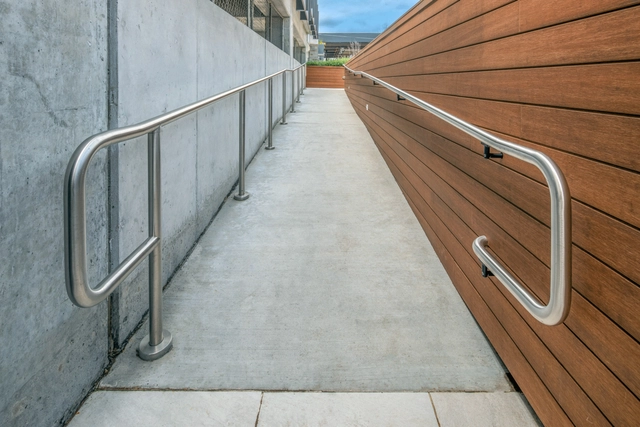
At the architectural micro-scale, railings and handrails play specific roles but are often confusing. While railings are designed to enclose spaces and prevent falls, handrails function as support elements, offering orientation and stability to avoid accidents and injuries. It is in the latter aspect that a stronger connection to accessibility becomes evident. For this reason, it is essential to have handrails, wall railings, and assist railings that meet ADA standards, such as those developed by Hollaender Manufacturing Co. These elements adapt to various design conditions, facilitating the movement of individuals who may encounter barriers in the physical environment.
https://www.archdaily.com/1010525/handrails-and-accessibility-101-ensuring-safe-usage-in-architectural-projectsEnrique Tovar
The influence of design on our physical and mental health has been largely explored in various contexts, ranging from spatial configuration to furniture. The topic has gained notoriety due to the growing awareness of human well-being, especially in recent times. An example of this bond between design and health is the emergence of concepts such as Neuroarchitecture, which seeks to understand the built environment’s potential in our brain. Another case that illustrates this approach, this time in furniture design, is the Paimio Sanatorium, where Alvar Aalto designed the tuberculosis sanatorium and all its furnishings. The chair created for the patient’s lounge —the Paimio Chair— facilitated their breathing due to its shape and the inclination of the backrest.
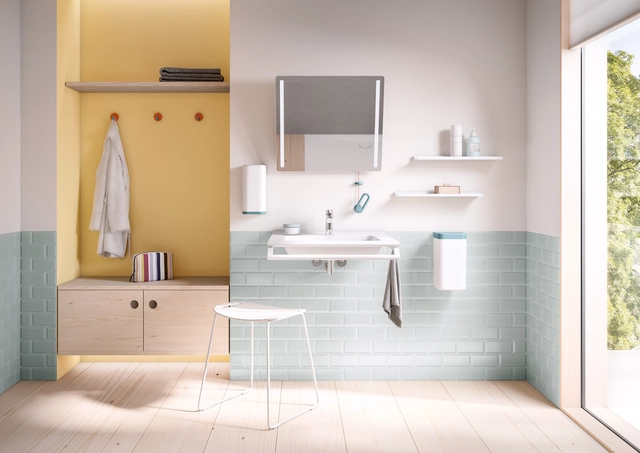
These approaches are examples of how design can be applied in a specific way to enhance people's well-being through gestures like spatial organization, color and shapes, thereby promoting architecture that contributes to health, care, and recovery, In this context, and as a result of explorations in this field, HEWI has developed ICONIC, infusing emotionally appealing color concepts for its design icon, the 477/801 barrier-free sanitary range. An essential element of this range's design was the concept of "healing architecture" within healthcareand daycare buildings and its influence on not just the physical and mental well-being of patients but also the welfare of other users, such as relatives and staff.
https://www.archdaily.com/1012377/healing-architecture-for-care-and-recovery-iconic-design-with-colorful-conceptsEnrique Tovar
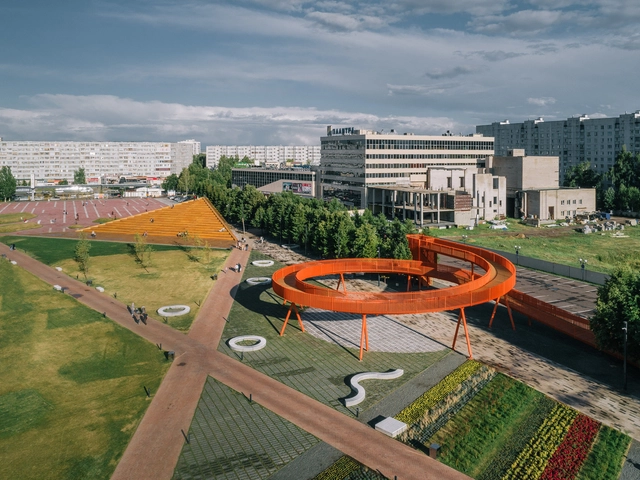
Decolonizing Suburbia. Image Courtesy of Centro de Arquitectura
One of the most important challenges in architecture, when it comes to creating spaces that work for everyone, is the diversity that exists in people, their needs, and how to integrate them into a design. Disabilities are more than a condition; they are a way of living according to human diversity that requires architectural solutions of equivalent multiplicity.
According to data from the World Bank, it is estimated that 1 billion people –equivalent to 15% of the world's population– live with some type of disability. In the future, this percentage could increase considerably, given the global trend of aging populations. To face this growing challenge, architecture will have to adapt quickly, due to the role that built environments have in constituting a barrier or a path for the inclusion of people with different types of disabilities, seniors, as well as diverse groups who make up the human plurality.
https://www.archdaily.com/998667/how-can-buildings-work-for-everyone-the-future-of-inclusivity-and-accessibility-in-architectureEnrique Tovar
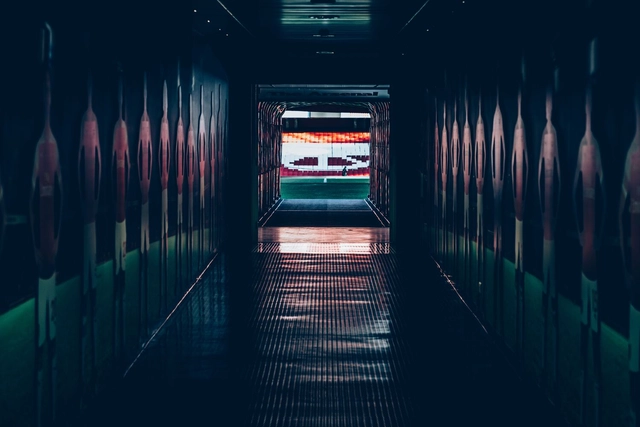
The vomitorium and its purpose is one of historical architecture’s most common misconceptions. It’s said that the vomitorium was a room that neighbored Roman feasts, where guests could socially eject the contents of their stomach before returning to the feast with renewed capacity. Although this theory was not entirely based on fiction – as Romans are known to have indeed taken up habitual regurgitation, possibly as a sign of excess wealth – there’s no reason to believe there was a specific room dedicated to the practice.
The original usage of the term ‘vomitorium’ – taken from the same Latin root ‘vomere’ – in fact refers to a room that allows a large building to disgorge itself of its contents. A vomitorium, therefore, is nothing more than a corridor. Specifically, a wide, arterial corridor leading to or from a high-capacity public space such as a theatre, arena, or stadium, designed with the intention to get as many people in or out of the venue as quickly as possible. A well-designed vomitorium, for example, is essential for efficient emergency evacuation procedures, but even during day-to-day activity, the ability to move large numbers of people quickly helps with a venue’s turnover and creates a more pleasant crowd experience.
The fabric of our cities is shaped by millions of small decisions and adaptations, many of which have become integral to our experience. Nowadays taken for granted, some of these elements were revolutionary at the time of their implementation. One such element is the curb cut, the small ramp grading down the sidewalk to connect it to the adjoining street, allowing wheelchair users and people with motor disabilities to easily move onto and off the sidewalk. This seemingly small adaptation has proven to be unexpectedly useful for a wider range of people, including parents with strollers, cyclists, delivery workers, etc. Consequently, it lends its name to a wider phenomenon, the “curb cut effect”, where accommodations and improvements made for a minority end up benefiting a much larger population in expected and unexpected ways.







.jpg?1637144526&format=webp&width=640&height=580)


.jpg?1637144526)