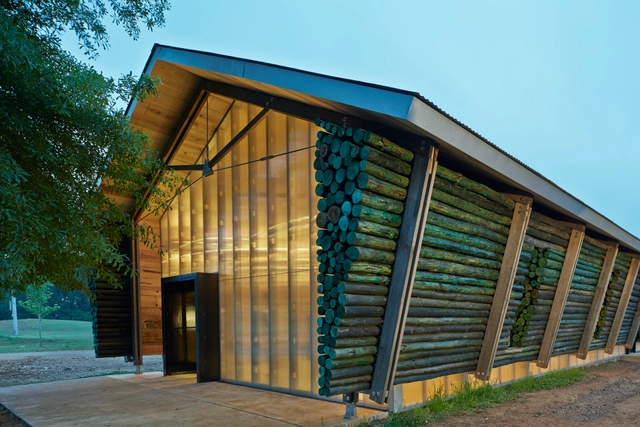
Blur Building. Exposition Pavilion: Swiss Expo, Yverdon-Les-Bains, 2002. Architects: Diller Scofidio + Renfro. Image Courtesy of Diller Scofidio + Renfro
Today, the MacArthur Foundation announced the 23 recipients of their 2016 MacArthur Fellowship Grants, which are awarded annually “to encourage people of outstanding talent to pursue their own creative, intellectual, and professional inclinations.” Each fellowship comes with a stipend of $625,000 for the recipients to use for individual pursuits, paid out in equal quarterly installments over a five year period. Fellows are selected based on 3 criteria: exceptional creativity, promise for important future advances based on a track record of significant accomplishment, and potential for the fellowship to facilitate subsequent creative work.
This year’s fellows include artists, playwrights, geobiologists, poets, jewelrymakers, novelists and historians, but, for the fifth straight year, no architects. In the program’s 36 year history, just 6 recipients have come from architecture-related fields.
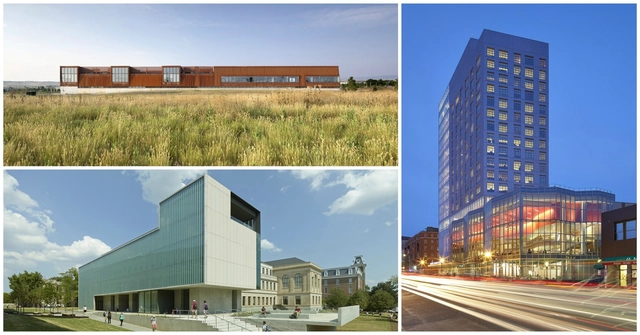
Architect Magazine has unveiled the latest edition of the “Architect 50,” their list of the 50 best architecture firms in the United States. The 2016 rankings are based on scores from three categories: business, design and sustainability; the last of which was calculated using a new methodology this year. Topping the list this year was ZGF Architects, who also were given the distinction of top sustainable firm, while William Rawn Associates and Marlon Blackwell Architects finished number 1 in business and design, respectively.
See the top 10 from each category after the break.
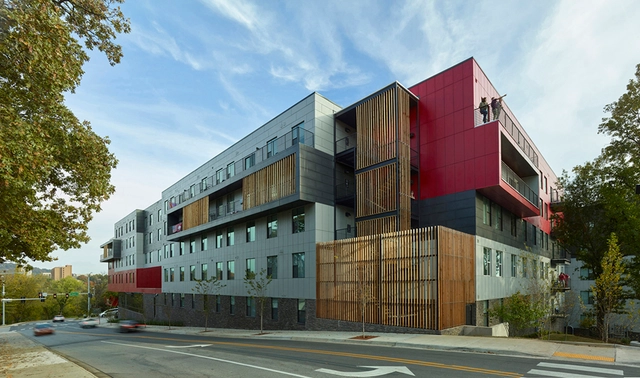
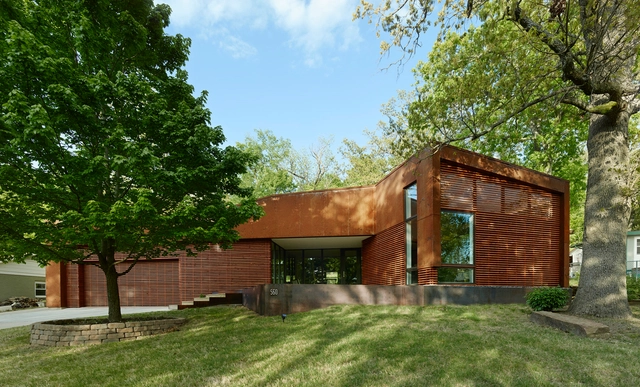
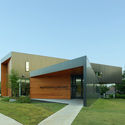
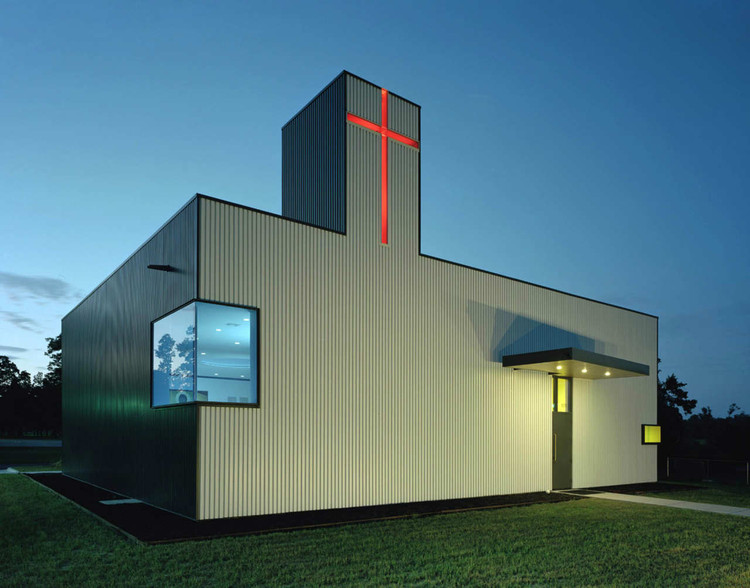
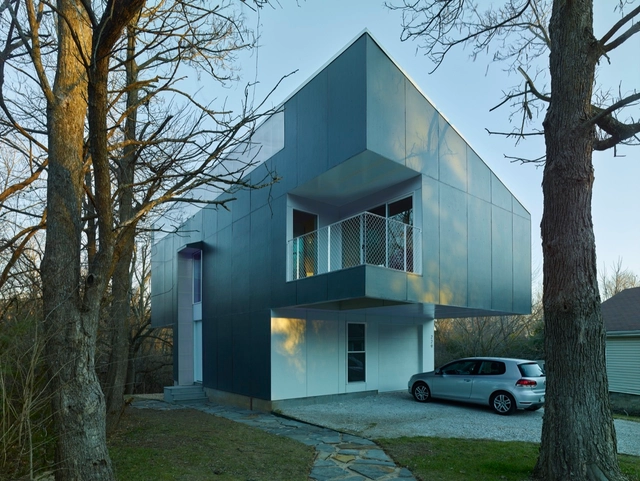
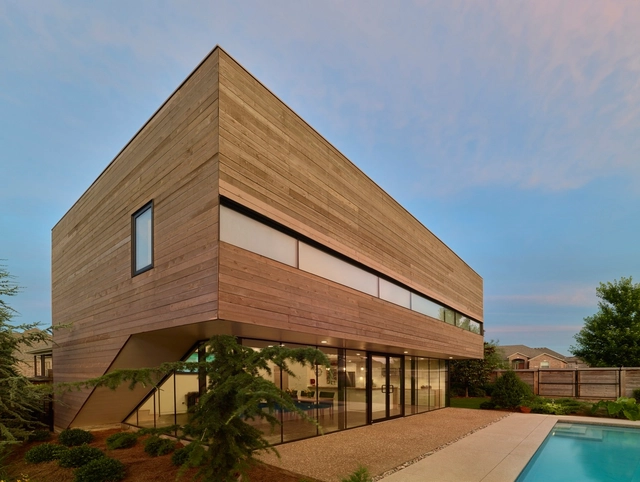
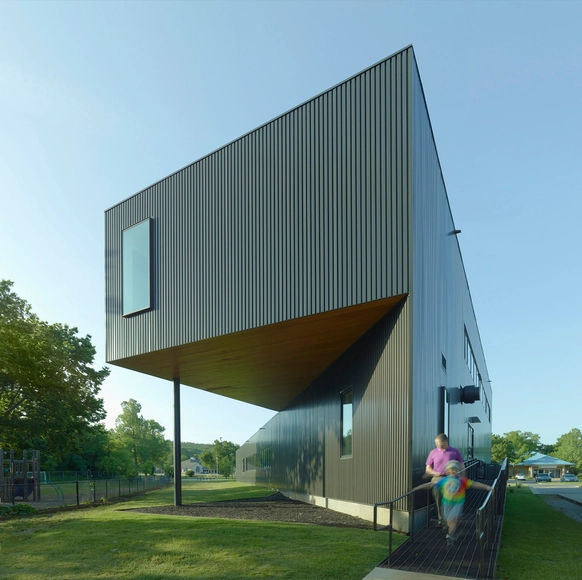
In this video entitled Building Between, Marlon Blackwell advocates for a kind of regionalism which isn’t as divisive as “regionalism.” As a 24-year resident of Arkansas, he recalls his work and process in a place which he states is both “an environment of natural beauty and a place of real constructed ugliness”—showing the nuanced and self-critical awareness of place beyond the utopian glorification of genius loci which earlier this year earned him the 2016 Cooper Hewitt National Design Award in Architecture.
We’ve always been a profession of hackers. Every building is a one-off made up of countless elegant hacks, each bringing disparate materials and systems together into a cohesive whole. But when it comes to the software that designers have come to rely on, most of us have been content with enthusiastic consumerism, eagerly awaiting the next releases from software developers like Autodesk, McNeel (Rhino) and Bentley (MicroStation).
It’s been 5 years since we officially launched our research program at the Yazdani Studio of Cannon Design, and during that period we’ve come to understand the evolution of our process reflects the larger, changing relationship architects have with their means of production. Specifically, we've noticed that in late 2007 something changed. McNeel introduced a visual programming plugin called Grasshopper, and more and more architects began to hack their tools as well as their buildings.
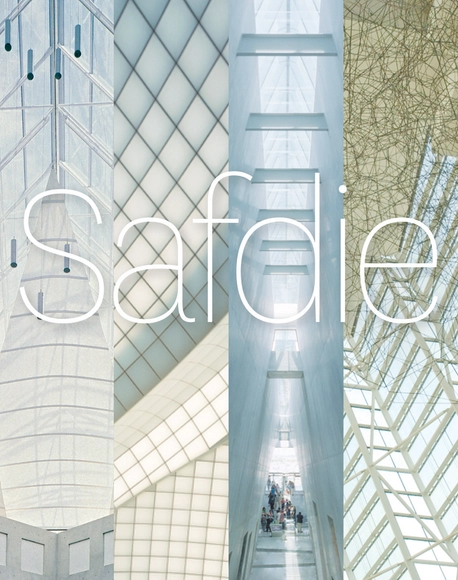
The prolific body of work produced over the last half century by Moshe Safdie and his firm is somewhat anomalous in the pantheon of high-profile living architects. It is unique in both formal and philosophical terms, nostalgically guided by the ethical precepts of bygone modernist theory while working in architectural languages significantly evolved from midcentury standards. In the course of a comprehensive review of his projects, it is perhaps the very lack of an isomorphic personal signature that makes his celebrity so unique. The Safdie “look” is chameleonic, deliberately adapting to culture and context without suffering from the burden of personal branding, unified by theory and a geometric playfulness that transcends architectural language and affect.
Ten projects have been named the top examples of sustainable and ecological design by the AIA and its Committee on the Environment (COTE) for the year 2015. Now in its 19th edition, the COTE Top Ten Awards program recognizes projects that adhere to the highest integration of natural systems and technology to produce spaces that positively impact their surroundings and minimize their environmental footprints.
All of the projects will be honored at the 2015 AIA National Convention and Design Exposition in Atlanta. See this year's top ten sustainable designs, after the break.
The American Institute of Architects (AIA) has revealed six libraries they believe to be the year's best. In collaboration with the American Library Association (ALA), the AIA/ALA Library Building Awards are intended to promote and honor exceptional designs in library architecture. Taking into account the evolving role of the library, these six award recipients are believed to have elevated the institution to one of congregation and community-specific programs.
February 17 is Mardi Gras, or “Fat Tuesday,” traditionally a Catholic holiday that celebrates the last night of indulging in guilty pleasures before participating in the penitential season of Lent. Celebrated around the world with elaborate parties, parades, dancing, and other frivolities, its festivities are most famously celebrated within the United States today in the city of New Orleans, Louisiana, the site of the first American Mardi Gras.
Japanese architectYoshio Taniguchiand English designer Jasper Morrison have been selected to receive the second annual Isamu Noguchi Award. Presented by The Noguchi Museum, the award recognizes “kindred spirits in innovation, global consciousness, and Japanese/American exchange.”
“We are thrilled to present the second annual Isamu Noguchi Award to Jasper Morrison and Yoshio Taniguchi, whose visionary work and extraordinary contributions in the fields of design and architecture exemplify Noguchi’s lifelong commitment to world citizenship and the practice of art with a social purpose,” stated Jenny Dixon, Director of The Noguchi Museum.
Originally published by Metropolis Magazine, this comprehensive analysis by sustainability expert Lance Hosey examines the current disputes within the green building industry, where market leader LEED currently finds competition from the Living Building Challenge, aiming for the "leading edge" of the market, and the Green Globes at the other end of the scale. Arguing for a more holistic understanding of what makes materials sustainable, Hosey examines the role that materials, and material industries such as the timber and chemical industries, can have in directing the aims and principles of these three sustainability rating systems - for better or for worse.


.jpg?1481396257&format=webp&width=230&height=230&crop=true)


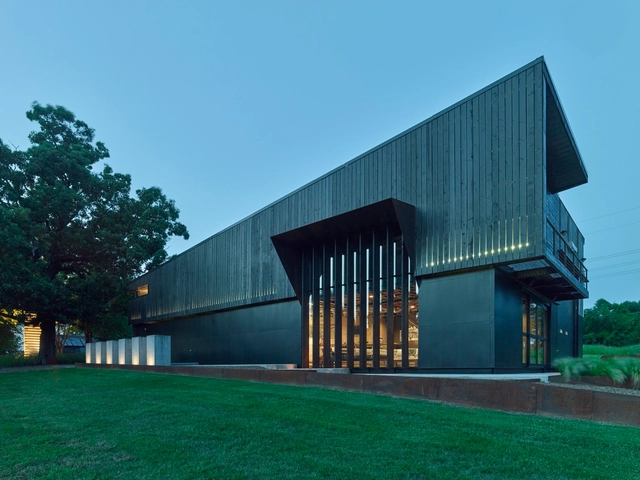



.jpg?1470319449 "Srygley Office Building. Image © Timothy Hursley")













.jpg?1428002512&format=webp&width=640&height=580)


.jpg?1428002512)