Architectural design of a space and the furniture chosen to fill it can work together to define a room's function, set a certain vibe, and make a statement. While an architect or designer may want specific furniture to create a certain look at the time of design completion, versatility is also important over the course of a building's life. Not only do the needs of building programs and inhabitants shift over time, but owners of commercial and public spaces often want the ability to react to both aesthetic and social trends to keep up-to-date.
Square, rectangular, hexagonal, matte, shiny. It's hard to think of a more versatile flooring material than tiles. They're also known for their high durability, ease of maintenance and installation, and are among the most common choices for covering floors and walls, whether wet or not. Following are 10 common questions about ceramic tiles, and their answers:
Concrete, a material commonly used in the construction industry, is made of a binder combined with aggregates (or gravels), water, and certain additives. Its origins reach back as far as Ancient Egypt, when the construction of large structures created the need for a new kind of material: one which was liquid, featured properties of natural stones, could be molded, and communicated a sense of nobility and grandeur.
Architects grapple with some of the world’s most pressing challenges in the twelfth edition of the World Architecture Festival, the world’s biggest architectural awards programme, which announces its shortlist today.
Following the establishment of ‘Architects Declare’ a collective of some of the most renowned practices who have come together to announce a state of climate emergency, this year’s World Architecture Festival shortlisted entries include designs that demonstrate how buildings can play a major role in a more sustainable future.
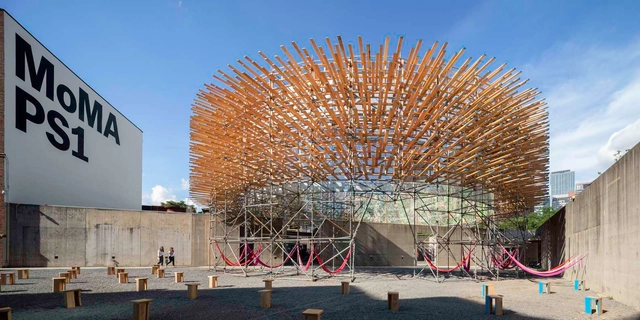
"Hórama Rama" by Pedro & Juana (Ana Paula Ruiz Galindo & Mecky Reuss) has been inaugurated as part of The Museum of Modern Art and MoMAPS1’s 20th annual Young Architects Program. This year’s architectural installation is an immersive junglescape set within a large-scale cyclorama that sits atop MoMAPS1’s courtyard walls. Selected from among five finalists, Hórama Rama will be on view through the summer, serving as a temporary built environment for MoMAPS1’s pioneering outdoor music series Warm Up.
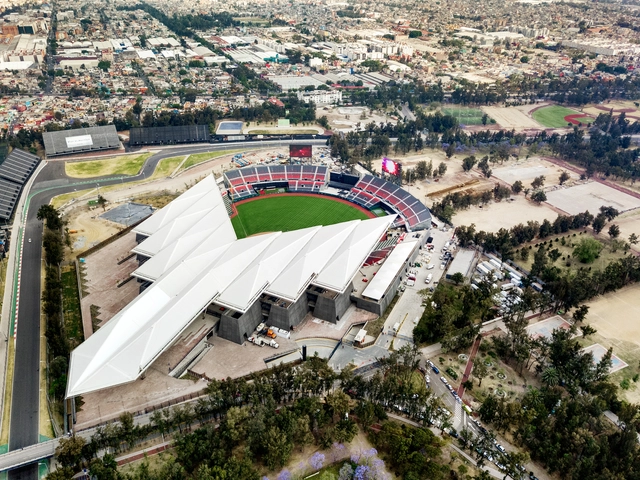
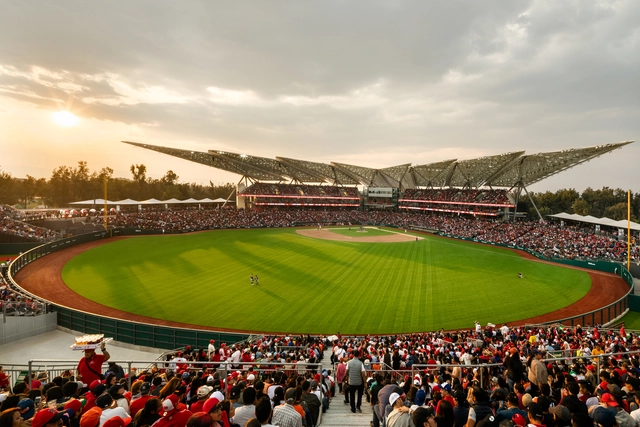
Chicago-based FGP Atelier and Taller ADG have completed the new Diablos Rojos Baseball Stadium in Mexico City. The monumental project was made to be the country's premier baseball stadium. Working with team owner Alfredo Harp Helú, the project's roof takes the form of a devil’s tail to reference the home team’s devilish name.





.jpg?1570684535&format=webp&width=640&height=580)


.jpg?1570684535)








.jpg?1562877364&format=webp&width=230&height=230&crop=true)
.jpg?1562876627&format=webp&width=230&height=230&crop=true)
.jpg?1562876583&format=webp&width=230&height=230&crop=true)
.jpg?1562877102&format=webp&width=230&height=230&crop=true)







_-_copia.jpg?1561757605&format=webp&width=640&height=580)
.jpg?1561757993&format=webp&width=230&height=230&crop=true)
.jpg?1561756655&format=webp&width=230&height=230&crop=true)
.jpg?1561757832&format=webp&width=230&height=230&crop=true)
.jpg?1561755498&format=webp&width=230&height=230&crop=true)
_-_copia.jpg?1561757605)
-20180529.jpg?1561055682&format=webp&width=640&height=580)
-20180529.jpg?1561055809&format=webp&width=230&height=230&crop=true)
-20180529.jpg?1561055783&format=webp&width=230&height=230&crop=true)
-20180529.jpg?1561055888&format=webp&width=230&height=230&crop=true)
-20180529.jpg?1561055834&format=webp&width=230&height=230&crop=true)
-20180529.jpg?1561055682)