

-
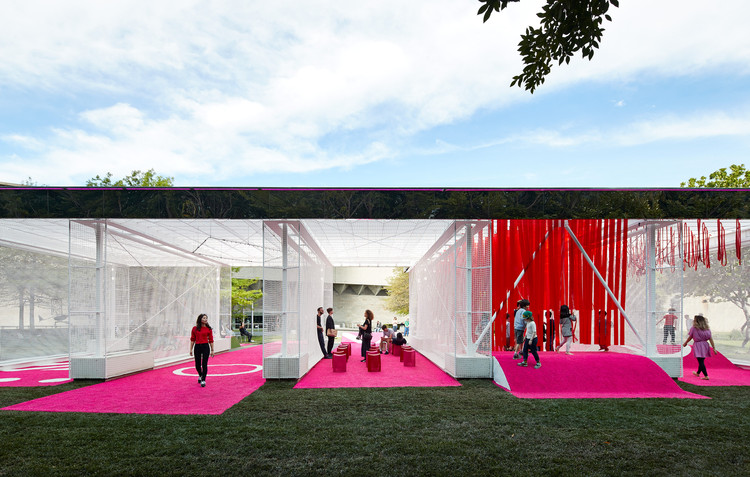
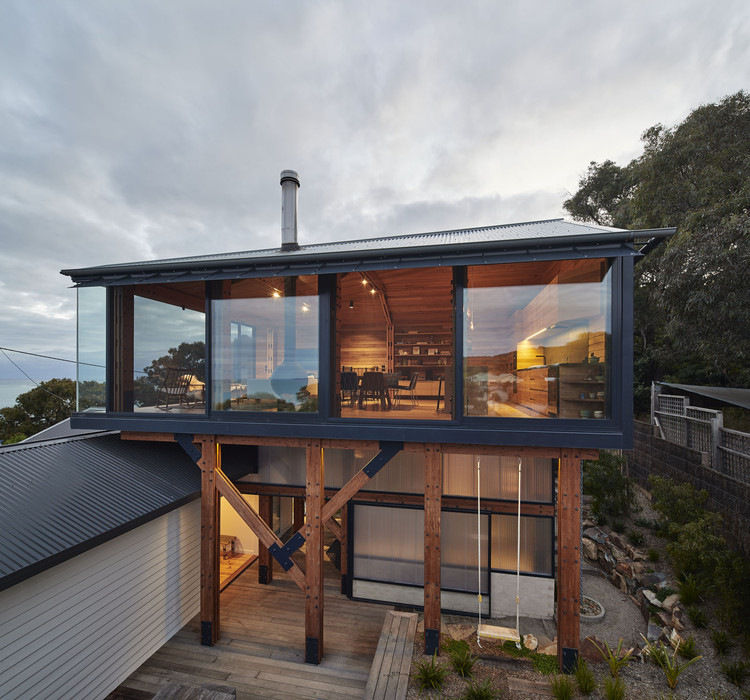
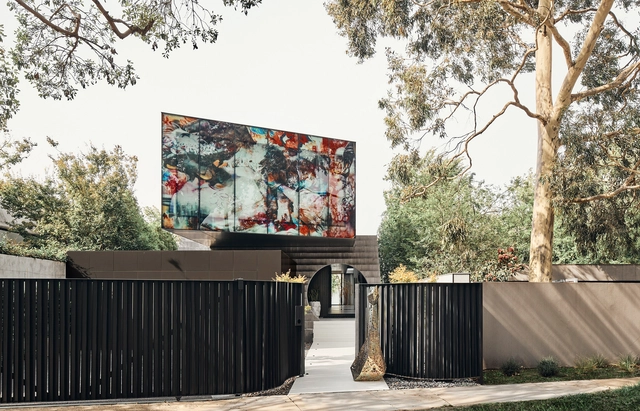
Architects: Kavellaris Urban Design
- Area: 525 m²
- Year: 2020
-
Manufacturers: Sculptform, Connected Living, Digiglass, Lights & tracks, Modcons, +1
-
Professionals: The Goodmen Building Surveyors, Enrate, BPD, O'Neil Group


This article was originally published on Common Edge.
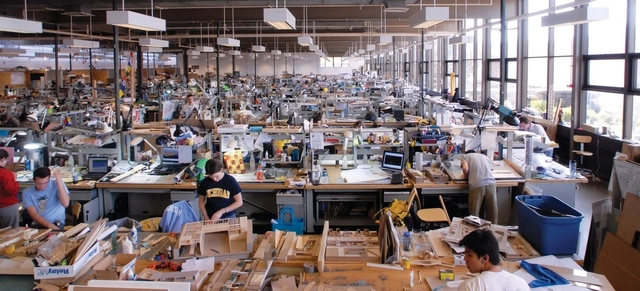
In this week's Common Edge piece, Duo Dickinson explores his personal journey from teaching to practice to teaching again, and the differences he perceived. Stating that "no one today believes that school can fully prepare students for what architecture will become in 10 years", the author explains how architectural education has been evolving and questions what could be the best ways to ensure that education remains relevant.


_Woods_Bagot.jpg?1527649361&format=webp&width=640&height=580)
Woods Bagot have announced that they will be leading a redesign effort for the abandoned Hongqi Zhen Sugar Factory in Zhuhai’s Jinwan District. Due to be completed in three phases over the next ten years, their master plan for the almost 80,000 square meter site includes designs that will revitalize the area and transform it into an integrated tourism, cultural and leisure park.
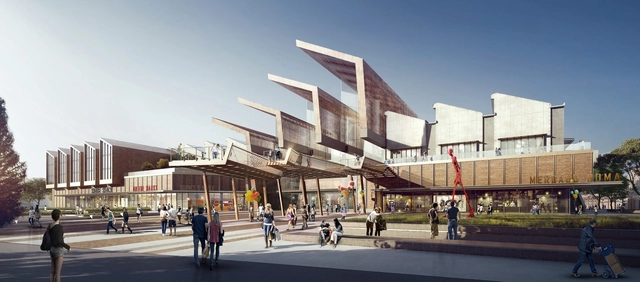
Fosun Group hired Woods Bagot to transform commercial planning of Dahua, an 82-year-old historic textile mill, into China’s next retail and entertainment district. Located in Xi’an’s urban center, the site sits next to Daming Palace, the Tang Dynasty’s royal residence and a national heritage site which attracts thousands of tourists each year.
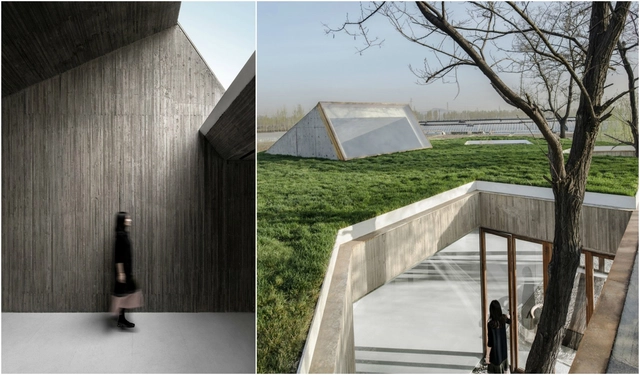
North light, south light, warm light and cool light – the diversity of skylights mean they can illuminate any space. Both a window and a ceiling, the hybrid nature of a skylight enables it to be a key element used in architectural spaces. The cool light of a north skylight is instrumental in creating a space to focus and work, while its south-facing counterpart lights up a space with that golden glow. Through its flexibility also come opportunities for expression, from its shape to its angle. Is a skylight a ribbon weaving through a roof panel? Or is it a series of dotted openings creating a mosaic of daylight on the floor? Check out these 16 examples of contemporary spaces lit by this key element below:
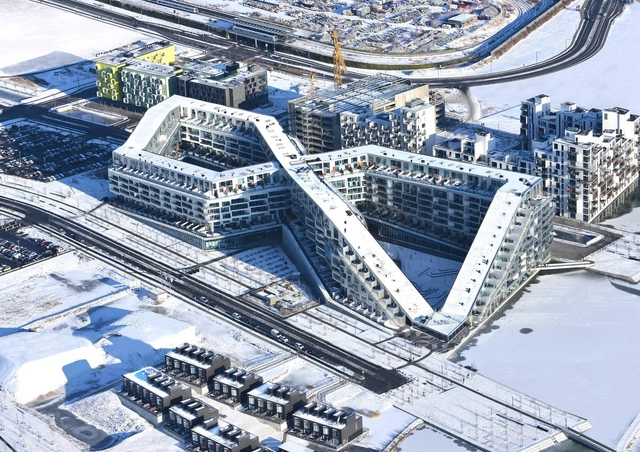
The Royal Architectural Institute of Canada (RAIC) has announced the four projects shortlisted for the 2017 Moriyama RAIC International Prize. The prize was established in 2014 by Canadian architect Raymond Moriyama along with RAIC and the RAIC Foundation to recognise buildings that are judged to be " transformative within its societal context and reflect Moriyama's conviction that great architecture transforms society by promoting social justice and humanistic values of respect and inclusiveness."
"These projects celebrate human life and shape activity," commented RAIC President Ewa Bieniecka, FIRAC. "They embody innovation, contribute to how we experience space, and explore how spaces allow opportunities for freedom. The four shortlisted projects demonstrate how architecture is generous and gives back to the community. These works have a strong sense of place and connect to their surrounding landscape."
Awarded every two years, the winning project will receive a CAD $100,000 prize and a handcrafted sculpture by Canadian designer Wei Yew. The prize is open to all architects, irrespective of nationality and location. The inaugural prize was won by Chinese architect Li Xiaodong for his design of the Liyuan Library in Jiaojiehe, China.
See the shortlisted projects, after the break.
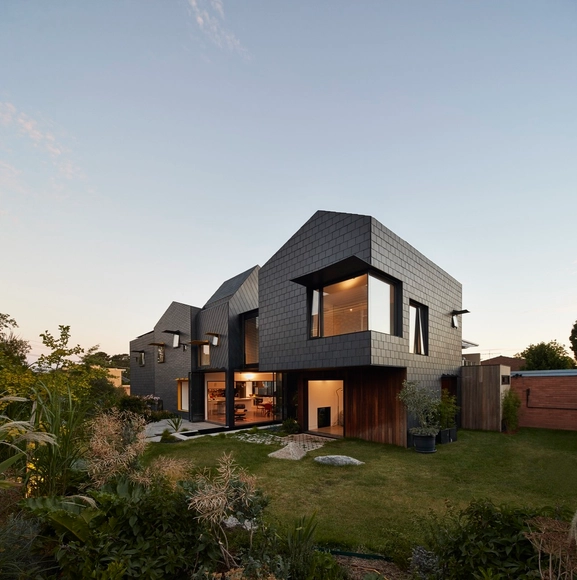
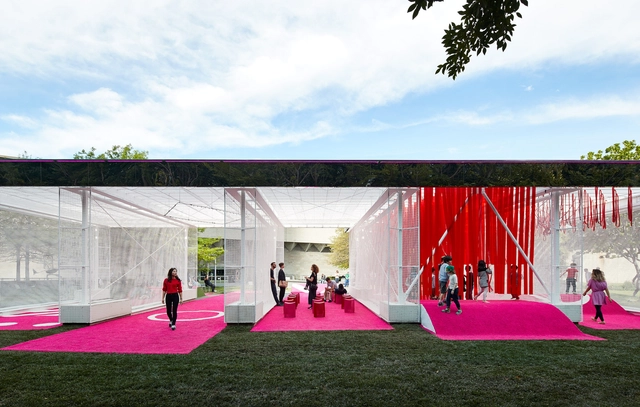
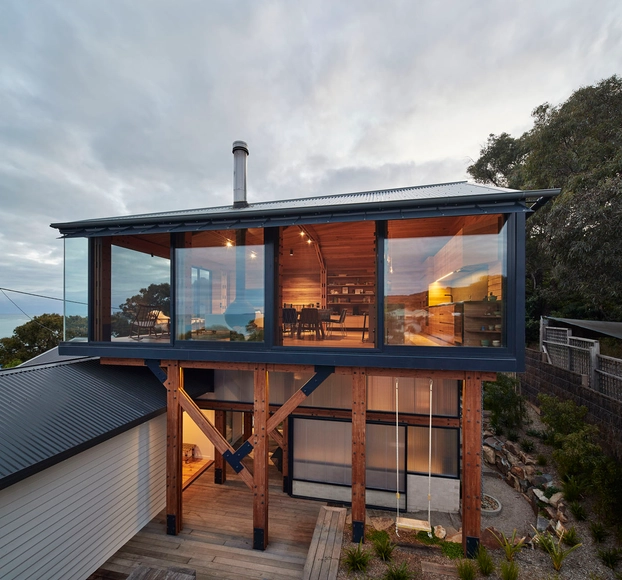
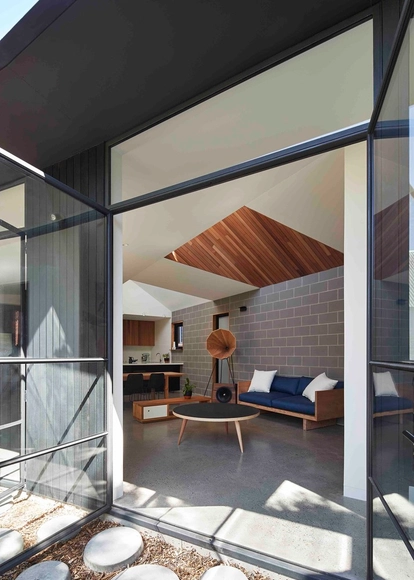
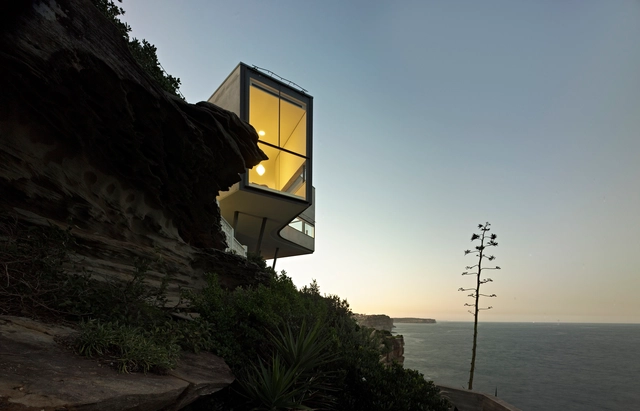
Alongside Camilla Block and David Jaggers, Neil Durbach of Durbach Block Jaggers has carved out a unique place in Australian architecture. Known primarily for their carefully sculpted modernist houses, the firm's architecture is simultaneously rich in architectural references and thoroughly original. In this interview, the latest in Vladimir Belogolovsky's “City of Ideas” series, Durbach explains the true inspirations behind their work, why these inspirations have little to do with the public descriptions of their projects, and why for him, the intention of all of his architecture “is to win Corb’s approval.”
Vladimir Belogolovsky: You came to Australia while the Sydney Opera House was still under construction. Does this mean you were here even before going to the US?
Neil Durbach: Yes, I first came to Australia as an exchange student while still in high school.
VB: So you have seen the Opera under construction then. How special was that? Did that building change anything in particular in you?
ND: Well, at that time I wanted to be an artist. A friend took me on a boat to see it. It was kind of staggering... And I thought – you know, this is much more interesting than art. And I felt – maybe architecture is what I should pursue.
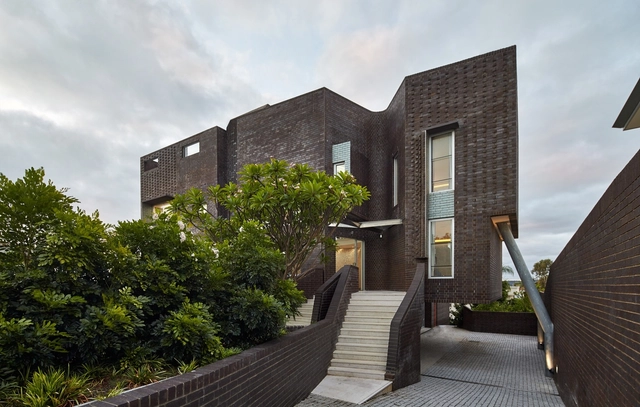
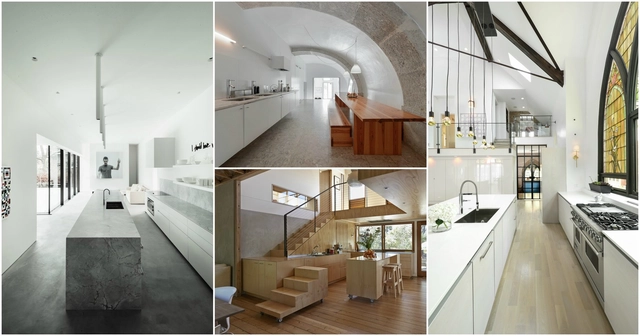
In the spirit of Thanksgiving, ArchDaily looks back to present a compilation of the most stunning kitchens we've covered in the last year. While it may be a bit too late for this year, read on to get some inspiration for perfecting your feast and amaze your guests in 2017.


.jpg?1495744233&format=webp&width=230&height=230&crop=true)