-
Architects: DG Estudio
- Area: 260 m²
- Year: 2020
-
Manufacturers: Arkoslight, Joquer, Ondarreta, Porcelanosa Grupo, TREKU


.jpg?1654265144&format=webp&width=640&height=580)
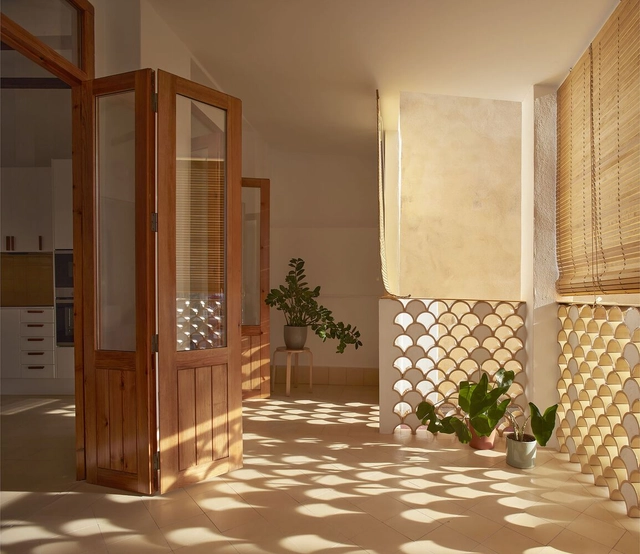
Most of us use stairways every day, but few times do we stop to contemplate their design or put much thought into their function. With their steps, treads and railing, they are easily one of the most fundamental architectural elements in any home. Apart from providing a safe, simple and easy access from one floor to another, it is through staircases that architects create unique spatial forms and strong visuals. From afar, one can observe people moving up and down repeatedly; from within, the user is treated to new angles and ways to perceive a space. Therefore, good staircases are more than just means of vertical circulation. Through their might and scale, they can become the protagonist of a space – a design focal point that rises to the level of art. In this article, we present their versatile characteristics and material qualities through a selection of inspiring examples, all of which can be found in Architonic's 'Staircases' section.
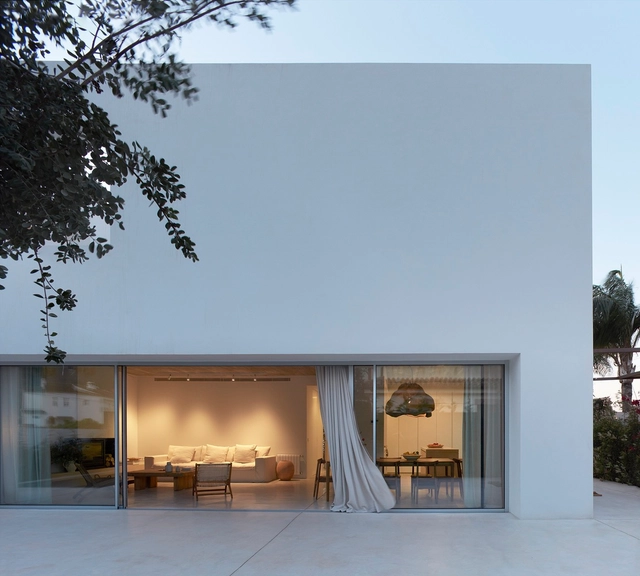
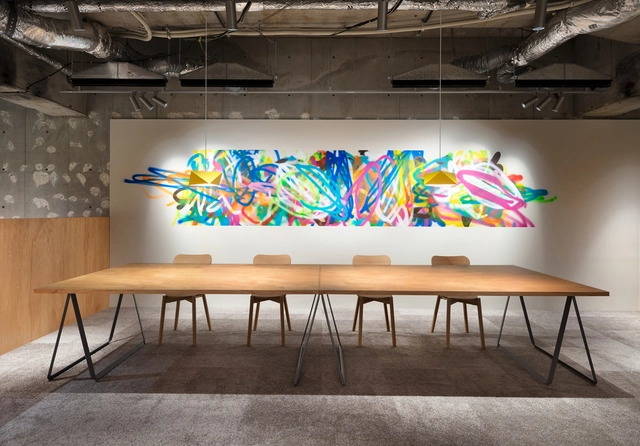
'Innovation' and 'design thinking' could possibly be two of the most extensively-used phrases both online and offline during the past decade. To respond to the global need of "changing the status quo", established companies, start-ups, and even universities have used this framework to generate novel ways of solving problems and create new products, taking into account their desirability, feasibility, and viability. And with that, a new archetype was conceived: the design thinker, someone who has the creative toolkit to generate something disruptive. So what is the meaning behind design thinking and what is its relationship with architecture?
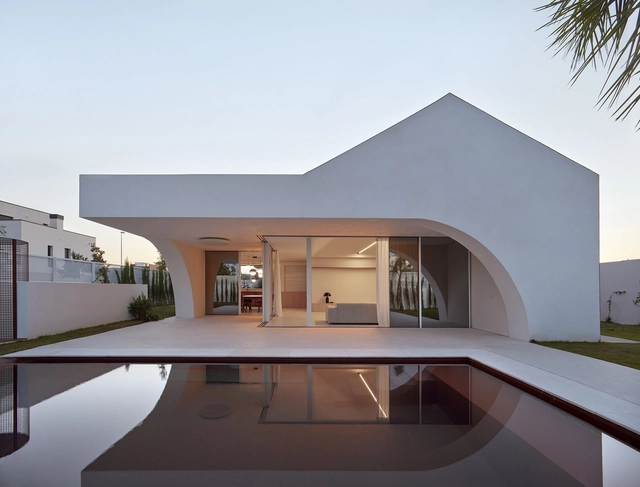
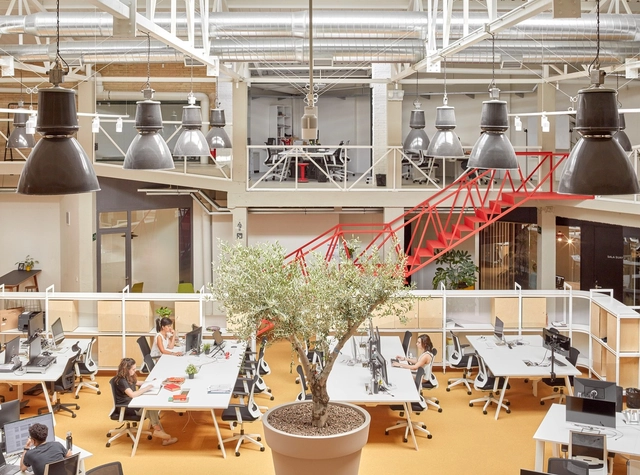
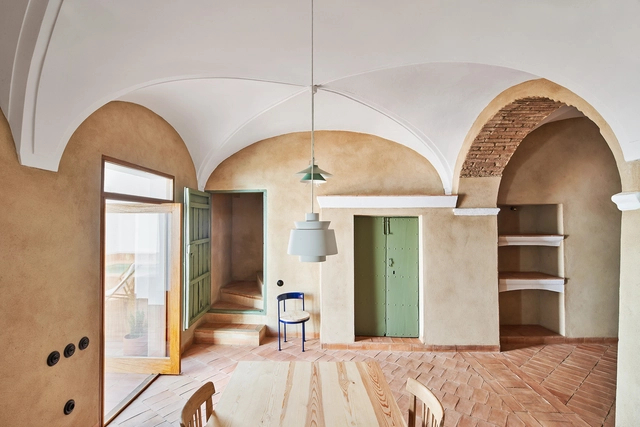
In the last few years, Europe has become a leader in refurbishment architecture by renovating and remodeling buildings and historic city centers. These initiatives have halted horizontal expansion and promote equitable city development.
This trend has not only become a contribution towards the densification and revitalization of underserved sectors but has also allowed families who had been displaced to the periphery to inhabit city centers and improve their quality of life.
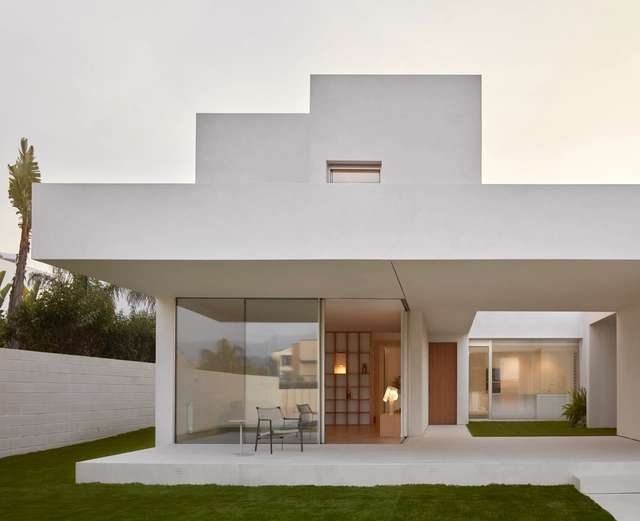
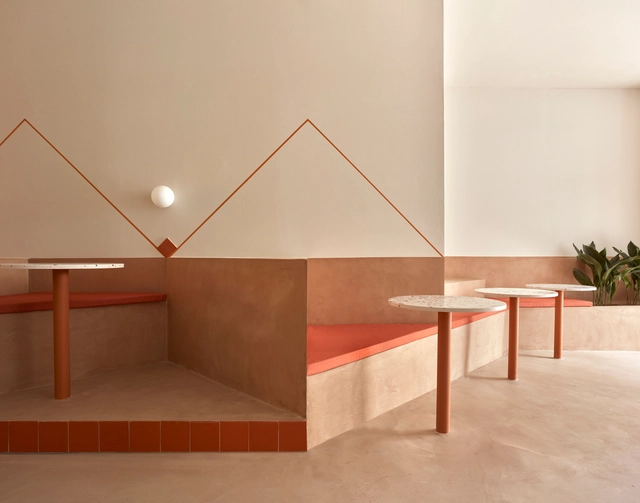
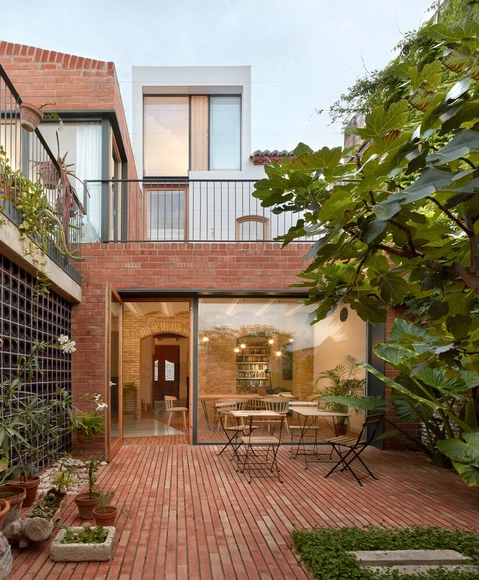
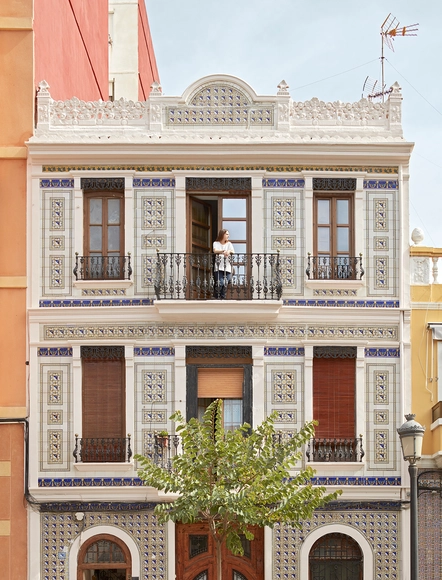
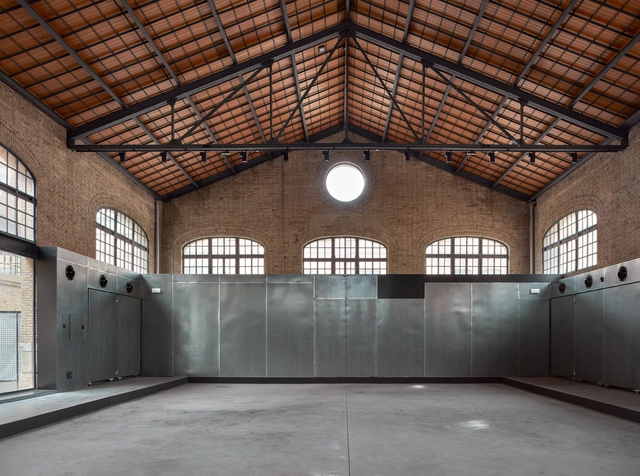
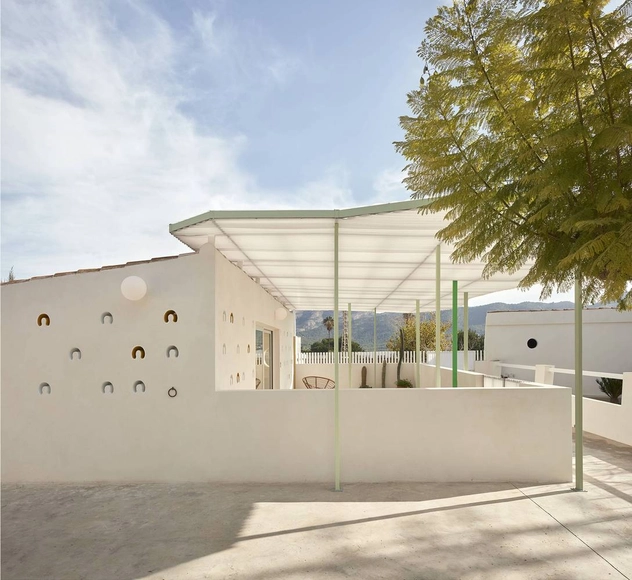
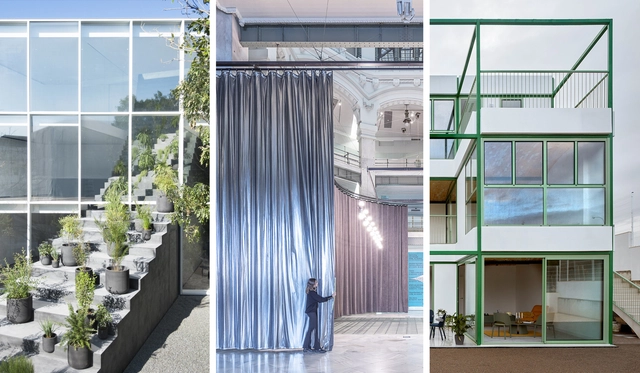
As we look back at the architecture projects we have published in 2020, as part of our yearly review, we were able to distinguish many recurring elements and solutions in terms of materials, programs, and functions.
Since the architecture industry moves slightly slower than others, we found that many things in the construction and design that have been building up these past years have come out making strong statements this 2020. We believe, therefore, that trends in the architecture world could be defined not only by what has been recurrent and popular but also, what has proven to be relevant and substantial.
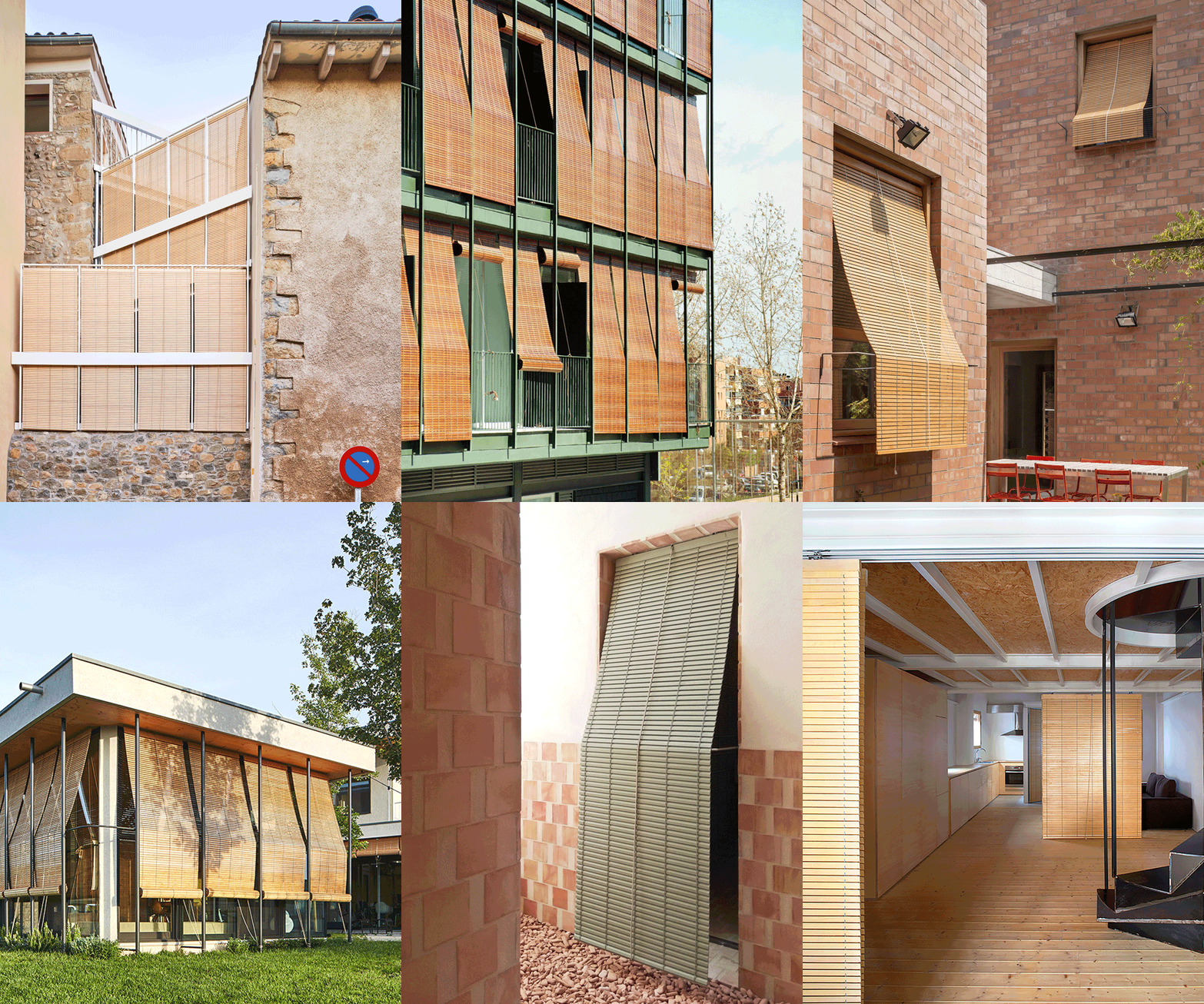
Throughout history, sunshades--light-weight screens typically made of interwoven wooden reeds--have been the go-to method of sun protection and temperature control for dwellings across civilizations, especially those located in tropical and Mediterranean climates. While offering protection from the sun's heat and rays, sunshades also allow air to permeate, making them an effective and economical cooling system for interior spaces.
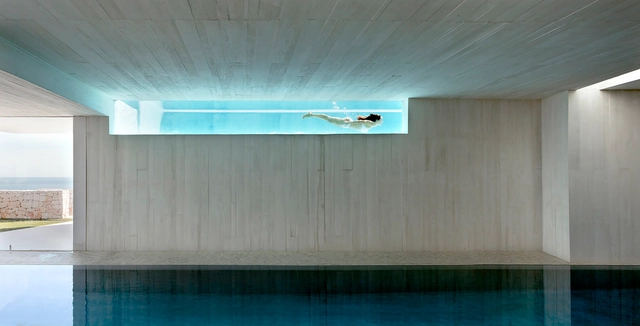
What's better than a house with a pool? A house with a pool that's part of the structure of the house. These projects show different ways to incorporate pools and how to resolve issues of weight, moisture and leaks. See the houses below, featuring photos by photographers like Mariela Apollonio, Kent Soh y Marcello Mariana.
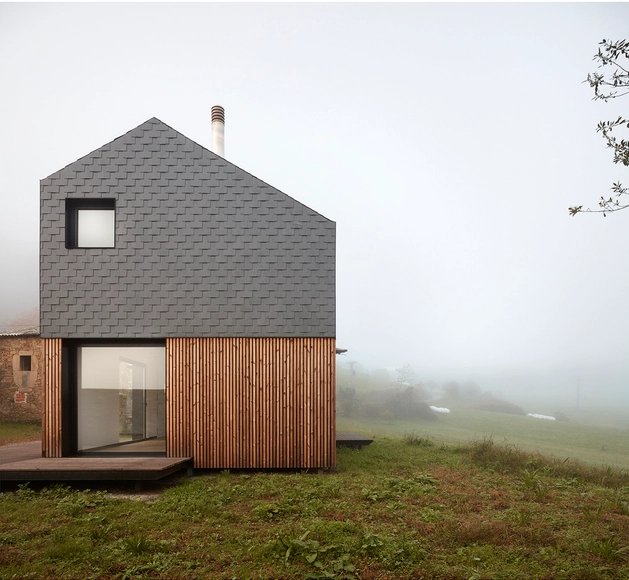
Every child has drawn a house. Perhaps a sunny day with some clouds, a leafy tree, a family with a dog, low wooden fences, or even a car. But in these drawings, they will almost certainly draw a simple rectangle with a gable or hip roof. This archetype of the house appears in virtually all cultures, and even today many architects use it for contemporary projects.
In addition to the primary function of draining rainwater and snow, and thus protecting the building from the weather, roofs can be an important aesthetic device for composing a project. In modern architecture, waterproof roof slabs emerged as a popular alternative, but sloping roofs have continued to captivate both clients and architects. In this article, we will cover the various types of roofs and, more specifically, the manufacturing process and characteristics of natural slate tiles.