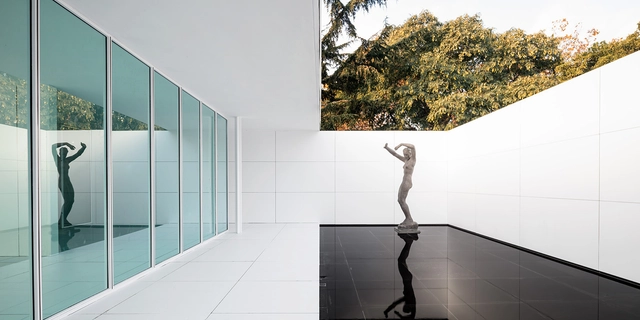
In 1929, Ludwig Mies van der Rohe and Lilly Reich design the German National Pavilion for the 1929 Barcelona International Exhibition. The official reception for the exhibition was held there, presided over by King Alfonso XIII and the German authorities. From then on, the story is well known to everyone. A symbolic work of the Modern Movement, the Pavilion has been extensively studied and interpreted, and has inspired the work of several generations of architects.
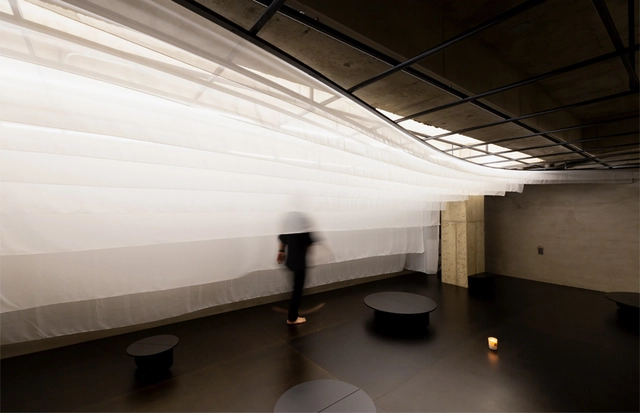
Textile forms of habitation are far from new; in fact, humans have been using fabric to create shelter for thousands of years, becoming an archetypal form of building. Today, contemporary architecture has rediscovered the principle of the tent and taken its development further, implementing new technologies to generate more advanced and durable fabrics which allow larger areas to be spanned. Becoming a highly specialized sector within the construction industry, multiple textile forms have become common in a wide range of architectural applications – not just for temporary structures, but also for permanent buildings. Apart from their use in facades, these can be utilized in interiors to create highly functional spaces with unique sensory experiences.
Last year, a series of new museums, expansions and several museum renovations have opened their doors to the public, adding a new dimension to the cultural landscape around the world. From the long-awaited re-opening of the Neue Nationalgalerie in Berlin, to Ryue Nishizawa's Jining Art Museum merging with the landscape, and MVRDV's reflective Art Depot, discover the architecture of the latest venues of art and culture.
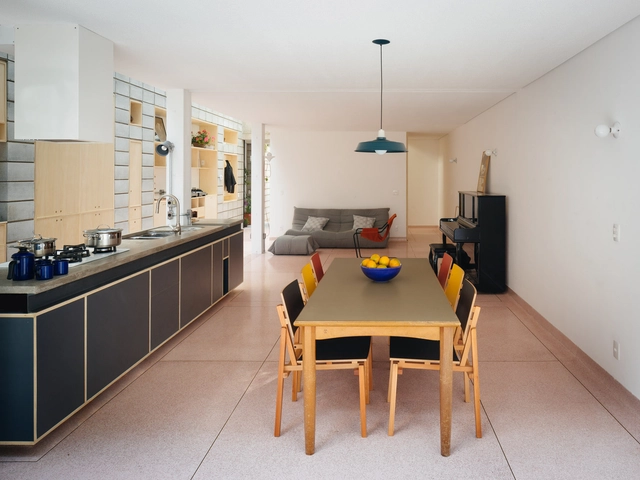
The word commensality refers to the act of eating together, sharing a meal. Much more than a mere function of essential human need, sitting at the table is a practice of communion and exchange. An article by Cody C. Delistraty compiles some studies on the importance of eating together: students who don't eat regularly with their parents miss school more; children who do not have daily dinner with their family tend to be more obese and young people in families without this tradition can have more problems with drugs and alcohol, in addition to poorer academic performance. Evidently, all these issues raised are complex and should not be reduced to just one factor. But having a suitable place to have meals, free from distractions, is a good starting point for at least one moment a day that is focused on conversation and food. This is where dinner tables come in. In this article, we review some projects to classify the most common ways to deploy these important pieces of furniture.
More than 5000 new projects published throughout 2021 make ArchDaily the largest online architecture library in the world. ArchDaily Curatorial Team researches, contacts offices, prepares, and delivers the built projects in the world on a daily basis, with the objective of providing inspiration, knowledge, and tools to our users who take part in the creation of better built environments.
https://www.archdaily.com/974013/best-architectural-projects-of-2021Clara Ott
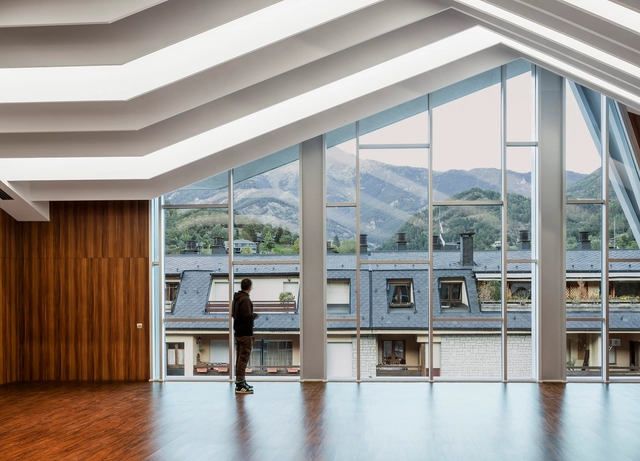
Wedged between France and Spain, Andorra is the sixth smallest nation in Europe. Less than 500 square kilometers in area, the landlocked microstate can be found in the eastern Pyrenees on the Iberian Peninsula. Today, new architecture is being built between Andorra’s rugged mountains and three narrow valleys that combine to form its Gran Valira river.
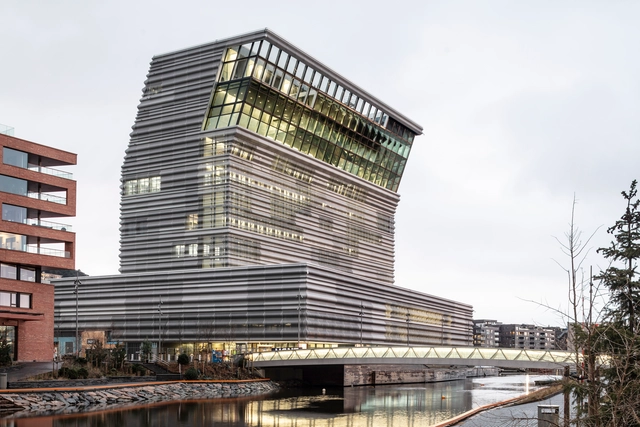
After being awarded with the top prize at the Munch Museum Competition in 2009, Spanish architecture firm Estudio Herreros has finally completed the construction of the museum and will open its doors on October 22, 2021. The long-awaited museum will showcase a rich collection of Norwegian heritage and culture and thousands of artworks by artist Edvard Munch, as well as present a contemporary museum concept that highlights architecture's urban role and historical responsibility of Oslo and the nation as a whole.
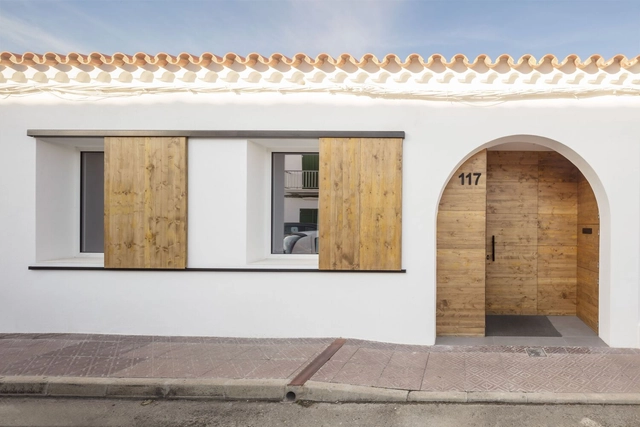
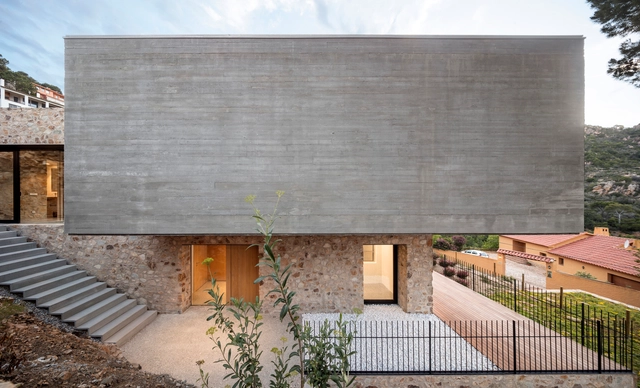
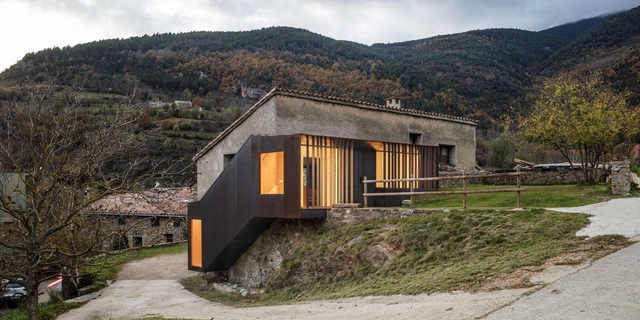
Zero kilometer materials can be purchased locally, do not need to be transformed by large stages of industrial processing or toxic treatments and, at the end of their service life, they can be returned to the environment.
For example, wood from a nearby forest eliminates the need for long transfers, valuing local resources, and allowing architecture to lessen its environmental impact while committed to the landscape and context.






.jpg?1641932763&format=webp&width=230&height=230&crop=true)


















.jpg?1615469357&format=webp&width=640&height=580)