On Thursday 29 of June, Jan Gehl the Danish architect and urban planner, spoke at the Conference “Thinking urban: cities for people” organised by UN-Habitat and the Official Architects College of Madrid (COAM as it is abbreviated in Spanish) about the urban transformations that have occurred in Copenhagen as a result of the errors of the modernist movement and the challenges facing the cities in the 21st century.
In a prior discussion with José María Ezquiaga (dean of COAM), and José Manuel Calvo (councilor of the Sustainable Development Area at the Madrid city council) at the Conference, Gehl highlighted the urban paradigm at the time of his student years, which is referred to as the Brasilia syndrome.
One of the most controversial stories to hit the architectural news last week was the revelation by Blair Kamin of the Chicago Tribune that one of the winners of the AIA Chicago chapter's Design Excellence Awards was given on the basis of an image in which unsightly elements of the building's design had been removed in Photoshop.
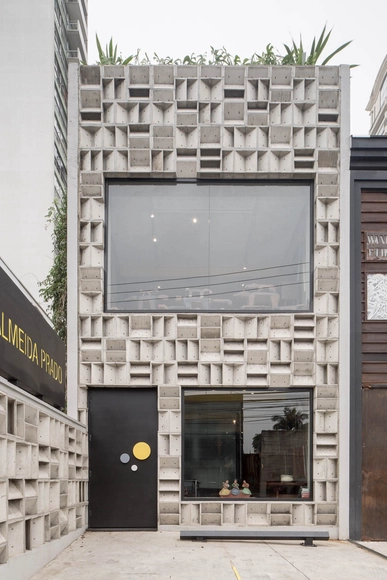
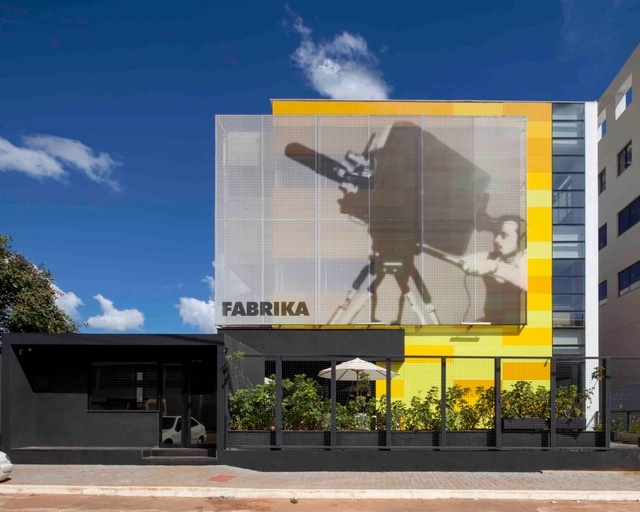
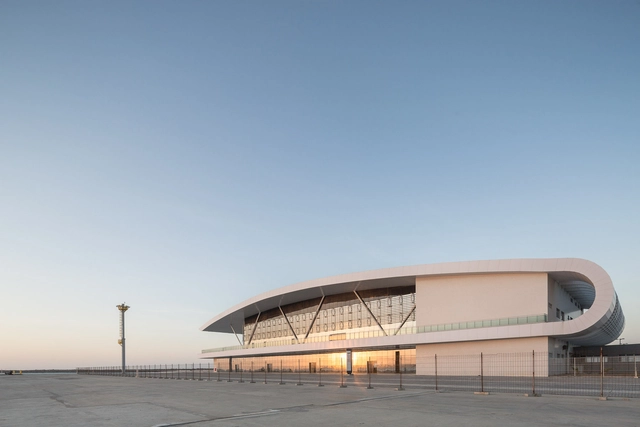
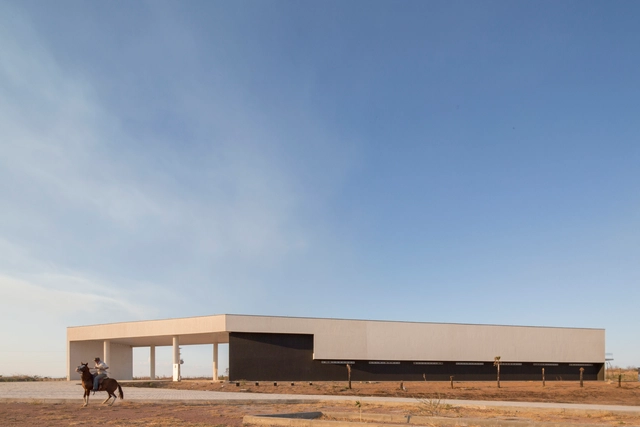
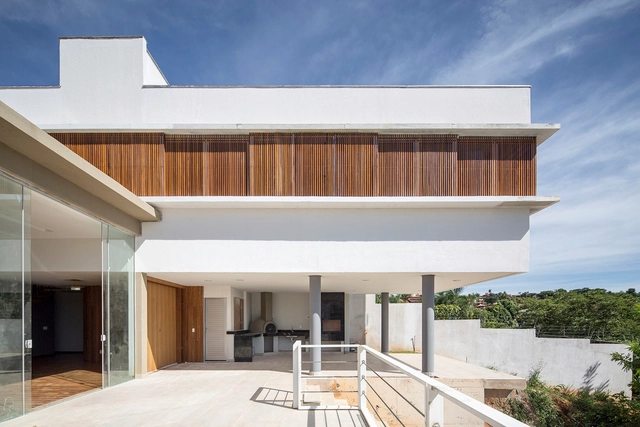
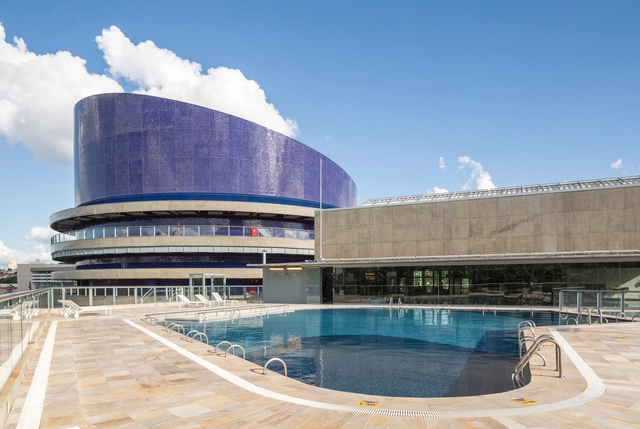
The "war on reality" (as one commenter ironically referred to it) is a topic that polarizes even the most level-headed people, with many arguing over the effect that such Photoshop trickery has on our perception of our world. However, with many people unaware of what goes on behind the scenes, we decided to reach out to some photographers for a candid look at exactly what role Photoshop has in the everyday processes of architectural photography, and where they draw the line regarding the ethical documentation of buildings. Read on to find out what they had to say.







.jpg?1487894399&format=webp&width=230&height=230&crop=true)
.jpg?1487895357&format=webp&width=230&height=230&crop=true)
.jpg?1487894136&format=webp&width=230&height=230&crop=true)
.jpg?1487895424&format=webp&width=230&height=230&crop=true)