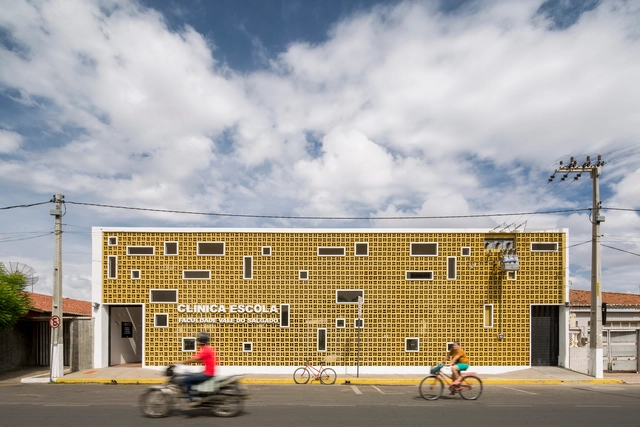


-
Architects: Lins Arquitetos Associados
- Area: 3948 m²
- Year: 2016
-
Manufacturers: Américo Pré-Moldados, Bendermix, Coper Vidros, Olaria Cemonte



Vienna, Austria has been ranked as the city with the best quality of life in the world for ten consecutive years. The ranking made by multinational consultancy Mercer is dominated by Western European cities in the highest positions, while Vancouver, Canada reached third place, becoming the highest-ranking city in North America for the last 10 years.

In many parts of the world, more women have architectural degrees than men. However, this fact hasn’t translated past university into the working world as women continue to be underrepresented across nearly all levels of practice.
The conversation regarding women in architecture gained tremendous traction back in 2013 with the petition for Denise Scott Brown to be recognized as the 1991 Pritzker Prize winner, alongside her husband and the consequent rejection of that request by Pritzker. The Architectural Review and Architect's Journal have, since 2015, jointly presented awards to the exceptional female practitioners as part of their Women in Architecture Awards program. The swelling of these movements have helped to promote not only the role but also the recognition of women in architecture.


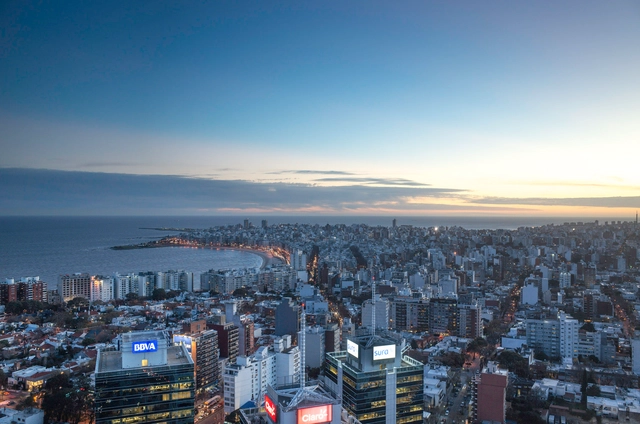
Mercer, the multinational consultancy recently announced that Vienna, Austria has been ranked as the city with the best quality of life in the world, for the ninth year in a row. In a ranking that is dominated by European cities in the highest positions, this year Vancouver (5th), Singapore (25th) and Port Louis (83rd) are the highest-ranking cities in North America, Asia, and Africa, respectively.
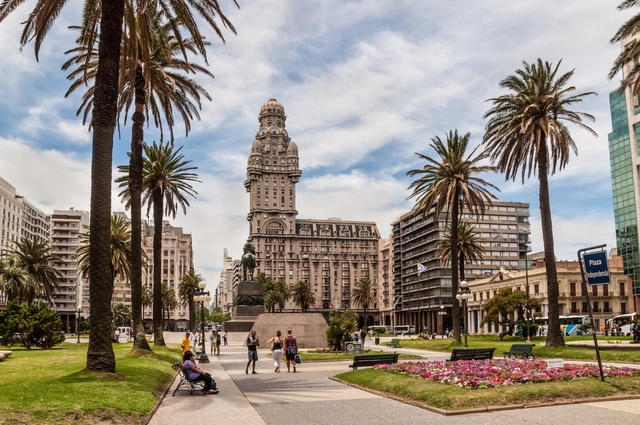
So, what is happening in Latin America? Montevideo, the capital of Uruguay, once again occupies the top position. "Although they are challenged by economic and political turmoil," experts at the consultancy explain, "cities in emerging markets are catching up with major cities, after decades of investment in infrastructure, recreational facilities, and housing for the purpose of attracting talent and multinational businesses," they add.
In its twentieth edition, the consultancy, which specializes in advising multinational companies in employee transfers, evaluates more than 450 cities around the world, analyzing 39 factors divided into 10 categories, including political and economic environment, socio-cultural status, hygiene, educational institutions, leisure, housing, the market, and natural disasters.


.jpg?1561555744&format=webp&width=230&height=230&crop=true)


