


-
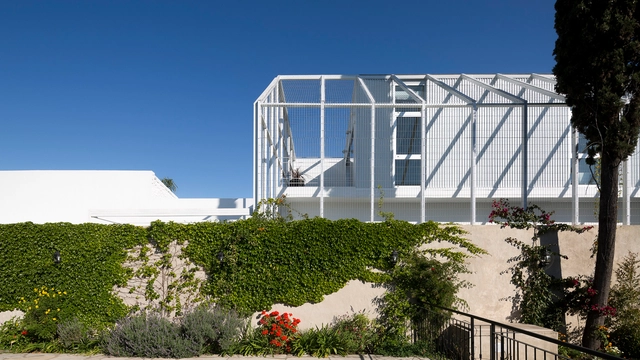
Architects: Alonso&Crippa
- Area: 350 m²
- Year: 2018
-
Manufacturers: Aluar


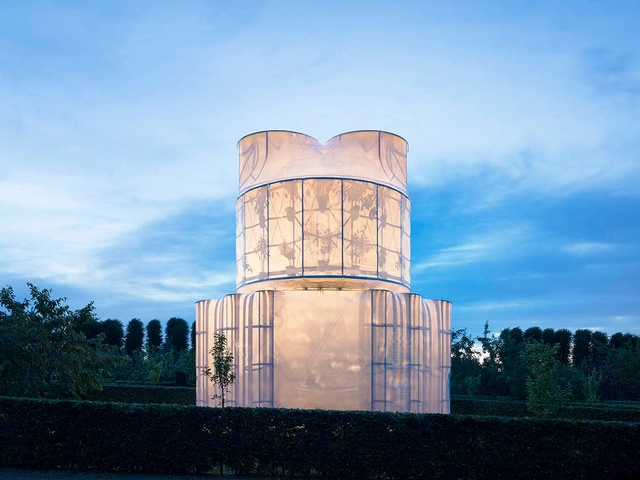
Whether made from natural or synthetic fibers, textiles have played a part in architectural design since time immemorial; however, it wasn't until the era of industrialization and advancements in technology that high-quality textiles could be made and utilized en masse. Most often, they have been used to enclose temporary structures like medical tents and emergency housing thanks to their mobility and ease of assembly.
.jpg?1620850440&format=webp&width=640&height=580)
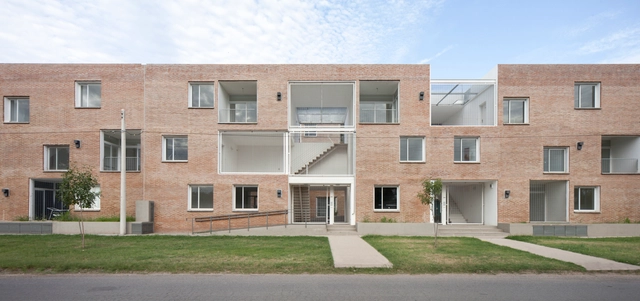
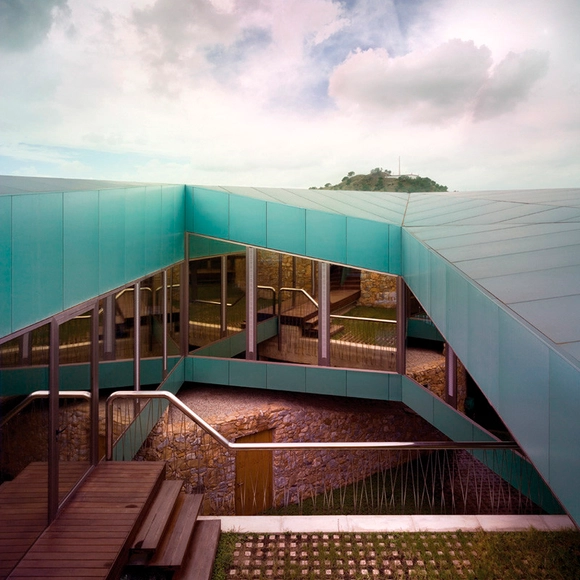
The distribution of natural light, improved ventilation, and the propensity to connect living spaces with the outdoors while maintaining the privacy of the inhabitants have made courtyards a go-to in architectural design around the world over the centuries.
Courtyards are characterized as outdoor or semi-outdoor spaces that are enclosed within the walls of a house or building.
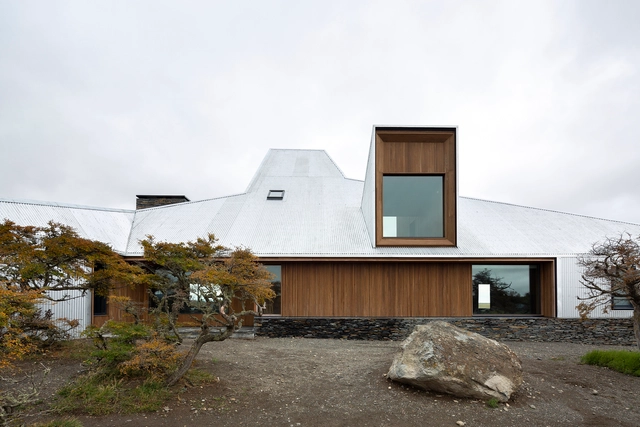
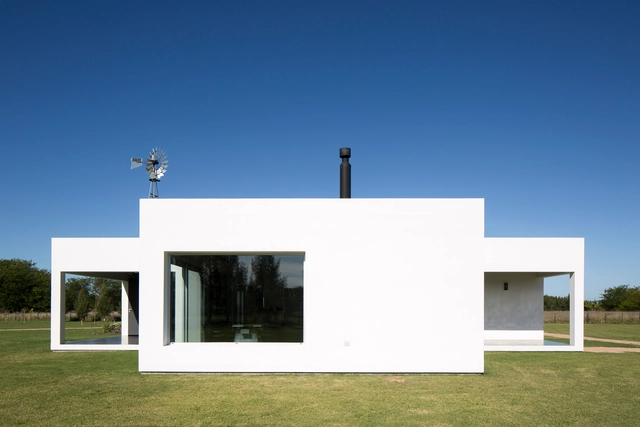
.jpg?1614777781&format=webp&width=640&height=580)
When designing a space, architects across the board tout the importance, and even necessity, of incorporating natural light into interiors. This means taking measures to control the quantity of light being let in and its distribution throughout the space.
In the case of residential spaces, where privacy plays a larger role than in public spaces like offices, restaurants, and stores, opaque materials like screens, tinted glass, and other barriers are the go-tos for providing protection and privacy from the outside; however, the privacy that these methods provide often comes at the cost of the space's natural lighting, forcing designers to seek alternative materials that allow for both light and privacy.
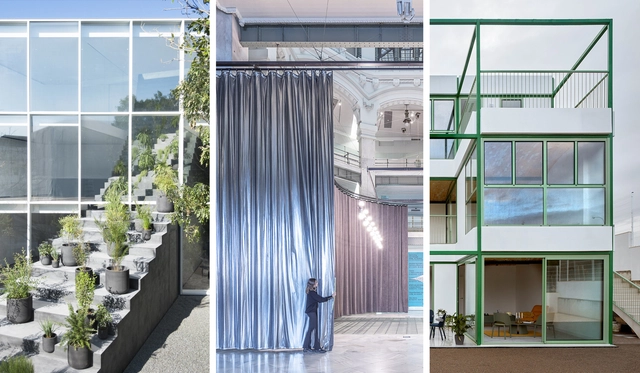
As we look back at the architecture projects we have published in 2020, as part of our yearly review, we were able to distinguish many recurring elements and solutions in terms of materials, programs, and functions.
Since the architecture industry moves slightly slower than others, we found that many things in the construction and design that have been building up these past years have come out making strong statements this 2020. We believe, therefore, that trends in the architecture world could be defined not only by what has been recurrent and popular but also, what has proven to be relevant and substantial.
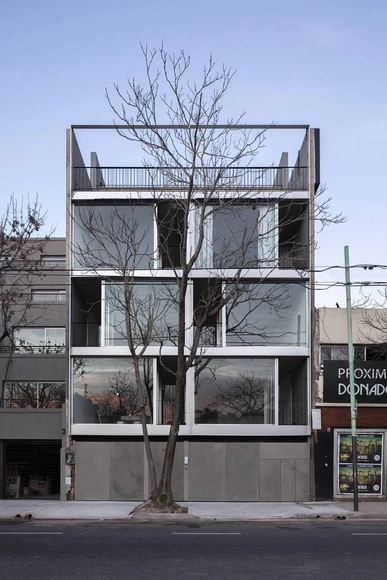
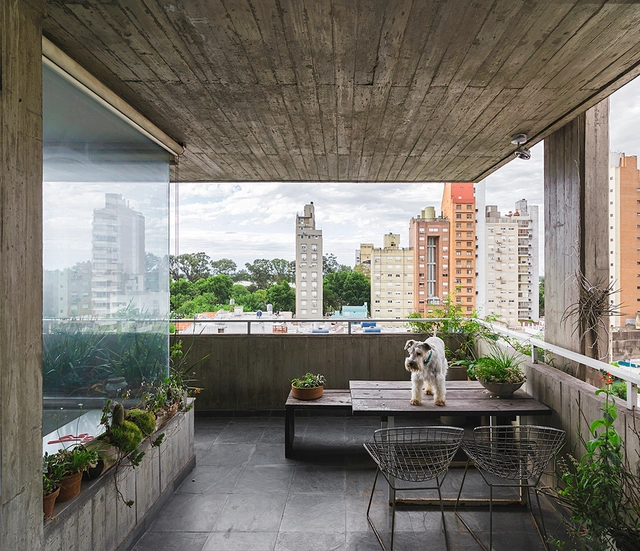
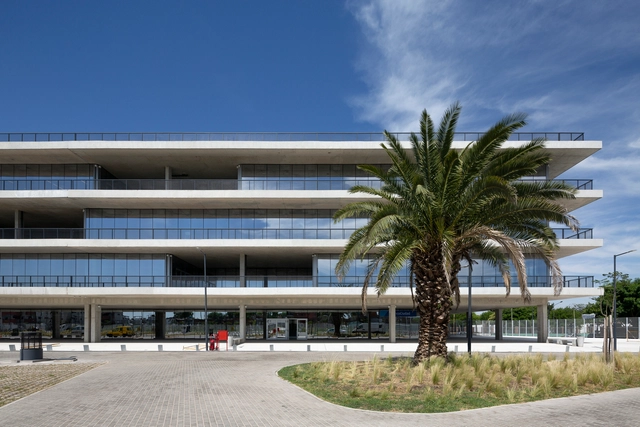
It's safe to say that concrete is one of the most utilized construction materials in large-scale architectural projects. In Argentina, the use of concrete to construct high-rise apartment buildings offers a variety of advantages, especially when it comes to durability and the time it takes to build. This has made it the go-to material for many architects.
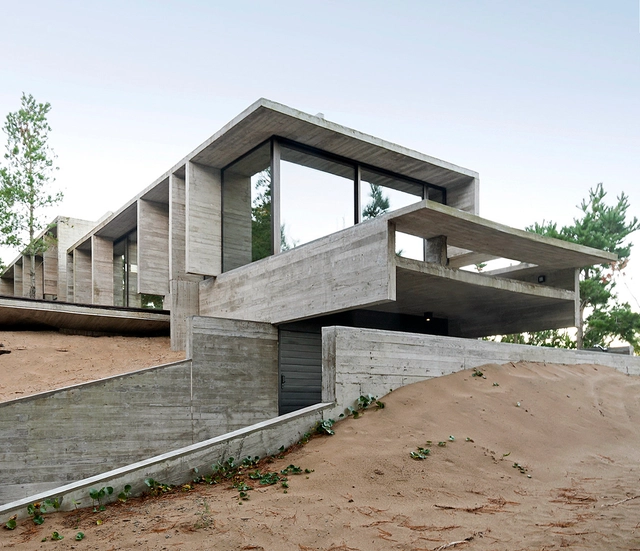
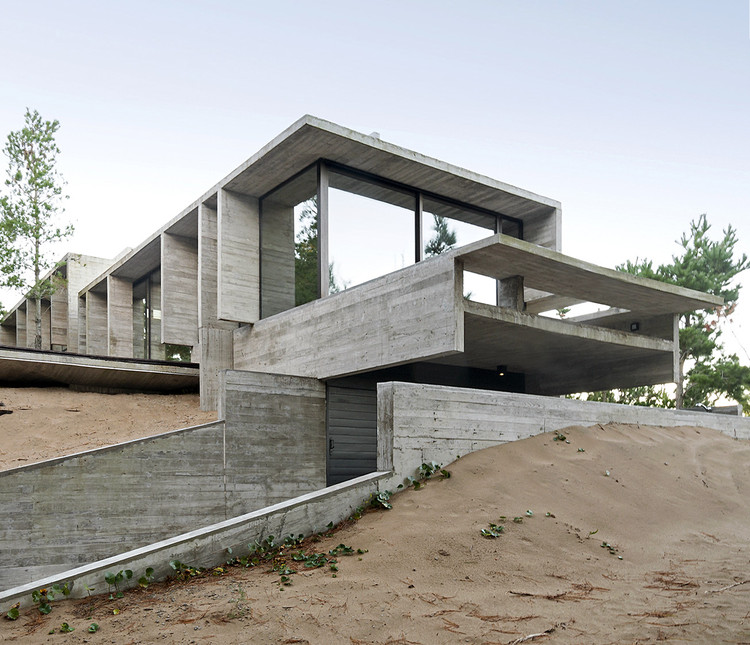
Thanks to its aesthetic qualities and malleability, concrete is the darling of the world's builders and architects. In Argentina in particular, concrete's durability and adaptability to a range of climatic conditions makes it one of the most sought after construction materials, demonstrated by, not only the country's countless museums, hotels, hospitals, but by its residential and smaller-scale buildings as well.
![Empilhado [SnJ] Building Renovation / 3dF arquitectos - Exterior Photography, Residential](https://snoopy.archdaily.com/images/archdaily/media/images/5fd2/86cb/63c0/1748/7600/01bb/slideshow/_fi.jpg?1607632560&format=webp&width=640&height=580)


.jpg?1620850776&format=webp&width=230&height=230&crop=true)
.jpg?1620850905&format=webp&width=230&height=230&crop=true)

.jpg?1620851522&format=webp&width=230&height=230&crop=true)
.jpg?1620850440)


.jpg?1614777781)




_(1).jpg?1607602426&format=webp&width=230&height=230&crop=true)
![Empilhado [SnJ] Building Renovation / 3dF arquitectos - More Images](https://images.adsttc.com/media/images/5fd2/86cb/63c0/1748/7600/01bb/newsletter/_fi.jpg?1607632560)