

-
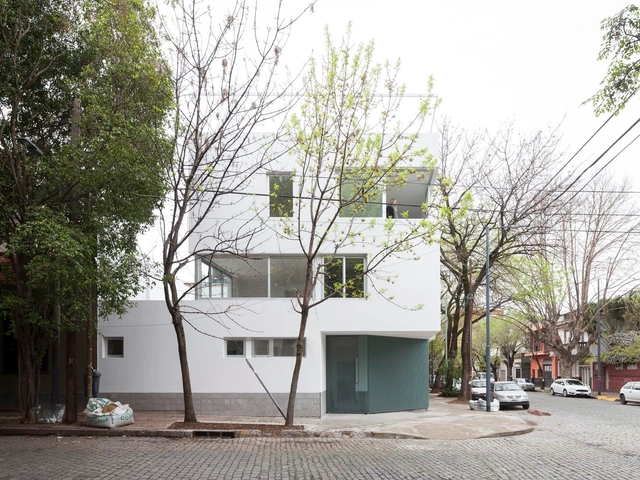
Architects: Cottet Iachetti Arquitectos
- Area: 3875 ft²
- Year: 2017
-
Manufacturers: Carpinterías de Aluminio, Moltrasio



As engines of the economy and production, cities are home to the largest masses of people and it is estimated that by 2050, they will be home to 70% of the world's population. In this context, architects are incorporating the articulation of mixed uses in their buildings on a daily basis, seeking to encourage diversification and avoid mono-functionalisation.
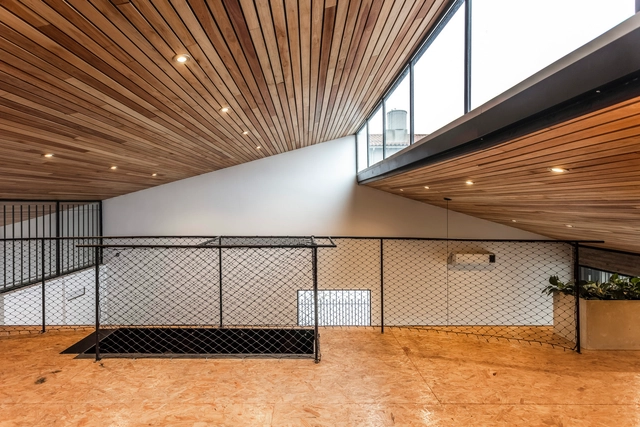
Depending on the aesthetics of a space, the economy of the materials or even their long-term maintenance, there are various types of ceilings that are capable of meeting the technical and functional needs of architectural projects. Regardless of their manufacturing method, whether industrialised or handcrafted, ceilings represent a constructive element that constitutes the finish or interior cladding of roofs.
.jpg?1654617049&format=webp&width=640&height=580)
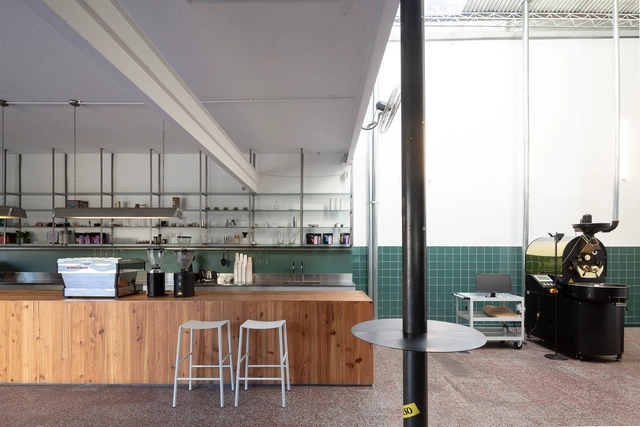
Achieving the best use of space, reducing the footprint of the buildings that are constructed and designing an optimal distribution that can meet the needs of their inhabitants are some of the requirements and challenges faced, day after day, by architects around the world. Through the implementation of certain materials, the definition of the morphology or even the geographical and natural conditions of the terrain, it is possible to carry out various strategies that make it possible to design homes with the comfort that their users need and in the smallest amount of square metres possible.
.jpg?1654104044&format=webp&width=640&height=580)
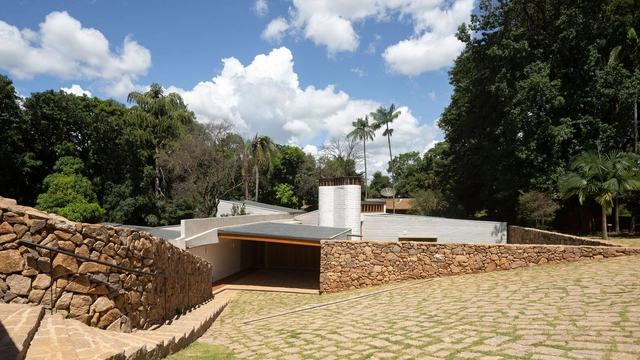
The Mies Crown Hall Americas Prize (MCHAP) announced the 48 outstanding projects selected by the MCHAP 2022 jury. From the body of nominated projects, the jury elected 38 entries in MCHAP as outstanding among other submissions. The fourth prize cycle considers built works completed in the Americas between January 2018 to December 2021, nominated by an anonymous network of international experts and professionals.
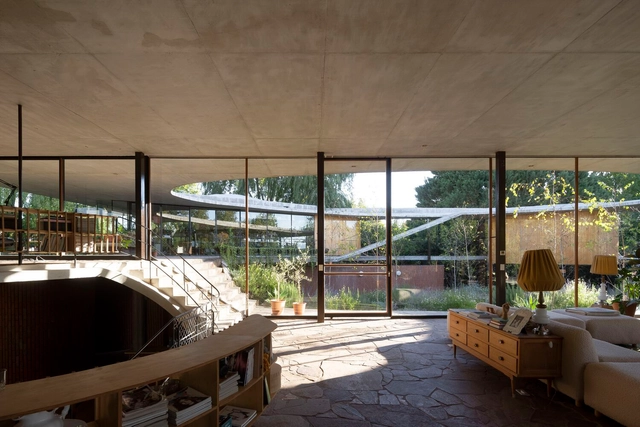


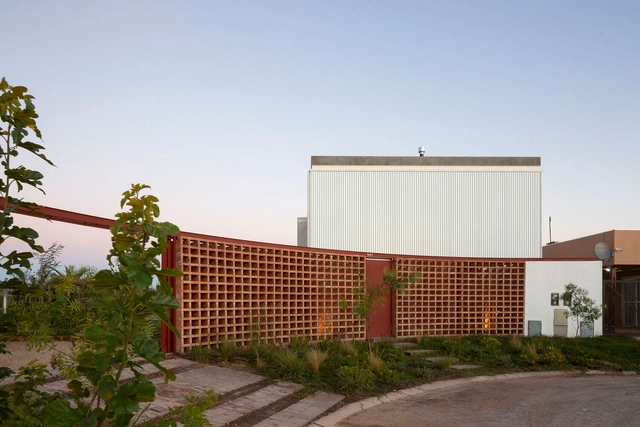

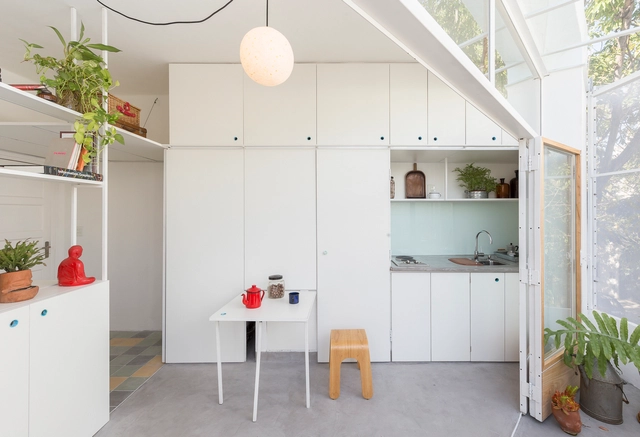
Regardless of the design adopted for kitchen spaces, for some years now and with increasing frequency, many architects have been deciding to design kitchens by integrating them into other rooms in the home. Free of dividing walls or joinery, integrated kitchens are implemented with the aim of leaving the activities that take place there in full view of everyone, encouraging interaction and communication between the inhabitants.
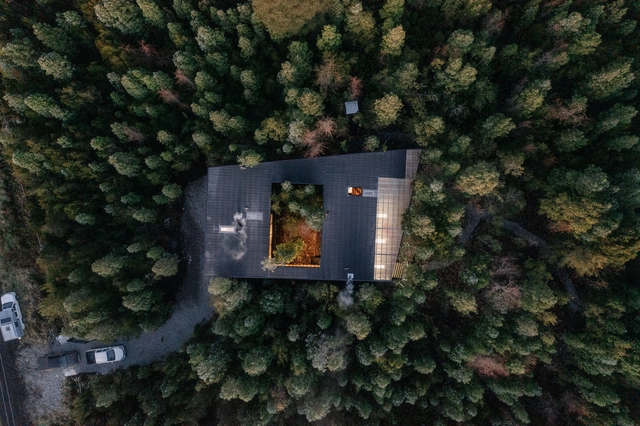
What role do forests play in our daily lives? In what ways can they be converted into living spaces? What strategies can be implemented to reduce the environmental impact of our buildings? On the International Day of Forests, which is celebrated every 21st of March, this year we propose to raise awareness of the links between forests and our daily lives. Even though deforestation continues to advance, forests represent a source of great economic, social and ecological benefits.


.jpg?1654104708 "© Roland Halbe")
.jpg?1654104468 "Bonpland 2169 Building by Adamo-Faiden Buenos Aires, Argentina. Image © Javier Agustín Rojas")
.jpg?1654104406 "Damero Building by Francisco Cadau Oficina de Arquitectura, Campana, Argentina. Image © Gustavo Sosa Pinilla")
.jpg?1654104044)


