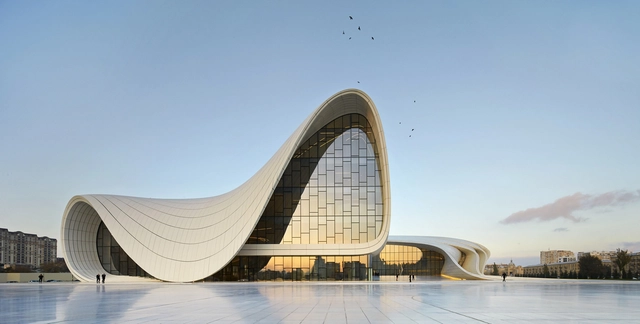
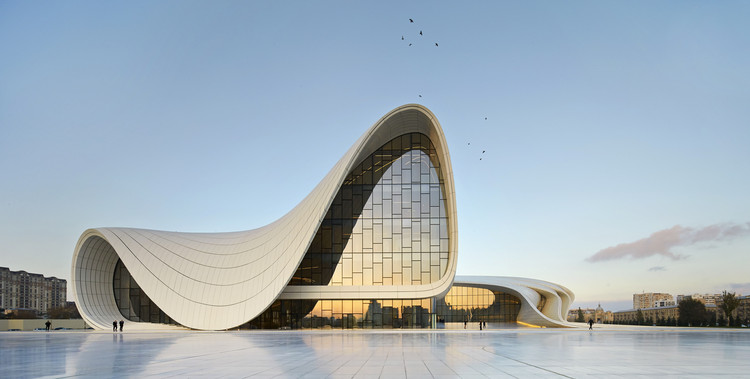
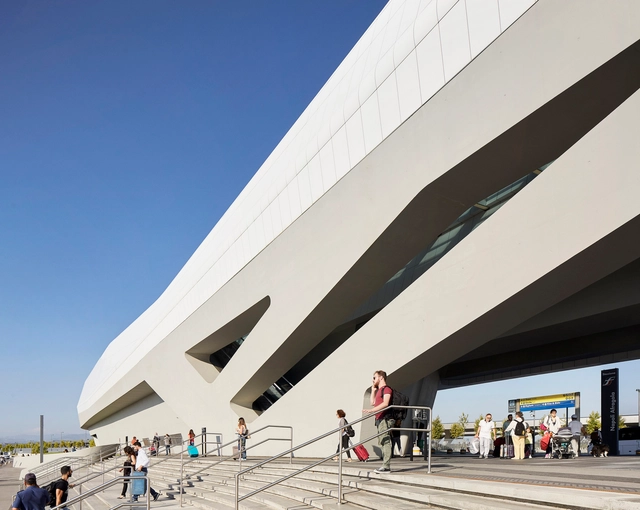
In her lifetime, Pritzker prize-winning architect, fashion designer and artist Zaha Hadid (31 October 1950 – 31 March 2016) became one of the most recognizable faces of our field. Revered and denounced in equal measure for the sensuous curved forms for which she was known, Hadid rose to prominence not solely through parametricism but by designing spaces to occupy geometries in new ways. Despite her tragically early death in March of 2016, the projects now being completed by her office without their original lead designer continue to push boundaries both creative and technological, while the fearless media presence she cultivated in recent decades has cemented her place in society as a woman who needs just one name: Zaha.
"When I am asked what I believe in, I say that I believe in architecture. Architecture is the mother of the arts. I like to believe that architecture connects the present with the past and the tangible with the intangible."
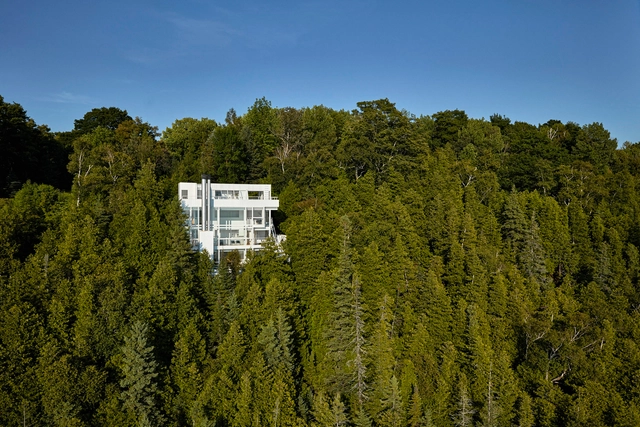
Richard Meier, the Pritzker Prize and AIA Gold Medal-winning architect, is well known for his abstracted, often white, buildings and unrelenting personal design philosophy. Citing Bernini and Borromini as influences as well as Le Corbusier and Louis Kahn, Meier received his Bachelor in Architecture from Cornell University in 1957 and took jobs with Skidmore Owings & Merrill and Marcel Breuer soon after his graduation. He began his own private practice in New York in 1963 and rocketed to architectural fame in the early 1970s, after being named as one of the "New York Five."
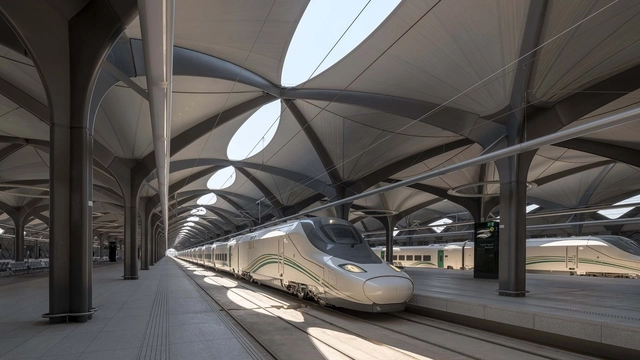
Train stations are usually complex programs since they must not only solve the departure and arrival of trains but also respond to the circulation of its users, provide certain services and be a connecting space between the transport systems of a city. Architects from different parts of the world have developed different solutions to this program. Below you can find 10 examples of train stations, their floor plans and sections.
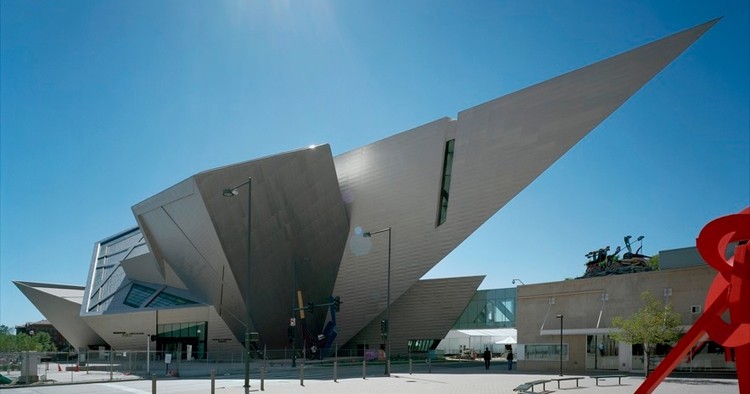
In the architecture world, few designers can claim to have a more clearly-defined style than Daniel Libeskind (born May 12, 1946). Much of Libeskind's work is instantly recognizable for its angular forms, intersecting planes, and frequent use of diagonally-sliced windows, a style that he has used to great effect in museums and memorials—but which he has equally adapted to conference centers, skyscrapers, and shopping malls.
In PLANE-SITE's latest video from their Time-Space-Existence series, Daniel Libeskind describes his work in relation to Shakespeare's quote that "time is out of joint." Weaving in his philosophy regarding time, memory and architecture, Libeskind discusses his seminal works such as the Jewish Museum Berlin and the Ground Zero master plan. These ideas will be transferred to his new project named Facing Gaia, an architectural sculpture to be located in Giardini Marinaressa, which explores the connections between climate, time, space and existence.
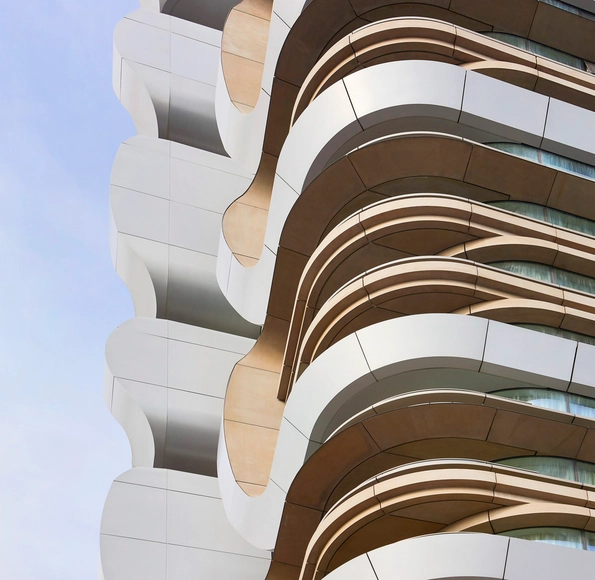
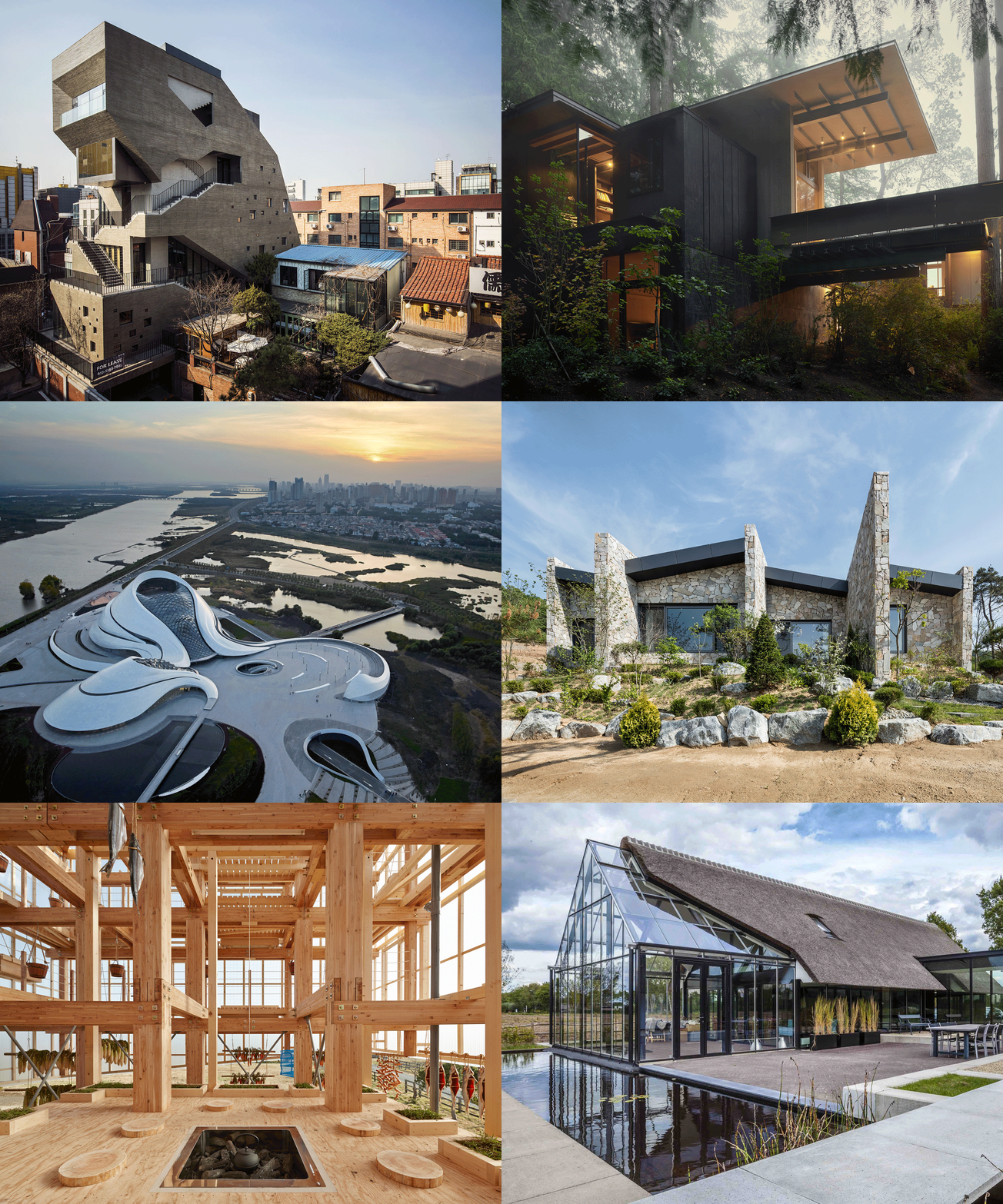
At ArchDaily, we're lucky enough to know a fantastic network of architecture professionals, allowing us to share the world's best architecture with our audience. But our articles wouldn't be the same without the many photographers who dedicate themselves to making incredible, inspiring images. For that reason, here we present the 50 most popular architecture images of 2017.
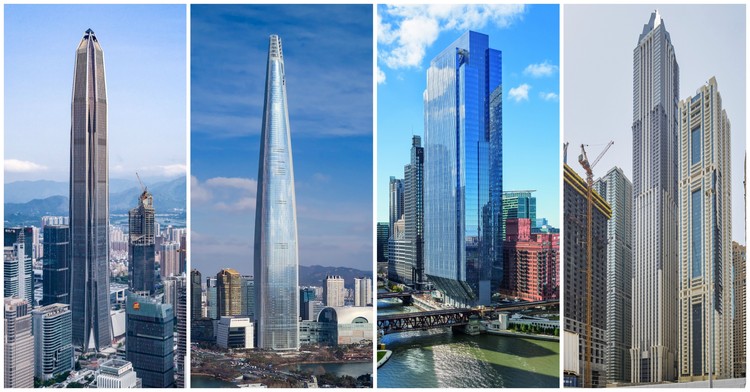
2017 was another banner year for skyscraper construction.
According to the 2017 Tall Building Year in Review, the annual web report from The Council on Tall Buildings and Urban Habitat (CTBUH), a record-breaking 144 buildings 200 meters tall (656 feet tall) or higher were completed in 2017, led by the 599-meter-tall Ping An Finance Center and 555-meter-tall Lotte World Tower.
In the report, CTBUH outlines this year’s trends in tall building design. Notably, 2017 proved to be the most geographically diverse year in history for tall buildings, with 69 cities across 23 countries completing new towers, an significant increase from 54 cities and 18 countries in 2016. Of those numbers, 28 cities and 8 countries completed their new tallest building.
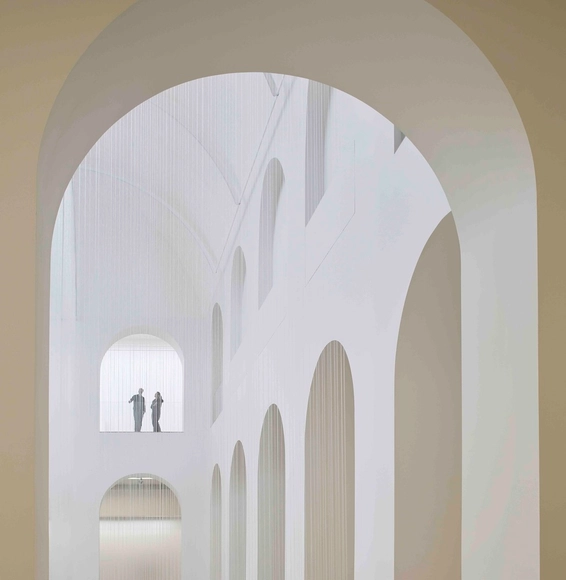
This August 19th is World Photo Day, which celebrates photography on the anniversary of the day on which France bought the patent for the daguerreotype, one of the earliest photographic processes, and released it to the world for free in 1839. At ArchDaily, we understand the importance of photography in architecture—not only as a tool for recording designs, but also as a discipline that many of us enjoy. To celebrate the occasion, we decided to reveal the most popular images ever published on ArchDaily, as selected by you, our readers. Using data gathered from My ArchDaily, we have ranked the 100 most-saved images from our database; read on to see them.








_Hufton_Crow_(5).jpg?1535547597&format=webp&width=230&height=230&crop=true)
_Hufton_Crow_(10).jpg?1535547748&format=webp&width=230&height=230&crop=true)
_Hufton_Crow_(2).jpg?1535547467&format=webp&width=230&height=230&crop=true)
_Hufton_Crow_(8).jpg?1535547680&format=webp&width=230&height=230&crop=true)



_Doublespace.jpg?1523414942&format=webp&width=230&height=230&crop=true)
.jpg?1523415119&format=webp&width=230&height=230&crop=true)
_Georges_de_Kinder.jpg?1523414986&format=webp&width=230&height=230&crop=true)
_Studio_Libeskind.jpg?1523414813&format=webp&width=230&height=230&crop=true)
_Doublespace.jpg?1523414942)





Nick__Ulivieri__Photography.jpg?1513267321&format=webp&width=230&height=230&crop=true)


Hufton_Crow_025.jpg?1513272972&format=webp&width=230&height=230&crop=true)