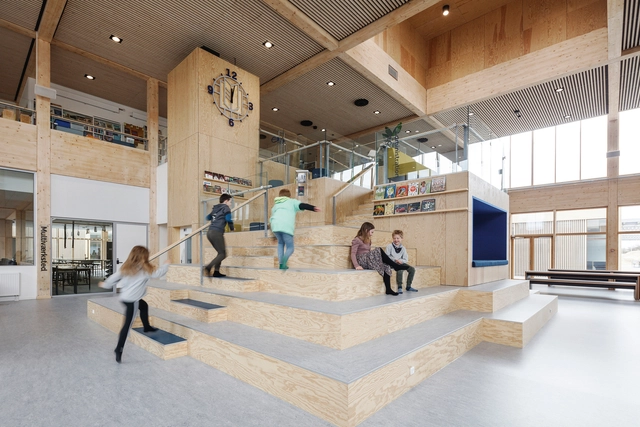
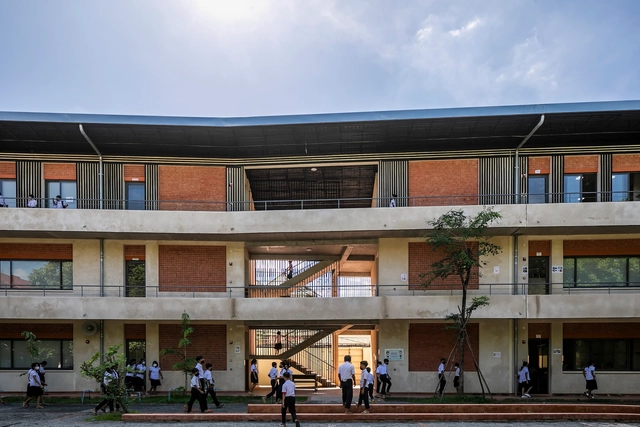
With spaces for children, “you have the opportunity to create architecture that in many ways is unformulated architecture. Children react to spaces completely spontaneously. It is almost an enhanced architecture”, says Dorte Mandrup. The implication is that design can contribute to forming critical thinking, encouraging autonomy, and responsibility, and helping forge future citizens. For the most part, the educational system and its spatial expression haven’t changed significantly in the last hundred years. Nonetheless, with access to information becoming ubiquitous, the focus is slowly moving from accumulating information to nurturing critical thinking, and new teaching methods open up a new area of architectural experimentation. The following explores the impact of space on learning, specifically in primary and secondary education, discussing how architecture could aid the educational process, becoming a teaching tool.
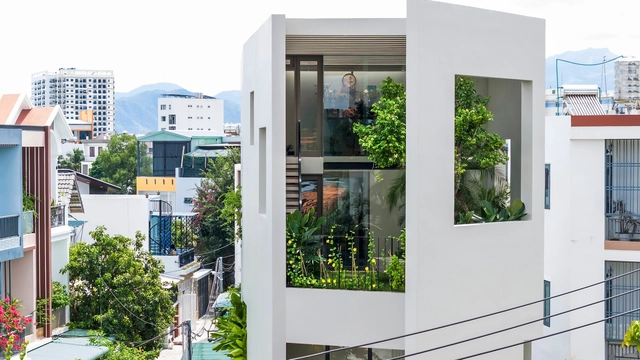
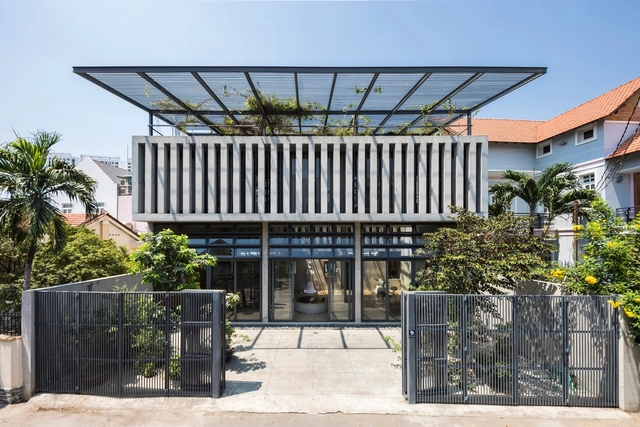
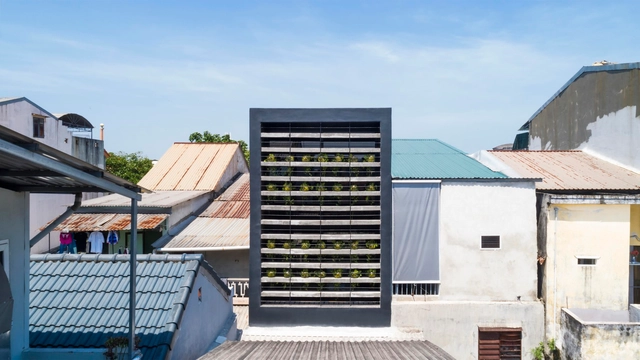
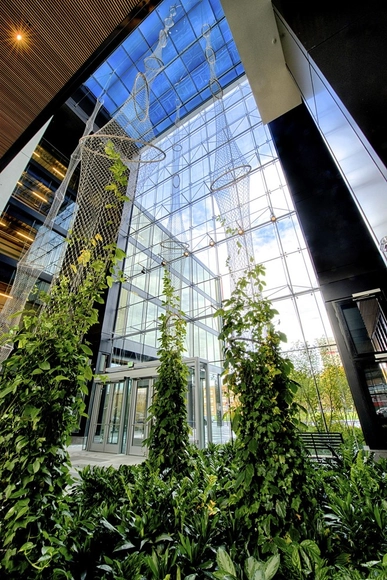
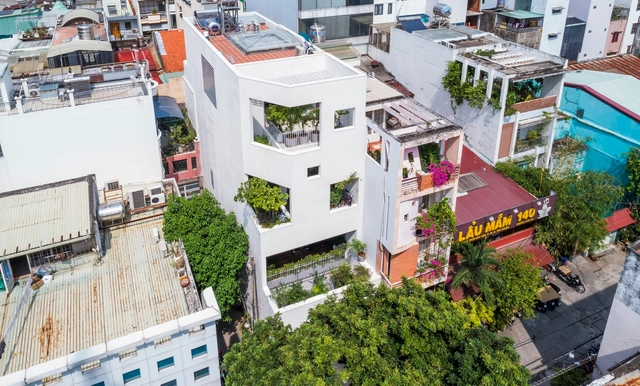
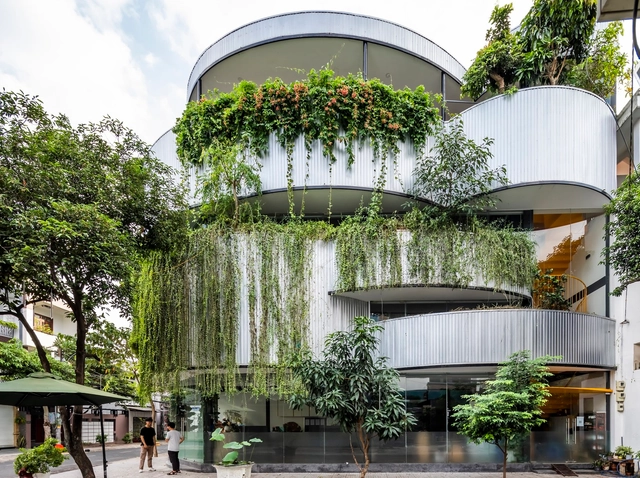
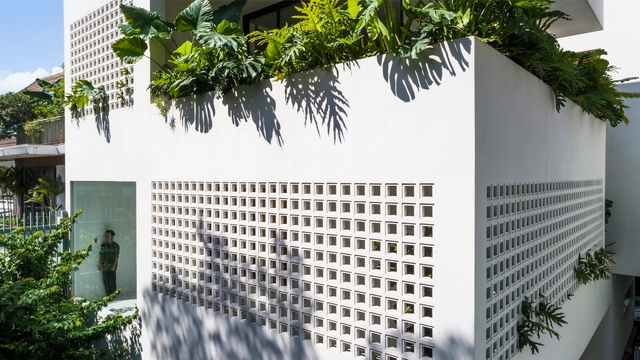
With the high population density of cities and voracious appetite of the market for every square meter, it is not uncommon for urban vegetation to be forgotten. For this reason, forests, vegetable gardens, and vertical gardens have aroused much interest and figured into a variety of different innovative proposals. Using the vertical plane to maintain plants in an urban setting is a coherent and common-sense solution, especially when there is little possibility of bringing green to the level of the people on the streets.
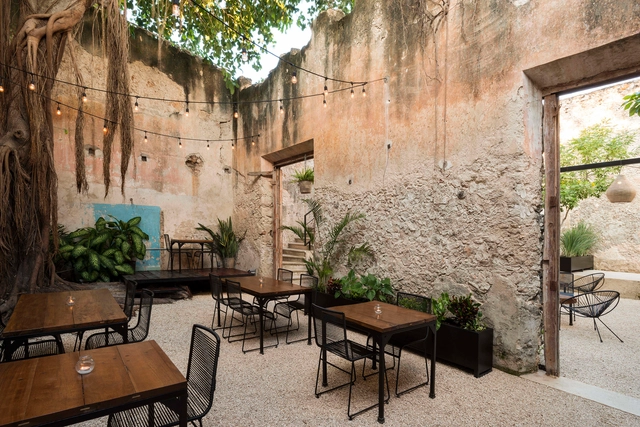
The spatial distribution of a restaurant or bar is essential to its success. Faced with this design challenge, several architects have experimented and proposed configurations that both enhance the use of space in different culinary experiences.
With this being said, take a look at 50 gastronomic establishments in plan and section to inspire your next design.