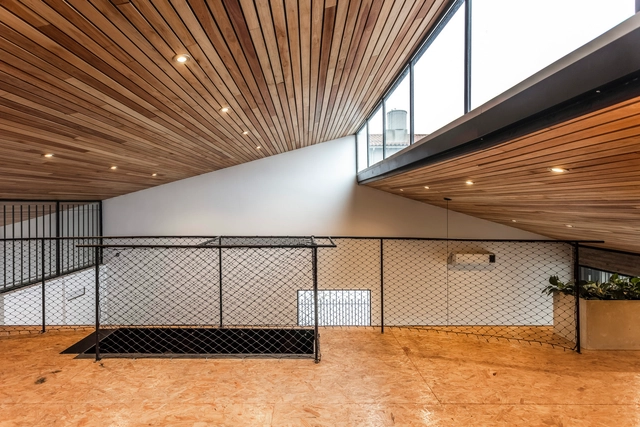
Depending on the aesthetics of a space, the economy of the materials or even their long-term maintenance, there are various types of ceilings that are capable of meeting the technical and functional needs of architectural projects. Regardless of their manufacturing method, whether industrialised or handcrafted, ceilings represent a constructive element that constitutes the finish or interior cladding of roofs.
Achieving the best use of space, reducing the footprint of the buildings that are constructed and designing an optimal distribution that can meet the needs of their inhabitants are some of the requirements and challenges faced, day after day, by architects around the world. Through the implementation of certain materials, the definition of the morphology or even the geographical and natural conditions of the terrain, it is possible to carry out various strategies that make it possible to design homes with the comfort that their users need and in the smallest amount of square metres possible.
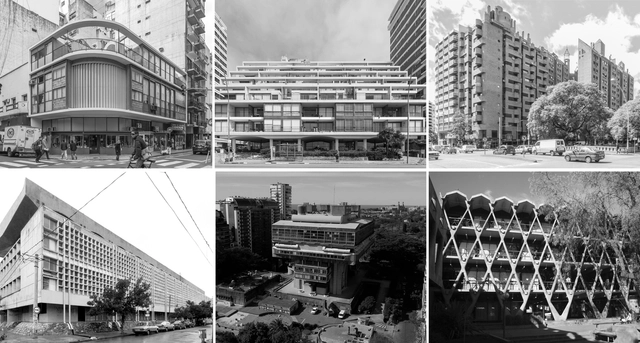
1. Casa de Estudios para Artistas / Antonio Bonet. 2. Terrace Palace / Antonio Bonet, Roberto Luna, Raúl Fernández y Alejandro Zamudio. 3. La Obra Urbana de Togo Díaz / José Ignacio Díaz. 4. Colegio Manuel Belgrano / Bidinost+Chute+Gasó+Lapacó+Meyer. 5. Biblioteca Nacional Mariano Moreno / Testa, Bullrich y Cazzaniga. 6. Facultad de Arquitectura de Mendoza / Enrico Tedeschi. Image
Within South America, different dates have been established to pay tribute to and honour the career, life and work of architecture professionals. While in Uruguay it is celebrated every 27th of November in relation to the creation of the first Faculty of Architecture, in Brazil every 15th of December in homage to the birth of Oscar Niemeyer or in Chile every 4th of August for the founding of the College of Architects, the Argentine Federation of Architects' Associations (FADEA) kept the 1st of July to commemorate the Day of the Argentinean Architect, respecting the establishment of the International Day of Architecture, established by the International Union of Architects (UIA) in 1985.







.jpg?1654617049&format=webp&width=640&height=580)