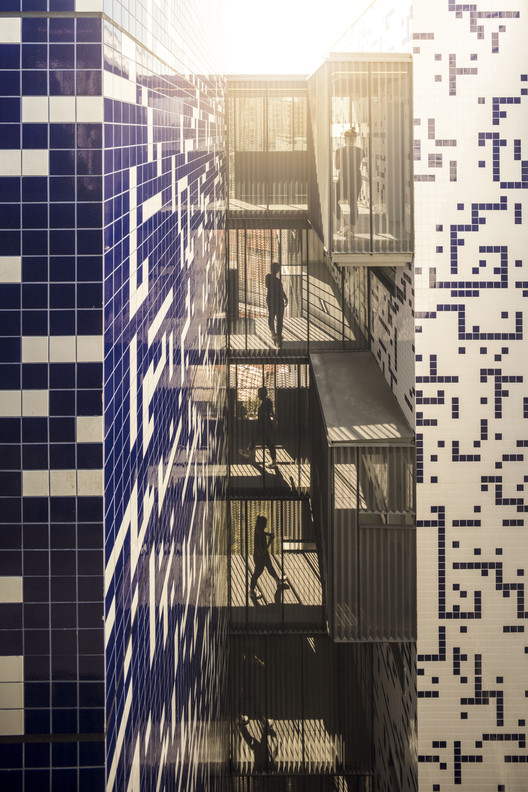
Fernando Guerra has been a pioneer in the way architecture is photographed and divulged. Fifteen years ago, he opened studio FG+SG together with his brother, and both are responsible in large part for the diffusion of Portuguese contemporary architecture in the last fifteen years.
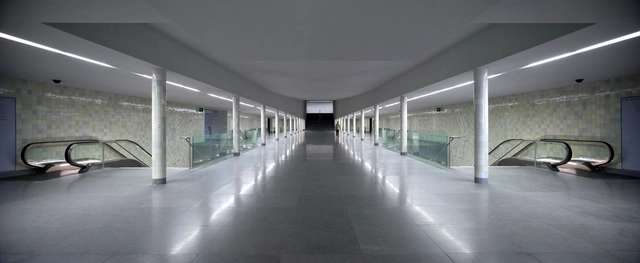
The following photo set by Fernando Guerra focuses on Porto's Subway, a project completed in 1996 and projected by the important Portuguese Architect Álvaro Siza Vieira.
Designing a subway station in Porto is about influencing the daily lives of thousands of people, where they daily circulate, establishing flows and routes, in a urbanistic and architectural intervention with large-scale dimensions. Although it demands an extremely functional and austere design, it is possible to see the gestures of the architect through the details and surprises.
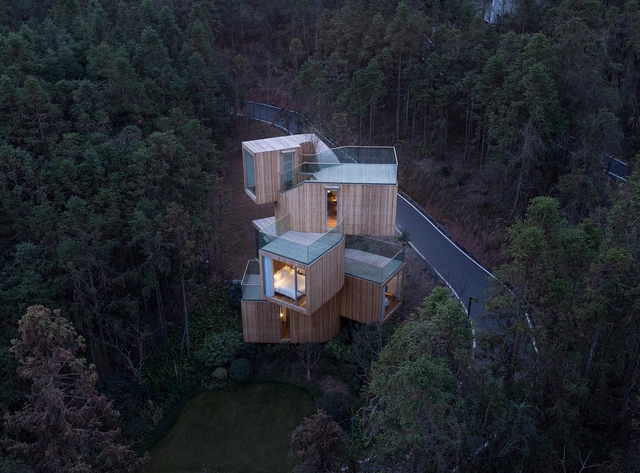
This week we have prepared a special selection of 20 images of architecture as seen from the sky. This style of image, made possible by the emergence of drones, is increasingly used in architectural photography. It makes it possible to understand, in a single image, the totality of a project, and to see how the project interacts with the context in which it is immersed. Read on to see a selection of renowned photographers such as Hufton + Crow, Fernando Guerra, NAARO, and Jesús Granada.
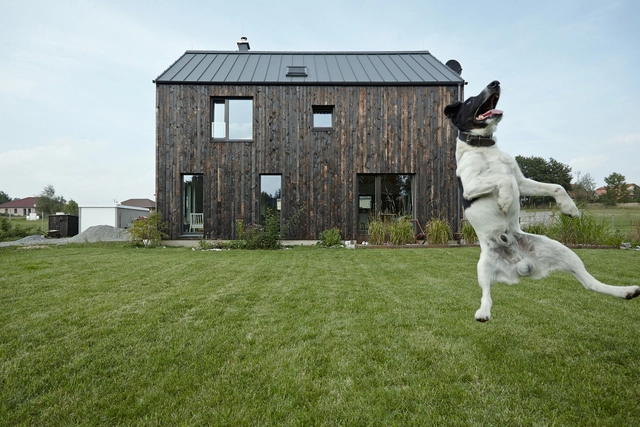
For the animal lovers among our audience, this week we have put together a special roundup of images of architecture alongside some marvelous critters. While not exactly a mainstay of architectural photography, proponents of the form like BoysPlayNice, Jesus Granada and Rafael Gamo have dared to include animal inhabitants in their architectural compositions. Read on to see a selection of 20 creative images where you will find horses, sheep, cows, goats, dogs, cats, and even elephants.
Without a doubt, it is interesting to enjoy architecture from a new perspective. Minimalist photography, characterized by clean compositions where geometry and abstraction take center stage, is one of the most popular trends when it comes to documenting architecture. In celebration of this distinctive photographic style, we have selected 14 minimalist images by prominent photographers such as Joel Filipe, Sebastian Weiss, and Nelson Garrido.
Due to its ability to be shaped into complex forms and the diversity of textures that it can offer, concrete is one of the favorite materials of many architects, who appreciate its capacity to help them realize their designs. For this reason, for this week's Photos of the Week we have selected 20 images that highlight the beauty and expressiveness of this material. Read on to see a selection of renowned photographers such as Brigida González, Bruno Candiotto, Élena Marini Silvestri, and Raphael Olivier.
Architecture is always a reflection on how to interact with and relate to nature. Some architects show a preference for distinctive shapes and materials that contrast with the landscape, while others prefer to mimic the surroundings with organic works. But regardless of the techniques employed, architecture has reached the most remote and incredible places on the planet. Below is a selection of 16 images which show the combination of architecture and landscape by prominent photographers such as Su Shengliang, Sergio Pirrone and Valentin Jeck.
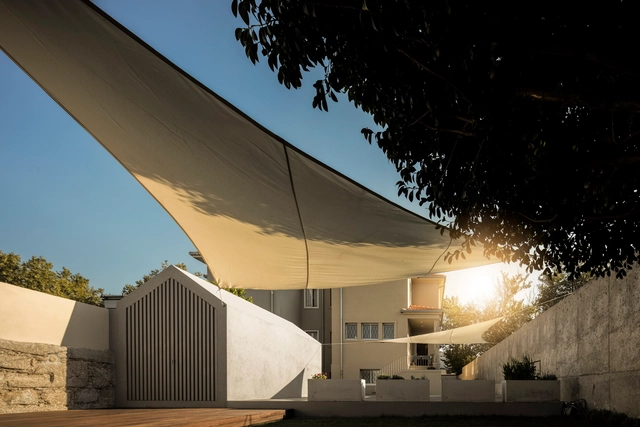
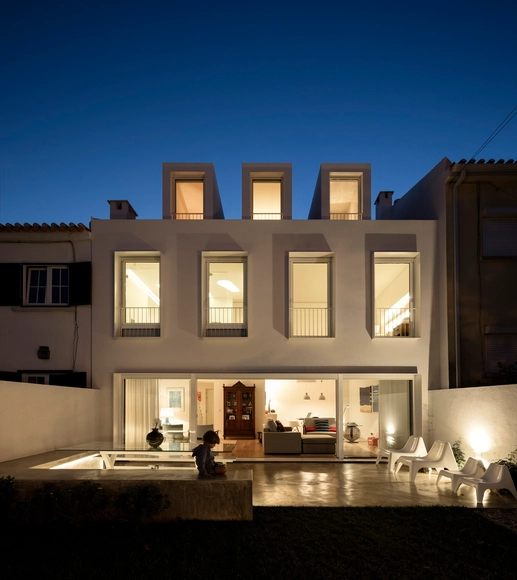
Manufacturers: Azulima, Bairro Design, Caixilharia, Cerâmicos, Climatização, +5Construtor, Iluminação, NVE Engenharias, Olimpia Splendid, Sistema motorizado da abertura da piscina-5
You’re a chipper young first-year student, still soft and tender in the early stages of your induction into the cult of architecture. Apart from fiddling with drafting triangles and furiously scribbling down the newfound jargon that is going to forever change how you communicate, you often find yourself planted in a seat, eyes transfixed to a projector screen as your professor-slash-cult-leader flashes images of the architecture world's masterpieces, patron saints, and divine structures.
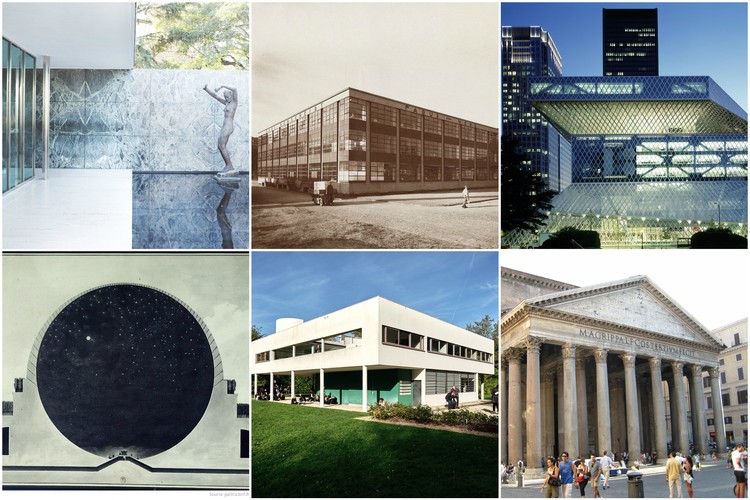
Soon, you develop a Pavlovian response: you instinctively recognize these buildings, can name them at once and recite a number of soundbites about their design that have lodged themselves in your brain. Your professor looks on in approval. Since we here at ArchDaily have also partaken in this rite of passage, here are 15 buildings that we all recognize from the rituals of architecture school.
The following photo set by Fernando Guerra focuses on the Galician Center of Contemporary Art, a project by Portuguese architect Álvaro Siza Vieira.
Located in the Spanish city of Santiago de Compostela, the Galician Center for Contemporary Art was developed in 1993. Its declared horizontality and respect for the surrounding buildings and the urban structure are configured in the most remarkable gestures of this project. The solid and austere volumes form the boundaries of the area to the streets, with subtractions that make it accessible. The center has several permanent and temporary exhibition rooms, auditorium, library, cafeteria and administrative rooms.
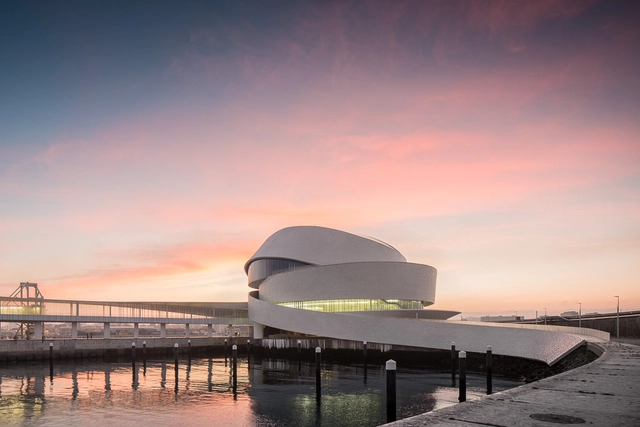
The strategic definition of a new cruise terminal had a double objective: improvement of the commercial efficiency and a better urban integration. In this photoset, Fernando Guerra captures the many sides of the Leixões Cruise Terminal, a project that won the 2017 Building of the Year Awardsin the "Public Architecture" category.
Get to know all the facets of this building below.
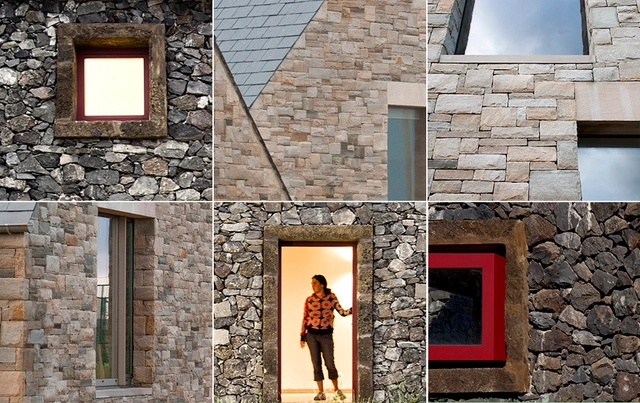
Stone is elemental to our built world. It is one of the oldest (if not the oldest) materials used in man-made habitats. The sense of timelessness in stone is attributed to its long and varied history alongside architecture. From ancient monoliths to cities to houses, the diversity of stone means that it can be used to convey a variety of expressions. Carved, polished, sedimented, stacked, preserved - the list can go on and on. The feeling stone conveys in contemporary projects usually brings with it a sense of place – a raw materiality when paired with timber or other natural materials. With that in mind, check out these 6 details of projects that stand out for their use of stone: