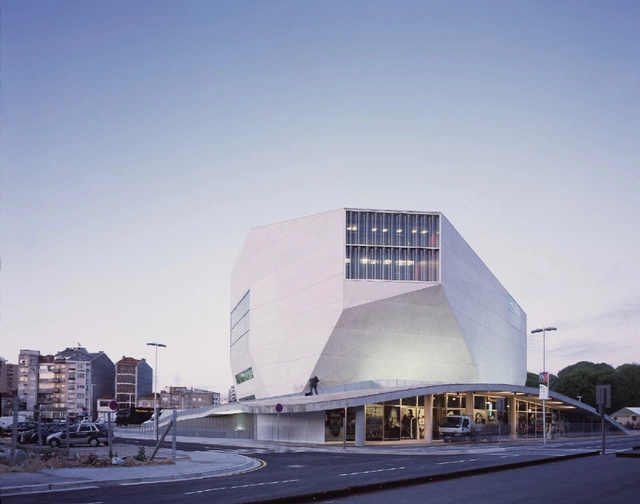
With the extensive list of acclaimed alumni of his firm, OMA, it is not a stretch to call Rem Koolhaas (born 17 November 1944) the godfather of contemporary architecture. Equal parts theorist and designer, over his 40-year career Koolhaas has revolutionized the way architects look at program and interaction of space, and today continues to design buildings that push the capabilities of architecture to new places.
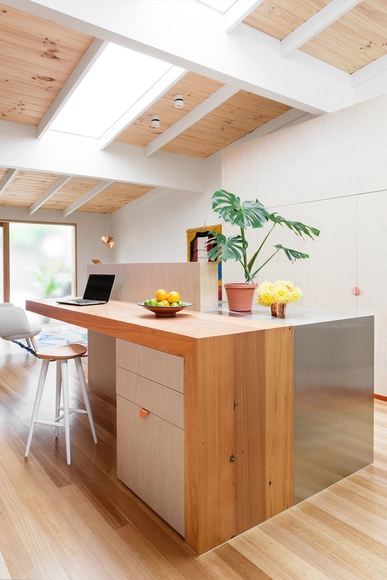
One of the most practical and functional spaces of any residential project is the kitchen. Its artificial surfaces – be it countertops, kitchen benches, or coverings – contain most of the space's equipment. Thus, it’s essential to build kitchens with the most resistant and hygienic materials. Aside from these requirements, it's also important to pay attention to aesthetics and profitability, while adapting the space to the dynamics of each family.
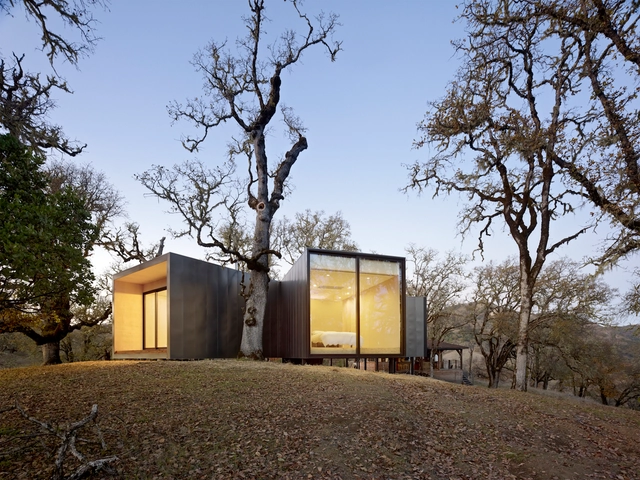
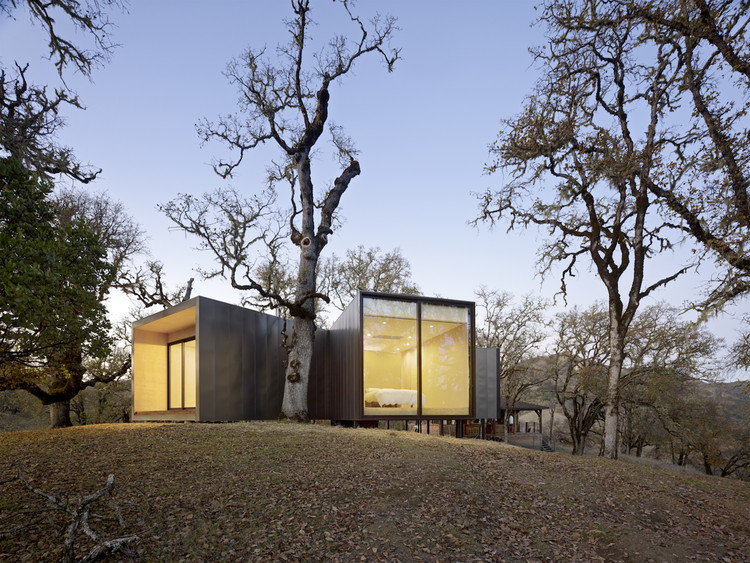
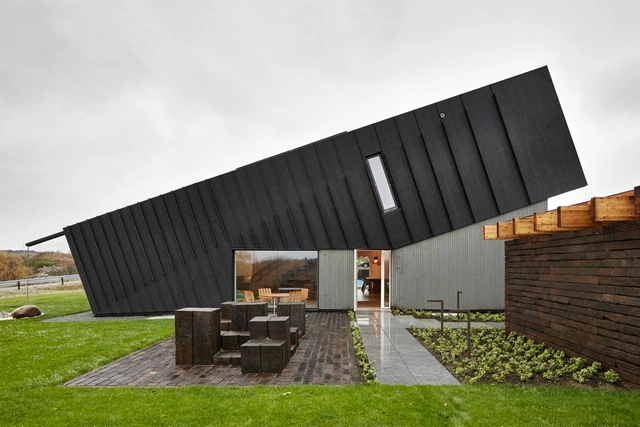
Manufacturers: VELUX Group, Acuity Brands, All Weather Architectural Aluminum, CB2, CB2 Utility Pendant lights, +17Crossgrain, Duro-Last, Flashing by Western Metal Deck, Lithonia Flourescent Strip Lights, Lithonia Lighting, Mathiesen, Morso, Noritz, OSB Flooring throughout, Panda Windows & Doors, Paneling, PaperStone, Rezibond Rustwall, Semco, Tyvek, Western Metal Deck, semco Modern Seamless Surface-17
It is expected that within the next couple of decades, Earth will have absolutely nothing left to offer whoever/whatever is capable of surviving on it. Although the human race is solely responsible for the damages done to the planet, a thin silver lining can still be seen if radical changes were to be done to the way we live on Earth and how we sustain it.
Since architects and designers carry a responsibility of building a substantial future, we have put together an A-Z list of every sustainability term that you might come across. Every week, a new set of letters will be published, helping you stay well-rounded on everything related to sustainable architecture and design. Here are the terms that start with letters A, B, and C.
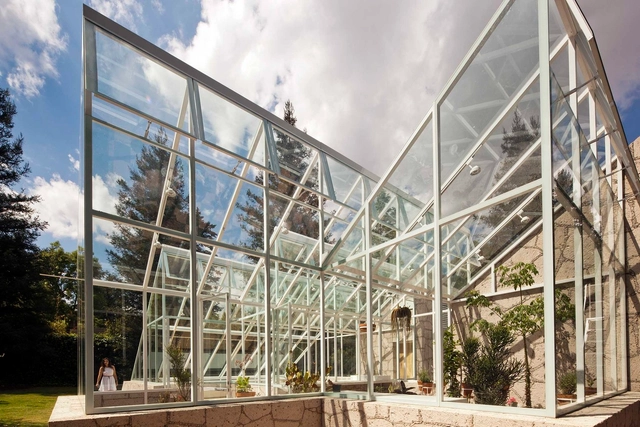
Although the sun is almost 150 million kilometers away, this star has had the most impact on our planet. But while some are busy chasing the sun for sun-kissed skin, architects are all about creating sun-kissed spaces.
By definition, “passive solar energy is the collection and distribution of energy obtained by the sun using natural means”. The simple concept and process of implementing passive solar energy systems have provided buildings with heat, lighting, mechanical power, and electricity in the most environmentally-conscious way possible.
In this article, we will provide you with a complete guide of implementing passive solar systems in your designs.
Have you ever found yourself losing a good night’s sleep due to an overly warm room? Or wearing four jackets and a scarf just to tolerate your office’s frigid air conditioning? Truth be told, you can’t please everyone when it comes to adjusting an indoor climate, and there is always that one unfortunate individual who ends up sacrificing their own comfort for the sake of others.
Evidently, there are no ‘universal standards’ or ‘recommended comfort ranges’ in designing building systems, since athletes training in a gym in Mexico will not feel comfortable in an interior with the same building systems of a nursing home in Denmark, for instance. Which is why, if we were to briefly define ‘thermal comfort’, it is the creation of building systems that are adapted to the local environment and functions of the space, cooperatively.
Sustainability awards and standards touted by professional architecture organizations often stop at opening day, failing to take into account the day-to-day energy use of a building. With the current format unlikely to change, how can we rethink the way what sustainability means in architecture today? The first step might be to stop rewarding purpose-built architecture, and look instead to the buildings we already have. This article was originally published on CommonEdge as"Why Reusing Buildings Should be the Next Big Thing."
At the inaugural Rio Conference on the Global Environment in 1992, three facts became abundantly clear: the earth was indeed warming; fossil fuels were no longer a viable source of energy; the built environment would have to adapt to this new reality. That year I published an essay in the Journal of Architectural Education called “Architecture for a Contingent Environment” suggesting that architects join with both naturalists and preservationists to confront this situation.
https://www.archdaily.com/909863/why-reusing-buildings-should-and-must-be-the-next-big-thingMark Alan Hewitt
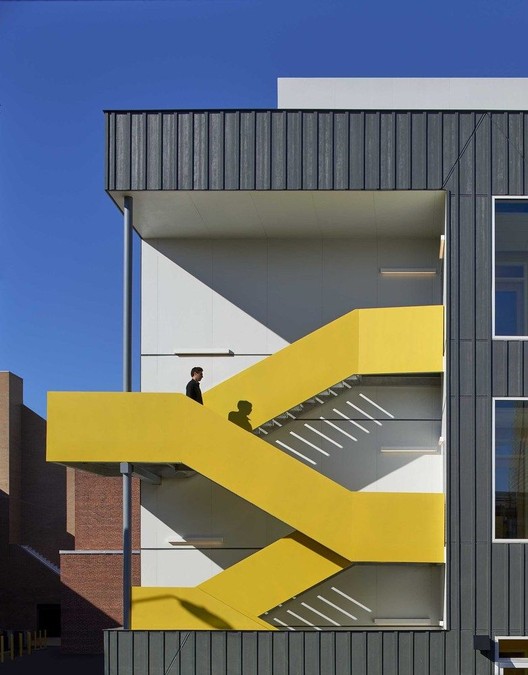
Mundo Verde at Cook Campus / Studio Twenty Seven Architecture
A misconception often surfaces in design circles that architectural beauty and evidence-based environmental performance are mutually exclusive. To address this, the American Institute of Architects (AIA) Committee on the Environment (COTE) is releasing a new tool that can assist architecture firms in designing high-performance energy-efficient buildings.
Despite the federal stance on paramount environmental issues, the AIA upholds and advocates for the responsibility of architects to mitigate against the effects of climate change. Aware that the construction industry consumes nearly 40% of the energy supply nationwide, the AIA COTE® Top Ten Toolkit presents a series of strategies to promote sustainability without compromising the design.
Architects are often driven by forces which are stronger than aesthetics or even client whims and desires. To some extent we’re captive to the tools and materials we use, and the legal limitations placed on us as architects. Today a new code definition has changed one type of building in all of the ways architects usually control.
Home automation, or Domotics, is a set of technologies applied to a residence to control lighting, climate, entertainment systems, and appliances. Its systems allow for efficient management of energy consumption, security, accessibility, and the general comfort of the building, becoming an important issue to consider when designing, building, and living.
Domotic systems are based on the collection of data by sensors, which are then processed to issue precise orders to the executors, varying the environmental quality of each enclosure according to the needs of the user. The pace of current life and the technological advances we have experienced in recent years have led to new ways of living, motivating the design of homes and more human, multifunctional and flexible buildings. What was once a luxury is now a feasible and effective solution for all types of projects.
In this article, we've compiled a collection of smart homes where domotics have been used.





















-45.jpg?1545636155&format=webp&width=230&height=230&crop=true)
-44.jpg?1545636138&format=webp&width=230&height=230&crop=true)