ArchDaily

BROWSE ALL FROM THIS PHOTOGRAPHER HERE

On Salone del Mobile 2021, the Democratization of Design and Environmental Qualities: In Conversation with Stefano Boeri

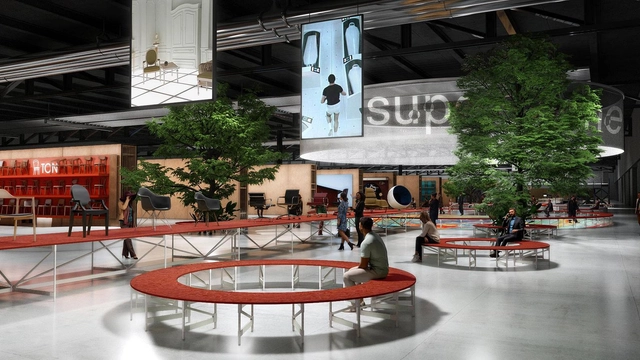
Salone is the most important furniture event in the world, strongly connected to the city and the design culture. This year we are seeing a new expanded format to mark the 60th anniversary of Salone del Mobile, titled "SuperSalone", a prequel to the 2022 edition, with a very accentuated focus on the materiality and the sustainable aspect.

Managing to put together the physical and the digital, in order to make the event more accessible for the world, Salone ran during the first week of September, at the Rho Fiera. During these design days, ArchDaily had the chance to speak with the curator, Stefano Boeri, discussing this very special edition, the relationship between the city of Milano and Salone, the democratization of design as well as the environmental quality in his projects around the world.

On Salone del Mobile 2021, the Democratization of Design and Environmental Qualities: In Conversation with Stefano Boeri - More Images+ 3

The Architectural, Cultural, and Religious Significance of Minarets

Subscriber Access | 

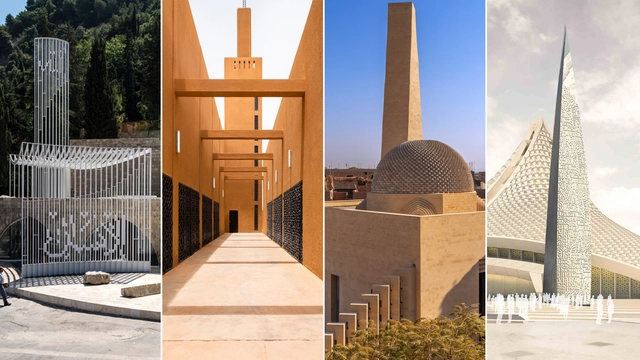
Islamic architecture has long been acknowledged as one of the most significant and influential typologies that translates the religion's core teachings and beliefs into structures. One of the most striking characteristics of architecture in the Islamic world is the focus on interior spaces. Whether it is a methodical organization of interior layouts to make use of natural light and ventilation, or the intricate detailing of ornamentation through carvings and paintings, the contrast between exterior and interior is palpable. However, one particular architectural feature defies the norms of modest facades, and stands as a strong visual statement of the presence of Islam. The minaret's distinctive structure strengthened its presence as a focal point, guiding people towards the religion's holiest space. In this article we will explore the reason behind the use of minarets and how its function has evolved culturally and architecturally.

The Architectural, Cultural, and Religious Significance of Minarets  - More Images+ 6

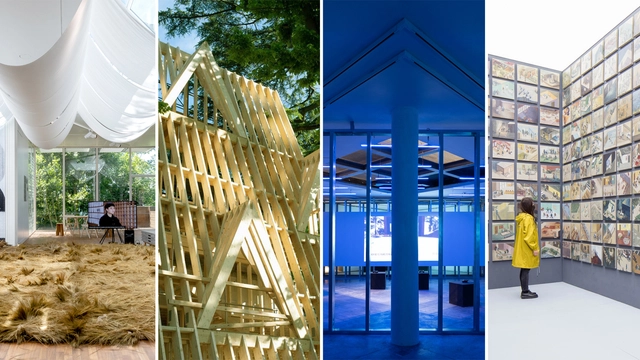
Architectural Interventions Taking Place at the 2021 Salone del Mobile

After a year of absence in light of the pandemic, Milan Design Week, one of the most anticipated design events to take place in Italy, will finally open its doors to visitors. From the 5th to the 10th of September, more than 350,000 architects, designers, artists, and craftsmen from all around the world will have the chance to explore new design innovations and exchange ideas about the interior design, furniture, and lighting. During the week-long event, Salone del Mobile, the awaited furniture and interior design event of the year, will be hosting local and international exhibitors at the Fiera Milano, Rho, along with interventions by world-renowned architects across the city.

ArchDaily will be attending the Salone del Mobile so stay tuned for exclusive interviews and collaborations, and read on to discover what to expect during the week-long exhibition and how architects are taking part of the event. 

Architectural Interventions Taking Place at the 2021 Salone del Mobile  - More Images+ 4

UAE / Wetland Wins the Golden Lion for Best National Participation at the 2021 Venice Biennale

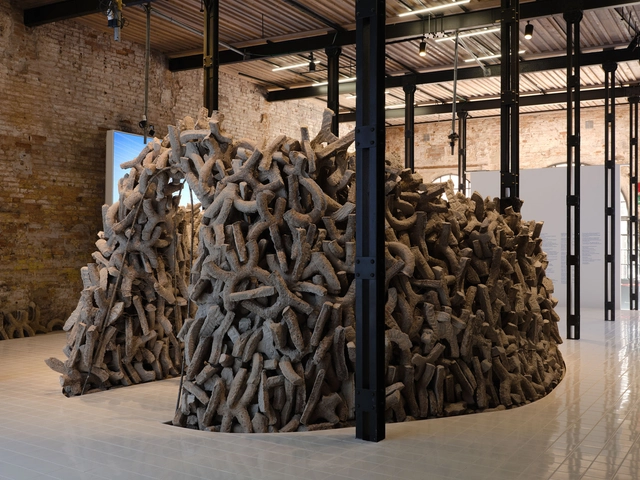
The United Arab Emirates has won the Golden Lion for Best National Participation at the 2021 Venice Biennale, with its contribution entitled Wetland curated by Wael Al Awar and Kenichi Teramoto. Selected by a jury that consists of Kazuyo Sejima (president-Japan), Sandra Barclay (Peru), Lamia Joreige (Lebanon), Lesley Lokko (Ghana-Scotland), and Luca Molinari (Italy), the winning contribution at the 17th Venice Architecture Biennale explores the local geography of the United Arab Emirates to find alternatives to cement, one of the key emitters of the world's carbon dioxide.

The award ceremony, broadcasted live on the Biennale’s official page also presented the Golden Lion for Best Participant in the International Exhibition How will we live together? to RAUMLABORBERLIN- Instances of Urban Practice while the Silver Lion for a promising young participant in the International Exhibition How will we live together? went to Border Ecologies and the Gaza Strip- Foundation for Achieving Seamless Territory (FAST). Other recognitions included a special mention for the national participation of the Philippines and Russia, and to Cave_bureau for the Anthropocene Museum: Exhibit 3.0 Obsidian Rain.

UAE / Wetland Wins the Golden Lion for Best National Participation at the 2021 Venice Biennale - More Images+ 15

Embodied Energy in Building Materials: What it is and How to Calculate It

All human activities affect the environment. Some are less impactful, some much, much more. According to the United Nations Environment Program (UNEP), the construction sector is responsible for up to 30% of all greenhouse gas emissions. Activities such as mining, processing, transportation, industrial operations, and the combination of chemical products result in the release of gases such as CO2, CH4, N2O, O3, halocarbons, and water vapor. When these gases are released into the atmosphere, they absorb a portion of the sun's rays and redistribute them in the form of radiation in the atmosphere, warming our planet. With a rampant amount of gas released daily, this layer thickens, which causes solar radiation to enter and and stay in the planet. Today, this 'layer' has become so thick that mankind is beginning to experience severe consequence, such as desertification, ice melting, water scarcity, and the intensification of storms, hurricanes, and floods, which has modified ecosystems and reduced biodiversity.

As architects, one of our biggest concerns should be the reduction of carbon emissions from the buildings we construct. Being able to measure, quantify, and rate this quality is a good way to start.

"Cultural Identity is Central to Architecture": In Conversation with Lesley Lokko

Subscriber Access | 

Questioning the new now, especially with the new challenges of Covid-19, around the world, cities are advocating for structural change and collective action. Berlin questions, an annual, multi-day conference and a platform for transdisciplinary dialogue, in its 2021 edition “Metropolis: The New Now”, tackled the immediate present, creating a place for debate. Dedicated to local solutions to global challenges, the event took on a hybrid format, at various locations in Berlin and online, resembling the world we live in.

ArchDaily had the chance to meet up with Lesley Lokko, architect, academic, and novelist at Berlin Questions, to discuss her talk “Africa as the lab for the future”, her visions for the future of architecture education and the future of big cities on a social, cultural and urban level.

9 On-Site Interviews with 2021 Venice Biennale Curators

After being postponed for one year, the 17th Venice Architecture Biennale opened its doors to the public on May 22nd, 2021, revealing a wide range of answers to Hashim Sarkis’ question of "How will we live together". With over 112 participants from 46 countries, the contributions are organized into five themes: Among Diverse Beings, As New Households, As Emerging Communities, Across Borders, and As One Planet. Due to travel restrictions, many curators were unable to be physically present at the inauguration of the event, resorting to digital platforms for interviews and presentations. ArchDaily had the chance to physically attend the exhibition and meet with some of the curators to further explore their pavilions. The following are 9 interviews from ArchDaily’s Youtube playlists that feature these exclusive interviews.

2021 Venice Biennale Curators Share What they Believe is the Future of the Built Environment in One Word

The 17th Venice Architecture Biennale is currently unfolding, revealing a wide range of answers to Hashim Sarkis’ question of "How will we live together". With over 60 national pavilions, installations by international architects, and several collateral events, this year's edition restates the Biennale's role as a platform for inquiry, exploration, and innovation in architecture. ArchDaily asked the curators of Luxembourg, Chile, United Arab Emirates, Argentina, Mexico, the KOYAÜWE Installation, and Hashim Sarkis, who were all physically present in Venice at the time of the interviews, what they believe is the future of our built environment in one word.

Translucent Sandwich Panels: Producing Healthy Buildings with an Abundance of Natural Light

 | Sponsored Content

People have fundamental needs that must be met in order to survive, which include: oxygen, water, food, sleep, and shelter. They also have secondary requirements, one of which is daylight. When thinking about how buildings can keep people healthy, it is important to remember that daylighting is essential to wellness, in fact, human circadian rhythms are dependent on it.

From Hidden Backrooms to Storage Units, Domestic Workers and the Evolution of their Living Space

Looking through interior images of houses, we often see grand bedrooms with an influx of natural lighting. We see inviting open-space living rooms, lush terraces, and kitchens with high-end equipment and refined finishes. But what we don't see is that behind these sleek walls are small neglected bedrooms without proper ventilation, natural lighting, or space to move around, dedicated to those who cater to the entire household.  

The disparate spatial configuration and "colonial" approach to the living conditions of servants and foreign laborers have existed long before the rise of congested cities and micro-apartments. Household owners, or at least a good sum of them, have always felt that domestic workers needed and deserved less space to reside in, not just in terms of spatial area, but in terms of necessary living conditions for a better, more comfortable life.

From Hidden Backrooms to Storage Units, Domestic Workers and the Evolution of their Living Space - More Images+ 14

"Dissecting the Politics and Mechanics of Institutions": In Conversation with Russian Pavilion Curator Ippolito Pestellini Laparelli at the 2021 Venice Biennale

To answer the Biennale's question of "How Will We Live Together", curators of the national pavilions explored what the future would look like in an architectural, cultural, and environmental context. Many saw the future as an entirely virtual environment whereas other highlighted the cruciality of physical coexistence with neighbors. ArchDaily met with Ippolito Pestellini Laparelli, curator of the Russian Pavilion, to discuss how the idea of the pavilion came together throughout the year as a virtual platform for interdisciplinary creative thinkers, the role of cultural institutions across physical and digital spaces, and how digitalization is always part of the conversation.

Dissecting the Politics and Mechanics of Institutions: In Conversation with Russian Pavilion Curator Ippolito Pestellini Laparelli at the 2021 Venice Biennale   - More Images+ 26

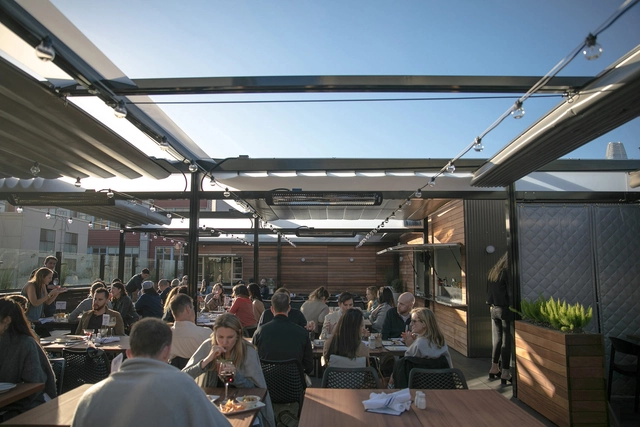
Flexible Outdoor Dining Spaces with High-Quality Canopies for All Seasons

 | Sponsored Content

When it comes to dining, drinking, and entertaining, outdoor spaces have overtaken all other venues. In the wake of concerns about hygiene and social distancing over the past year, patio and rooftop areas have become a crucial part of the hospitality industry. Fortunately, there are many innovative ways to make patio spaces that are comfortable and outdoor-friendly, not just during the summer but in any season. 

ShadeFX manufactures innovative and versatile retractable shade solutions. Fully customizable and at the heart of every project, the patented ‘Single Track’ systems provide unrestrictive coverage for some of the world’s premier commercial, residential, institutional, and municipal properties. Below are several examples of spaces that have been designed to create an optimal outdoor dining experience.

"Our Future Vernacular Could Be Our Industrial Waste": In Conversation with UAE Pavilion Curator Wael Al Awar at the 2021 Venice Biennale

Subscriber Access | 

With the inauguration of the 17th Venice Architecture Biennale, 60 nations from across the world showcased unique solutions to the question of “How will we live together”. Neither the pandemic nor its repercussions got in the way of the curators' creative process. Instead, they took it as a factor to explore how the notion of 'living together' has changed over the past year, and how they can reimagine better built environments. ArchDaily had the opportunity to meet with architect Wael Al Awar, one of the co-curators of the UAE Pavilion, to discuss how the pavilion's innovative material came to be and what it means for the future of architecture.

Our Future Vernacular Could Be Our Industrial Waste: In Conversation with UAE Pavilion Curator Wael Al Awar at the 2021 Venice Biennale  - More Images+ 6

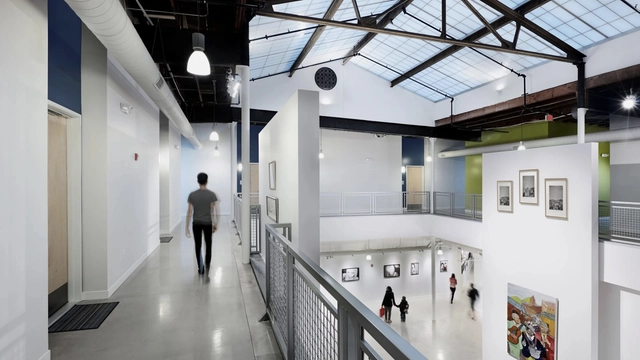
From Empty Grids to Interactive Playgrounds: Parking Lots and their Evolving Identities

Subscriber Access | 

In theory, parking spaces serve only one function: park a car safely until it is used again, and in terms of design, car garages are flexible and straightforward, requiring minimal design interventions. However, parking spaces nowadays are no longer considered one-function buildings. The emptier the space, the more potential it has to integrate additional functions. Architects and urban planners have redefined traditional parking lots, adding recreational and commercial facilities to the structure. Instead of a typical structured grid plan with yellow and white markings on the floor, we are now seeing inviting structures that incorporate green facades and rooftop playgrounds, car washes, cafeterias, and work/study zones.

From Empty Grids to Interactive Playgrounds: Parking Lots and their Evolving Identities - More Images+ 20

The Versatility and Structural Integrity of Extra-Long Brick Finish

 | Sponsored Content

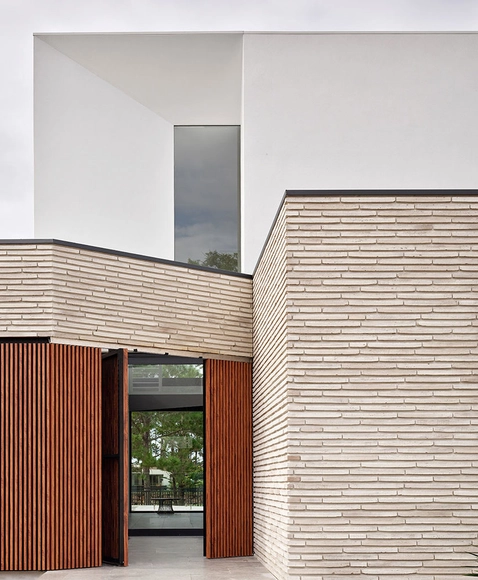
When creating a contemporary atmosphere for living, many factors come into play. The surrounding environment, its climate, use of materials, spatial organization, and the attention to detail in both the interior and exterior design, all impact the quality of the design as a whole.

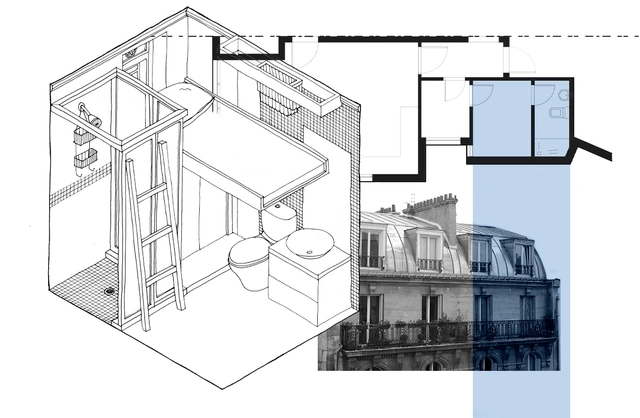
Evolution of the House Plan in Europe: from the Industrial Revolution to the Interwar Period

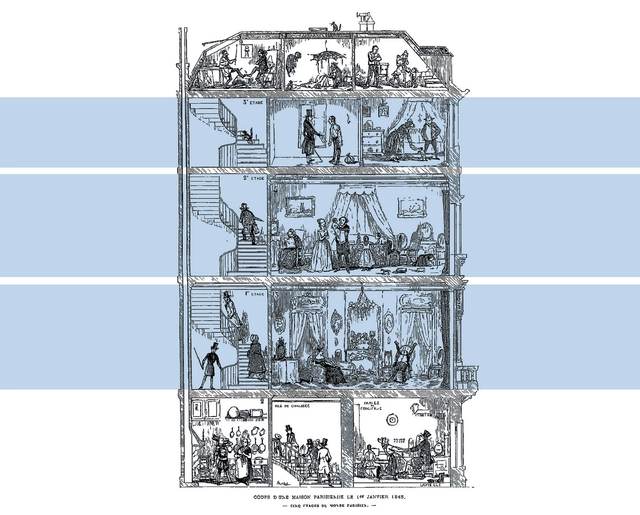
The introduction of new techniques and materials, along with innovations in indoor plumbing systems, resulting from the industrial revolution, paved the way for vertical living. Investigating specifically a period of time where a flux of population was driven to cities, and social class divisions were being questioned, this article looks back at the evolution of the house plan in Europe between 1760 and 1939.

Tackling the transformation of the housing unit during the industrial revolution all the way to the interwar period, this feature highlights four prominent examples that rethought traditional layouts and responded to the challenges of their time. Still influential today, the mentioned models, restored for use, happen to be part of the 21st-century urban fabric. Located in London, Paris, Amsterdam, and Moscow, the plans showcase the ever-changing interior wellbeing standards, directly linked to a broader metamorphosis, equalizing and providing for growing urban populations. Discover the evolution of living units from the Back to Back Houses to the Garden Cities of England; the Haussmannien Block, a Vertical Living for a Modern Bourgeoisie; the Extension of Amsterdam, from Alcove Housing to Social Housing Blocks; and the Transition Type House in Russia.

Evolution of the House Plan in Europe: from the Industrial Revolution to the Interwar Period  - More Images+ 16

Anne Lacaton and Jean-Philippe Vassal Receive the 2021 Pritzker Architecture Prize

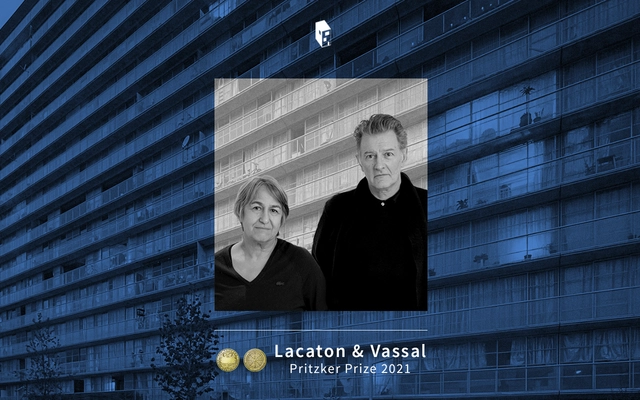
The 2021 Pritzker Architecture Prize, architecture’s highest honor, has been granted to Anne Lacaton and Jean-Philippe Vassal, founders of Lacaton & Vassal, the French duo renowned for their multiple sustainable housing projects and for the Palais de Tokyo, a contemporary art gallery in Paris. In their three decades of work, Lacaton & Vassal always prioritized the “enrichment of human life”, benefiting the individual and supporting the evolution of the city.

Anne Lacaton and Jean-Philippe Vassal Receive the 2021 Pritzker Architecture Prize - More Images+ 32

10 Inspiring Interviews of Women In Architecture

In the midst of International Women’s Day which was on March 8th, this year features a week-long curation of articles and editorials by ArchDaily, seeking to dissipate the gender disparity that exists in the world of architecture. In highlighting women's voices in architectural conversations - the following are 10 interviews from ArchDaily’s archived Youtube playlists that feature inspiring women figures in the world of architecture.