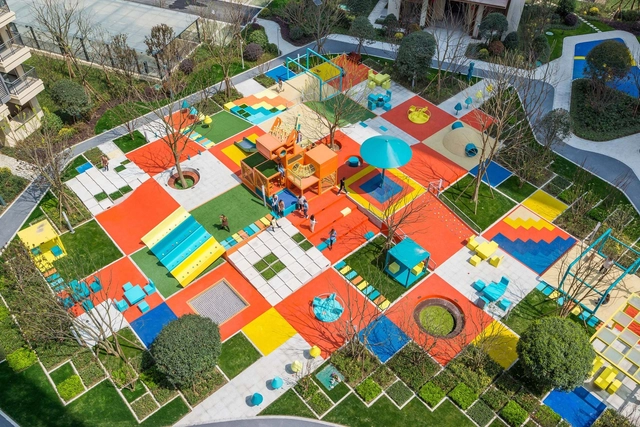
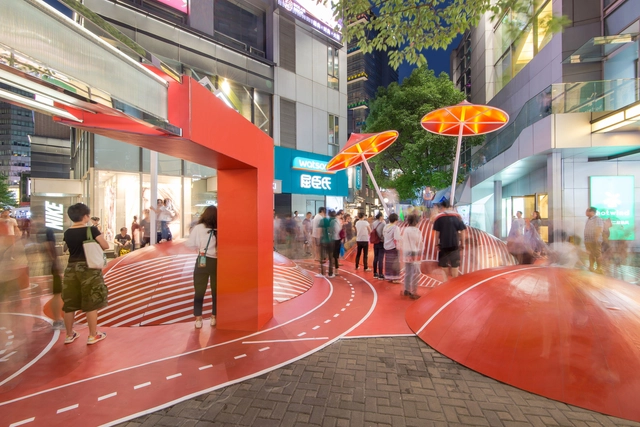
On the first Monday of October, World Architecture Day offers an opportunity to reflect on the role that architecture plays in shaping our world and our communities. Established by the International Union of Architects (UIA) in 1986, this day was designated as a basis for the ongoing discussions on innovations in architectural practice, new approaches to the ever-changing role of architects and designers, and the varied responses to emerging concerns.
As in previous editions, UIA sets a central yearly theme to guide these conversations. This year, the theme of World Architecture Day 2024, "Empowering the Next Generation to Participate in Urban Design," opens up multiple interpretations, contemplating the impact of urban design on the next generation, as well as highlighting the impact and contributions of young architects in shaping the cities of tomorrow. This year's event aims to address crucial challenges faced by the urban environments and their impact on the next generations. The focus is on creating cities that are not only greener and more environmentally friendly but also inclusive, catering to the diverse needs of various groups in society.
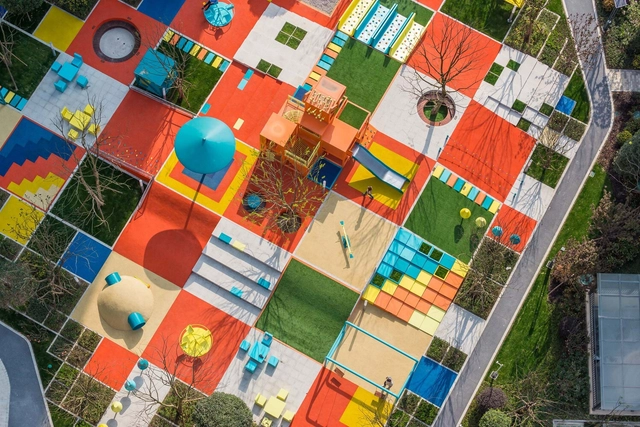
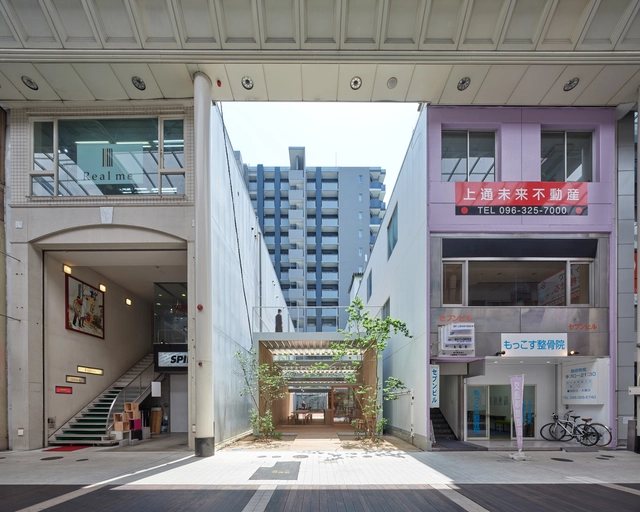
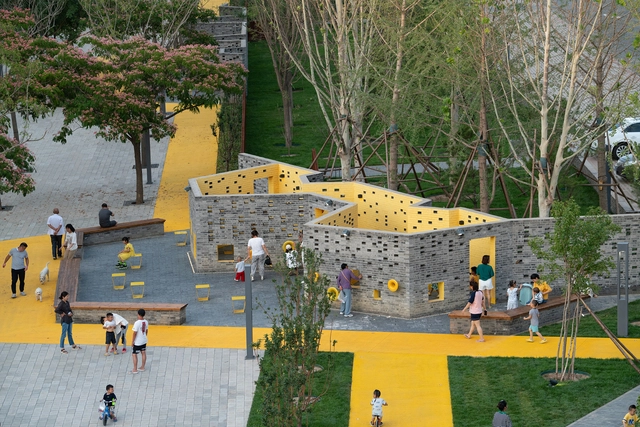
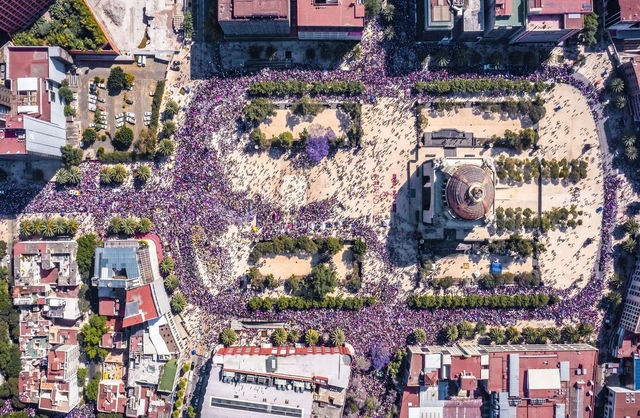
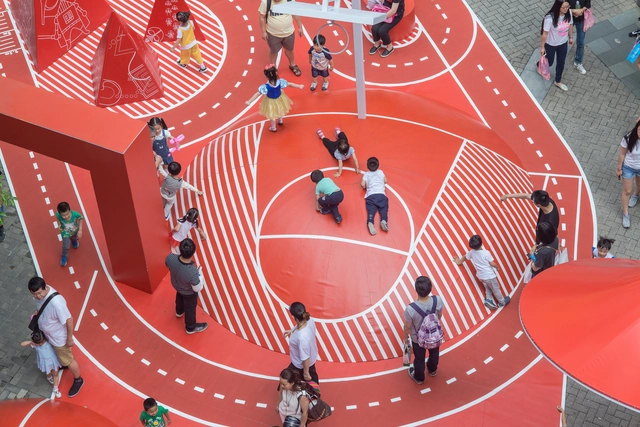
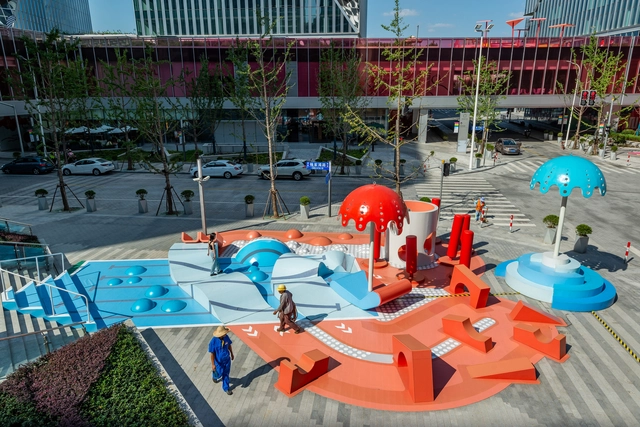
Cities constantly undergo infinite changes, leaving many spaces within the urban fabric forgotten and unused. Historic buildings are refurbished, and adaptive reuse explores new possibilities, but what happens with public spaces? Small interventions using simple resources and innovative solutions are the perfect way to bring these neglected alleys, plazas, and highways back to life and reincorporate them into the city.
Violent cities result from social and economic inequality, which also affects the urban landscape and the way we live. In honor of International Cities Day, we have selected a series of projects to reflect on non-violent ways of using public space.
The key to successfully designing or recovering public spaces is to achieve a series of ingredients that enhance their use as meeting places. Regardless of their scale, some important tips are designing for people's needs, the human scale, a mix of uses, multifunctionality and flexibility, comfort and safety, and integration to the urban fabric.
To give you some ideas on how to design urban furniture, bus stops, lookouts, bridges, playgrounds, squares, sports spaces, small parks, and urban parks, check out these 100 notable public spaces.
Architecture in its broadest sense concerns itself with the uprooting of structures that are permanent, cementing themselves within the greater cultural context and history of its humanity, however, where do we place the creation of structures that are designed with the intention to be disassembled. How much meaning and value can these structures hold, knowing they were never designed to last, but to simply take up space for a moment?
World Architecture Day, celebrated on the first Monday of every October, was set up by the Union International des Architects (UIA) back in 2005 to “remind the world of its collective responsibility for the future of the human habitat”, coinciding with UN-Habitat's World Habitat Day.
https://www.archdaily.com/277569/happy-world-architecture-dayArchDaily Team
Since the 1990s, copious amounts of cities in China have been undergoing urban renewal. Prompted by this state-facilitated urban redevelopment, skyscrapers are being built rapidly in major cities to attract affluent middle-classes, resulting in countless relocation and displacement of the working-class population. Such process is known as “gentrification”.
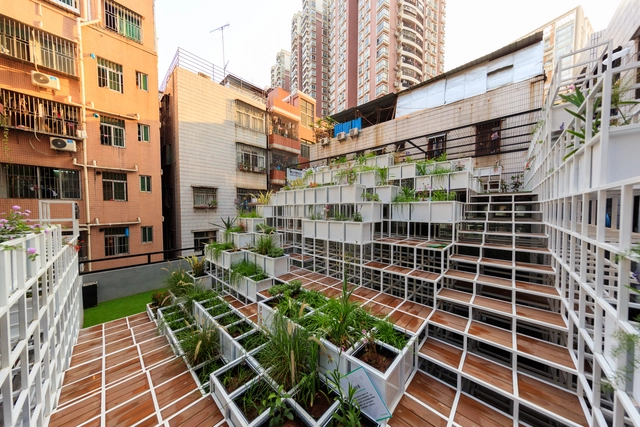
As cities and neighborhoods are being gentrified thoroughly to meet middle-class taste and boost economic growth, urban land resources are being treated in ways to increase business potential, leaving little room for the development of urban street life. Among rows of concrete and steel constructions, nowadays, urbanites are struggling to find a place to sit, rest, and play during leisure time. Analyzing five architectural practices creating livable urban public spaces, this article discusses the challenges and opportunities of urban revitalization in China under the phenomenon of gentrification.
Accessibility and mobility. When perceived through the architectural lens, these terms often evoke a range capped by two extremes. On the one end, the flexibility of circulation systems; the universality of egress networks; and the technicalities of minimums and maximums. On the other end, a project’s capacity to support broad ranges of socioeconomic narratives; its malleability in the face of rapid fluctuations of program and function; and its reactivity in maintaining a productive role amidst the ebbs and flows of societal dynamics.
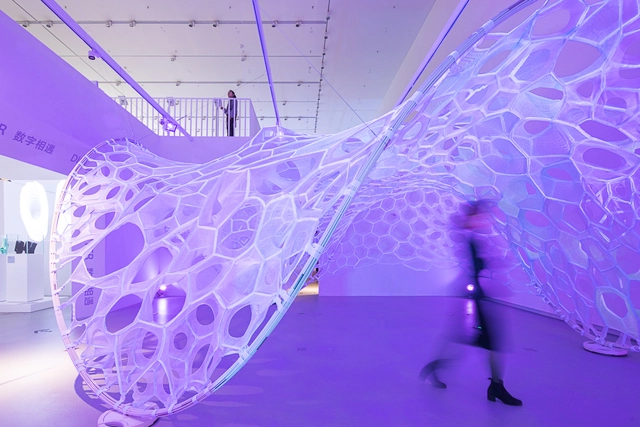
Normally the efforts of the construction industry are aimed to design permanent and durable spaces. However, on some occasions creating temporary spaces can be of great help, not only when providing fast assembly infrastructure after the effects of a natural disaster, but also when activating residual or abandoned spaces in our cities. To exemplify the potential of these interventions, we present thirteen successful temporary public spaces.
Although architecture has been constantly evolving, past builders have laid out a huge amount architectural heritage for us to learn from and get inspired by, and integrating natural elements with man-made structures is no exception.
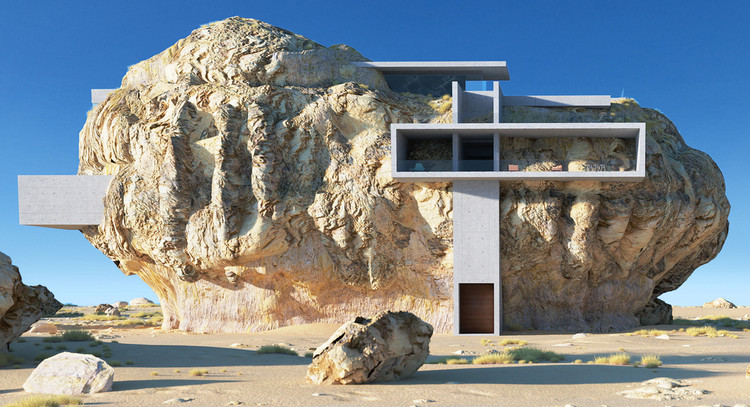
Shanghai-based architect and architectural photographer Amey Kandalgaonkar found inspiration in the rock cut-tomb of Madain Saleh in Saudi Arabia, and with the same architecture approach, designed two residential projects that incorporate architecture with the rigid parts of nature.
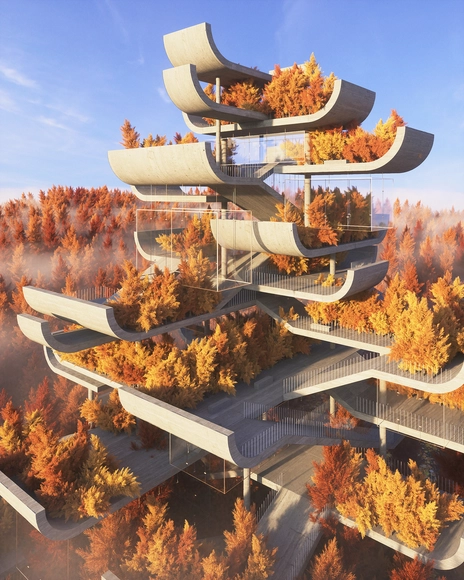
Amey Kandalgaonkar has unveiled a project which reimagines the traditional Chinese pagoda in a modernist style. The Shanghai-based designer created the fictional reinterpretation as a homage to a building form largely untouched by Modernism, featuring raw brut concrete, minimal ornamentation, and bold geometric moves.
https://www.archdaily.com/916524/amey-kandalgaonkar-reimagines-traditional-chinese-pagodas-for-a-modernist-eraNiall Patrick Walsh