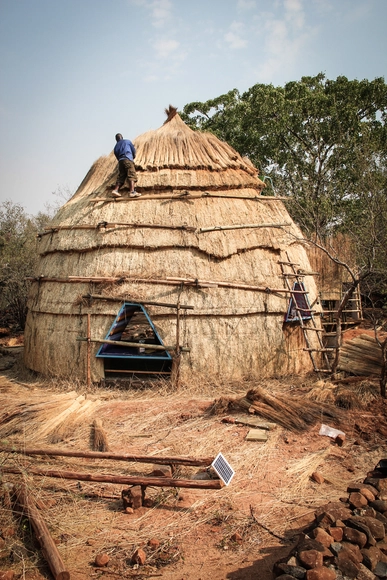
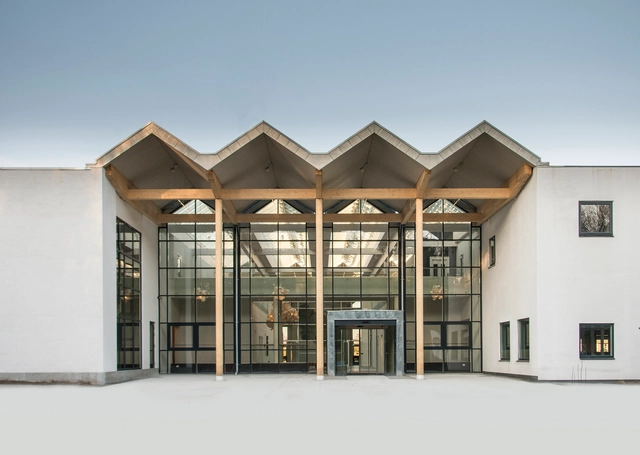
At first glance, Dorte Mandrup's design for the Wadden Sea Center seems to mimic the landscape. Its low height, its horizontal lines and, above all, its materiality make it a modern building in perfect harmony with the local nature. But its connection also encompasses the built heritage of the region, more specifically because of its covering with straw, harvested and dried close to the land. This is an extremely traditional and historic building technique, but which is rarely attributed to contemporary buildings. In this article we will rescue some of the history of this natural material, its constructive characteristics and some examples of use.
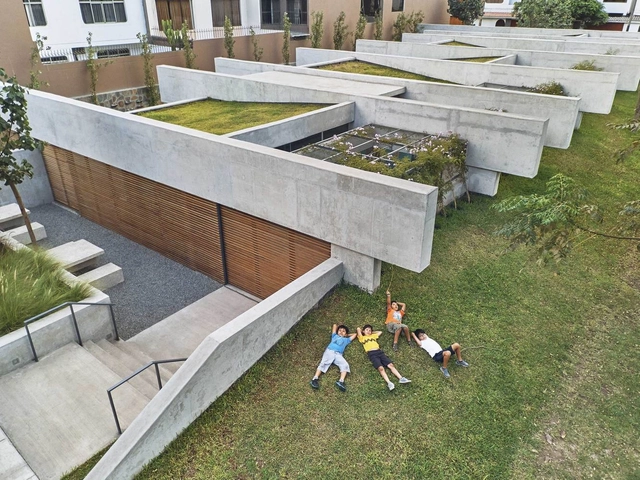
For architects, schools are often complex structures to design. They must provide a variety of spaces for education, and also consider sports and recreational activities. But beyond its size or surface, the greatest challenge is to design an area that fosters a positive pedagogical environment for children. Below, a selection of +70 school projects with their drawings to inspire your proposals for learning campuses.
How many times have you been faced with the challenge of designing a cultural center? While this may seem like quite a feat, many architects have had to design a program that blends a community center with culture.
Among the projects published on our site, we have found numerous examples that highlight different responses, from flexible configurations to sites that prioritize central gathering areas for citizens and activities. See our series of 50 community centers and their plans and sections below.
The Second Studio (formerly The Midnight Charette) is an explicit podcast about design, architecture, and the everyday. Hosted by Architects David Lee and Marina Bourderonnet, it features different creative professionals in unscripted conversations that allow for thoughtful takes and personal discussions.
A variety of subjects are covered with honesty and humor: some episodes are interviews, while others are tips for fellow designers, reviews of buildings and other projects, or casual explorations of everyday life and design. The Second Studio is also available on iTunes, Spotify, and YouTube.
A new traveling exhibition by Danish architecture studio Dorte Mandrup opens at Aedes Architecture Forum in Berlin on 8 July 2022. The exhibition entitled PLACE delves into the strong interrelation between place and architecture and explores the role of the context ties in the quest for sustainable solutions for the future. In September, the exhibition will move to Le Bicolore – Maison du Danemark in Paris.
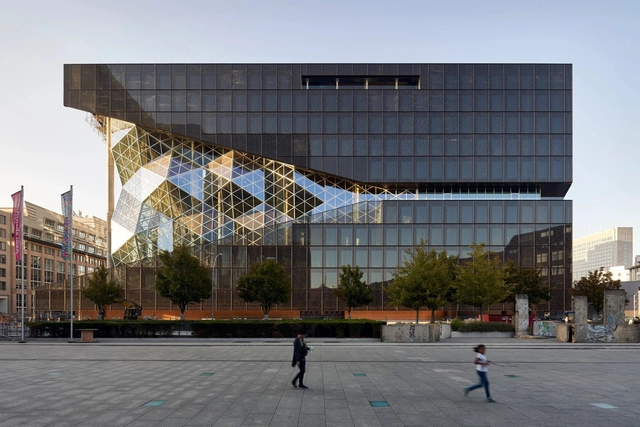
Berlin is a city defined by an eclectic mix of style and a rich history. It's built environment has been dramatically shaped by a series of municipal construction programs, and in turn, a past of extensive demolition, planned residential areas, and diverse new cultural projects. Combined with influences across Europe, Berlin's contemporary architecture showcases new ideas on building concepts, forms and facades.
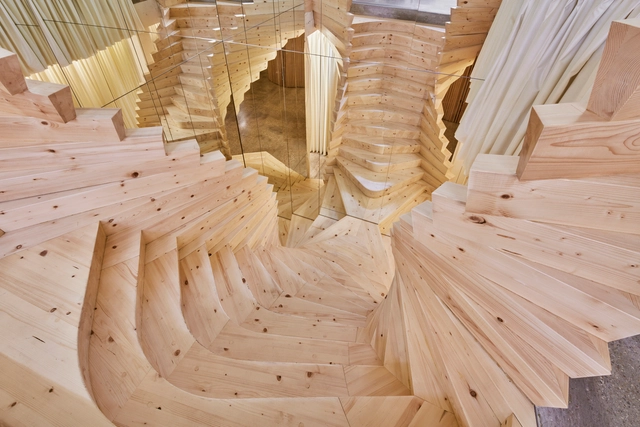
Stairs in architecture are oftentimes a design focal point- the heavyhandedness in creating something that moves us from one level to the next, up and down repeatedly, something so simple and familiar with a twist is what makes the experience of traversing a stair so unique. Our obsession with stairs and the level of illusion that they create in architecture perhaps stems from the way that they’re able to twist the optics and perceptions of space. We understand that they transport us in one direction or another, but can stairs ever be circular? Is it possible to go up and down for eternity?
A new kind of architecture distinguished by unique regional characteristics emerged in the mid-1990s when in China, architects started practicing independently from government-run design institutes. The leading Chinese architects of this time succeeded collectively in producing a unique architectural body of work when so many buildings built around the world were no longer rooted in their place and culture.
In China Dialogues, Vladimir Belogolovsky charts a panorama of Chinese architecture through the words of its main participants, lifting the veil on a prolific new generation of designers, each sharing a highly intellectualized and conceptual understanding of architecture. Following the course of 21 interviews accompanied by over 120 photographs and drawings of beautifully executed projects uprooted throughout the country since the early 2000s, China Dialogues opens up the thinking process of the country's top architects, providing an insight into their ideas, intentions, and visions in unusually revealing and candid ways.






























.jpg?1650549341&format=webp&width=640&height=580)
Adam_Mork.jpg?1650549635&format=webp&width=230&height=230&crop=true)


_schranimage.jpg?1650549533&format=webp&width=230&height=230&crop=true)
.jpg?1650549341)