

Lumion View is a lightweight, always-on visualization tool built directly into SketchUp.
How to make early-stage design faster and simpler | Lumion View for SketchUp
| Sponsored Content
https://www.archdaily.comhttps://www.archdaily.com/catalog/us/products/38459/how-to-make-early-stage-design-faster-and-simpler-lumion-view-for-sketchup-lumion
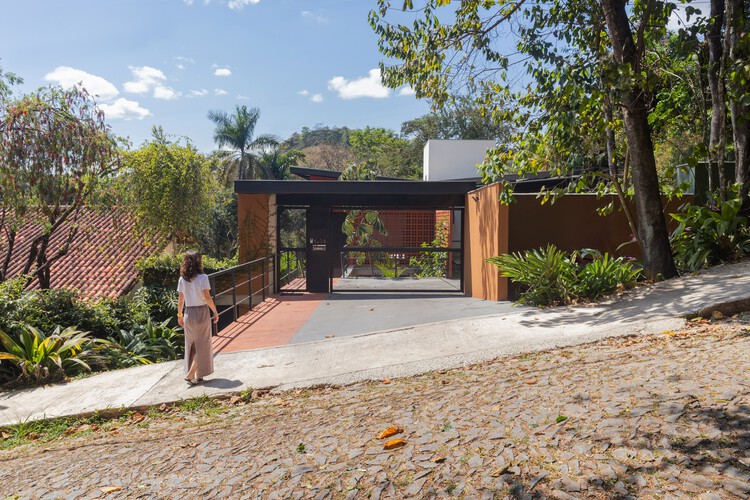
Old Golden House / Mutabile Arquitetura

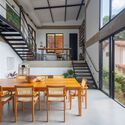
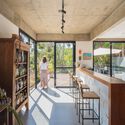
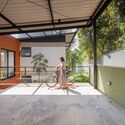
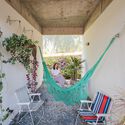
-
Architects: Mutabile Arquitetura
- Area: 320 m²
- Year: 2024
-
Manufacturers: Bellar, Eternit, Riolax
https://www.archdaily.com/1036514/old-golden-house-mutabile-arquiteturaSusanna Moreira
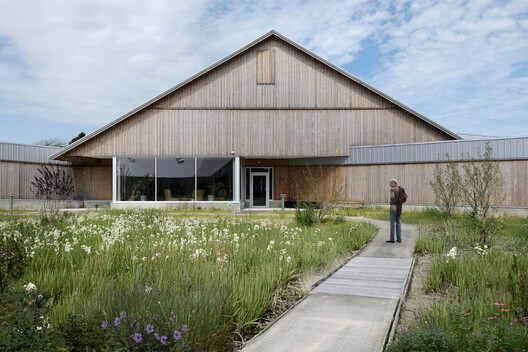
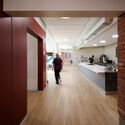
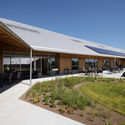
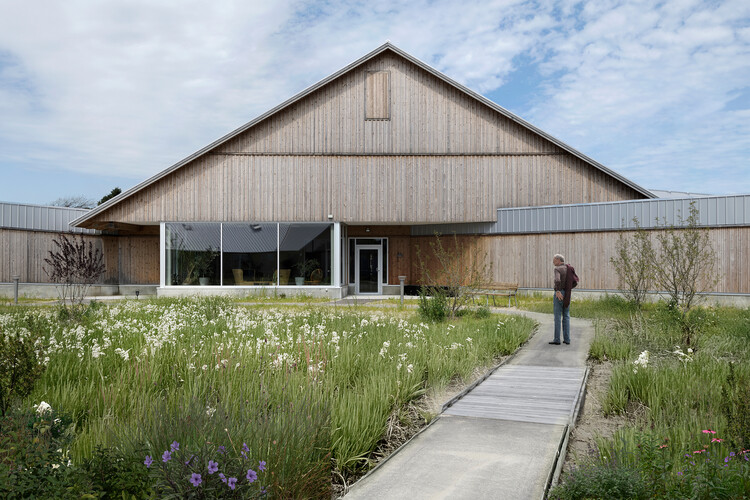
Soldalhus Nursing Home - Sunvalley House / Cubo Arkitekter
-
Architects: Cubo Arkitekter
- Area: 9800 m²
- Year: 2024
https://www.archdaily.com/1034291/soldalhus-nursing-home-sunvalley-house-cubo-arkitekterHadir Al Koshta
House in Mesão Frio / felixARQS - Daniel félix Arquitectos

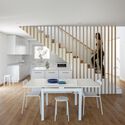
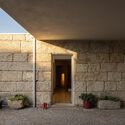
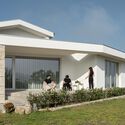
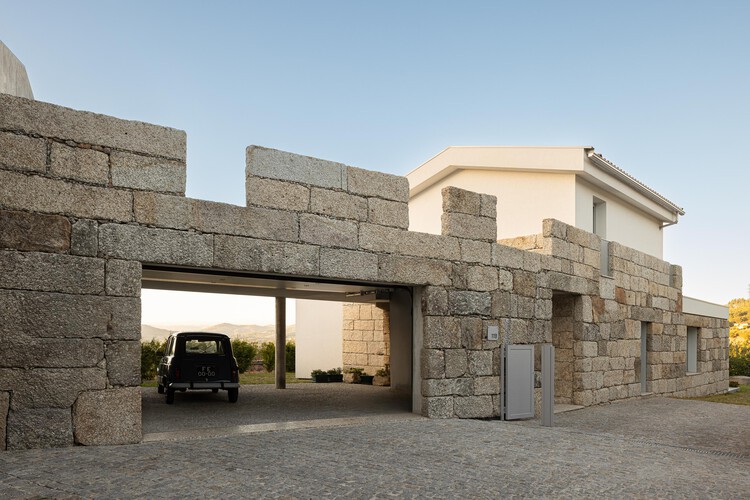
https://www.archdaily.com/1035867/house-in-mesao-frio-felixarqs-daniel-felix-arquitectosValeria Silva
Cities Need Care, Not Perfection: Rethinking How We Build the Urban Future

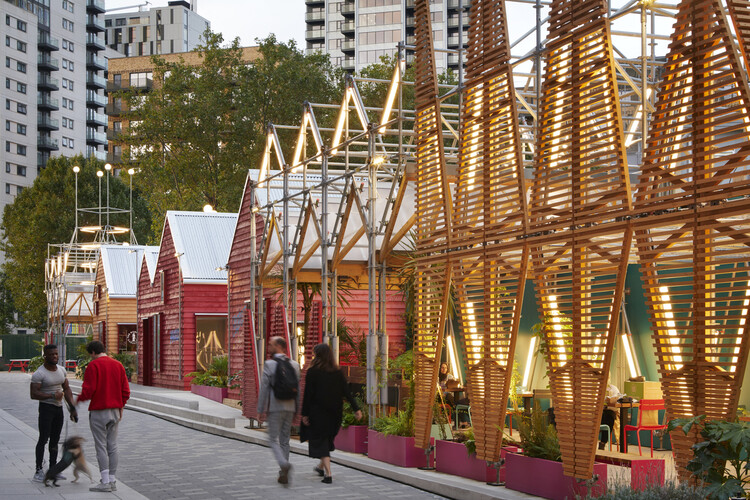
What does optimism feel like in cities that can no longer rely on perfection as their ultimate ambition? Across the world, urban environments bear the weight of overlapping pressures: climate volatility, spatial inequality, political fragmentation, public distrust, and chronic infrastructural disinvestment. These realities render the idea of an ideal city increasingly detached from lived experience. Yet the hope for building better systems persists. While utopian visions may seem like an escape from the growing complexities of the modern world, the greater challenge for contemporary city-making is to confront those complexities rather than avoid them.



https://www.archdaily.com/1036150/cities-need-care-not-perfection-reflections-from-utopian-hours-2025Olivia Poston
Edwin M. Lee Apartments / LMS Architects


-
Architects: Leddy Maytum Stacy Architects
- Area: 124000 m²
https://www.archdaily.com/1036490/edwin-m-lee-apartments-lms-architectsValeria Silva
Xuperman Table Tennis Gym / Metrics Architecture Studio


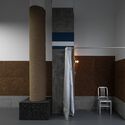
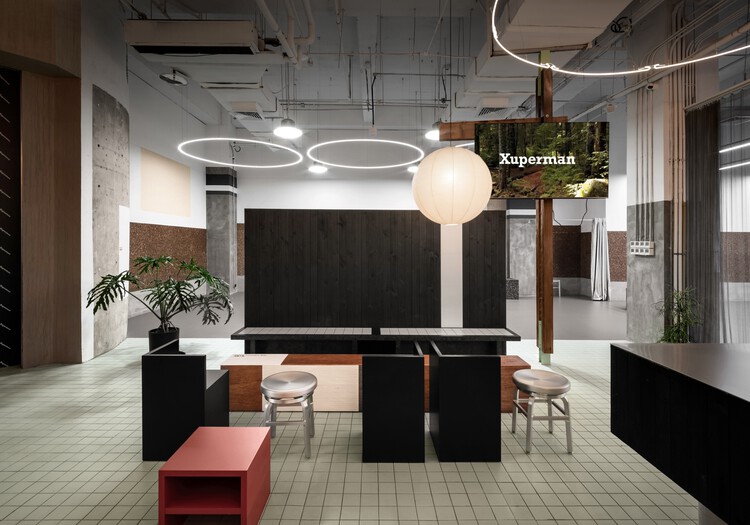
-
Architects: Metrics Architecture Studio
- Year: 2025
https://www.archdaily.com/1036334/xuperman-table-tennis-gym-metrics-architecture-studioPilar Caballero
OngAng 3D Concrete Printing Bridge / CPAC CS

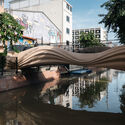
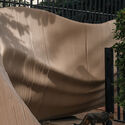


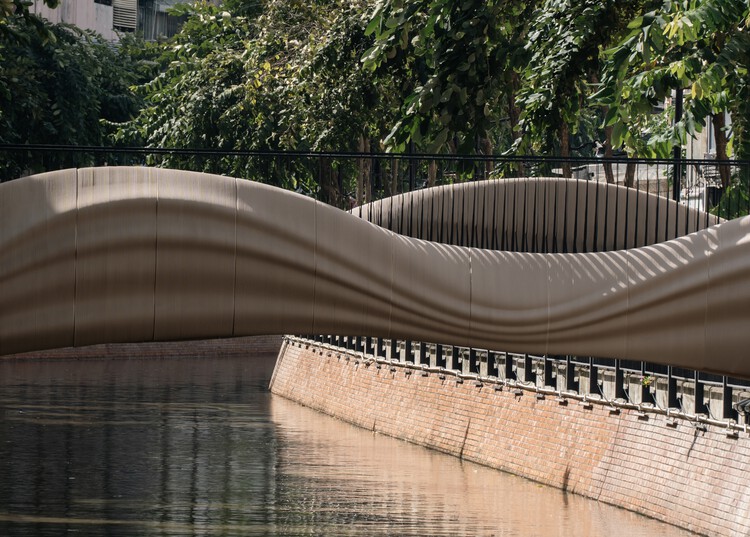
https://www.archdaily.com/1036468/ongang-3d-concrete-printing-bridgeMiwa Negoro
SAFE Credit Union Performing Art Center / DLR Group


-
Architects: DLR Group
- Area: 132000 ft²
- Year: 2022
-
Manufacturers: Dri-Design, Vitro®, Amico Architectural Metals, Bagatelos Architectural Glass Systems, Meyer Sound, +5
-
Professionals: The HLA Group Landscape Architecture, NV5, O'Connor Construction Management
https://www.archdaily.com/1007917/safe-credit-union-performing-art-center-dlr-groupPilar Caballero
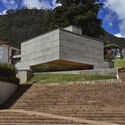
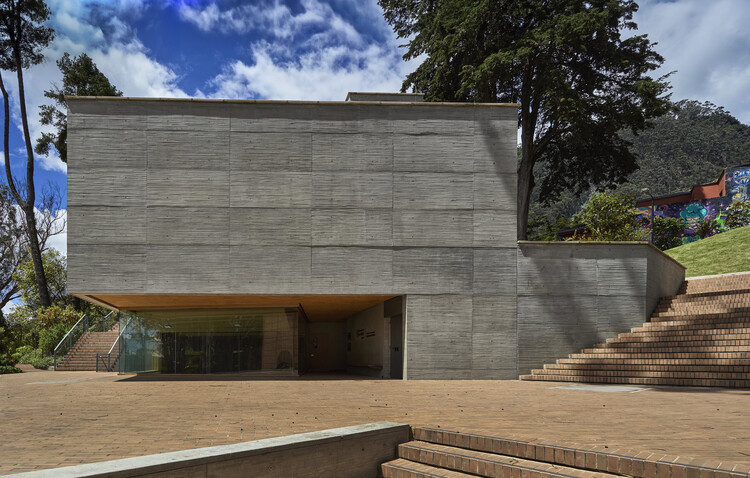
Music Practice Building - University of the Andes / Carolina Jaimes + Juan Esteban López + Alejandro Puentes

-
Architects: Alejandro Puentes, Carolina Jaimes, Juan Esteban López
- Area: 750 m²
- Year: 2024
https://www.archdaily.com/1036382/music-practice-building-university-of-the-andes-carolina-jaimes-plus-juan-esteban-lopez-plus-alejandro-puentesValentina Díaz
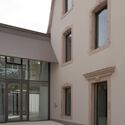
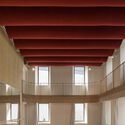
Cultural Center Simone Veil / Doucerain Lièvre Delziani Architectes

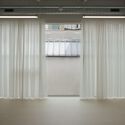
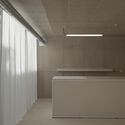
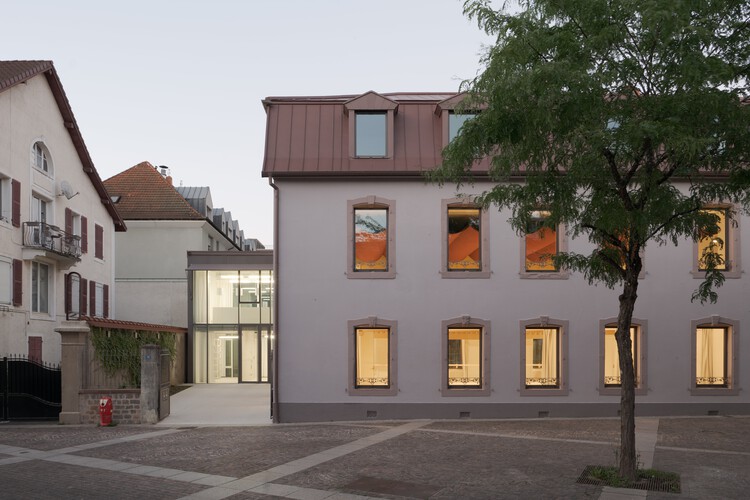
-
Architects: Doucerain Lièvre Delziani Architectes
- Area: 648 m²
- Year: 2024
https://www.archdaily.com/1032196/cultural-center-simone-veil-doucerain-lievre-delziani-architectesHadir Al Koshta
Threshold House / Studio McW




-
Architects: Studio McW
- Area: 183 m²
- Year: 2024
-
Manufacturers: Farrow and Ball, McClark Joinery, Perla, Perla
https://www.archdaily.com/1036487/threshold-house-studio-mcwValeria Silva
From Legal Constraint to Local Craft: Four Adaptive Projects by messina | rivas in Cunha
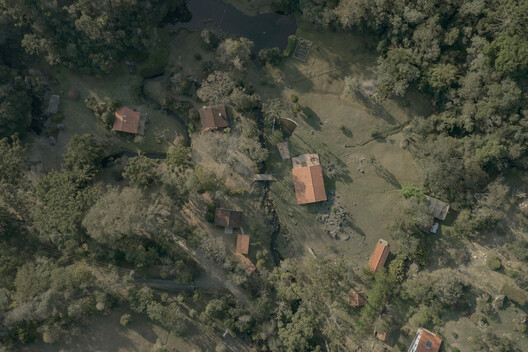
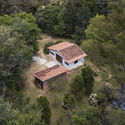
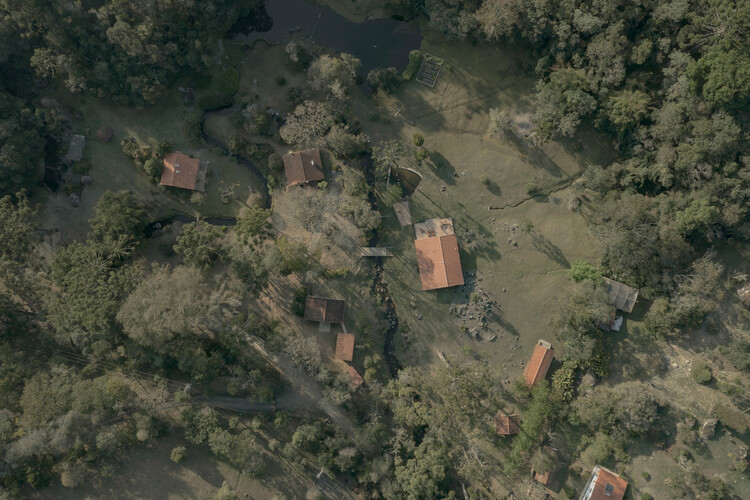
The municipality of Cunha, located in the state of São Paulo, Brazil, is a region known for its inland landscape, hilly terrain, and, especially, a major production of nationally renowned ceramics. It is within this context that the office messina | rivas has been working since 2017, with a set of projects located on a farm. Their work, which integrates design and construction in an indissociable manner, results in interventions that reveal a sensitive approach to pre-existing conditions and their surrounding environment.
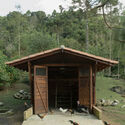
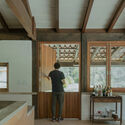
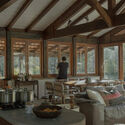
The relationship between the office, led by architects Francisco Rivas and Rodrigo Messina, and the site began with a small renovation of a guest house for hosting friends. The project resulted in the transformation of two existing bedrooms into suites and the creation of an external kitchen. Since then, growing demands and the need to adapt existing buildings have driven the design of other projects distributed across the same site.
https://www.archdaily.com/1036429/from-legal-constraint-to-local-craft-four-adaptive-projects-by-messina-rivas-in-cunhaSusanna Moreira
MA.DE Bistro / AN NAM Architecture
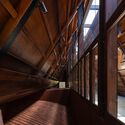
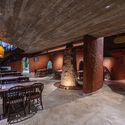
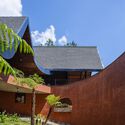
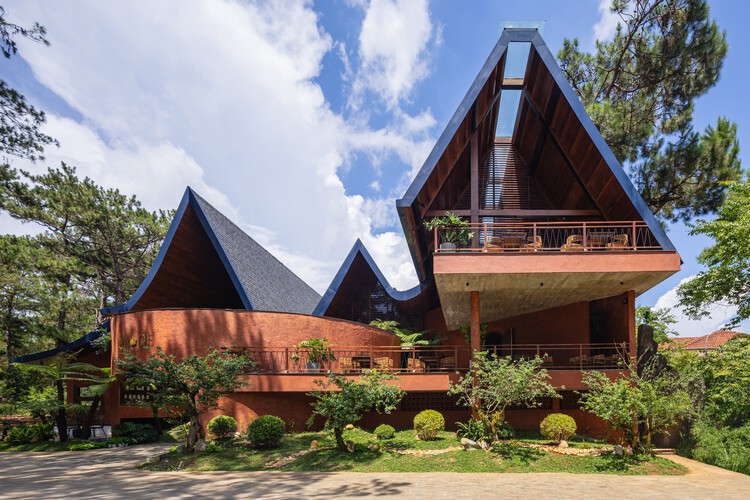
-
Architects: AN NAM Architecture
- Area: 1000 m²
- Year: 2024
https://www.archdaily.com/1036352/me-bistro-an-nam-architectureMiwa Negoro
Robert A.M. Stern, Influential American Architect and Educator, Passes Away at 86
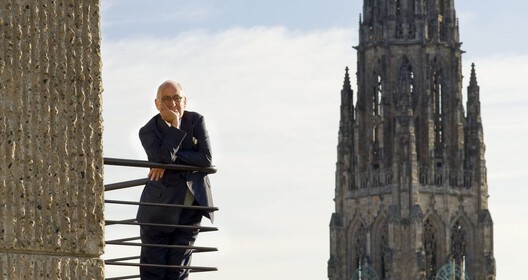
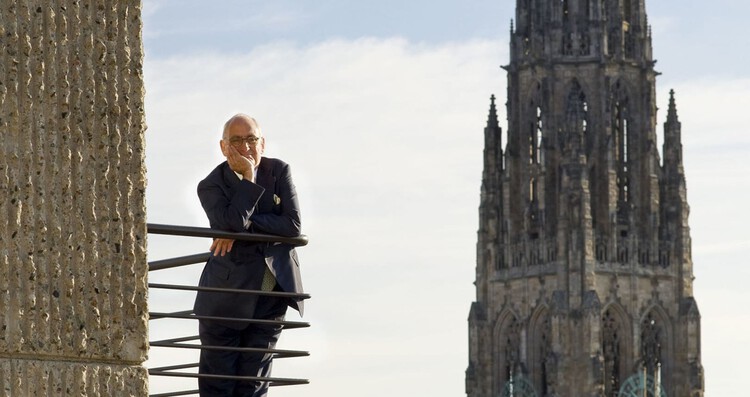
Robert A.M. Stern, the American architect, educator, and historian whose work shaped both the physical and intellectual landscape of contemporary architecture, has died at the age of 86. His passing was confirmed by Robert A.M. Stern Architects (RAMSA), the New York-based practice he led for more than five decades. Known for advancing a contextual, historically informed approach during decades dominated by modernist and high-tech architecture, Stern remained a prominent voice advocating for continuity, urban civility, and an understanding of architecture as part of a longer cultural lineage.

https://www.archdaily.com/1036497/robert-am-stern-influential-american-architect-and-educator-passes-away-at-86Reyyan Dogan
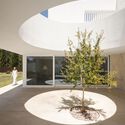
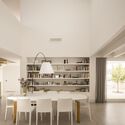
House of Verdizela / Estúdio AMATAM

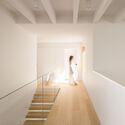
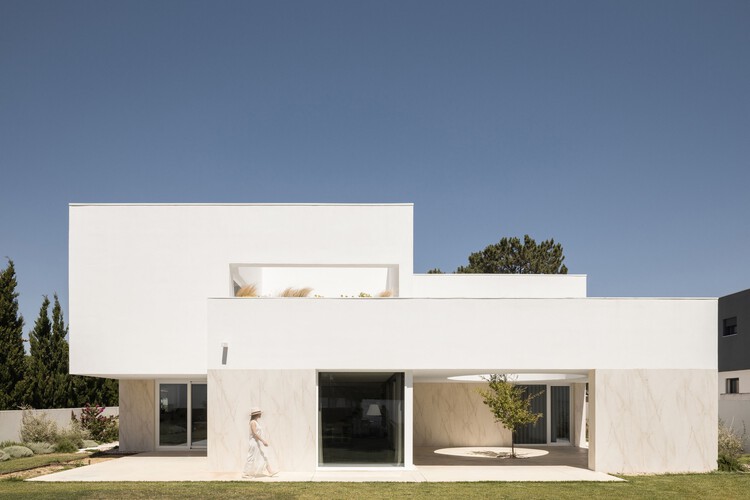
https://www.archdaily.com/1035903/house-of-verdizela-estudio-amatamAndreas Luco
Frank Lloyd Wright’s Fountainhead Residence Purchased by the Mississippi Museum of Art and Prepared for Public Tours

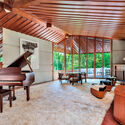
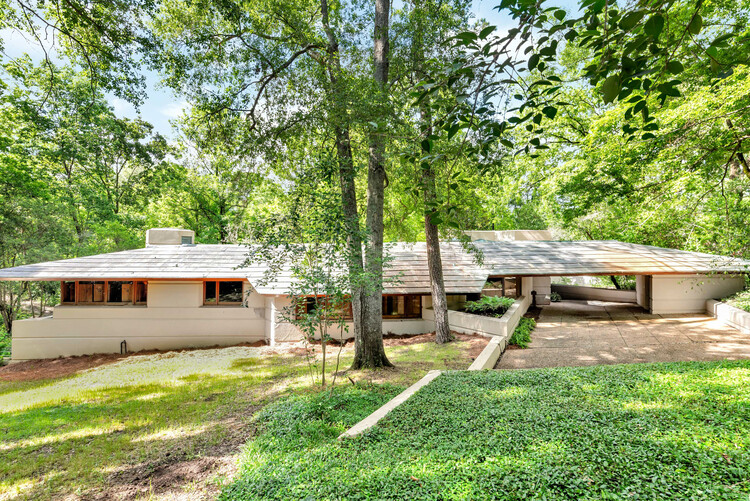
On November 20, 2025, the Mississippi Museum of Art (MMA) confirmed the purchase of Fountainhead, a house designed by Frank Lloyd Wright in 1948 and completed in 1954. The renowned modernist architect designed the residence and its furnishings for oil businessman J. Willis Hughes, who lived there with his family until 1980. Established in 1911, the MMA is the largest art museum in the state of Mississippi, offering exhibitions, public programs, artistic and community partnerships, educational initiatives, and opportunities for exchange year-round through a permanent collection of paintings, photography, multimedia works, and sculpture. The purchase is part of the Museum's goal to embed itself in neighborhoods across the city in ways that support its community-building priorities, making the architectural landmark available to the public for tours with reservations. The initiative is inspired by institutions such as the Crystal Bridges Museum of American Art, which acquired the Wright-designed Bachman-Wilson House in 2015.
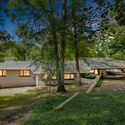

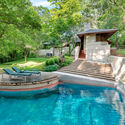
https://www.archdaily.com/1036480/frank-lloyd-wrights-fountainhead-residence-purchased-by-the-mississippi-museum-of-art-and-prepared-for-public-toursAntonia Piñeiro
Circular by Tradition: India’s Vernacular Building Practices for a Warming World

Across India's varied geographies, from coastal backwaters to desert fortress cities, architecture evolved with a deep, instinctive connection to climate. These were not isolated craft traditions but complete ecological systems in which material cycles, thermal comfort, and community knowledge were interdependent. As COP30 turns global attention toward the links between heritage and climate resilience, India's vernacular practices appear less as historical artifacts and more as climate technologies refined over centuries.
India's timber, lime, mud, and bamboo building traditions all share a common thread: they relied on local materials, passive cooling, and construction systems designed to be repaired, renewed, and reused. In an era dominated by cement, steel, and demolition-driven redevelopment, these earlier material cultures demonstrate a quiet circularity that feels radical again.


https://www.archdaily.com/1036311/circular-by-tradition-indias-vernacular-building-practices-for-a-warming-worldAnanya Nayak
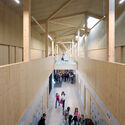
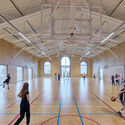
College Robert Badinter / Coldefy

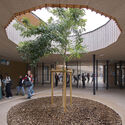
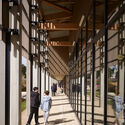
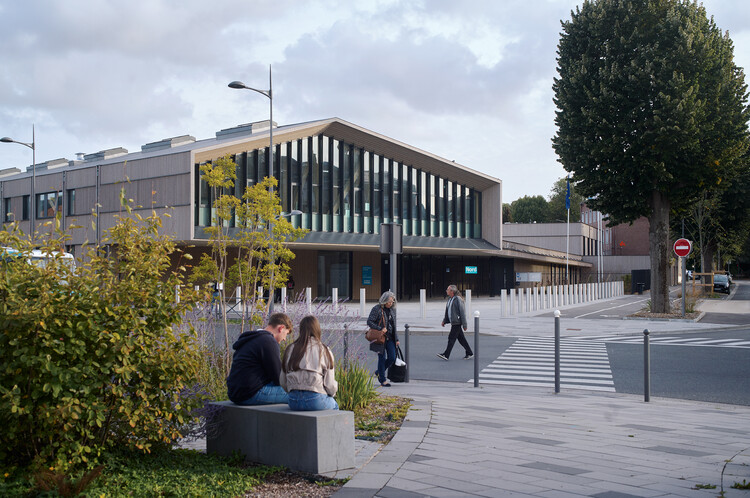
https://www.archdaily.com/1036386/college-robert-badinter-coldefyAndreas Luco