

-
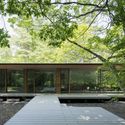
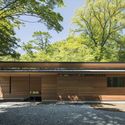
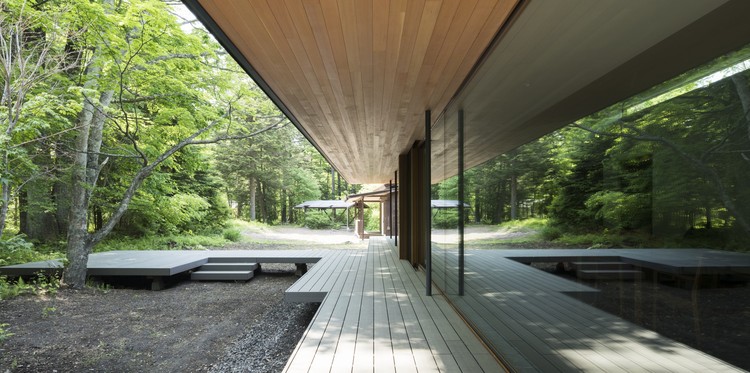
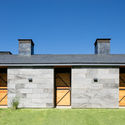
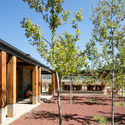
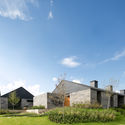
Architects: AE Arquitectos
- Area: 915 m²
- Year: 2017
-
Manufacturers: Canteras San Andrés, Construlita, PISOS FORTE



If you’re reading this post then it's likely that you are either an architect, or you’re dating one. If you belong to the former group, we salute you and all your hard work. But if you belong to the latter, this list might serve as a reminder of how lucky you are to be with somebody with the unique talents and traits of the architect—and that's not to mention the obvious fact that you could end up living in a beautiful house with the most beautiful furniture.

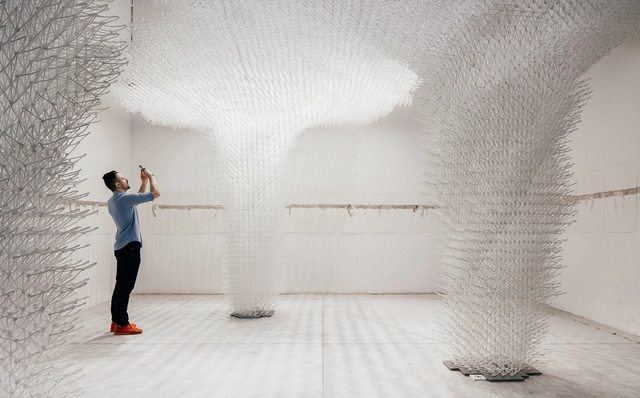
As part of our 2018 Venice Architecture Biennale coverage, we present the completed Croatian Pavilion. Below, the curatorial team describes the exhibition in their own words.
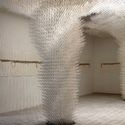
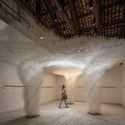
Cloud Pergola / The Architecture of Hospitality at the Croatian Pavilion is a collaborative site-specific environment conceived by the pavilion curator, Bruno Juričić. as Cloud Pergola is an installation crossing the boundaries of architecture, art, engineering, robotic fabrication, and computational models. The exhibition is structured through an interplay of three interventions: Cloud Drawing by Alisa Andrašek in collaboration with Bruno Juričić, To Still the Eye by Vlatka Horvat, and
Ephemeral Garden by Maja Kuzmanović.
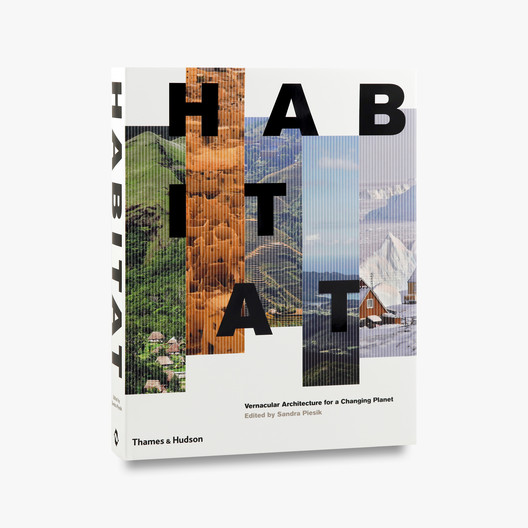
Climate change is the biggest challenge facing our planet. There has never been a more important time to understand how to make the best use of local natural resources and to produce buildings that connect to ecosystems and livelihoods and do not rely on stripping the environment or transporting materials across the globe.

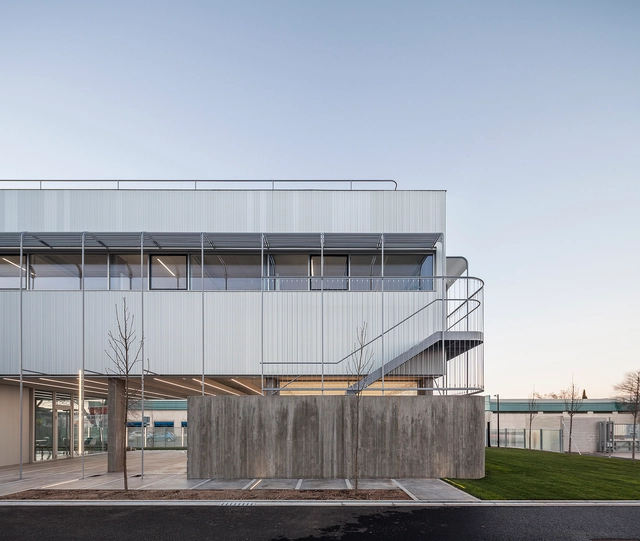
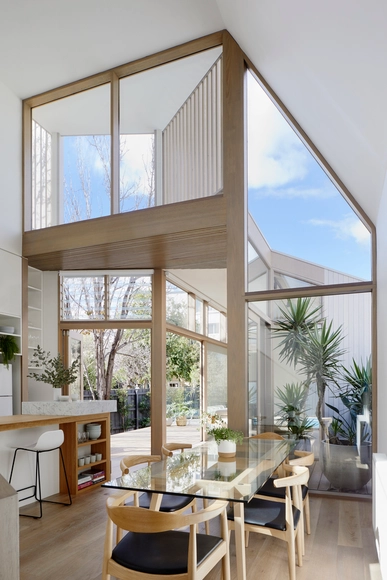

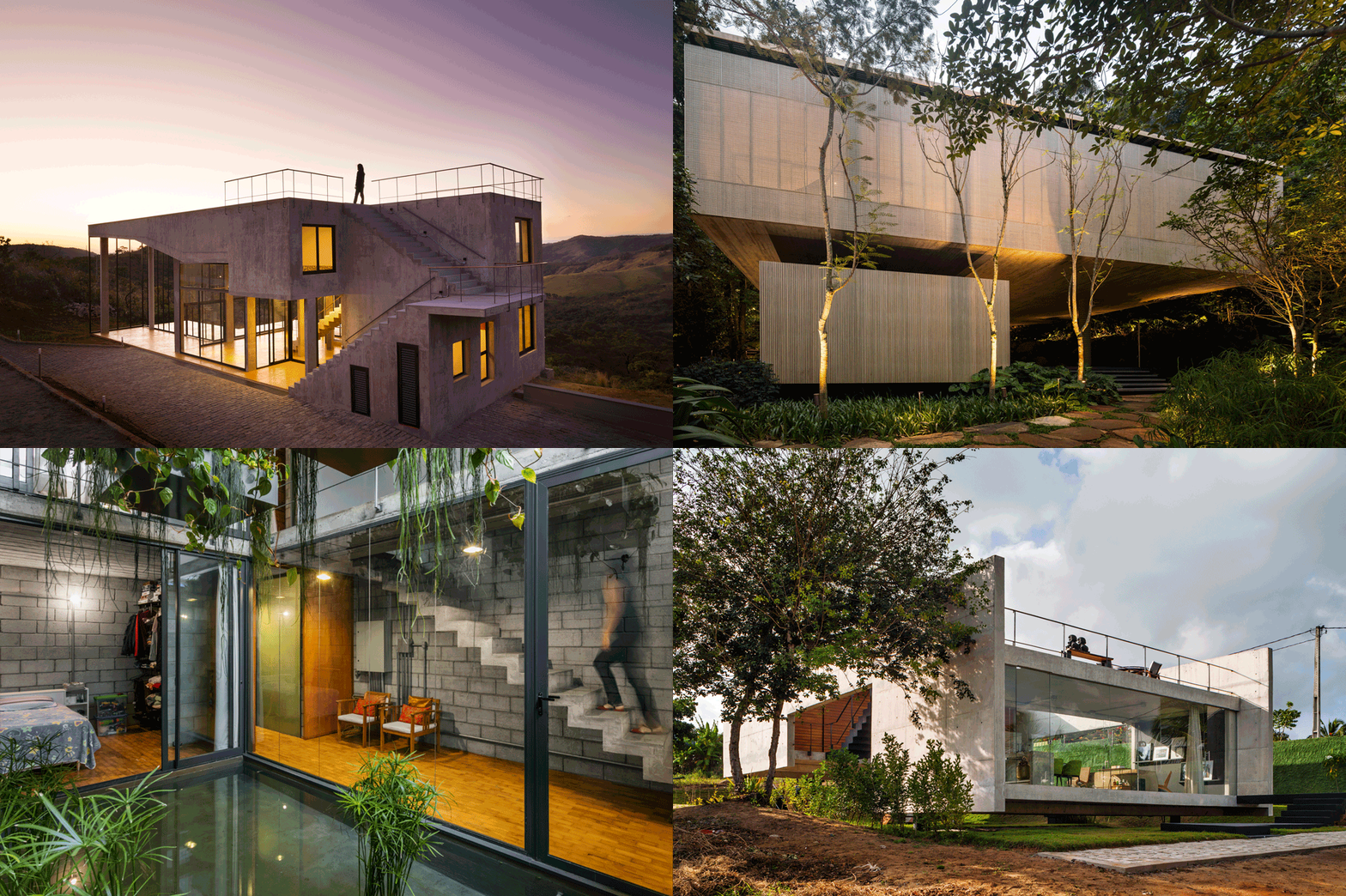
We absolutely love contemporary homes not only for their smart design but their visual appeal. Architects have a way of varying their design according to several factors such as the local and historical context, customs and cultures of users. The 10 projects below are no exception: open-floor plans, clean lines, minimal clutter, and a neutral color palette...
In a country like Brazil where all these factors vary in contrasting ways, it is possible to see a diversity of projects and architectural design approach adopted to deal with the challenge of building a residence.
_Woods_Bagot.jpg?1527649361&format=webp&width=640&height=580)
Woods Bagot have announced that they will be leading a redesign effort for the abandoned Hongqi Zhen Sugar Factory in Zhuhai’s Jinwan District. Due to be completed in three phases over the next ten years, their master plan for the almost 80,000 square meter site includes designs that will revitalize the area and transform it into an integrated tourism, cultural and leisure park.


A decade ago, a wave of striking architecture invaded major Chinese cities as the country prepared for the 2008 Beijing Olympics and 2010 Shanghai World Expo. Internationally renowned architects proposed and developed over-the-top structures, which soon became new symbols of the country. These iconic buildings helped mark Beijing and Shanghai as the major entry points to China, but as time progressed, the phenomenon spread to other, lesser-known Chinese cities. As these "second tier" cities thrived, their governments wanted to improve living standards and develop their own trademark, resulting in new theaters, stadiums, schools, and office towers.
Having focused on Beijing and Shanghai in his first series of photographs, Kris Provoost has continued his "Beautified China" series with a deeper look at buildings in 12 Chinese cities throughout the country, from Harbin to Hong Kong. The project continues under the same premise: 20 minimalist photos taken over the past 8 years of striking architecture built in the last decade.

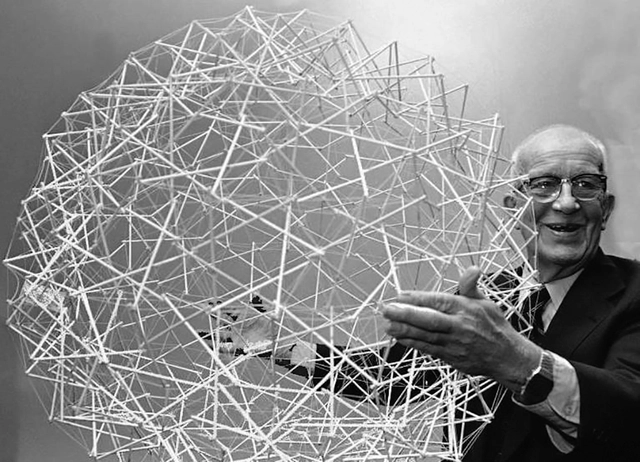
Through his extensive research, inventions and structural experiments, Buckminster Fuller created the term tensegrity to describe "self-tensioning structures composed of rigid structures and cables, with forces of traction and compression, which form an integrated whole" [1]. In other words, tensegrity is the property demonstrated by a system that employs cables (traction) and rigidity of other elements (usually steel, wood or bamboo) capable of acting under the intrinsic stresses (traction and compression) together and simultaneously, giving greater resistance and formal stability. It creates an interconnected structure that works biologically like muscles and bones, where one element strengthens the other.

Every building project should start with the development of a brief. A good brief clearly explains what the client wants from the project and provides the design team with the information and inspiration it needs to design a successful building. Moreover, the brief functions a framework for quality management during the project. Authored by Juriaan van Meel and Kjersti Bjørkeng Størdal, this book provides the guidance needed to develop high-performance briefs. Using clear language, it succinctly explains the briefing process, various briefing techniques, and the topics that should be addressed. Also included in the book are examples, checklists, and practical suggestions.