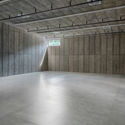
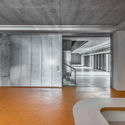
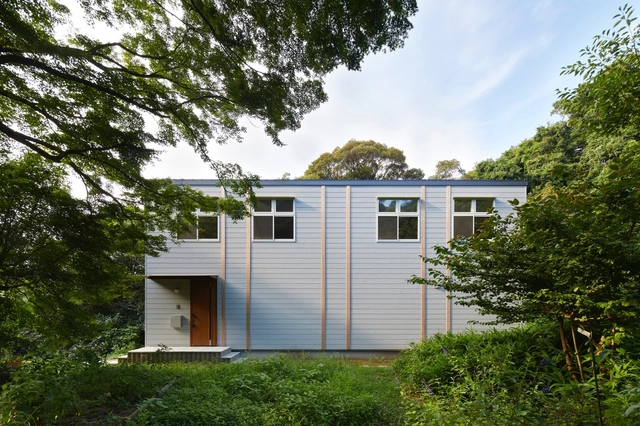
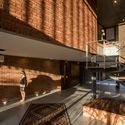
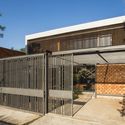
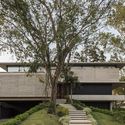
_Kevin_Scott_-_Lake_Washington_Residence_(2).jpg?1544639921&format=webp&width=640&height=580)
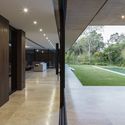
_Kevin_Scott_-_Lake_Washington_Residence_(15).jpg?1544640050 "© Kevin Scott")
_Kevin_Scott_-_Lake_Washington_Residence_(8).jpg?1544639977 "© Kevin Scott")
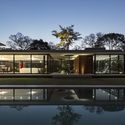
_Kevin_Scott_-_Lake_Washington_Residence_(18).jpg?1544640100 "© Kevin Scott")
_Kevin_Scott_-_Lake_Washington_Residence_(1).jpg?1544639946 "© Kevin Scott")
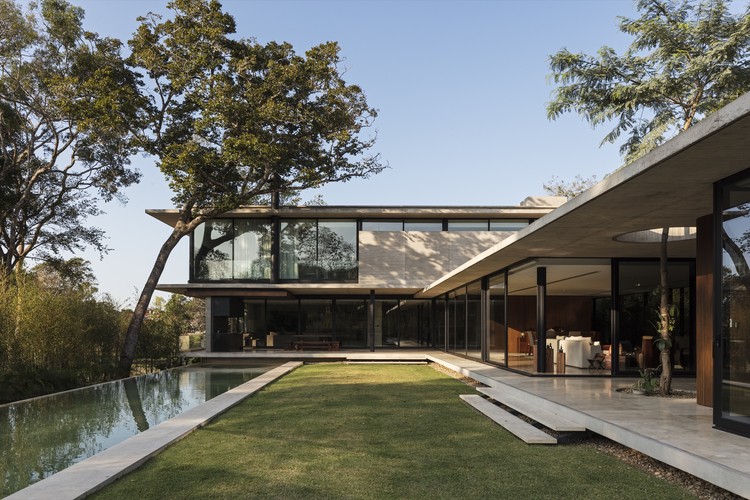
_Kevin_Scott_-_Lake_Washington_Residence_(2).jpg?1544639921)
-
Architects: Suyama Peterson Deguchi
- Area: 1841 ft²
- Year: 2017
-
Professionals: Don Davis
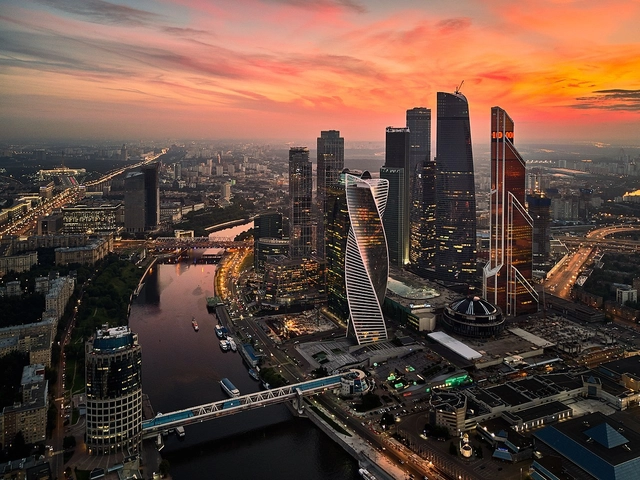
The government of Moscow has begun developing an existing district in the city to test nearly 30 new ‘smart’ technologies for urban development. Home to over 8,000 people, the district is testing ideas on smart lighting, smart waste management, and smart heating. The city intends to evaluate what impact technologies bring to residents and adjust its urban renewal plan once the pilot is complete.

Apartamento is pleased to announce the release of the second title in a series of books devoted to some of our favourite architects, the houses they build, and the stories behind them. In La Fábrica, readers are transported to the fringe of Barcelona and deep into the labyrinthine home of world-renowned Catalan architect Ricardo Bofill, who transformed a disused cement factory into his personal and professional headquarters at the beginning of the 1970s.
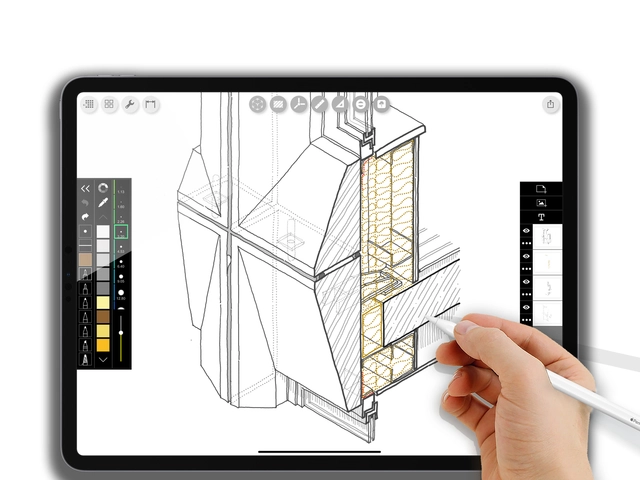
Can tablets help architects better conceive and execute their designs? If you’re skeptical, you’re not alone. To a certain extent, architects are still unsure if meaningful work can be created on an iPad. As the novel of virtual reality wears off, it’s worth asking if portable augmented reality is the push forward that will combine the best of traditional and digital architectural technology. So beyond their utility as lightweight, untethered screens, what can tablets offer the professional architect?

.jpg?1544705828&format=webp&width=640&height=580)
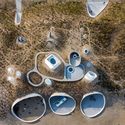
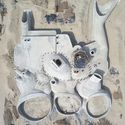
Laka has published the results of the 2018 edition of their annual Architecture that Reacts competition, focusing on “architectural, design, or technological solutions that are capable of dynamic interaction with their surroundings.” This year saw 200 participants from more than 30 countries submit 130 designs, following an interdisciplinary approach reaching beyond typical building solutions.
This year’s winners hailed from the USA and Austria, confronting issues such as climate change, ubiquitous computation, and new ways of perceiving space in a machine-driven future. Below, we have rounded up the winners, special recognitions, and honorable mentions from the 2018 edition. For more information on the competition, and previous results, visit the official website here.

Half a century after the new suburban tract home was the dream of many a young American family, refurbished properties are gaining in popularity. This trend extends beyond North America, with exciting renovations of existing structures popping up all over the world, from Belgium to Kenya to China. The attraction to this typology likely lies in its multiplicity; renovations are both new and old, historic and forward-looking, generative and sustainable.
Nowhere is this trend more visible and popular than in housing, where the transformation is often led by the owners themselves. Loosely grouped under terms like “fixer-upper” and “adaptive reuse,” these projects begin with just the structural skeletons and the building’s history. At the personal scale, renovation/refurbishment is an opportunity to bring a part of yourself to your home - but do these small projects together have the potential to turn around a housing crisis?


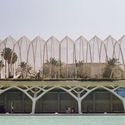
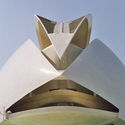
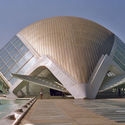
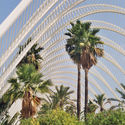
The architectural and engineering feats of Spanish architect Santiago Calatrava can be admired around the world, but his City of Arts and Sciences, designed alongside Felix Candela, has remained a modern architectural marvel. Like many international visitors, Lebanese photographer Anthony Saroufim found himself inherently attracted to the highly publicized building complex with a specific, tailored angle - unraveling the relationship between the built reality and the people interacting with it.





.jpg?1544704370 "Second Prize: Embodied Homeostasis / David Stieler . Image via Laka")
.jpg?1544704501 "Third Prize: Platform of Motion / Nusrat Jahan Mim, Arman Salemi. Image via Laka")
.jpg?1544704196 "Surftopia / Eduardo Camarena Estébanez, María Urigoitia Villanueva. Image via Laka")
.jpg?1544704181 "Platinum City / Sean Thomas Allen. Image via Laka")
.jpg?1544705828)