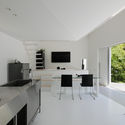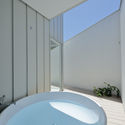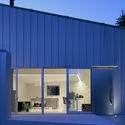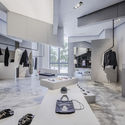

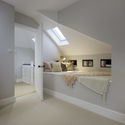
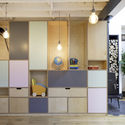
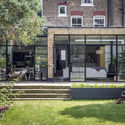

-
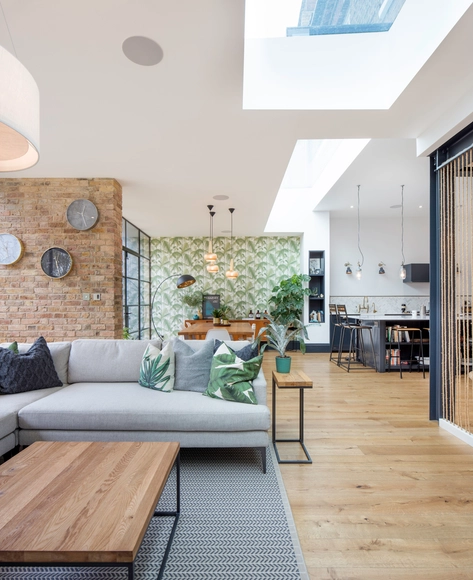
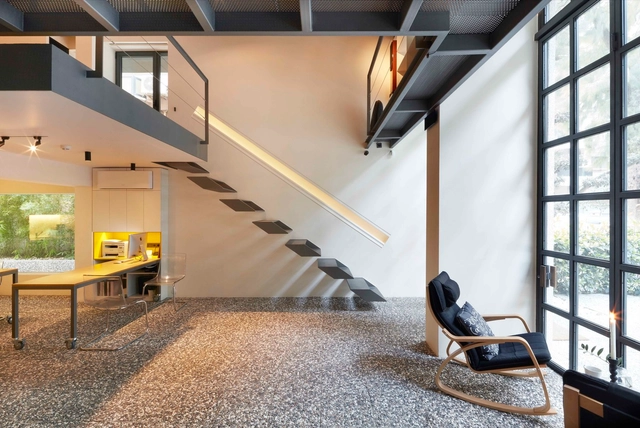
Architects: Thomas & Spiers
- Area: 238 m²
- Year: 2017
-
Manufacturers: Bathstore, Bromley & Ellis, Fabco, The Natural Wood Company, deVOL


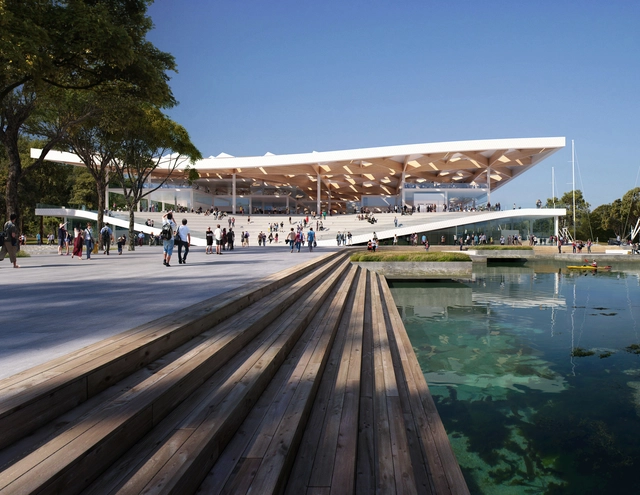
Danish office 3XN has unveiled finalized designs for their Sydney Fish Market project after announcing their attachment to the project last June. The scheme, which is expected to begin construction in 2019, combines the traditional working market program with contemporary features and is intended to establish a strong public connection to the waterfront at Blackwattle Bay.
The media arts & design collective panGenerator have released a new video showing how they turned the iconic spiral staircase of the Szczecin Philharmonic into an “instrument” that transforms audience voices. Dubbed SPIRALALALA, the site-specific project invites the audience to experiment with various sound effects applied to their vocalizations. These are synchronised with the movement of a ball falling along a 35m track. A series of speakers create the illusion of the sound “falling” with the ball.

Vancouver-based engineering firm Fast + Epp has created a free tool, called Concept, for architects and designers to explore a variety of building materials. The interface allows the designer to explore the aesthetics of wood, concrete, and steel while also providing additional information about the composition and feasibility of these materials.

Erieta Attali has devoted two decades to exploring the relationship between architecture and the landscape at the edges of the world. Attali’s photography interrogates how extreme conditions and demanding terrains provoke humankind to re-orient and center itself through architectural responses. Her unrelenting and highly physical expedition has seen her traverse four continents, working in isolated and remote terrains from Iceland to the Indian Ocean.

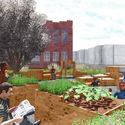
A team of five University of Hartford Master of Architecture (MArch) students recently won the Dream Green, Hartford EcoDesign competition sponsored by the Connecticut Institute for Resilience and Climate Adaptation and hosted by the City of Hartford Mayor’s Office of Sustainability. The competition requested proposals to improve the city through “pop-up” projects that transform underused city spaces while highlighting green infrastructure and sustainable design.


This article was originally published on September 10, 2014. To read the stories behind other celebrated architecture projects, visit our AD Classics section.
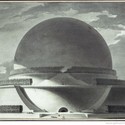
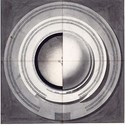
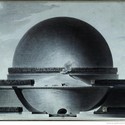
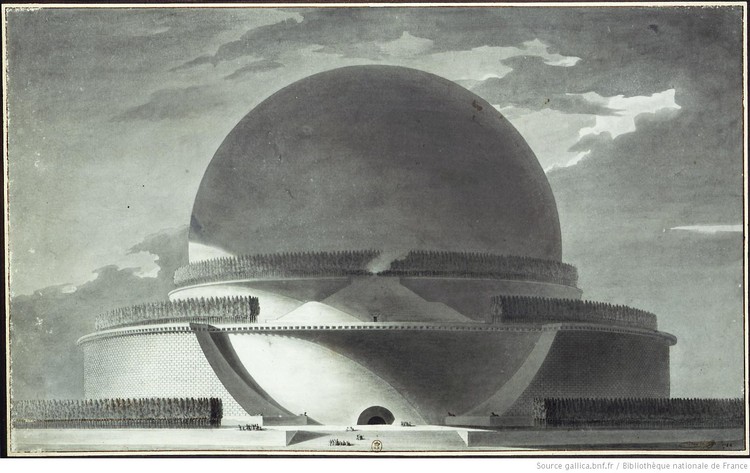
Minuscule clusters of visitors ascend a monumental stairway at the base of a spherical monument rising higher than the Great Pyramid of Giza. An arc of waning sunlight catches a small portion of the sphere, leaving the excavated entry portal and much of the mass in deep shadow. Bringing together the emotional affects of romanticism, the severe rationality of neoclassicism and grandeur of antiquity, Etienne-Louis Boullée’s sublime vision for a cenotaph honoring Sir Isaac Newton is both emblematic of the particular historical precipice and an artistic feat that foreshadowed the modern conception of architectural design. Rendered through a series of ink and wash drawings, the memorial was one of numerous provocative designs he created at the end of the eighteenth century and included in his treatise, Architecture, essai sur l’art. The cenotaph is a poetic homage to scientist Sir Isaac Newton who 150 years after his death had become a revered symbol of Enlightenment ideals.
Beyond representing his individual creative genius, Boullée’s approach to design signaled the schism of architecture as a pure art from the science of building. He rejected the Vitruvian notion of architecture as the art of building, writing “In order to execute, it is first necessary to conceive… It is this product of the mind, this process of creation, that constitutes architecture…” (1). The purpose of design is to envision, to inspire, to make manifest a conceptual idea though spatial forms. Boullee’s search was for an immutable and totalizing architecture.




















.jpg?1541359363 "© Ryoo, In Keun")
.jpg?1541359102 "© Ryoo, In Keun")