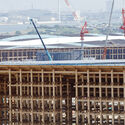
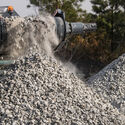
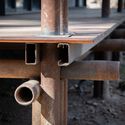
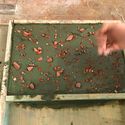
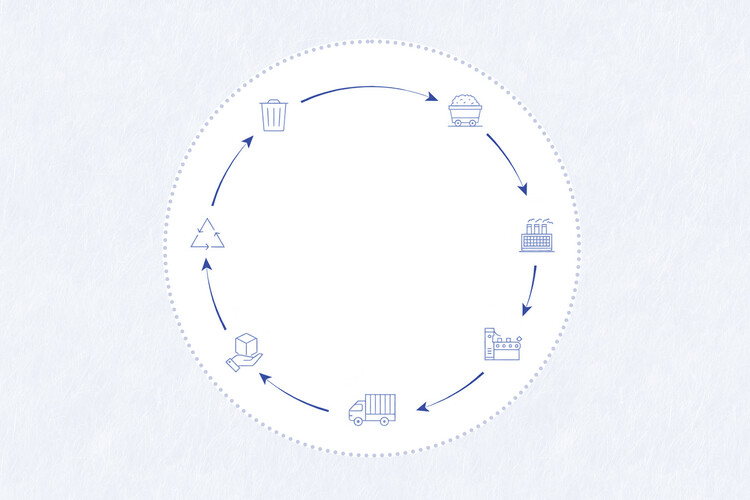
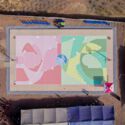
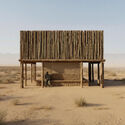
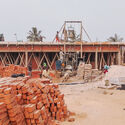
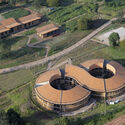
As a major driver of natural resource consumption, energy use, and greenhouse gas emissions, the construction industry has a significant impact on the environment, consuming 32% of global energy and contributing to 34% of global CO₂ emissions. Building materials play a crucial role in shaping the built environment. Through principles of circular economy, renewable and self-sufficient solutions, and technological innovations, analyzing the environmental performance of each material highlights the opportunity to review and assess the different stages of its life cycle.
By establishing a common framework for measuring and managing the environmental impact of building materials, Life Cycle Assessment (LCA) emerges as a key approach. This methodology provides a comprehensive evaluation of the environmental impacts associated with products, processes, or activities throughout their entire life cycle. From raw material extraction, manufacturing, and transportation to construction, use, and end-of-life treatment, the analysis considers the environmental burdens linked to each stage. In the context of building materials, LCA offers a holistic and systematic approach to assessing environmental performance and identifying opportunities for design optimization, among other improvements. In this way, it quantifies impacts such as carbon emissions, energy consumption, water use, air pollution, waste generation, and ecosystem depletion.
Artificial intelligence is no longer a distant concept in architectural practice. It is rapidly becoming a practical tool used by firms around the world to accelerate design workflows, generate visualizations, and explore new creative possibilities.
According to a new industry survey conducted by Chaos in collaboration with Architizer, architects are already integrating AI into their daily work. Nearly 800 architects and designers from around the globe participated in the study, sharing insights into how they use AI tools, how much time the technology saves, and how they believe artificial intelligence will shape the future of architecture.
Throughout 2025 and early 2026, numerous museum projects were announced, advanced, or broke ground across multiple regions, with completion timelines largely extending from 2026 to 2030. Located across Asia, Europe, North America, and Central Asia, these developments reflect ongoing shifts in the role of cultural institutions within contemporary cities. Increasingly, museums are conceived not only as exhibition venues but as public-facing environments that accommodate education, research, and civic engagement. This expanded programmatic scope is often accompanied by architectural strategies that respond to urban conditions, spatial continuity, and the integration of cultural infrastructure into broader city-making processes.
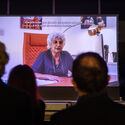
Lilly Reich Grant for Equality in Architecture. Transnational Narratives documentary presentation at the Mies van der Rohe Pavilion in Barcelona, March 10th, 2026. Image
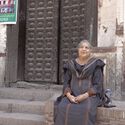
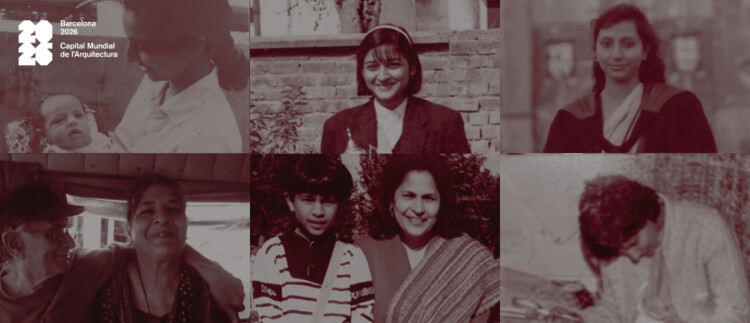
"Gender equity remains an ongoing problem in architecture. Women architects are roughly one-third of the profession or less worldwide." This is the opening statement of the documentary Transnational Narratives: A Documentary Celebrating South Asian Women in Architecture, a result of the 4th Lilly ReichGrant for Equality in Architecture. The grant, an initiative by the Fundació Mies van der Rohe, promotes equal access to opportunities in architectural practice and supports the study and dissemination of contributions to architecture that have been unfairly rendered invisible. Within this context, the documentary, created by Dr. Igea Troiani, Dr. Mamuna Iqbal, artist and researcher Paula Roush, and filmmaker Rime Tsujino, brings visibility to the experiences of six architects of South Asian origin: Sumita Singha, Chitra Vishwanath, Sara Khan, Fauzia Qureshi, Sajida Vandal, and Neelum Naz, whose professional careers span India, Pakistan, and the United Kingdom.
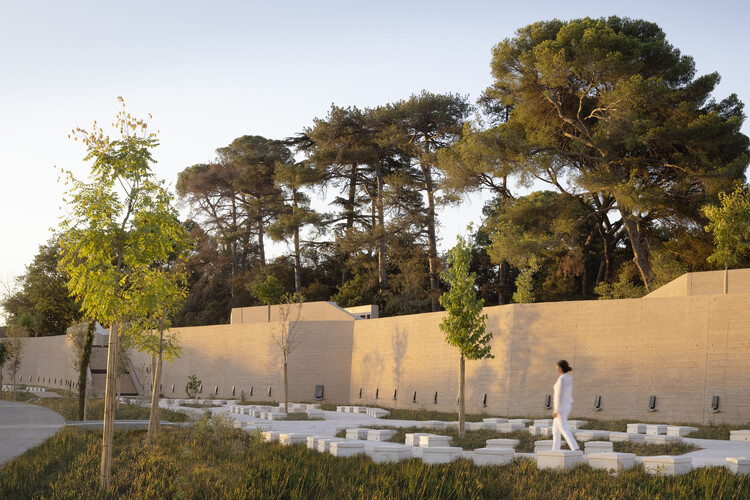
Death is a certainty, but its architecture has never been stable. Every period and culture has invented a different way of placing the dead in the world (close or far, visible or screened, monumental or almost anonymous), and those choices have always carried social and political weight. Cemeteries are where that weight becomes legible in space, turning belief and regulation into boundaries, paths, and names.
In that sense, a cemetery behaves like a piece of city-making. It needs access, limits, and an internal order that can grow without losing clarity. It depends on ground and water management as much as on symbolism, and on administration as much as on form. But its real architectural problem is how to make a large, evolving territory readable while preserving the intimacy of a visit. Names must be locatable; routes must remain legible; trees grow, paths shift, stones weather, records accumulate. What looks fixed is, in practice, a living system designed to be used and revisited, long after the first grief has passed.
Aerial view of the Port Vell area where Liceu Mar is set to be built. Image Courtesy of Gran Teatre del Liceu and Port de Barcelona
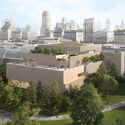
The city of Barcelona has announced the five finalist teams selected to advance in the international competition for Liceu Mar, a new cultural venue planned for the Port Vell waterfront. Promoted by the Gran Teatre del Liceu in collaboration with the Port of Barcelona, the project is conceived as a second venue for the historic institution, expanding its artistic and civic role while strengthening its international presence. Bringing together a group of internationally recognized and locally rooted practices, the shortlist underscores the project's global relevance, with the winning proposal expected to be announced in autumn 2026.
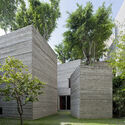
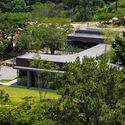
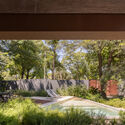
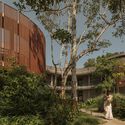
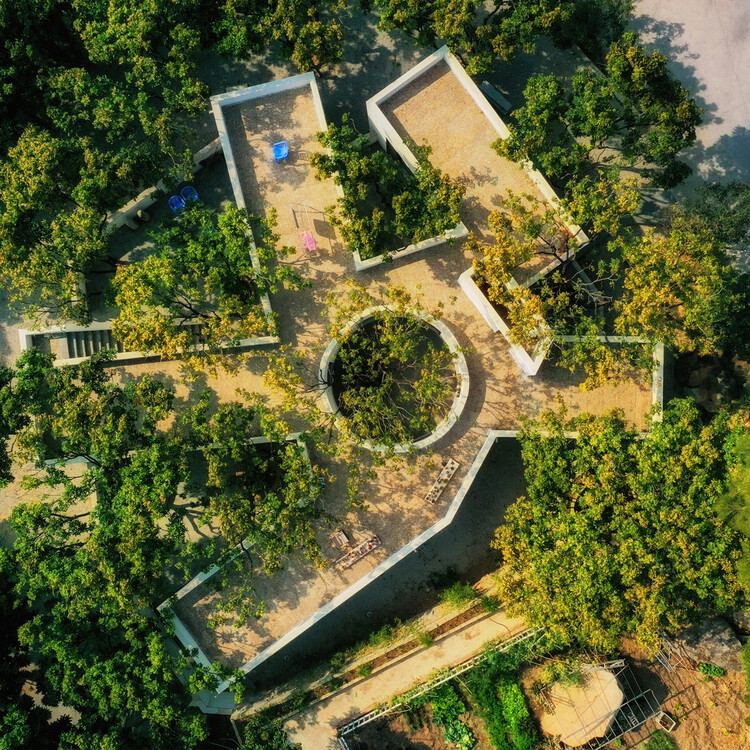
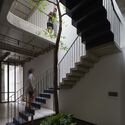
Trees are often the first things to vanish when construction starts. Clearing a site has long been one of architecture's most immediate acts, removing what already exists to make room for something new. When vegetation is preserved, it is typically treated as a secondary layer, added back as landscape rather than shaping the project itself.
However, some projects begin elsewhere. Instead of starting from a blank site, they work with what is already there. Trees remain in place, not as elements to frame, but as conditions that influence how space is organized, how light enters, and how architecture takes form.
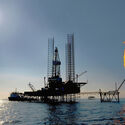
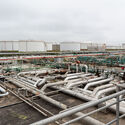
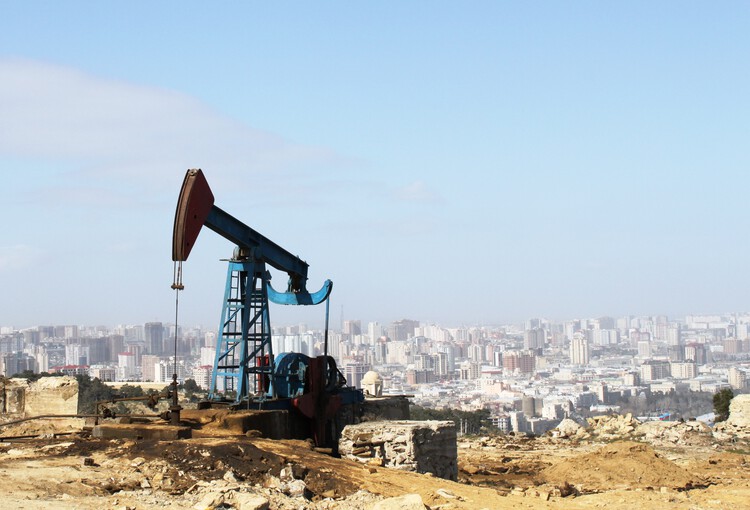
Beneath the ground lies a material that has quietly shaped the architecture of the modern world. Petroleum is rarely discussed within architectural discourse, yet the extraction, circulation, and consumption of oil have profoundly reorganized the spatial logic of territories. Pipelines, refineries, drilling platforms, ports, highways, and petrochemical complexes form a vast infrastructural landscape that sustains contemporary life, composing a dispersed architecture of energy.
Throughout the twentieth and twenty-first centuries, oil became the material foundation of industrial society. It fueled transportation, powered factories, and supported the growth of cities whose spatial organisation depended on continuous energy flows. Yet the infrastructures that enable these flows rarely become objects of architectural inquiry. Attention remains largely directed toward form, typology, or urban density, while the material systems that sustain these environments tend to remain displaced within the discipline.
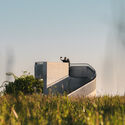
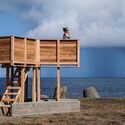
Viewpoints are structures designed for observing the landscape from elevated positions. Set within natural settings or urban environments, they act as devices that organize the gaze and establish a direct relationship between the body and the territory. At this threshold between observer and landscape, viewpoints can take on a wide range of configurations, from subtle gestures to monumental structures, always responding to their specific context. Regardless of scale, they are — to some extent — attempts to domesticate vastness: precise framings that make legible what, without mediation, might otherwise appear as excess.
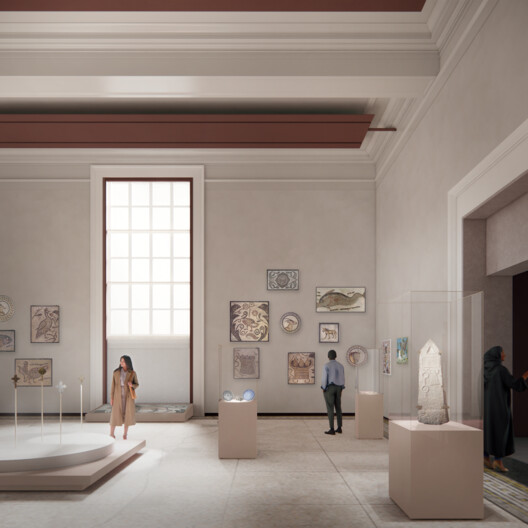
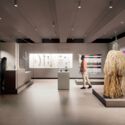
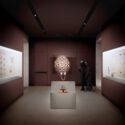
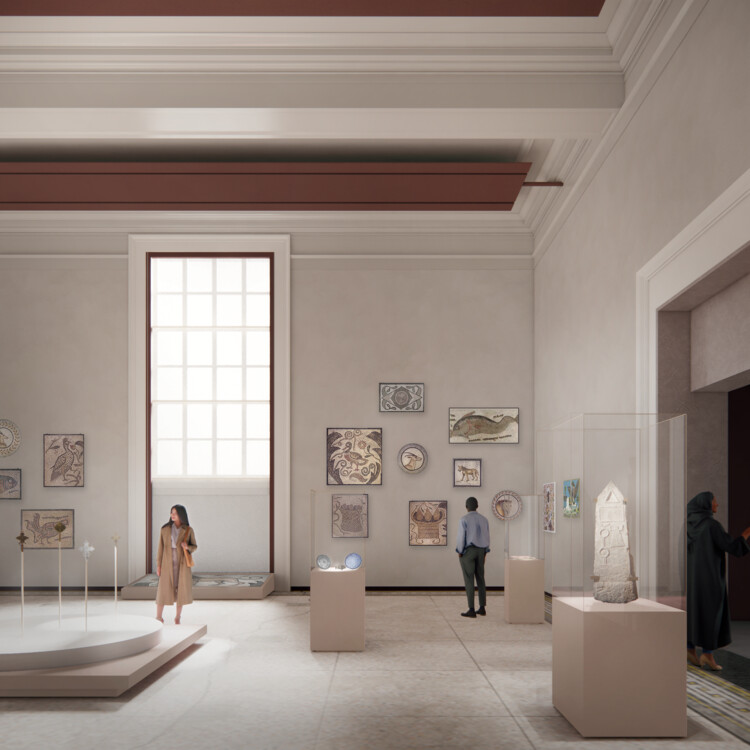
Brooklyn Museum's new Arts of Africa Galleries. Project render, 2026. Image Courtesy of Peterson Rich Office
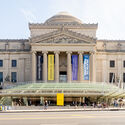
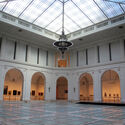
New York's Brooklyn Museum has announced the extension of its neoclassical building, a New York City–designated landmark, to include new galleries dedicated to its historic African art collection. The project to renovate and create permanent galleries was designed by the Brooklyn-based architectural firm Peterson Rich Office (PRO), with prior experience in contemporary exhibition spaces, in consultation with Beyer Blinder Belle Architects & Planners on the museum's historic preservation. The project transforms previously underutilized spaces that served as on-site storage, marking a new milestone in a series of renovations of an institution with over 200 years of history. For the first time, the museum's Egyptian art galleries will connect to the new African galleries, uniting North Africa with the rest of the continent to offer visitors a cohesive vision of Africa's rich artistic legacy.
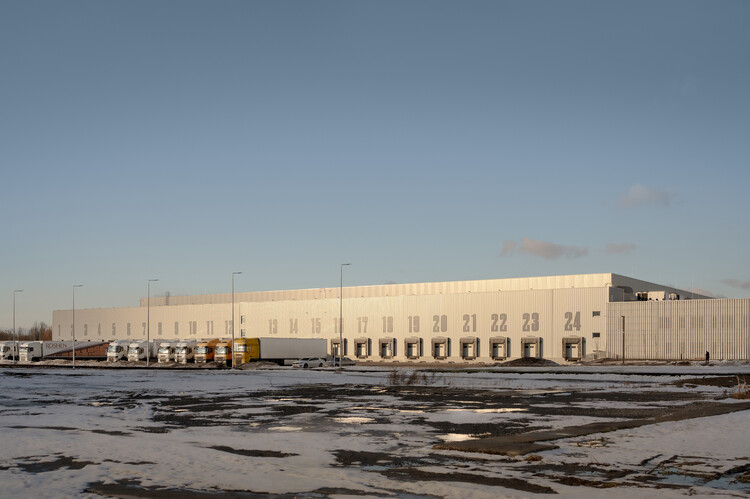
At the edge of most cities, beyond the ring roads and interchanges, a different kind of architecture is taking shape. It is not designed to be seen, visited, or remembered. It does not gather people; it moves things. Inside, thousands of parcels travel continuously, being sorted, lifted, scanned, and dispatched with minimal interruption. These buildings rarely enter architectural discourse, yet they are among the most consequential spaces of our time. The defining typology of the 21st century is increasingly the warehouse.
The scale of this transformation is difficult to grasp because it unfolds horizontally, across territories rather than skylines. Global warehouse space now exceeds tens of billions of square feet, expanding rapidly alongside the rise of e-commerce. During the COVID-19 pandemic, demand for logistics infrastructure accelerated by several years, compressing future growth into an already strained present. In India, the warehousing sector continues to grow at double-digit rates, reshaping peri-urban land into storage and distribution corridors. Logistics is no longer a background system; it is a territorial condition.
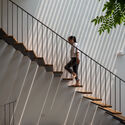
In many high-density cities across Asia, the staircase is often treated as a necessary evil. Whether in apartment buildings, private homes, or retail interiors, it is frequently hidden, tucked away, or pushed to the margins—an element to be minimized so more area can be given to "usable" space. Yet as density intensifies and square footage becomes increasingly scarce, architects and designers are forced to rethink this vertical puzzle.
The question shifts from how to conceal the staircase to how to make it work harder: can it become a productive addition to the interior—an architectural device that does more than connect levels, performing dual (or multiple) duties rather than simply consuming floor area?
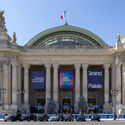
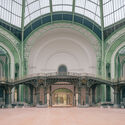
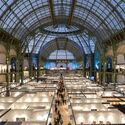
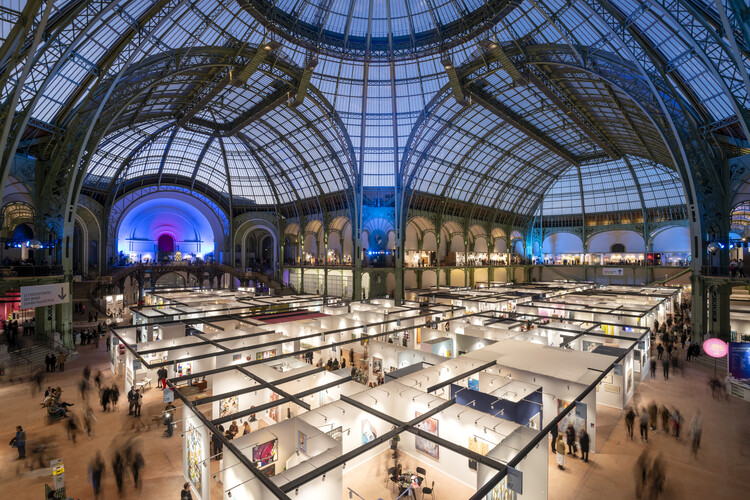
Art Paris will return to the Grand Palais from 9-12 April 2026, marking the 28th edition of the fair at the recently renovated landmark. Reopened following its most extensive restoration in over a century, the 77,000-square-meter building, transformed under the direction of Chatillon Architectes, now accommodates large-scale cultural events across its nave and balcony spaces. Bringing together approximately 165 galleries from around twenty countries, the fair is structured around two curatorial themes, language and reparation, presented within an updated spatial framework defined by improved circulation and expanded exhibition areas.
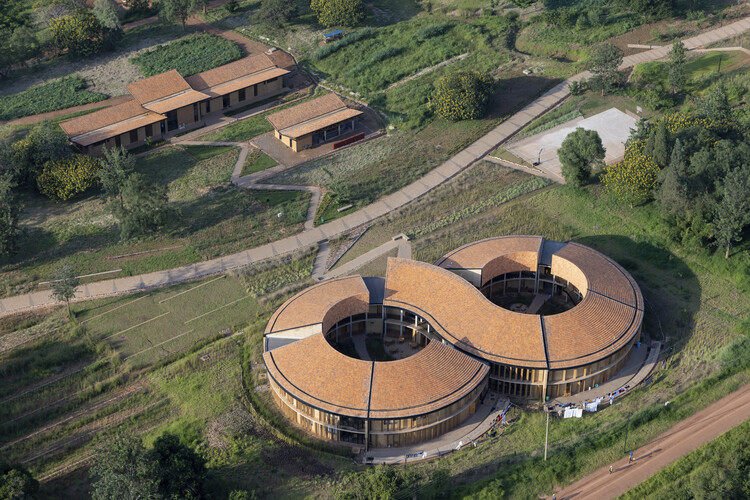
RICA, MASS Design, Rwanda. Image Courtesy of Pan-African Biennale (PAB)
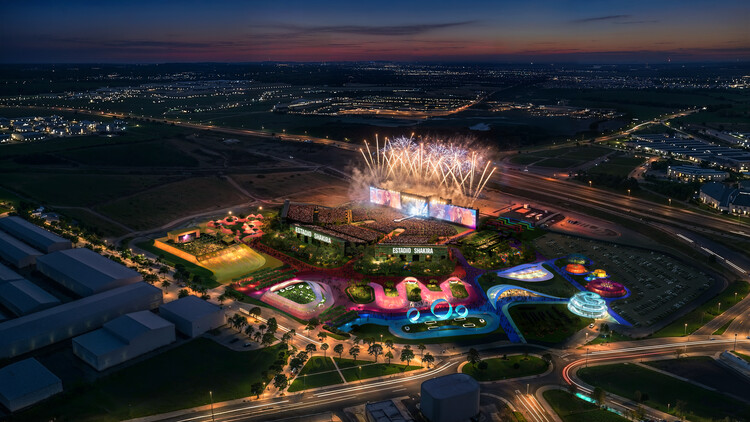
This week, architecture presents new visions of the future across a geographically diverse landscape, with landmark projects and renewal initiatives emerging in Saudi Arabia, Taiwan, Bahrain, Germany, Italy, Australia, Morocco, and Burundi. New platforms for discussing urban futures highlight decolonization and the climate crisis as central priorities for contemporary architectural practice. At the same time, contrasting perspectives on urban regeneration are reflected in both the demolition of recent landmark structures and the large-scale transformation of industrial sites. On another note, the Olympic Games continue to act as catalysts for architectural production, as seen in the proposal for a new sports center in Australia for Brisbane 2032. This momentum coincides with major international infrastructure developments in Africa, including a new airport terminal in Morocco, as well as projects that rethink spaces for research and public engagement, such as a new building for the German Language Forum.
At a time of ecological emergency, architecture cannot be separated from the extractive systems on which it depends. As the technosphere expands, linking material flows, energy consumption, and digital infrastructures, design becomes increasingly entangled in these processes. How can design practice intervene in anthropocentric systems and transform the architectural process and aesthetics through an investigation of material intelligence? More broadly, how does architecture engage with the agency and intelligence of non-human entities to rebalance the environmental burden?
Videos
Interactive Vector Design Solutions. Image Courtesy of D.TO
Initial sketches in notebooks and tracing paper, conceptual diagrams, perspectives, physical models, and massing studies capture the architectural imagination. But they represent only the beginning of the practice. The real challenge is translating ideas into buildable systems. Every wall, junction, and assembly must be resolved in detail, with systems working together in a way that allows the project to be built as intended. This is where most of the effort, complexity, and risk are concentrated, and where projects are ultimately resolved or begin to stumble.
It is in this context that the Design Development (DD) and Construction Documentation (CD) take place, when the project must address the full weight of coordination, components, performance, and constructability. While schematic design defines spatial and formal directions, DD and CD demand answers to a different set of questions: how do systems come together? How is performance maintained at transitions? Which products, tolerances, and sequences will allow the project to hold together as it moves from model to construction?
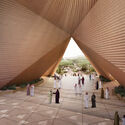
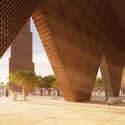
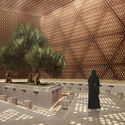
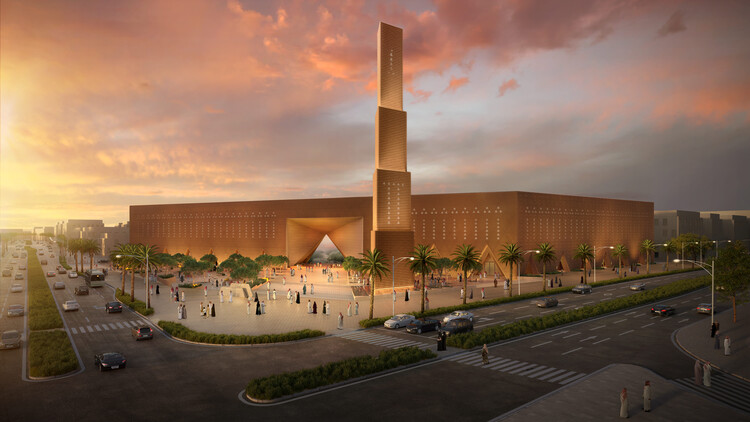
Set within the historic district of Diriyah, widely recognized as the birthplace of the first Saudi state, the Grand Mosque by X Architects forms part of the ongoing transformation of the area into a major cultural destination in Riyadh. Envisioned within the Diriyah Gate II development, the project is positioned at the intersection of heritage preservation and large-scale urban redevelopment, contributing to a broader master plan that includes museums, civic institutions, residential neighborhoods, and public spaces. Within this context, the mosque is conceived not only as a place of worship but also as an urban anchor embedded in the evolving fabric of the district.
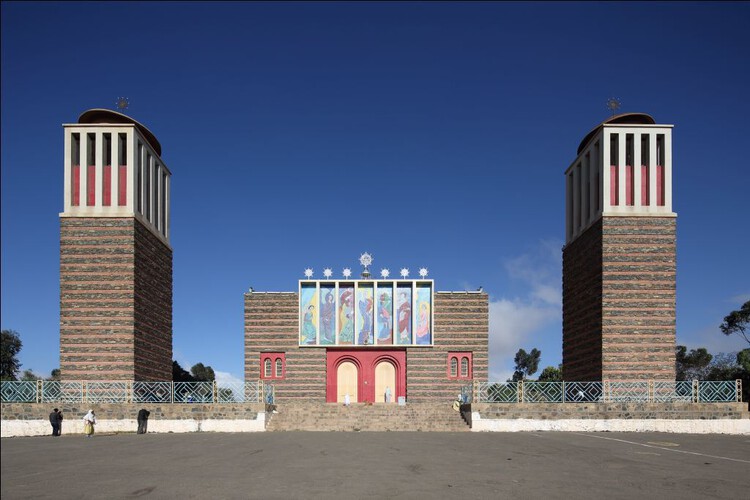
Enda mariam, Asmara Heritage Project, Eritrea . Image Courtesy of Pan-African Biennale (PAB)
The Pan-African Biennale (PAB) is a platform for discussion and exchange on architecture, bringing together, for the first time, all countries in the African continent. To highlight African contributions to the field, it seeks to shift the narrative from one of fragility to one of resilience by raising awareness of the continent's traditions, design, culture, and collective memory. The inaugural one-week event is scheduled to take place in Nairobi, Kenya, launching on September 7, 2026. As the first architecture biennale of its kind on the continent and a highly anticipated event, the opening week will feature exhibitions, installations, keynote dialogues, and public events across the city and other satellite locations. Curated by Somali-Italian architect Omar Degan, the biennale aims to shift architectural discourse by expanding contributions from studios representing all 54 African nations, exhibiting work rooted in local contexts, materials, and cultural narratives.
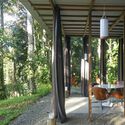
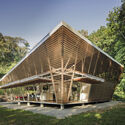
In temperate and cold climates, architecture typically begins with a defensive gesture. The building envelope is a sealed boundary designed to resist the exterior environment through insulation, vapor barriers, and mechanical control. In cold countries like Canada, where winter temperatures can plunge well below freezing, airtightness is not a luxury. In this context, buildings must resist the exterior environment entirely to maintain interior comfort. However, in Central America, a region spanning from Belize to Panama, architectural logic shifts from exclusion to negotiation. In this region, the envelope is not a wall of defense but a specialized filter.
Collective housing is a hallmark of Europe. The 2nd edition of the award is looking for collective housing projects to highlight their social impact and the policy frameworks that support them. Submissions are free and open until 30 April.
Post-industrial modernity generated a wide range of collective housing models that left a lasting mark on European cities and architectural history: from the Hofs of Vienna and the Weissenhof Siedlung to Le Corbusier's Unité d'habitation and the works presented at Berlin's Interbau.
The excesses of the modern movement cast a long shadow over social housing – a stigma that post-modernity failed to dispel. Yet since the turn of the millennium, new forms of collective housing have re-emerged, reconnecting with welfare-state ideals amid pressures from urbanization, property market tensions and ecological urgency.
In the nineteenth century, entire railway networks became obsolete almost overnight, not due to physical deterioration, but because of changes in the technical standards that supported them. The expansion of railroads across Europe and North America adopted different track gauges (the transverse distance between rails), and as a dominant standard gradually emerged, these infrastructures became incompatible with one another. This required large-scale adaptations, conversions, or even complete reconstruction, in what became known as the "Gauge War."
With the mass adoption of telecommunications networks in the twentieth century, cities around the world built large telephone exchange buildings filled with electromechanical equipment responsible for routing calls between regions. These structures were highly specialized pieces of infrastructure, often occupying entire city blocks and organized around large-scale technical machinery. With the transition to digital switching technologies and, later, the widespread adoption of mobile telephony, much of this equipment became obsolete within a few decades. The buildings themselves often remained structurally sound, but the systems they were designed to support had already evolved beyond them.