

This guide explains how to structure multi-image prompts in the RunDifussion platform. Explore RunDifussion's product catalog.
News
How to Prompt and Annotate Multiple Images with AI
| Sponsored Content
https://www.archdaily.comhttps://www.archdaily.com/catalog/us/products/38860/how-to-prompt-and-annotate-multiple-images-with-ai-rundiffusion
Rethinking the High-Rise: 5 Unbuilt Towers from the ArchDaily Community

High-rise architecture continues to serve as a primary tool for accommodating density in rapidly evolving urban environments. Traditionally defined by efficiency and repetition, the tower is increasingly being reexamined as a more complex spatial and organizational system. Across different geographies, architects are testing how vertical structures can move beyond singular functions to incorporate layered programs, environmental strategies, and new forms of occupation.
The following selection brings together unbuilt projects submitted by the ArchDaily community, highlighting a range of approaches to the contemporary tower. From mixed-use developments and residential high-rises to speculative ecological proposals, these works reflect an ongoing shift in how vertical architecture is conceived. These towers engage with broader questions of privacy, coexistence, adaptability, and urban integration.

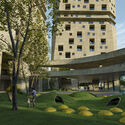
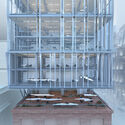
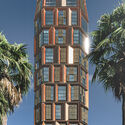
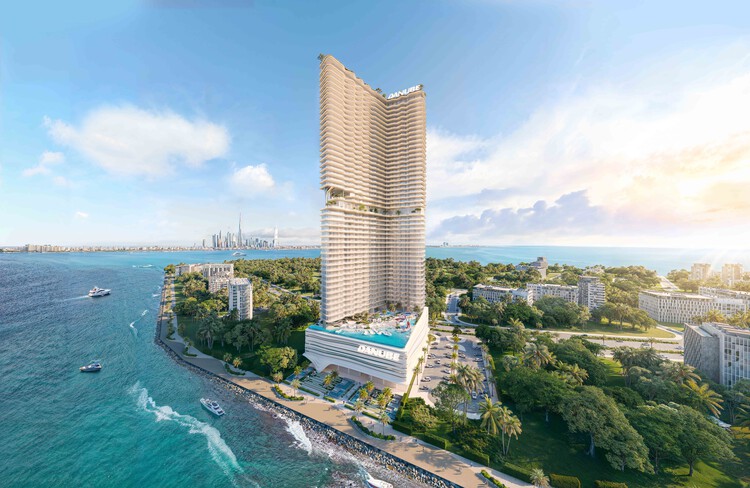
https://www.archdaily.com/1040793/rethinking-the-high-rise-5-unbuilt-towers-from-the-archdaily-communityNour Fakharany
Evolving Classrooms for Diverse Minds and Futures
| In Collaboration

Learning something new is, biologically, a transformation of the brain. With each experience, neural connections are reorganized, creating and strengthening synapses. Far more than simply accumulating information, learning is about reconfiguring internal structures, a process that can reshape individuals and societies alike. The environment in which this takes place can cultivate curiosity, adaptability, and emotional resilience, thus supporting our next generation of leaders, or suppress those qualities, leading to withdrawal and isolation.
With the rise of modern schooling during the Industrial Revolution, a standardized model emerged, defined by rows of desks, simultaneous instruction, and visual supervision. Often compared to a factory system, this model still persists in many places despite profound technological shifts. These rigid environments remain even as modern learning demands experimentation and adaptability.
https://www.archdaily.com/1041145/evolving-classrooms-for-diverse-minds-and-futuresEduardo Souza
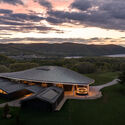
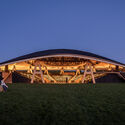
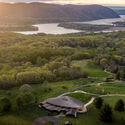
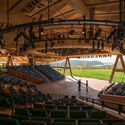
Studio Gang Completes the Samuel H. Scripps Theater Center for Hudson Valley Shakespeare in New York

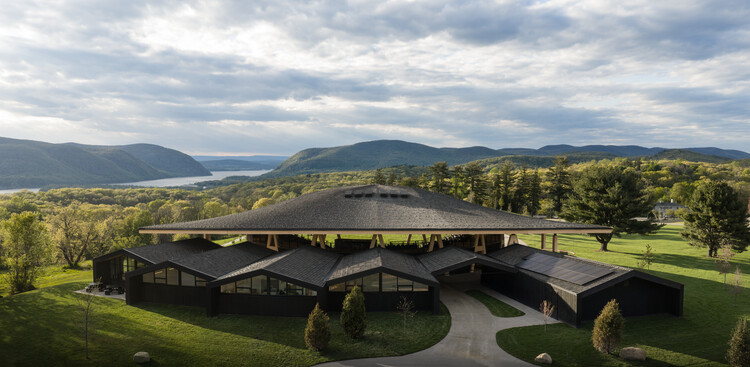
Hudson Valley Shakespeare has opened the Samuel H. Scripps Theater Center in Garrison, New York, marking the completion of a six-year project that establishes the company's first permanent home. The new campus, designed by Studio Gang in collaboration with Nelson Byrd Woltz Landscape Architects, expands the organization's long-standing open-air performance model into a permanent cultural and educational facility integrated within the Hudson Valley landscape. Construction began in September 2024 following several years of planning and fundraising.
https://www.archdaily.com/1041574/studio-gang-completes-the-samuel-h-scripps-theater-center-for-hudson-valley-shakespeare-in-new-yorkReyyan Dogan
Kengo Kuma & Associates and Paul Raff Studio Selected to Design New Banff National Park Visitor Centre in Canada

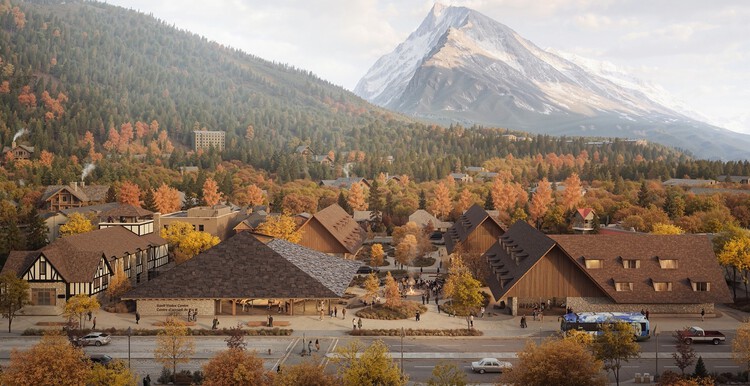
On May 13, 2026, Parks Canada, the federal agency responsible for protecting and managing Canada's natural and cultural heritage, announced the winning design for a reimagined visitor centre and community space in Banff National Park. The competition was organized in partnership with the Royal Architectural Institute of Canada (RAIC) as part of the 200-Block Banff Avenue Redevelopment Project. The proposal by Paul Raff Studio and Kengo Kuma & Associates was selected from a shortlist of five pre-qualified teams that also included EVOQ + Ryder, KPMB Architects, Revery Architecture, and Stantec Architecture. An independent jury assembled by the RAIC selected the design for its approach to landscape, sustainability principles, and its balance between conservation, heritage, Indigenous perspectives, and visitor experience, among other considerations.


https://www.archdaily.com/1041575/kengo-kuma-and-associates-and-paul-raff-studio-selected-to-design-new-banff-national-park-visitor-centre-in-canadaAntonia Piñeiro
Reading the Territory: The Landscapes of Estudio Ome

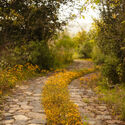
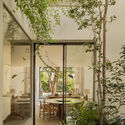
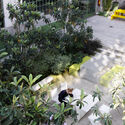
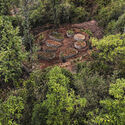
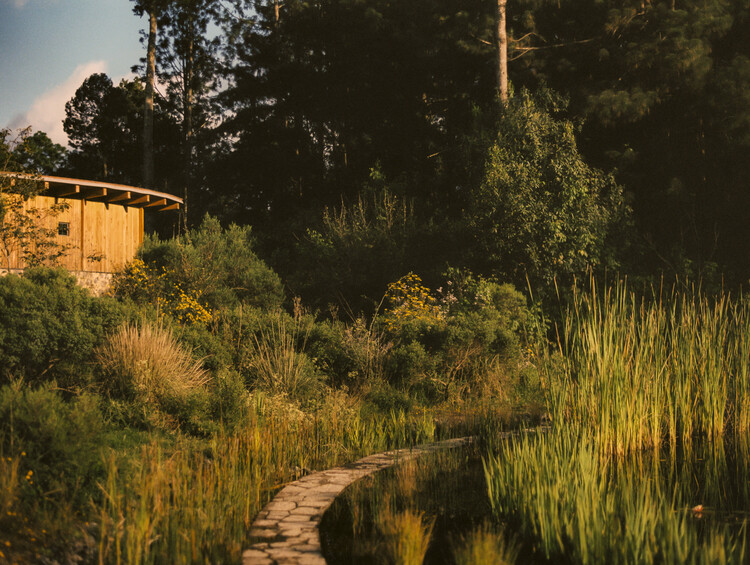
Based in Mexico City, Estudio Ome, founded by Susana Rojas Saviñón and Hortense Blanchard, is an architectural and landscape practice working across forests, volcanic terrains, urban fragments, and former industrial sites. Winner of the ArchDaily 2025 Next Practices Awards, the studio develops projects through sustained observation of ecological and territorial conditions, where design decisions arise directly from the behavior of soil, water, vegetation, and ground.
Each project begins with repeated encounters. The terrain is first approached through walking and prolonged observation, letting drainage patterns, erosion, and seasonal shifts become legible before any formal measurement occurs. These visits form the basis for interpreting both visible and subterranean layers—hydrology and historical transformations that continue to exert force on the surface.
https://www.archdaily.com/1041428/reading-the-territory-the-landscapes-of-estudio-omeValentina Díaz
A Project in Motion: The Story Behind Realengo Park Market Square in Rio de Janeiro

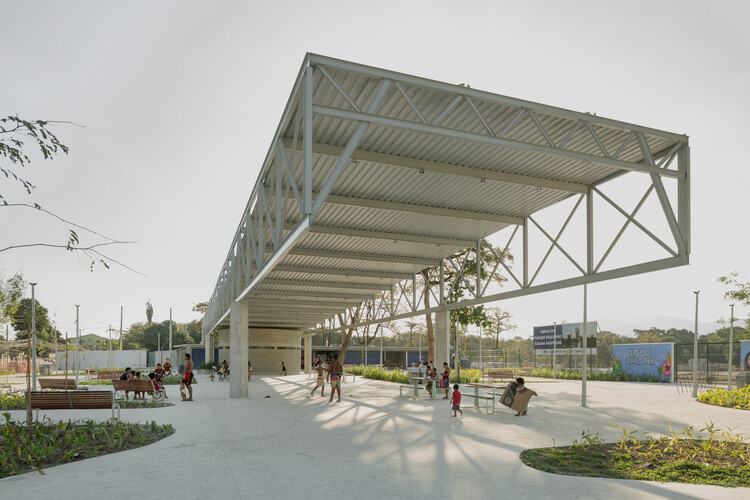
Even before any drawing or formal decision, the place now occupied by Praça do Mercado in Parque Realengo, Rio de Janeiro, already pulsed with movement. Improvised stalls, informal gatherings, music, children running, and adults gathered beneath temporary shelters composed a vibrant landscape, sketching an ephemeral architecture.
It is within this context that the work developed by Juliana Ayako—one of the winners of the ArchDaily 2025 Next Practices Awards—together with Carlos Zebulun, Helena Meirelles, Larissa Monteiro, Rodrigo Messina, Francisco Rivas, emerged. The project management, urban planning, and landscape design were carried out by Ecomimesis Soluções Ecológicas, winner of the public competition organized by the Municipality of Rio de Janeiro in 2023.

https://www.archdaily.com/1041147/a-project-in-motion-the-story-behind-realengo-park-market-square-in-rio-de-janeiroCamilla Ghisleni
Appartamento Spagnolo Opens a Window to Spanish Interior Design at Milan Design Week 2026
| In Collaboration

Interpreting the contemporary habitat is a priority for architects and designers worldwide. Amid shifting trends, stylistic blends, and the revival of different techniques, contemporary interior design brings together materials, textures, and colors to transform the user experience. Within the domestic realm, a series of realities, tensions, and activities unfold, with design serving as a strong foundation and support system to meet the needs of its inhabitants. During Milan Design Week 2026, ICEX and Elle Decor Italia presented the fourth edition of Appartamento Spagnolo—a spatial framework created to showcase contemporary Spanish interior design within a historic context.
https://www.archdaily.com/1041154/appartamento-spagnolo-opens-a-window-to-spanish-interior-design-at-milan-design-week-2026Agustina Iñiguez
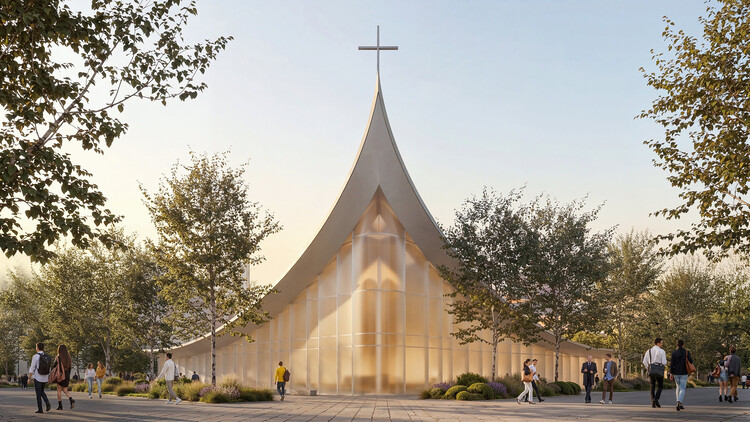
WUF13 in Baku and Stefano Boeri’s Ambrosian Monastery in Milan: This Week’s Review

As global urban challenges intensify alongside growing environmental, social, and cultural pressures, this week's news reflects how institutions, exhibitions, and restoration projects are highlighting the relationship between the built environment and collective experience. From international forums addressing housing insecurity and urban resilience to cultural events examining memory, identity, and spatial perception, positioning architecture as both a framework for policy and a medium for critical reflection. At the same time, major restoration and redevelopment initiatives highlight a renewed focus on preserving historical continuity while adapting heritage sites and cultural institutions to contemporary forms of use, accessibility, and public engagement.

https://www.archdaily.com/1041545/wuf13-in-baku-and-stefano-boeris-ambrosian-monastery-in-milan-this-weeks-reviewReyyan Dogan
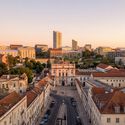
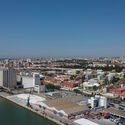
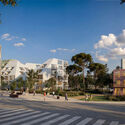
MVRDV and OODA Reveal Landscape-Led Masterplan for Lisbon’s Marvila Riverfront Regeneration

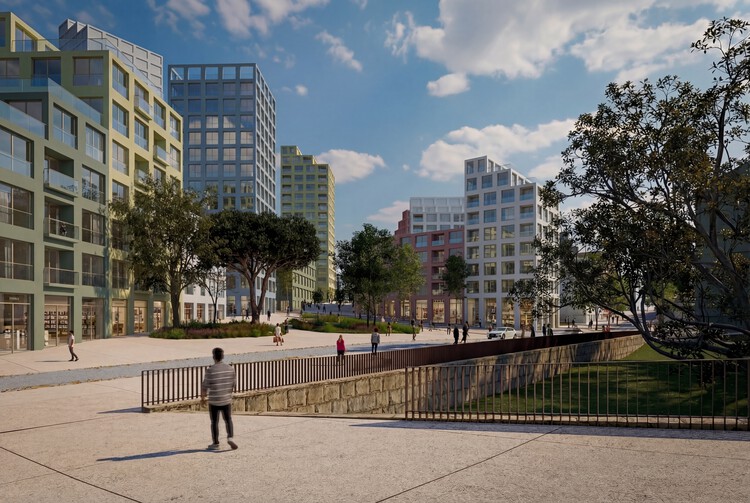
MVRDV and OODA have revealed a new masterplan for the regeneration of a vacant 28-hectare site between Marvila and Beato on Lisbon's riverfront. Recently approved by the Lisbon City Council, the project was developed in collaboration with LOLA Landscape Architects and Thornton Tomasetti to transform the area into a landscape-led urban district. Titled The Marvila Masterplan, the proposal establishes a framework for introducing 1,400 homes alongside public facilities, commercial spaces, and services within a fragmented and largely abandoned territory. The project is a private initiative led by the principal landowner and developed in coordination with the Lisbon City Council and Infraestruturas de Portugal.
https://www.archdaily.com/1041548/mvrdv-and-ooda-reveal-landscape-led-masterplan-for-lisbons-marvila-riverfront-regenerationAntonia Piñeiro
The Productive Clash: Heritage Interiors, Contemporary Projects, and the Value of Imperfection

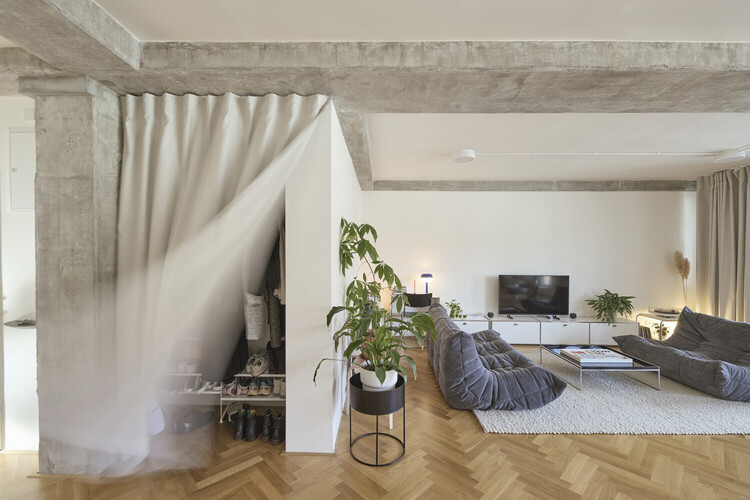
Heritage, in interiors, is increasingly rarer to be only a matter of preservation alone. More often it arrives as friction: the encounter between what a building already is—its plan logic, its scars, its structural inconsistencies—and what contemporary life demands of it.
Some of the most convincing projects today are not those that "restore" an interior back to a single moment, nor those that erase the past under a seamless new skin. They are the ones that stage a relationship between old and new—allowing contrast to do more than tell a story, and letting the clash become a pragmatic tool for construction, budget, and speed.


https://www.archdaily.com/1041461/the-productive-clash-heritage-interiors-contemporary-projects-and-the-value-of-imperfectionJonathan Yeung
Steel Architectural Awards ASEAN 2026: Open for Entries Across Southeast Asia
| Sponsored Content

The Steel Architectural Awards ASEAN 2026 is a regional architectural awards program presented by NS BlueScope to recognize built projects that demonstrate architectural excellence through the use of coated steel solutions. Under the theme Shaping Resilient Futures: Timeless Design with Coated Steel, the program highlights projects across Indonesia, Malaysia, Thailand, and Vietnam, progressing from the Country Awards to ASEAN-level recognition. This article explains how the two-stage pathway works, what categories are included, and how projects are assessed through Design Excellence, Innovation, and Sustainability.
https://www.archdaily.com/1041131/steel-architectural-awards-asean-2026-open-for-entries-across-southeast-asiaRene Submissions
Distraction in Architecture: In Conversation with 2026 Pritzker Laureate Smiljan Radić

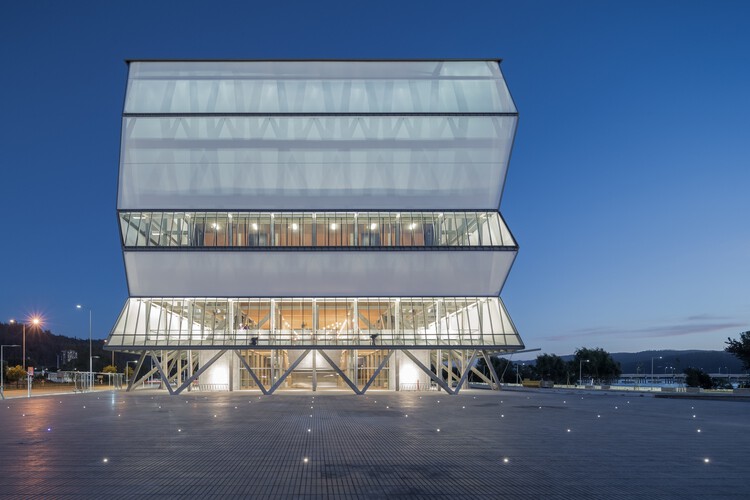
"I want to start by thanking architecture itself." With these words, Chilean architect Smiljan Radić, the 55th laureate of the Pritzker Architecture Prize, opened his acceptance speech in Mexico City. Reflecting on what he calls "distractions," he thanked the many encounters that have accompanied him throughout his life and practice: from art, cities, materials, structures, and compositions to landscapes, poetry, nature, forms, stories, and memories. He spoke about what, within them, provoked him and the marks they left on his architectural imagination.
From the black light in Chandigarh and the interior of San Salvatore in Rialto, to the heaps of stone on the Croatian island of Brač; from the fallen columns of the Temple of Poseidon and the abandoned shires scattered across Chile, to People Meet in Architecture, Kazuyo Sejima's 2010 Venice Architecture Biennale, the traveling Chilean circus, and the silence of the water within the cisterns of Hagia Sophia, his speech unfolded as a tribute to moments, encounters, and distractions. A collage of memories and impressions that, together, shaped the architect he became.

https://www.archdaily.com/1041506/distraction-in-architecture-in-conversation-with-2026-pritzker-laureate-smiljan-radicChristele Harrouk
Designing with Sound: How Audio Shapes Residential Architecture
| In Collaboration

What defines the atmosphere of a home? Beyond material palettes and natural light, sound plays a defining role in how spaces are perceived and inhabited. The reverberation of footsteps across stone, the muted calm of a textile-lined room, or the way music carries through an open-plan interior all shape the sensory identity of domestic space. Architecture is experienced not only visually, but acoustically.
The concept of the "soundscape" describes this relationship between people, sound, and the built environment. In residential architecture, sound is more than background noise or technical performance; it influences privacy, concentration, rest, and emotional comfort. Geometry and materiality act as the primary acoustic conductors: while concrete, glass, and stone reflect and amplify, timber and upholstery soften and absorb. Ceiling heights, circulation paths, and room proportions further shape how sound travels and settles across a space.
https://www.archdaily.com/1041306/designing-with-sound-how-audio-shapes-residential-architectureKiana Buchberger
Antoni Gaudí’s Last Original Residence at Casa Batlló Opens Following Three-Year Restoration

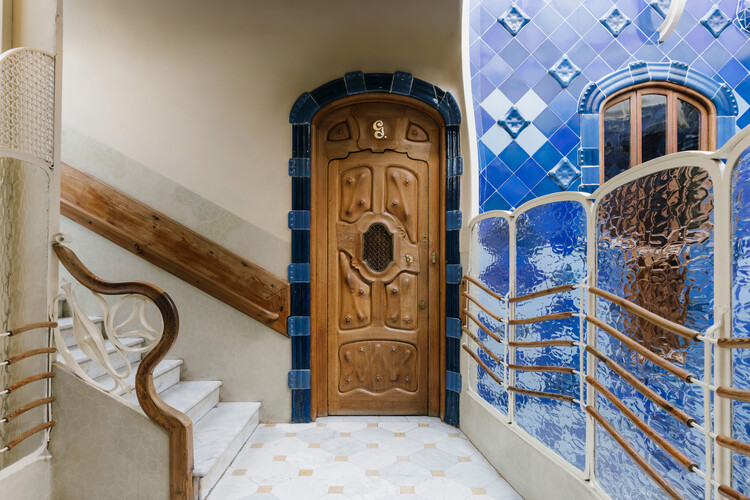
Casa Batlló in Barcelona has unveiled the restored Third Floor of the building, opening the last original residence preserved from Antoni Gaudí's 1904-1906 transformation of the property to the public for the first time. Led by restoration architect Xavier Villanueva and developed over three years through an archaeological-style conservation process, the intervention recovers a largely intact domestic environment that had remained inhabited by descendants of the Batlló family for more than a century. Adapted into a series of private rooms for gatherings, cultural events, and experiences, the restored apartment combines heritage preservation with a contemporary interior design intervention by Paola Navone – OTTO Studio, establishing a new program for one of Barcelona's most recognized architectural landmarks.


https://www.archdaily.com/1041497/antoni-gaudis-last-original-residence-at-casa-batllo-opens-following-three-year-restorationReyyan Dogan
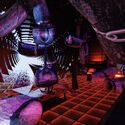
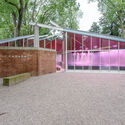
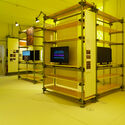
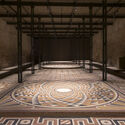
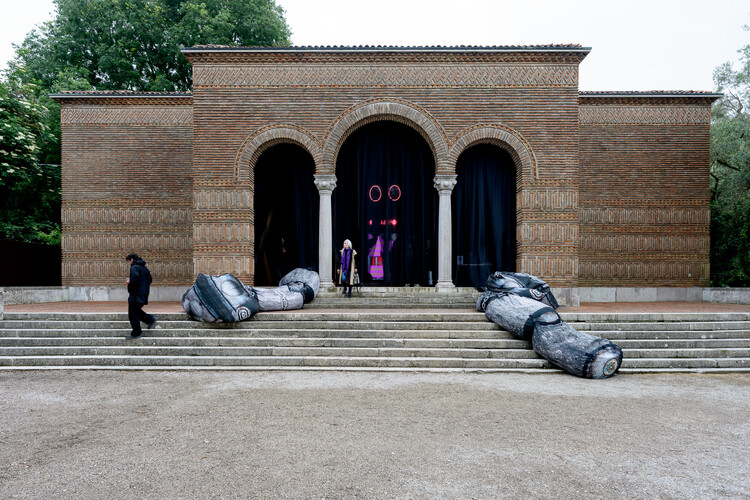
8 National Pavilion Highlights from the 2026 Venice Art Biennale

In December 2024, art curator Koyo Kouoh became the first African woman selected to curate the 61st International Art Exhibition of La Biennale di Venezia. She proposed an introspective and sensitive approach to the exhibition, shaped by themes of grief, memory, spirituality, and global exhaustion. Following her premature passing in May 2025, the Biennale decided to continue with the same curatorial project, titled In Minor Keys. Wolff Architects was appointed by Kouoh in early 2025 to realize the exhibition design and scenography, focused on "the transformative spatial power of the threshold as a portal to alternative comprehension and experiences." The event was inaugurated on Saturday, May 9, and will run until Sunday, November 22, 2026, across the Giardini della Biennale, the Arsenale di Venezia, and other locations throughout Venice.
https://www.archdaily.com/1041443/8-national-pavilion-highlights-from-the-2026-venice-art-biennaleAntonia Piñeiro
Dogtrot House: Vernacular Knowledge and Climate-Responsive Design

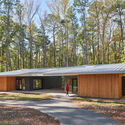
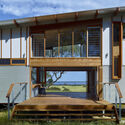
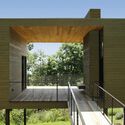
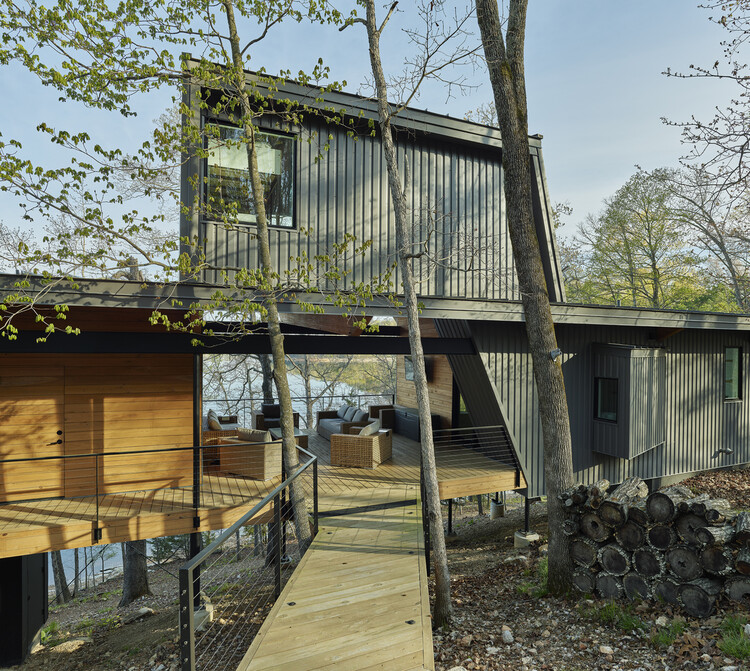
The dogtrot house emerged across the South of the United States during the late nineteenth century as a direct response to humid climates, material availability, and patterns of rural habitation. Found throughout the Appalachian Mountains, coastal Carolinas, and lowlands of Louisiana, the dogtrot house appeared in numerous regional variations, yet its fundamental spatial logic remained remarkably consistent. Two enclosed living masses are separated by an open central passage and unified beneath a continuous roof, creating a dwelling that is simultaneously economical and responsive to long, hot summers. Although architectural historians continue to debate the precise geographic origins of the dogtrot, the typology represents a broader vernacular intelligence that emerged through the convergence of environmental necessity, local construction practices, and rural living.

https://www.archdaily.com/1041195/dogtrot-house-vernacular-knowledge-and-climate-responsive-designOlivia Poston
How AI Is Transforming the Architectural Visualization Workflow
| Sponsored Content

Architectural visualization has long played a key role in communicating and shaping design ideas. Today, that role is expanding. With the rise of artificial intelligence, visualization is becoming more deeply embedded throughout the entire design workflow, supporting faster iteration and more informed decision making.
https://www.archdaily.com/1041348/how-ai-is-transforming-the-architectural-visualization-workflowRene Submissions
ParkTEA: An ArchDaily Student Project Awards Winner Reimagining the City for Cognitive Diversity

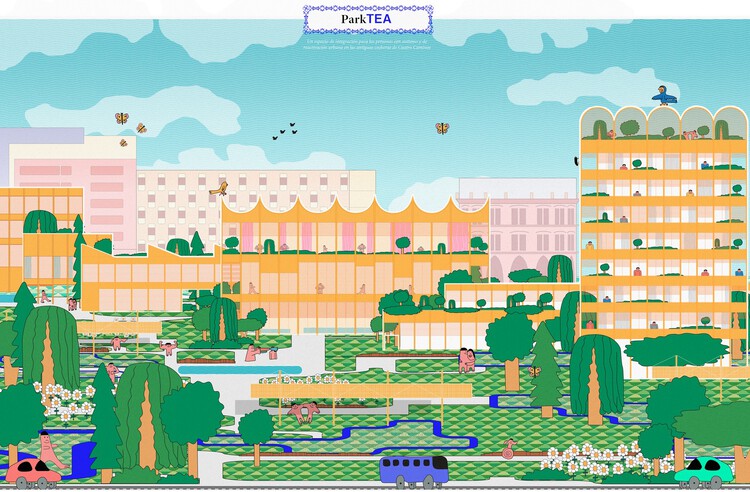
Public space is often designed around a narrow idea of how people move, interact, and respond to their surroundings. ParkTEA starts from a different position. The city can also make room for those who experience space through different sensory and social conditions.
Developed by Ignacio Martínez Pardo at the Escuela Técnica Superior de Arquitectura de Madrid (ETSAM), the project was conceived within the Master's thesis (Graduate-MHab) program during the 2024 to 2025 academic year, under the guidance of Héctor Fernández Elorza, Jesús Aparicio, Carlos García Fernández, and Jaime Daroca Guerrero. Recognized as one of the winners of the first edition of the ArchDaily Student Project Awards, ParkTEA engages the theme of coexistence through a proposal that brings together care, infrastructure, and urban life.
https://www.archdaily.com/1041256/parktea-an-archdaily-student-project-awards-winner-reimagining-the-city-for-cognitive-diversityDaniela Andino
How Waterways and Memory Shape Bathroom Design
| In Collaboration

Water has always occupied a unique position in architecture: elemental yet elusive, functional yet symbolic. It is both a material and a medium that shapes cities, structures rituals, and influences how space is perceived. Across cultures, water is understood not only as a source of life but as a carrier of meaning, associated with purification, renewal, and continuity. Its presence in the built environment often extends beyond utility, becoming a device through which architecture engages the senses and constructs atmosphere.
https://www.archdaily.com/1041109/how-waterways-and-memory-shape-bathroom-designKiana Buchberger
Tallinn Architecture Biennale 2026 Announces Winners of Installation and Vision Competitions

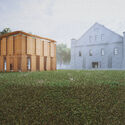
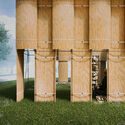
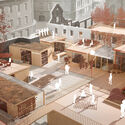
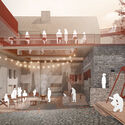
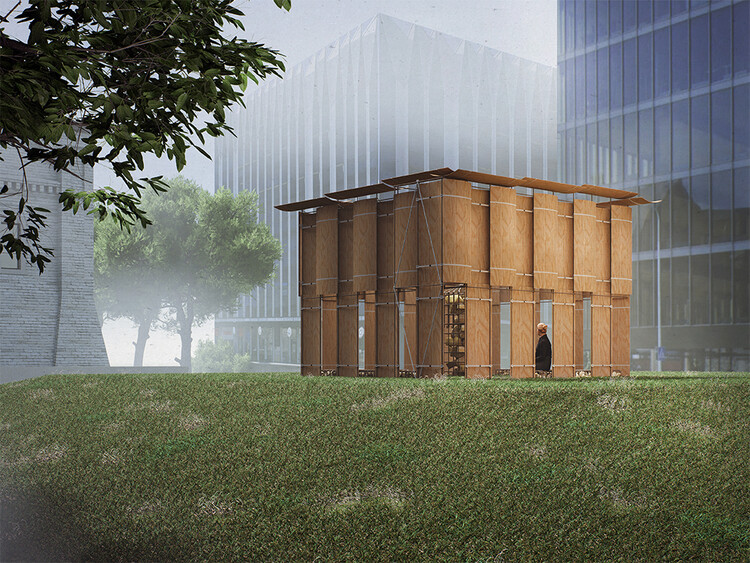
The 8th edition of the Tallinn Architecture Biennale 2026 (TAB 2026) has announced the winners of its Installation Programme Competition and Vision Competition, both developed within the curatorial framework titled "How Much?". Organized by the Estonian Centre for Architecture, the biennale will take place from September 9 to November 30, 2026, with its Opening Week scheduled from September 9 to 13. Curated by Stuudio TÄNA, Mark Aleksander Fischer, and Mira Samonig, TAB 2026 explores the role of money, affordability, and resource allocation in shaping architecture and the built environment, while examining how contemporary practice negotiates economic constraints and cultural value.
https://www.archdaily.com/1041464/tallinn-architecture-biennale-2026-announces-winners-of-installation-and-vision-competitionsReyyan Dogan
Designing a Brand: How Apple Built an Architectural Language of Glass and Order

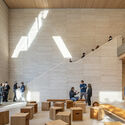
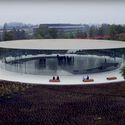
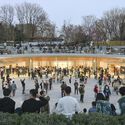
In 2026, Apple marked fifty years since its founding. Over the past two decades, Apple has developed a consistent architectural language that extends its brand into the built environment, transforming stores, workplaces, and public-facing spaces into active components of its identity. These environments guide movement, frame interaction, and condition the ways in which users encounter both products and the company itself.
From the handheld device to the urban interior, Apple has sought to maintain a high degree of control over form, material, and experience. Architecture becomes part of this system when the company begins to define how it is perceived and engaged with in physical space. Research on retail environments has shown how spatial layout, visibility, and circulation patterns can shape behavior and interaction, turning architecture into an interface between brand and user.


https://www.archdaily.com/1040779/designing-a-brand-how-apple-built-an-architectural-language-of-glass-and-orderDiogo Borges Ferreira
Understanding Light Sources: Types, Metrics, and Their Role in Architectural Design

Walking into an electrical store can be intimidating. At first glance, all the lights are on, and the thousands of chandeliers and lamps are blinding. When you walk toward the shelves, you see dozens of options, shapes, colors, prices, and uses. On each package, informational tables display numbers that can seem confusing at first. Lumens, color temperature, wattage—there are many unfamiliar terms. Before defaulting to the cheapest option, only to find that it creates an uncomfortable or poorly balanced atmosphere, understanding a few key concepts can make a significant difference.
Lighting design plays a fundamental role in shaping how spaces are perceived and used, influencing comfort, atmosphere, and even productivity. Poorly designed lighting, on the other hand, can compromise these qualities. Rather than approaching lighting as a purely technical decision, it can be understood as an integral part of architectural design. To help clarify these choices, the following overview introduces the most common types of light sources and key concepts associated with them.
https://www.archdaily.com/928655/how-to-choose-light-bulbs-for-an-architectural-projectEduardo Souza
Rethinking the Architecture Firm for the AI Era
| In Collaboration

Artificial intelligence has made its way into almost every corner of professional workflows, prompting the architectural industry to rethink how it works. To adapt to this shift, firms are now facing the limits of a model that has changed very little over the past few decades.
What has shifted, and noticeably so, is the pressure on productivity. Today's studios are expected to deliver more work faster and with greater accuracy, while managing tighter budgets, complex regulations, and rising client expectations. In practice, this translates into compressed timelines and a constant demand for precision that leaves little room for error. Often, much of this pressure falls on a small group of individuals who hold critical project knowledge.
https://www.archdaily.com/1039777/rethinking-the-architecture-firm-for-the-ai-eraAgustina Iñiguez
One Week Until WUF13 Begins in Baku: Exploring Safe and Resilient Cities Under the Theme “Housing the World”

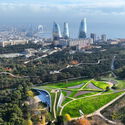
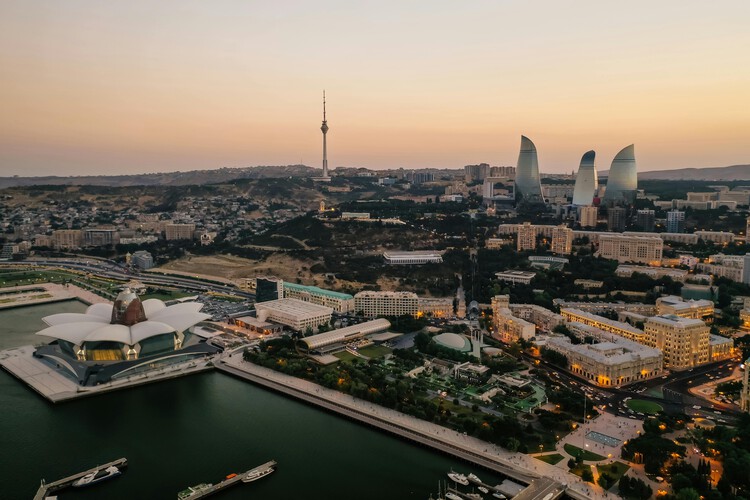
Co-organized by UN-Habitat and the Government of Azerbaijan, the thirteenth session of the World Urban Forum 13 will take place in Baku from May 17 to 22, 2026, under the theme "Housing the World: Safe and Resilient Cities and Communities." Convened every two years by UN-Habitat, the World Urban Forum is considered one of the leading international conferences dedicated to urbanization and the future of cities. Bringing together architects, planners, policymakers, researchers, local governments, and civil society organizations, the forum serves as a platform for discussing the challenges shaping contemporary urban environments and the strategies needed to address them.



https://www.archdaily.com/1041422/one-week-until-wuf13-begins-in-baku-exploring-safe-and-resilient-cities-under-the-theme-housing-the-worldReyyan Dogan