

Lumion View is a lightweight, always-on visualization tool built directly into SketchUp.
News
How to make early-stage design faster and simpler | Lumion View for SketchUp
| Sponsored Content
https://www.archdaily.comhttps://www.archdaily.com/catalog/us/products/38459/how-to-make-early-stage-design-faster-and-simpler-lumion-view-for-sketchup-lumion
Security as Script: Inside the Architecture of Gated Living

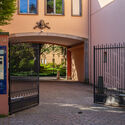
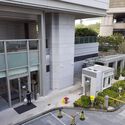
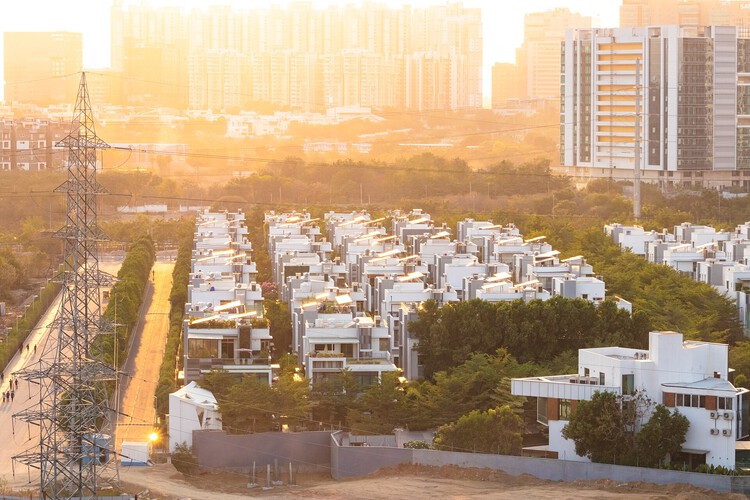
You learn how to behave long before you arrive home. At the gate, you slow down and wait. You are watched, then waved through. A badge is checked, a barrier lifts, a camera blinks. Nothing dramatic happens, and that is precisely the point. The most consequential work of gated communities is not done by their walls, but by the choreography of entry that quietly teaches residents what to expect, whom to trust, and where they belong.


https://www.archdaily.com/1037992/security-as-script-inside-the-architecture-of-gated-livingAnanya Nayak
Lu Wenyu: Quiet Radicalism and the Practice of Repair

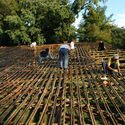
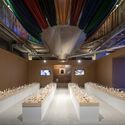
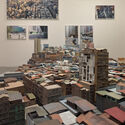
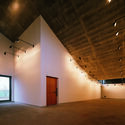
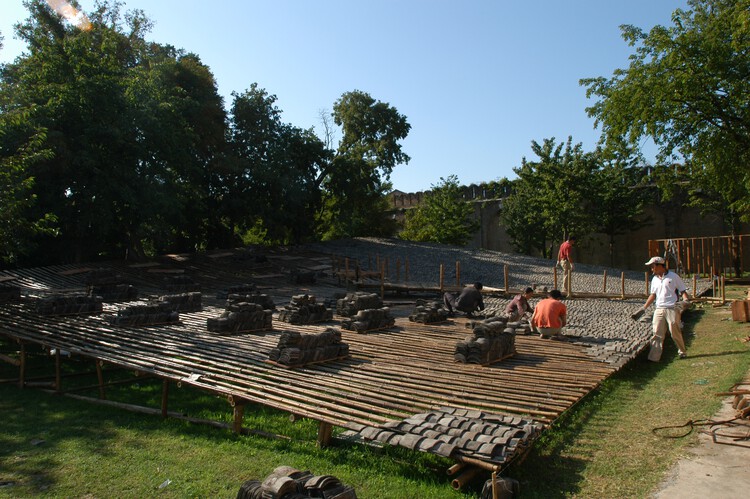
Lu Wenyu—co-founder of Amateur Architecture Studio with Pritzker laureate Wang Shu—has shaped many of the practice's most emblematic works across China, including the Ningbo History Museum and the Xiangshan Campus of the China Academy of Art in Hangzhou. Often working outside the spotlight, her leadership is unmistakable in the discipline of execution and the roles she has assumed: in 2003, together with Wang Shu, she established the Architecture Department at the China Academy of Art, where she also serves as Director of the Sustainable Construction Center. Her practice and teaching form a reciprocal loop: research conducted in studios at the China Academy of Art continually folds back into construction strategies on site, while lessons learned in the field return to the classroom as material intelligence rather than abstract theory.
https://www.archdaily.com/1037907/lu-wenyu-quiet-radicalism-and-the-practice-of-repairJonathan Yeung
ATN Summit 2026: From an Online Platform to a New Architecture and Technology Conference
| Sponsored Content

Founded by Oliver Thomas, the ATN Summit is the first flagship conference of the Archi-Tech Network, marking five years since the platform began as a grassroots initiative to share real-world architectural knowledge. Taking place on March 18–19, 2026, in London, the ATN Summit brings together architects, technologists, and industry innovators to explore how emerging technologies are reshaping architectural practice. Designed as a high-production, ideas-driven event, the Summit reflects ATN's evolution from an informal online conversation into a global platform actively engaging with the future of the built environment.
https://www.archdaily.com/1037886/atn-summit-2026-from-an-online-platform-to-a-new-architecture-and-technology-conferenceRene Submissions
Serpentine Pavilion 2026 and Lina Ghotmeh’s House of Performing Arts: This Week’s Review

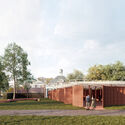
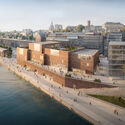
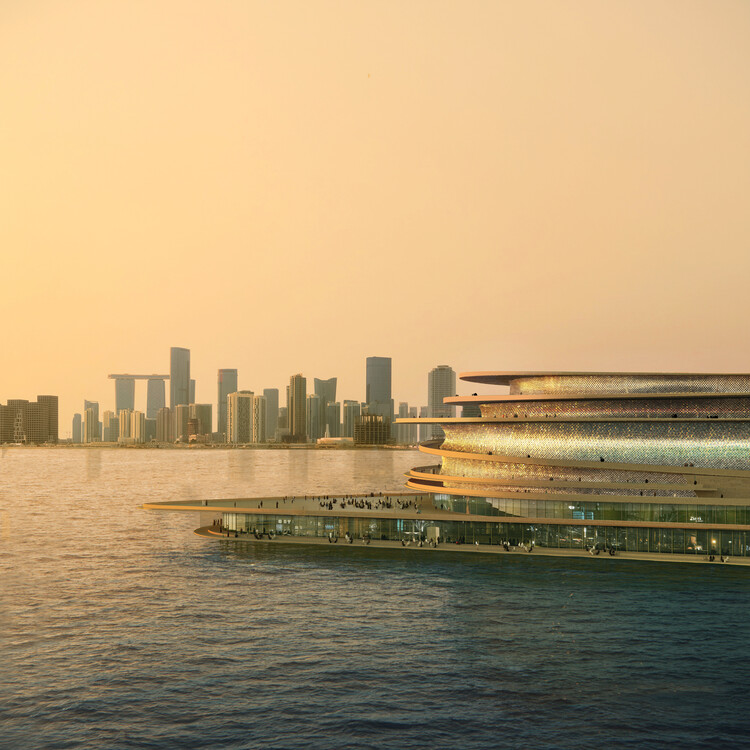
Architecture's public role emerges as a central theme across recent announcements, institutional projects, and professional programs. The selection of the 2026 Serpentine Pavilion designer foregrounds architecture as a space for public encounter and material inquiry, while major civic and cultural projects point to renewed investment in institutions that support education, exchange, and urban continuity. Alongside these developments, international award programs and policy-aligned initiatives continue to situate architecture within broader conversations on sustainability, social responsibility, and long-term impact, highlighting how design decisions at both intimate and monumental scales respond to shared environmental and civic challenges.
https://www.archdaily.com/1038078/serpentine-pavilion-2026-and-lina-ghotmehs-house-of-performing-arts-this-weeks-reviewReyyan Dogan
Henning Larsen Proposes a "Learning Village" to Expand the Glyvra School in the Faroe Islands

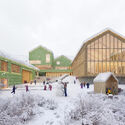
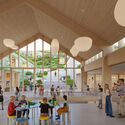
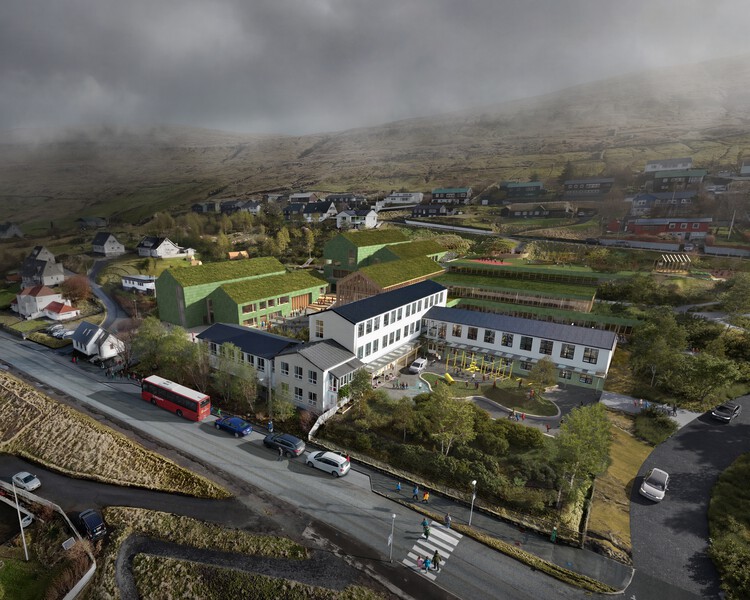
Danish architecture studio Henning Larsen has been selected to redesign and expand Glyvra School in the Faroe Islands, proposing a landscape-driven educational campus that responds directly to the region's topography and climate. Conceived as a "learning village," the project rethinks the role of the school in a small coastal community, positioning architecture and outdoor space as integral parts of everyday learning. Commissioned by Runavík Municipality and developed in collaboration with engineering firm Ramboll, the project will be delivered in multiple phases to ensure the school remains fully operational throughout construction, with new facilities completed and occupied before existing structures are renovated or removed.
https://www.archdaily.com/1038081/henning-larsen-proposes-a-learning-village-to-expand-the-glyvra-school-in-the-faroe-islandsReyyan Dogan
What Informality and Incrementality Reveal About Sustainable Urbanism in India

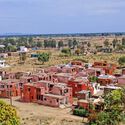
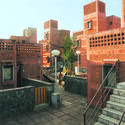
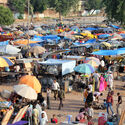
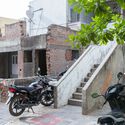
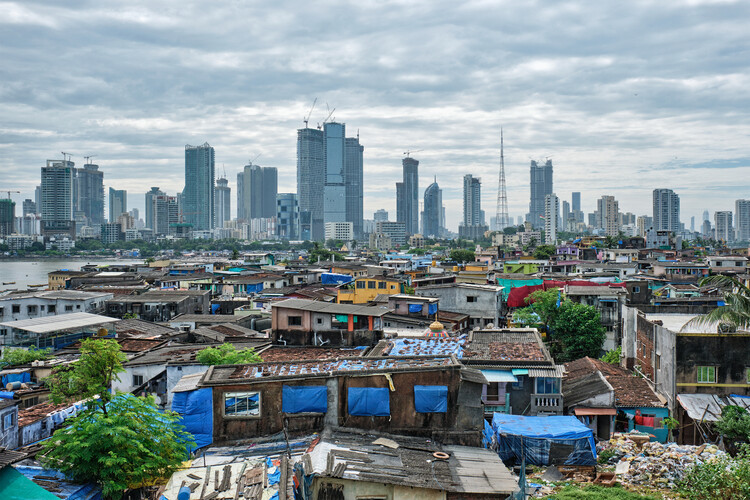
The magic of Indian architecture lies in an invisible order amidst visceral chaos. When an uncertain future knocks on the doors of local practitioners, one might begin to look within the four walls they occupy to discover an opportunity for reinterpretation.
Mumbai, Delhi, Bengaluru, and other major metropolises are described as needing massive housing solutions for millions. The instinctive answer is predictable — masterplans, dense towers, and standardized units smeared over haphazard developments. The lexicon misses a deeper truth about how the people already live, work, and build in India. The shorthand used in policy and planning — slum, informal settlement, unauthorized colony — implies a temporary state to be corrected. A designer's eye views these places as layered urban histories, formed through necessity.
https://www.archdaily.com/1037993/what-informality-and-incrementality-reveal-about-sustainable-urbanism-in-indiaAnkitha Gattupalli
Riyadh Architecture City Guide: 16 Projects from Heritage to Urban Expansion

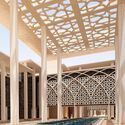
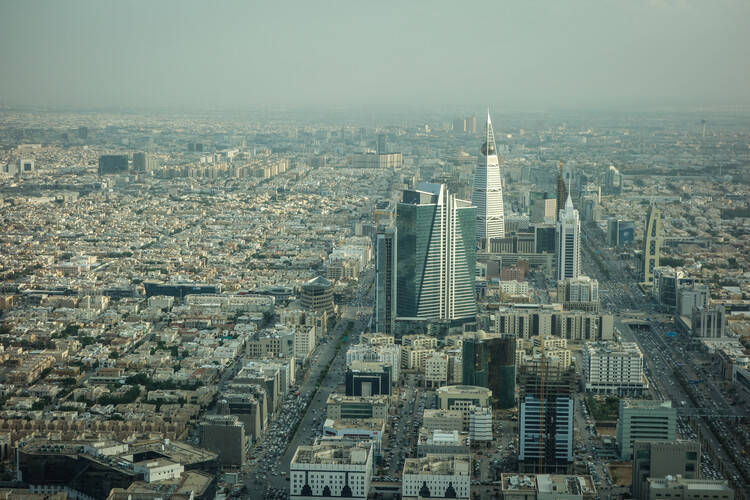
Once a Najdi settlement defined by mudbrick walls and courtyard houses, Riyadh has undergone one of the most radical urban transformations of the 20th and 21st centuries. The discovery of oil reserves, the consolidation of political power, and the rapid expansion of infrastructure reshaped the city from a regional capital into a sprawling metropolis almost within a single generation. As a result, Riyadh's urban fabric is marked by discontinuities, fragments of vernacular architecture coexist with mid-century institutional modernism, and a rapidly evolving contemporary skyline.
In recent decades, this layered condition has been further intensified by large-scale development strategies and cultural investment programs that position architecture as a tool for redefining national identity. International practices have played a decisive role in shaping key institutions, infrastructures, and landmarks, while local studios increasingly contribute projects that reinterpret climate, materiality, and social space within a contemporary framework.



https://www.archdaily.com/1037836/riyadh-architecture-city-guide-16-projects-from-heritage-to-urban-expansionDiogo Borges Ferreira
"Each Constraint Becomes More of an Opportunity": In Conversation With Holcim Award Winner THINK TANK architecture

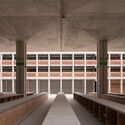
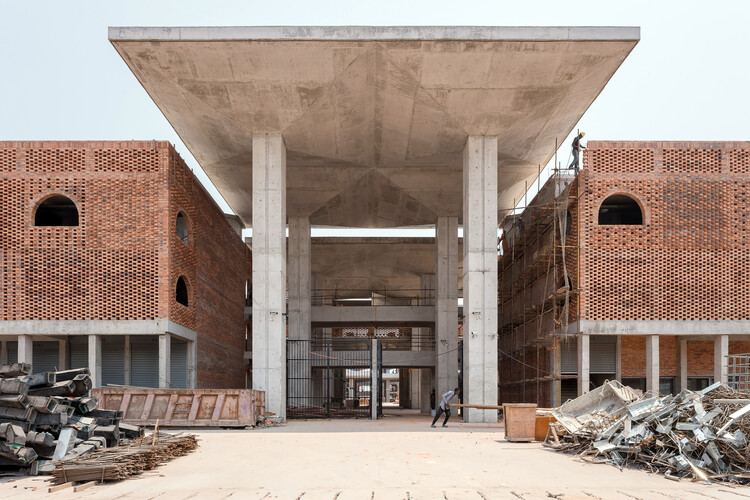
The Zando Central Market redevelopment in Kinshasa, Democratic Republic of the Congo, designed by THINK TANK architecture, has been selected among the 20 winning projects of the 2025 Holcim Foundation Awards in the Middle East and Africa region. Originally designed for 3,500 traders and now accommodating more than 20,000 vendors, the market has long operated under conditions of severe overcrowding and infrastructural strain. The project stands out for its large-scale public ambition, its reliance on locally available materials and skills, and its capacity to accommodate both formal and informal economies within a rapidly transforming urban context.
https://www.archdaily.com/1038040/each-constraint-becomes-more-of-an-opportunity-in-conversation-with-holcim-award-winner-think-tank-architectureReyyan Dogan
“Great Architecture Must Be Poetry:” Zhu Pei on Architecture as a Form of Art in Louisiana Channel Interview
Zhu Pei is a Chinese architect born in 1962 in Beijing. He studied at Tsinghua University and UC Berkeley, and founded Studio Zhu Pei in 2005. The studio's experimental work and research focus on contemporary architecture, art, and cultural projects. With an artistic and exploratory approach, it investigates the relationship between the roots that anchor architecture in specific natural and cultural contexts and the innovation that drives architecture as a form of artistic revolution. In his interview with Louisiana Channel, Zhu Pei describes architecture as an artistic discipline that, like poetry, relies on openness, imagination, and the creation of new experiences. He argues that great architecture goes beyond functional problem-solving by generating a sense of wonder through its ability to "invent" and "create some new thing, new experience," positioning architectural practice as cultural and sensory exploration rather than purely technical production.


https://www.archdaily.com/1036650/great-architecture-must-be-poetry-zhu-pei-on-architecture-as-a-form-of-art-in-louisiana-channel-interviewAntonia Piñeiro
Call for ArchDaily's Next Product Manager

ArchDaily is expanding its product team and looking for an additional Product Manager to help expand our portfolio. Working at the intersection of content, technology, and the built environment, this role offers the opportunity to contribute directly to the world's most visited architecture platform and to products used daily by millions of professionals.
If you're passionate about architecture, digital products, and building meaningful tools at a global scale, we'd love to hear from you.
https://www.archdaily.com/1038010/call-for-archdailys-next-product-managerArchDaily
Urban Transformation of San Salvador: Contemporary Placemaking in Central America

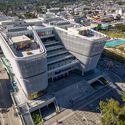
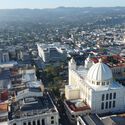
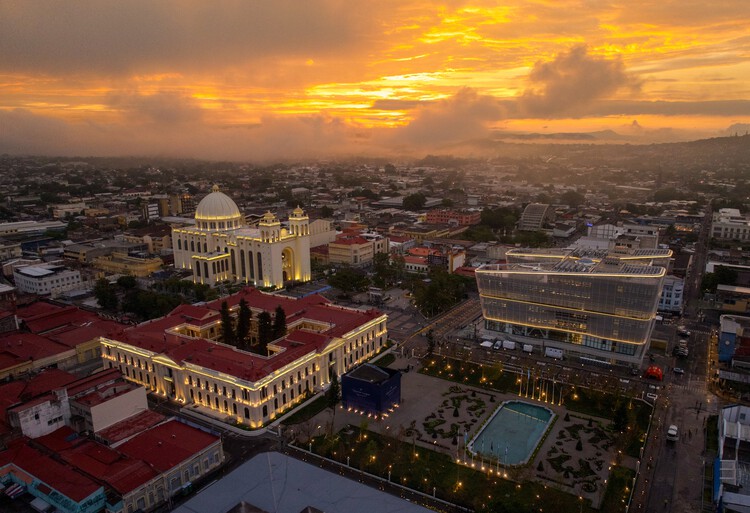
Historic center renewal has become a recurring strategy in Central American cities seeking to reassert the symbolic, economic, and functional relevance of their traditional cores. These processes often combine physical rehabilitation, institutional investment, and stricter control over public space. San Salvador offers a recent and instructive case, which allows for understanding of how interventions in inherited civic spaces balance infrastructure improvement with heritage conservation and social regulation. It also enables the assessment of how these choices resonate within broader debates on urban transformation in the region.

https://www.archdaily.com/1037930/urban-transformation-of-san-salvador-contemporary-placemaking-in-central-americaMoises Carrasco
Doors at Scale: Highlights from the Best Pivot Door Contest 2026
| Sponsored Content

By shifting rotation away from traditional hinges and distributing weight vertically, pivot doors were developed to address a specific architectural challenge: how to move large, heavy door panels with precision, durability, and minimal visual interference. These systems allow doors to grow significantly in scale, weight, and material ambition, often blurring the line between door, wall, and architectural surface. Over time, this technical innovation has expanded the role of doors in architecture, allowing them to operate not only as points of access, but also as spatial thresholds, compositional devices, and expressive elements within the building envelope.
Highlighting this evolution, FritsJurgens established the Best Pivot Door Contest to showcase projects where engineering precision and architectural intent converge. Founded in the Netherlands, the company is internationally recognized for its concealed pivot systems capable of supporting exceptionally large and heavy doors. These systems give architects greater freedom in scale and materiality while maintaining precision, reliability, and architectural clarity.
https://www.archdaily.com/1037694/doors-at-scale-highlights-from-the-best-pivot-door-contest-2026Eduardo Souza
Decomposition as Expression: Disassembled Axonometry as Design Tool
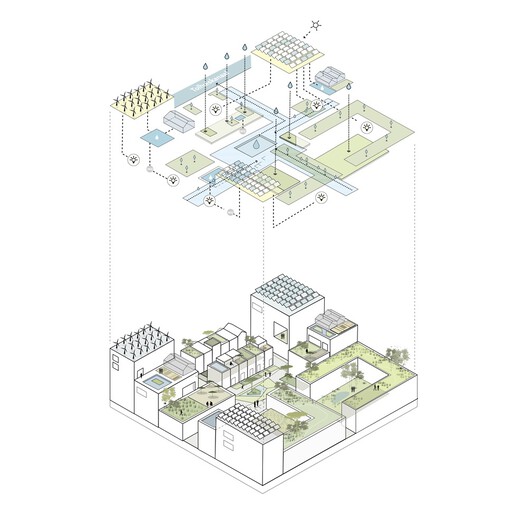
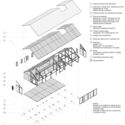
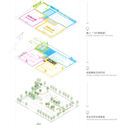
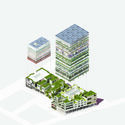
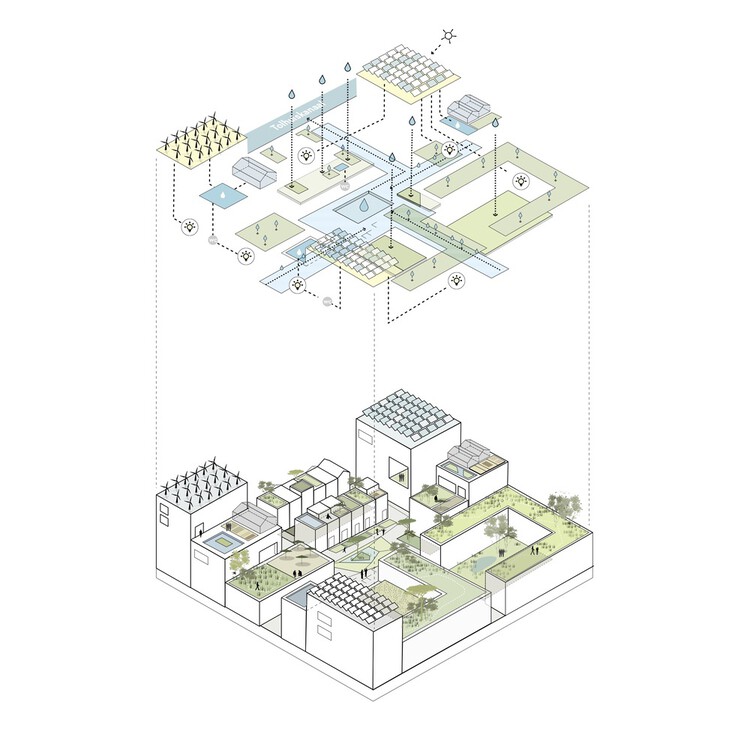
In the translation of three-dimensional reality onto a two-dimensional plane, axonometry stands as one of the graphic systems of representation that form the foundation of the language used by architecture and design professionals. Alongside plans, sections, and elevations, its exploded views often stand out for their ability to study the multiple layers that compose a project. Although axonometry is also employed in other disciplines such as engineering and urban planning, it consistently proves its capacity to function as more than a mere representational tool, strengthening the understanding not only of a project's construction processes, materials, and structural systems but also expanding the communication of the ideas and design processes that shape a project.
https://www.archdaily.com/1037623/decomposition-as-expression-disassembled-axonometry-as-design-toolAgustina Iñiguez
From Diplomacy to Mobility: Six Legislative Responses Cities Are Using to Confront Climate Change
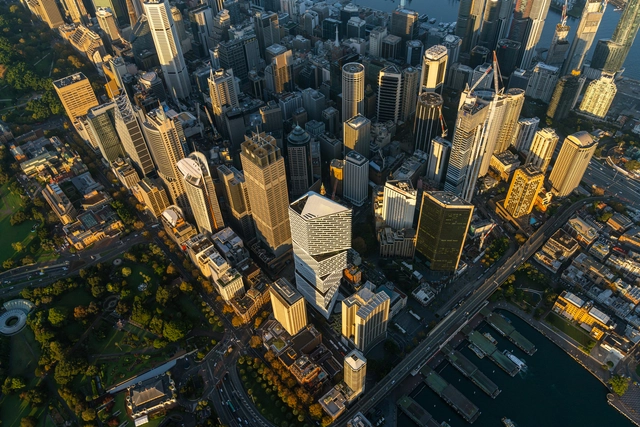
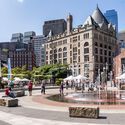
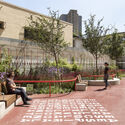
From building codes to mobility restrictions and new diplomatic roles within city governments, climate policy is increasingly being shaped at the local level through a widening range of legislative and institutional tools. Cities as varied as Sydney, Boston, New York, Paris, Miami, and dozens across Latin America are adopting targeted strategies that reflect their distinct environmental pressures and governance structures. These initiatives range from all-electric and net-zero construction requirements, to traffic-control measures designed to curb the social costs of private vehicle use, to emerging forms of urban diplomacy that coordinate responses to rising temperatures and biodiversity loss. Together, these approaches illustrate how territorial management is evolving in response to the accelerating climate crisis, and how local governments are experimenting with regulation and collaboration to confront challenges that are at once global and deeply place-specific.



https://www.archdaily.com/1036162/from-diplomacy-to-mobility-six-legislative-responses-cities-are-using-to-confront-climate-changeAntonia Piñeiro
LANZA atelier Selected to Design the 2026 Serpentine Pavilion

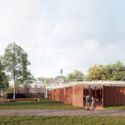
Serpentine has announced LANZA atelier as the designer of the Serpentine Pavilion 2026, marking the 25th edition of the annual commission. Founded by Isabel Abascal and Alessandro Arienzo, the Mexico City–based studio was selected to realise the Pavilion titled a serpentine, which will open to the public at Serpentine South on 6 June 2026. As part of the anniversary programme, Serpentine will collaborate with the Zaha Hadid Foundation, recognising Hadid's role as architect of the inaugural Pavilion in 2000 and reaffirming the Pavilion's legacy as a platform for architectural experimentation.




https://www.archdaily.com/1038001/lanza-atelier-selected-to-design-the-2026-serpentine-pavilionReyyan Dogan
From Industry to the Living Room: Metal Furniture in Interior Architecture

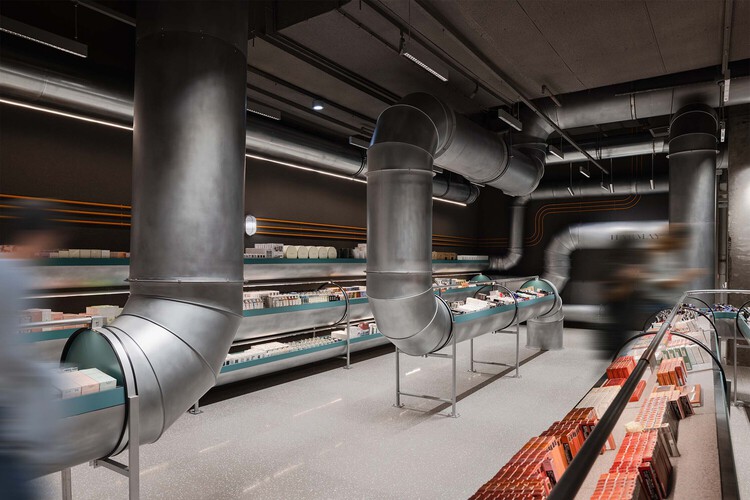
How did a material conceived for bridges, factories, and large-scale structures make its way to the living room bench, the apartment bookshelf, the café table? For centuries, metal was associated with labor, machinery, and monumentality—from the exposed structures of 19th-century World’s Fairs to the productive logic of modern industry. Its presence in domestic interiors is not self-evident but rather a cultural achievement: the transformation of an industrial material into an element of everyday, intimate use, in close proximity to the body.



https://www.archdaily.com/1037695/from-industry-to-the-living-room-metal-furniture-in-interior-architectureCamilla Ghisleni
Nobel Foundation Reveals Design for New Nobel Center in Stockholm by David Chipperfield Architects

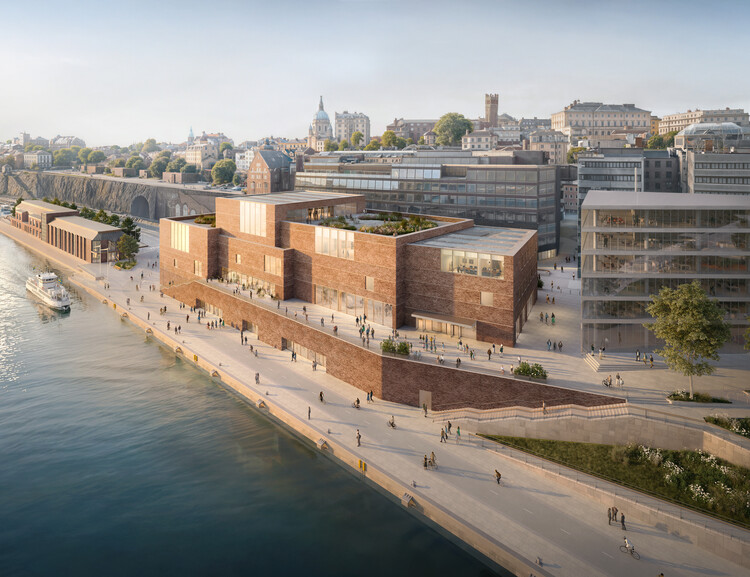
The Nobel Foundation has revealed the first design proposal for the new Nobel Center, a public cultural and educational institution dedicated to science, literature, and peace. Designed by David Chipperfield Architects Berlin, the project will be constructed along Stadsgårdskajen at Slussen in Stockholm, with construction scheduled to begin in 2027 and completion planned for 2031. Conceived as a permanent home for the activities surrounding the Nobel Prize, the building aims to make the work of Nobel Prize laureates accessible to a broad public through exhibitions, public programs, and interdisciplinary exchange, positioning the center as both a civic landmark and an international point of reference.


https://www.archdaily.com/1037944/nobel-foundation-reveals-design-for-new-nobel-center-in-stockholm-by-david-chipperfield-architectsReyyan Dogan
Louisiana Museum of Modern Art Opens Memoryscapes Exhibition Exploring the Design Methodologies of ATTA and DnA

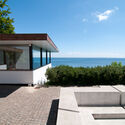
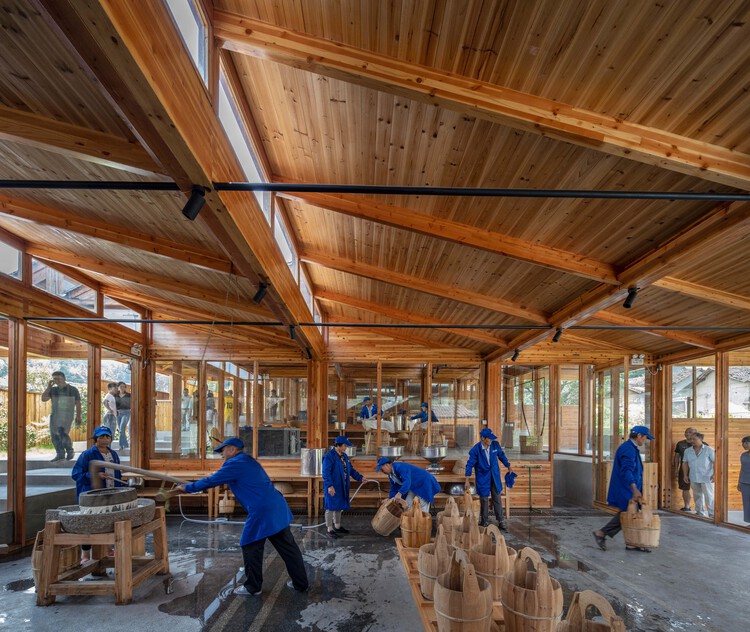
The Louisiana Museum of Modern Art will inaugurate, on January 22, 2026, the second exhibition in its Architecture Connecting series, focusing on the discipline's relationship with science and research across a wide range of fields, including biology, neuroscience, and anthropology. The first exhibition in the series, Living Structures (2024–2025), featured ecoLogicStudio, Atelier LUMA, and Jenny Sabin Studio, highlighting their work at the intersection of algorithms and nature and their development of methods that re-evaluate sustainable architecture and climate considerations. This second exhibition, titled Memoryscapes, explores the memories, stories, and traditions informing the working methodologies of Xu Tiantian's DnA_Design and Architecture (Beijing) and ATTA – Atelier Tsuyoshi Tane Architects (Paris).


https://www.archdaily.com/1037474/louisiana-museum-of-modern-art-opens-memoryscapes-exhibition-exploring-the-design-methodologies-of-atta-and-dnaAntonia Piñeiro
Leisure Architecture: 13 Projects Shaping Togetherness Across Generations

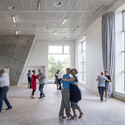
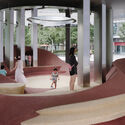
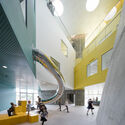
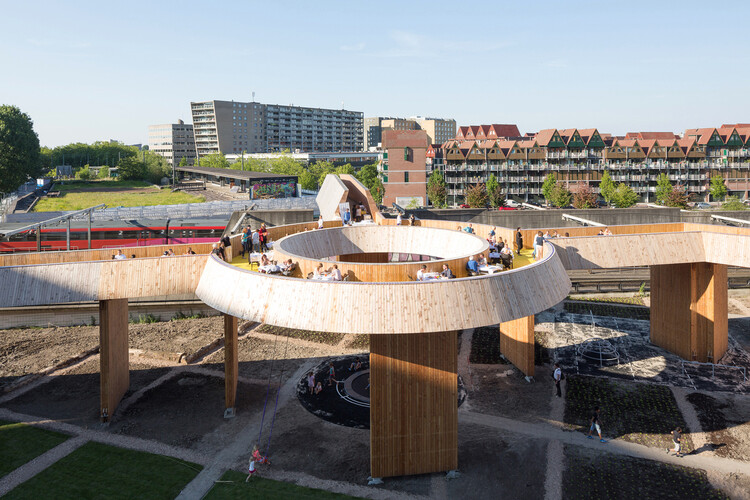
Leisure spaces are often where different generations cross paths. Without formal programs or assigned roles, they allow people to move, pause, and remain together, each engaging space in their own way. In a built environment increasingly shaped by specialization and separation, these shared spatial grounds have become less common, giving leisure-oriented architecture a renewed relevance.
Discussions around public space have repeatedly pointed to the value of openness and flexibility in supporting collective life. As architect Herman Hertzberger has noted, "the more a space can be interpreted in different ways, the more people it can accommodate." Rather than attempting to create interaction, architecture shapes the conditions that make togetherness possible.

https://www.archdaily.com/1037475/leisure-architecture-13-projects-shaping-togetherness-across-generationsDaniela Andino
Urban Banquet at the Curb: Hong Kong’s Third-Space Dining

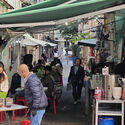
Across cities worldwide, architecture unfolds continuously at the scale of people and community—not only through new buildings, renovations, or monumental works. "Third spaces" are especially revealing. Consider the street-side culinary realm: how seating, serving, and lingering occupy the edge of the street often discloses a city's cultural codes and spatial habits. What forms of dining and inhabitation have emerged in response to local climate, regulation, and social custom—and how have they evolved over time?
In parts of Europe, for instance, al fresco in Italy and en terrasse in France name culturally specific ways of dining in public, drawing the meal into the urban field—attuned to weather, air, and the passive sociability of people-watching. Since COVID-19, New York City has similarly expanded outdoor dining, reflecting a community-driven desire to engage the streetscape while eating—an everyday, street-level "third place" within a dense metropolis.




https://www.archdaily.com/1037794/urban-banquet-at-the-curb-hong-kongs-third-space-diningJonathan Yeung
Unearthing the Ground: Architecture and the Politics of the Subterranean

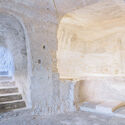
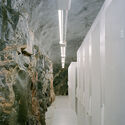
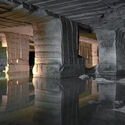
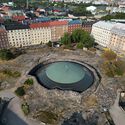
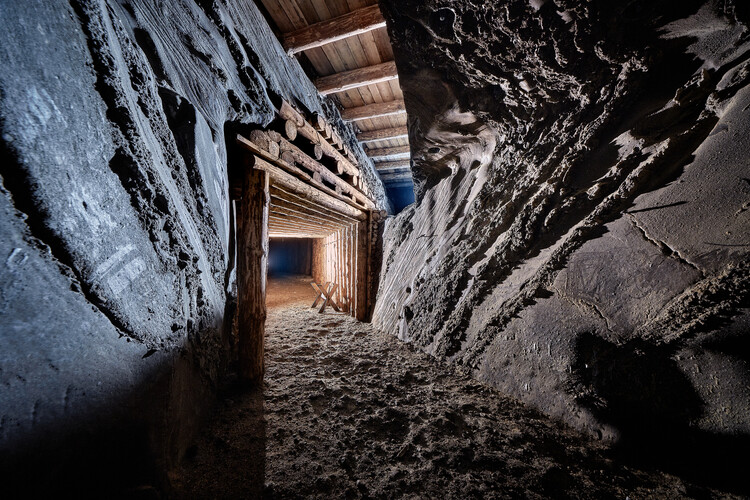
Beneath the visible surface of cities lies an invisible architecture. Subways, tunnels, water systems, data cables, and bunkers form a dense network that sustains urban life while remaining largely unseen. The ground beneath our feet is not a void but a complex territory that holds the infrastructures, memories, and anxieties of our age. In recent years, as land becomes scarce and climate pressures intensify, architects and urbanists have turned their gaze downward, rediscovering the subterranean as both a physical and conceptual frontier. To design underground is to engage with the unseen mechanisms that shape the world above.
The subterranean has long been a site where architecture intersects with politics, technology, and belief. From the catacombs of Rome to the industrial subways of modernity, descent has symbolized both protection and exposure. Twentieth-century urbanism transformed this gesture into a system: metros, shelters, and utilities redefined the city section as an instrument of governance. Beneath the promise of efficiency and progress, the underground absorbed the anxieties of an era of war, surveillance, and collapse. Its evolution reveals not only how societies build, but also how they fear.
Today, the ground has become the new frontier of urban expansion and ecological adaptation. As digital infrastructures, energy systems, and climatic buffers migrate below grade, architecture confronts a space both technical and metaphysical — essential yet marginal, invisible yet decisive. To think in sections rather than in plan is to recognise that contemporary cities no longer exist solely in their skylines but also in their depths. The challenge for architecture is not only to occupy that space, but to render it legible, to turn the unseen into knowledge, and the hidden into a new terrain of design.
https://www.archdaily.com/1037282/unearthing-the-ground-the-politics-of-the-subterraneanDiogo Borges Ferreira
Architecture as a Living Medium: Get to Know the Works of IGArchitects
| Sponsored Content

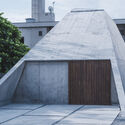
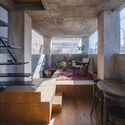
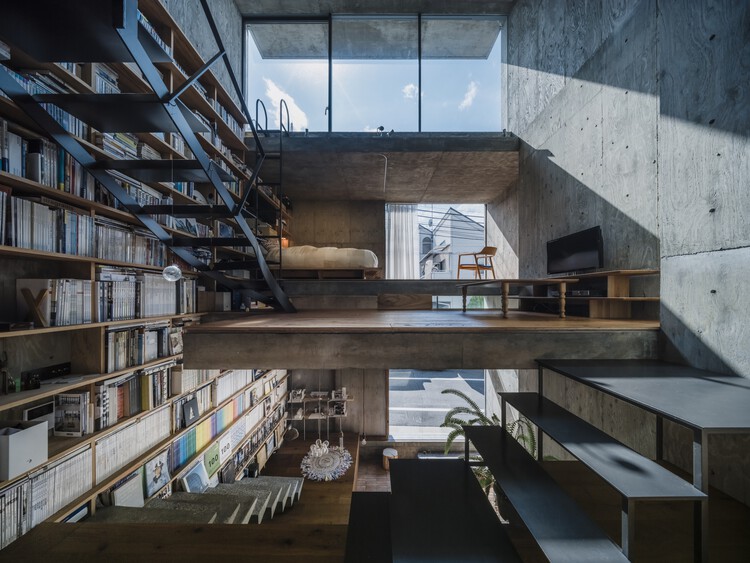
Founded in 2020 by Masato Igarashi, IGArchitects is an architectural practice based in Tokyo and Saitama, Japan. The studio, one of the winners of the ArchDaily 2025 Next Practices Awards, explores enduring architecture through a careful yet assertive treatment of structure, scale, and materiality. Prior to establishing his own practice, Igarashi worked at the large-scale firm Shimizu Sekkei as well as the Suppose Design Office, gaining experience across projects ranging from major developments to smaller, concept-driven works. This breadth of experience continues to inform IGArchitects' current focus on residential and commercial architecture across Japan.


https://www.archdaily.com/1037835/architecture-as-a-living-medium-get-to-know-the-works-of-igarchitectsMiwa Negoro
UIA 2030 Award Announces Regional Finalists of Its Third Cycle Across Five Global Regions

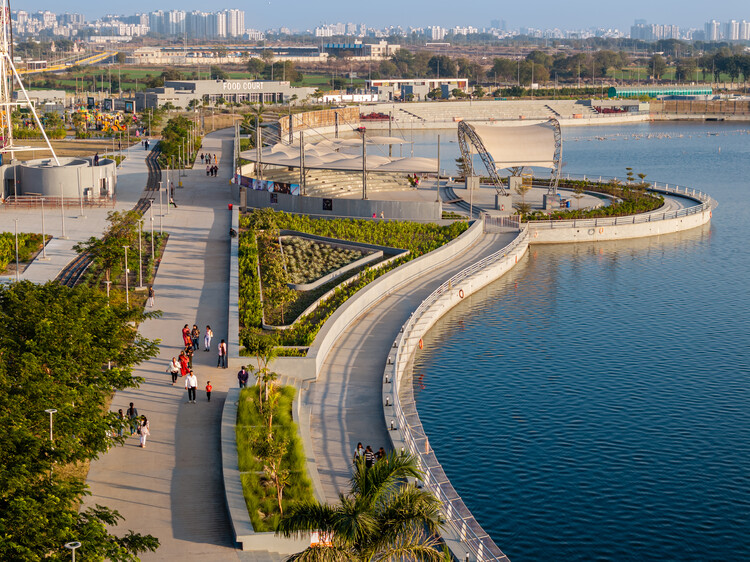
The International Union of Architects (UIA), in partnership with UN-Habitat, has released the Stage 1 results of the third cycle of the UIA 2030 Award, identifying the projects selected as Regional Finalists. The shortlisted entries were drawn from submissions across the UIA's five global regions and will advance to the second stage of evaluation. Established in alignment with the UN 2030 Agenda for Sustainable Development, the award framework positions the built environment within broader discussions on sustainable urban development and global policy objectives.

https://www.archdaily.com/1037877/uia-2030-award-announces-regional-finalists-of-its-third-cycle-across-five-global-regionsReyyan Dogan
The New Museum Expansion by OMA to Open on March 21 with Exhibition on Humanity
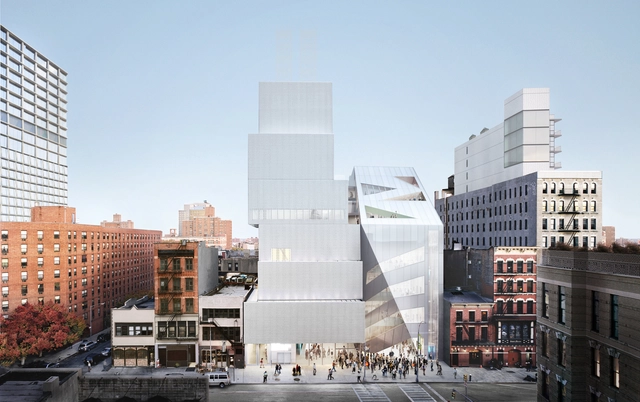
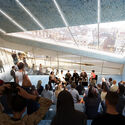
The New Museum is the only museum in New York City dedicated exclusively to contemporary art. From its beginnings as a one-room office on Hudson Street to the inauguration of its first freestanding building on the Bowery, designed by SANAA in 2007, it has evolved into a center for exhibitions, research, and documentation on international living artists. In 2017, Shohei Shigematsu and Rem Koolhaas of OMA were selected to design the New Museum's expansion. The first design images were released in 2019. On January 13, the Museum announced that its 60,000-square-foot expansion, designed in collaboration with Cooper Robertson, will open on March 21, 2026, with an exhibition exploring the very definition of humanity.


https://www.archdaily.com/1027488/the-new-museum-expansion-by-oma-to-open-in-fall-2025-with-exhibition-on-humanityAntonia Piñeiro