

This guide explains how to structure multi-image prompts in the RunDifussion platform. Explore RunDifussion's product catalog.
News
How to Prompt and Annotate Multiple Images with AI
| Sponsored Content
https://www.archdaily.comhttps://www.archdaily.com/catalog/us/products/38860/how-to-prompt-and-annotate-multiple-images-with-ai-rundiffusion
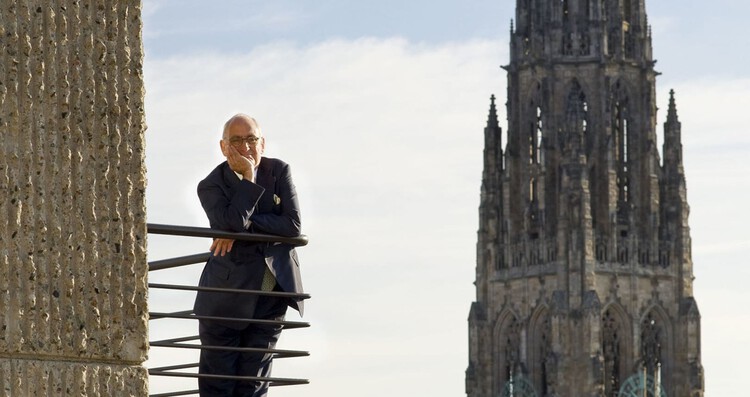
Robert A.M. Stern, Influential American Architect and Educator, Passes Away at 86
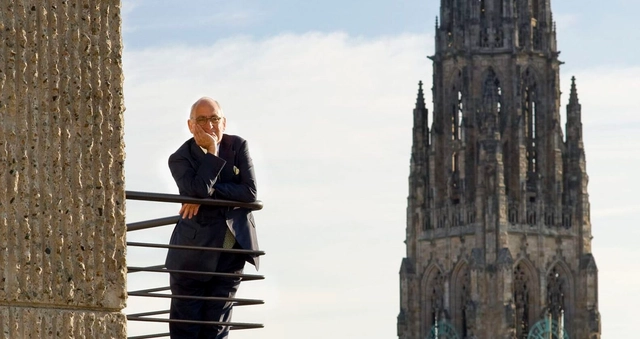
Robert A.M. Stern, the American architect, educator, and historian whose work shaped both the physical and intellectual landscape of contemporary architecture, has died at the age of 86. His passing was confirmed by Robert A.M. Stern Architects (RAMSA), the New York-based practice he led for more than five decades. Known for advancing a contextual, historically informed approach during decades dominated by modernist and high-tech architecture, Stern remained a prominent voice advocating for continuity, urban civility, and an understanding of architecture as part of a longer cultural lineage.

https://www.archdaily.com/1036497/robert-am-stern-influential-american-architect-and-educator-passes-away-at-86Reyyan Dogan
Frank Lloyd Wright’s Fountainhead Residence Purchased by the Mississippi Museum of Art and Prepared for Public Tours

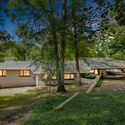
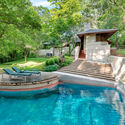
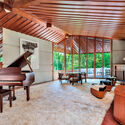
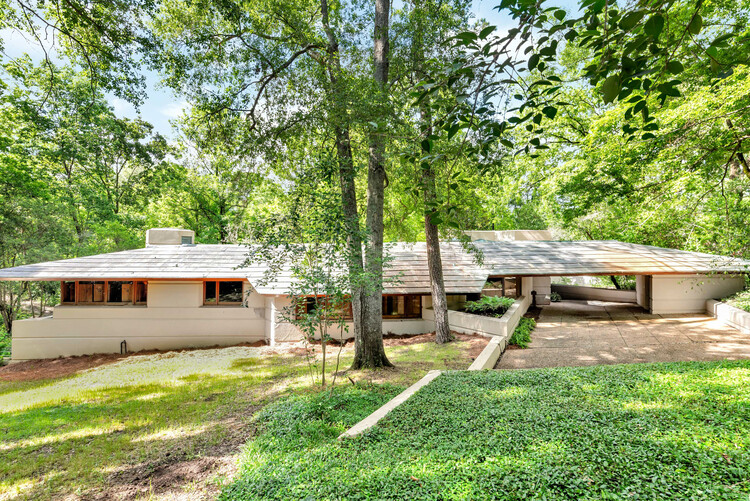
On November 20, 2025, the Mississippi Museum of Art (MMA) confirmed the purchase of Fountainhead, a house designed by Frank Lloyd Wright in 1948 and completed in 1954. The renowned modernist architect designed the residence and its furnishings for oil businessman J. Willis Hughes, who lived there with his family until 1980. Established in 1911, the MMA is the largest art museum in the state of Mississippi, offering exhibitions, public programs, artistic and community partnerships, educational initiatives, and opportunities for exchange year-round through a permanent collection of paintings, photography, multimedia works, and sculpture. The purchase is part of the Museum's goal to embed itself in neighborhoods across the city in ways that support its community-building priorities, making the architectural landmark available to the public for tours with reservations. The initiative is inspired by institutions such as the Crystal Bridges Museum of American Art, which acquired the Wright-designed Bachman-Wilson House in 2015.

https://www.archdaily.com/1036480/frank-lloyd-wrights-fountainhead-residence-purchased-by-the-mississippi-museum-of-art-and-prepared-for-public-toursAntonia Piñeiro
Circular by Tradition: India’s Vernacular Building Practices for a Warming World

Across India's varied geographies, from coastal backwaters to desert fortress cities, architecture evolved with a deep, instinctive connection to climate. These were not isolated craft traditions but complete ecological systems in which material cycles, thermal comfort, and community knowledge were interdependent. As COP30 turns global attention toward the links between heritage and climate resilience, India's vernacular practices appear less as historical artifacts and more as climate technologies refined over centuries.
India's timber, lime, mud, and bamboo building traditions all share a common thread: they relied on local materials, passive cooling, and construction systems designed to be repaired, renewed, and reused. In an era dominated by cement, steel, and demolition-driven redevelopment, these earlier material cultures demonstrate a quiet circularity that feels radical again.


https://www.archdaily.com/1036311/circular-by-tradition-indias-vernacular-building-practices-for-a-warming-worldAnanya Nayak
Behind the Mirror: Smart Space-Saving Solutions for Modern Restrooms
| Sponsored Content

In public restroom design, innovation goes far beyond aesthetics—it transforms the entire user experience. One of the most exciting trends today is integrating all functional elements—hand dryers, faucets, soap dispensers, and paper dispensers—behind the mirror.
This approach creates a cleaner, minimalist look while optimizing space and enhancing hygiene. All devices remain fully functional but hidden: users simply place their hands where indicated on the mirror, and the equipment activates automatically—no physical contact required.
https://www.archdaily.com/1036070/behind-the-mirror-smart-space-saving-solutions-for-modern-restroomsRene Submissions
The Story of Miyashita Park: Resistance, Partnership, and Publicness

Urban renewal is inherently fraught—financially complex, politically exposed, stakeholder-dense, and almost guaranteed to leave someone dissatisfied. Precisely for these reasons, many cities default to inertia rather than risk the upheaval that comes with reworking entrenched urban fabrics, their residences, and their dynamics; once the "sleeping bear" is prodded, unexpected complications tend to multiply.
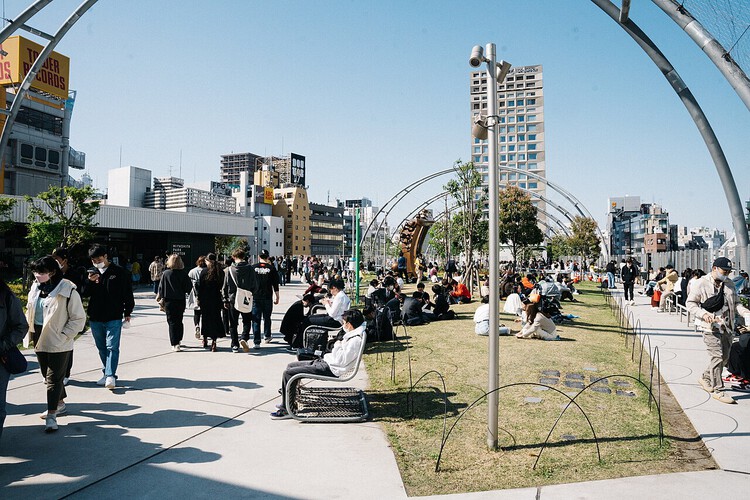
Miyashita Park (Miyashita Kōen), located in Shibuya, Tokyo, crystallizes this dilemma. Its current form—a layered, mixed-use complex balancing commercial activity with a publicly accessible park—emerged from years of negotiation, critique, and recalibration. The result is a distinctive example of a public-private partnership that seeks to align urban amenity, everyday leisure, and economic viability, producing a new piece of city that hosts public life while underwriting its own upkeep.


https://www.archdaily.com/1036305/the-story-of-miyashita-park-resistance-partnership-and-publicnessJonathan Yeung
MVRDV Clads ADDP Architects' Modular Residential Towers with a Pixelated Facade in Singapore
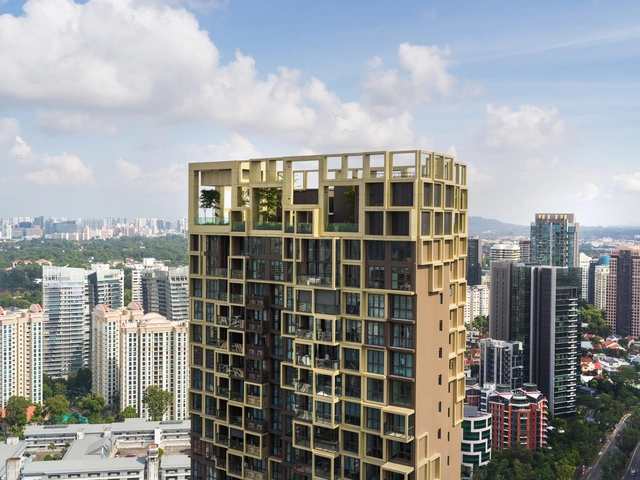
Two 36-storey residential towers have been completed on Irwell Bank Road in Singapore, featuring a pixelated facade designed by MVRDV. The scheme builds on the modular system developed by ADDP Architects, who designed the buildings using Prefabricated Prefinished Volumetric Construction (PPVC). MVRDV's facade introduces variation across the elevations and marks the locations of the communal green spaces on the 24th floor and the rooftop. Irwell Hill Residences, developed by City Developments Limited (CDL), is MVRDV's debut collaboration on a building in Singapore's urban core.


https://www.archdaily.com/1036440/mvrdv-clads-addp-architects-modular-residential-towers-with-a-pixelated-facade-in-singaporeReyyan Dogan
Global Urban Transformation and Climate-Responsive Design from Venice to Rio: This Week’s Review

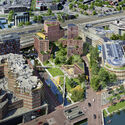
Amid ongoing global discussions on climate adaptation and resilient urban development brought into sharper focus by the outcomes of COP30, this week's architecture news illustrates how cities worldwide are rethinking their built environments. From Venice, where the 19th Architecture Biennale concluded with debates on material use and long-term cultural impact, to international awards foregrounding regenerative and socially responsive design, the conversation around architecture is increasingly intertwined with planetary priorities. Major urban interventions, from Thessaloniki's seafront redevelopment and Rio de Janeiro's new public library, to Abu Dhabi's Natural History Museum and a civic stadium in Birmingham, demonstrate how multiple cities are addressing mobility, heritage, density, and climate resilience. Additional plans, such as Mantua's ecological urban strategy, Utrecht's elevated landscape above transport networks, and Amsterdam Airport Schiphol's redesigned landside mobility system, further reflect a transition toward integrated, people-centred urban frameworks that prioritize environmental performance, public space, and long-term territorial stewardship.
https://www.archdaily.com/1036428/global-urban-transformation-and-climate-responsive-design-from-venice-to-rio-this-weeks-reviewAntonia Piñeiro
The ArchDaily Student Project Awards Are Now Open for Submissions

The first edition of the ArchDaily Student Project Awards is officially open for submissions!
https://www.archdaily.com/1036409/the-archdaily-student-project-awards-are-now-open-for-submissionsRene Submissions
Moroccan Modern: The Architecture of Jean-François Zevaco

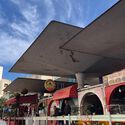
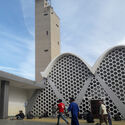
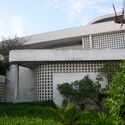
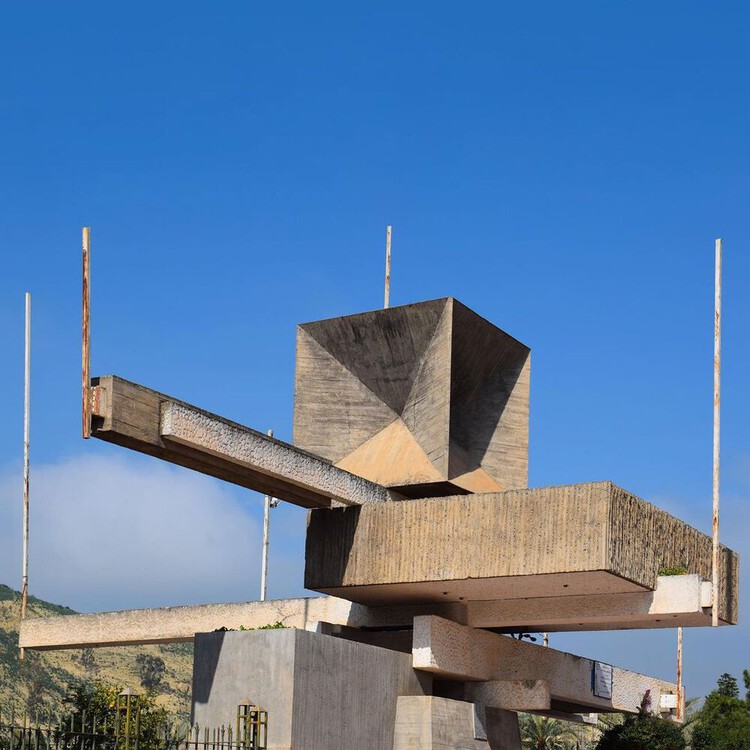
Modernism has a long history in Morocco. Being close to Europe and under French Protectorate rule, it kept pace with architectural developments in the movement. Its relative peace after the Second World War further strengthened its role as some European architects sought a hub for new ideas. Architects in independent Morocco adopted Modernism as they were tasked to build the infrastructure of a new nation. The architect Jean-François Zevaco, born in Morocco to French parents, practiced across these formative periods, developing his own expressive version of modern architecture.

https://www.archdaily.com/1036341/moroccan-modern-the-architecture-of-jean-francois-zevacoMohieldin Gamal
Wang Shu and Lu Wenyu Named Curators of the Venice Architecture Biennale 2027

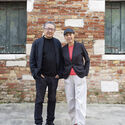
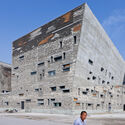
La Biennale di Venezia has announced that architects Wang Shu and Lu Wenyu will curate the 20th International Architecture Exhibition, opening in May 2027. Founders of Amateur Architecture Studio and leading voices in contemporary practice, the duo is known for an approach rooted in craftsmanship, material reuse, and deep engagement with place. Their appointment brings renewed attention to vernacular knowledge, construction cultures, and the social realities shaping architecture today.


https://www.archdaily.com/1036425/wang-shu-and-lu-wenyu-named-curators-of-the-venice-architecture-biennale-2027Romullo Baratto
How Does Marble Transform Interior Spaces in Vicenza’s Historic Architecture?
| Sponsored Content

In a former 16th-century church in Vicenza, two stories come together: that of Italian Renaissance sacred architecture and that of marble, the ancient material by excellence, reinterpreted here in a contemporary key. In this dialogue between eras, Lithos Design presents Quinte, a double-sided partition wall that transforms marble into a design tool: not just a surface, but a rhythmic and modular element that defines and enhances spaces. An idea designed for interior architects looking for solutions that are both functional and decorative, capable of shaping interiors with precision, elegance, and personality.
https://www.archdaily.com/1033533/marble-that-defines-spaces-lithos-design-between-historical-memory-and-contemporary-interiorsRene Submissions
Miami Architecture City Guide: 22 Projects Shaping Tropical Density on the Atlantic Coast
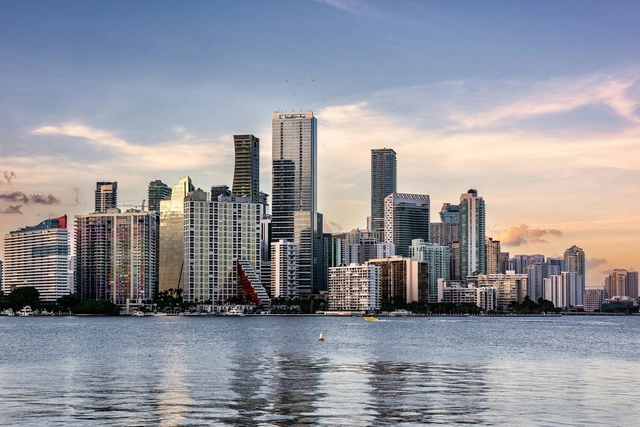
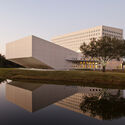
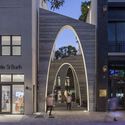
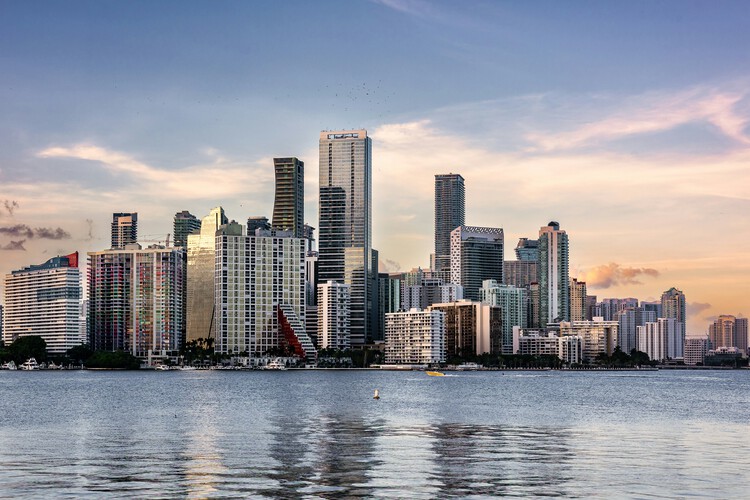
Stretching along the Atlantic coast at the southern tip of Florida, Miami is often introduced through postcard views of beaches, palm trees, and glass towers facing the water. Yet, behind this familiar image lies a city shaped by migration, tourism, and real estate cycles, where architecture has repeatedly been used to project new identities and reinvent the urban landscape. From early resort hotels and the Art Deco façades of South Beach to experimental high-rises and cultural institutions on the bay, the built environment offers a way to read how Miami negotiates climate, economy, and everyday life.
Over the past century, the city has grown through successive layers of development that remain visible in its streets and skylines. The streamlined geometry and pastel colors of the historic Art Deco District coexist with the exuberant forms of Miami Modern (MiMo) motels and postwar infrastructure along Biscayne Boulevard. Downtown and Brickell have transformed from low-rise business districts into dense clusters of residential and office towers, many designed by international firms working alongside local practices. At the same time, neighborhoods such as Little Havana, Allapattah, and Wynwood reveal how diasporic communities, industrial heritage, and creative industries occupy and adapt existing fabrics, often in contrast with the image-driven waterfront.
https://www.archdaily.com/1036117/miami-architecture-city-guide-22-projects-shaping-tropical-density-on-the-atlantic-coastDiogo Borges Ferreira
Foster + Partners Unveils Redevelopment Master Plan for Historic Site in Thessaloniki, Greece

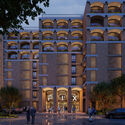
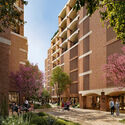
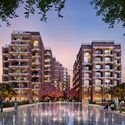
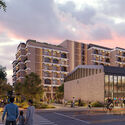
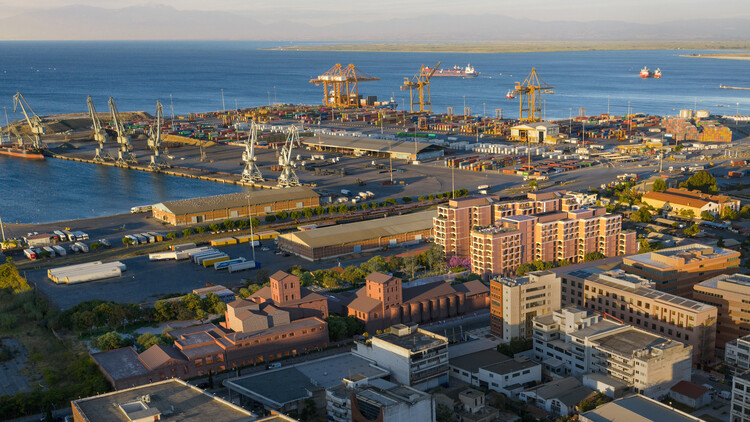
Foster + Partners has developed a master plan for the redevelopment of the former FIX brewery in Thessaloniki, Greece. The proposal, commissioned by Dimand, outlines a mixed-use district that integrates public space, housing, hospitality, and cultural programs. Positioned along the western seafront and within walking distance of the city center, the site serves as a key point of connection between emerging neighborhoods and the waterfront. The project builds on the industrial history of the brewery complex while introducing new spatial configurations intended to support broader urban regeneration efforts across Thessaloniki.
https://www.archdaily.com/1036390/foster-plus-partners-unveils-redevelopment-master-plan-for-historic-site-in-thessalonikiReyyan Dogan
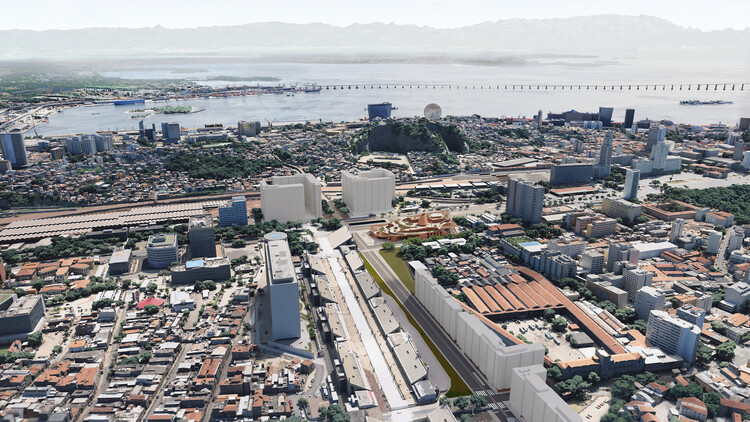
Kéré Architecture Reveals Public Library Design in Rio de Janeiro Celebrating Afro-Brazilian Heritage

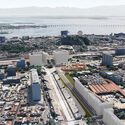
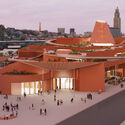
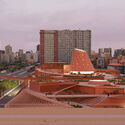
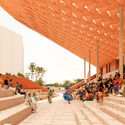
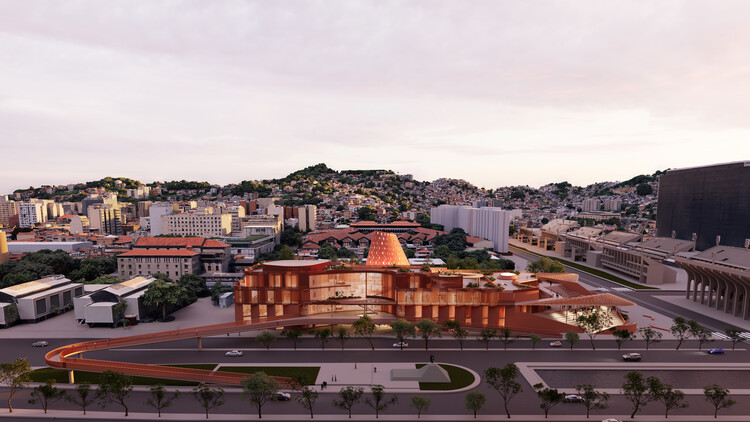
Kéré Architecture has unveiled its proposal for the 40,000-square-meter Biblioteca dos Saberes (House of Wisdom) in Rio de Janeiro's Cidade Nova neighborhood. Designed by Francis Kéré, Mariona Maeso Deitg, and Juan Carlos Zapata, the cultural complex is commissioned by the Rio de Janeiro City Hall and planned for a site near Valongo Wharf and the Little Africa area. The design was presented to members of the community on November 20, the National Day of Zumbi and Black Consciousness in Brazil. Important features include a perforated façade for sun protection, roof gardens, landscaped terraces, shaded courtyards, open-air areas, a canopied amphitheater, and a pedestrian bridge connecting the building to the nearby monument to Zumbi dos Palmares.
https://www.archdaily.com/1036385/kere-architecture-reveals-public-library-design-in-rio-de-janeiro-celebrating-afro-brazilian-heritageAntonia Piñeiro
Gonio Yachts & Marina Masterplan by Spectrum Architecture to Transform Georgia’s Black Sea Coast
| Sponsored Content

Spectrum Architecture, in collaboration with SOG and F&M, introduces the masterplan for Gonio Yachts and Marina—a significant waterfront development on the Black Sea coast designed to provide high-end residential and hospitality infrastructure for over 30,000 people.
The project is part of EMAAR's substantial investment in Georgian real estate under the Eagle Hills brand, which plans to develop two megaprojects in Tbilisi and Batumi. The total investment exceeds $6.5 billion and aims to attract $10 billion in foreign direct investment, generate 30,000 jobs across multiple sectors, and host 350,000 visitors annually.
https://www.archdaily.com/1036202/gonio-yachts-and-marina-masterplan-by-spectrum-architecture-to-transform-georgias-black-sea-coastRene Submissions
Rethinking Public Space Through a Skateboarder’s Eyes
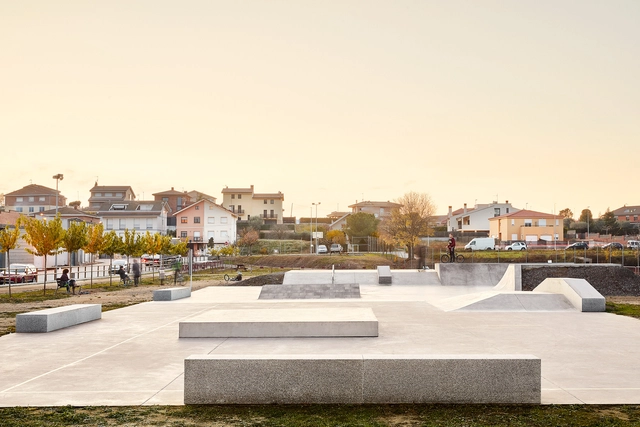
Created by California surfers who wanted to bring the lines of surfing onto asphalt, skateboarding soon outgrew its role as a simple alternative for flat days. It established itself as a practice that reads the city through a different logic, reinterpreting steps, handrails, walls, and interstitial spaces as possible lines, challenges, and opportunities. Over time, it evolved into a global urban culture, a way of inhabiting and transforming public space through movement. What was once marginal has become a catalyst for urban activation, community building, and new uses for overlooked spaces. At its core, skateboarding reveals how many cities coexist within the same city, depending on who moves through them and how each person is able to reinterpret their surroundings.
https://www.archdaily.com/1036121/rethinking-public-space-through-a-skateboarders-eyesEduardo Souza
Light, Material, Reaction: How Active Surfaces® Transform Cybernet Systems’ Tokyo Headquarters
| Sponsored Content
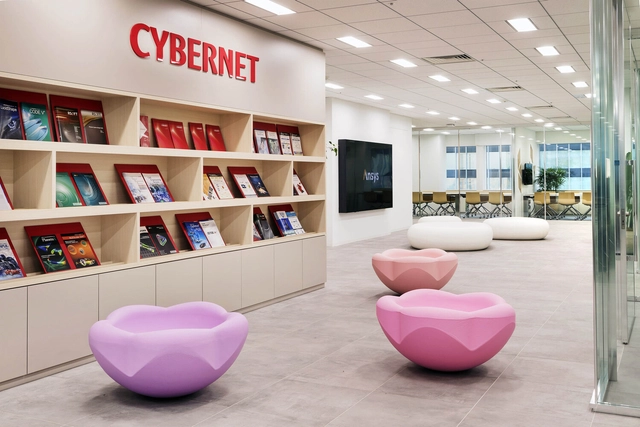
The new headquarters for Cybernet Systems was designed around the Japanese architectural concept of flexibility, promoting well-being, collaboration, and productivity. As a global leader in Computer-Aided Engineering, supporting industrial production through advanced digital solutions, the headquarters, located in the Fuji Soft Akihabara Building in Tokyo, embodies the company's commitment to creating a dynamic, technology-driven community.
Developed by MB-AA (Matteo Belfiore Architect & Associates) and Shukoh, in collaboration with Cybernet Systems, the project translates corporate values into spatial design. Minimalism, natural light, and openness define the environment. Transparent partitions and adaptable layouts foster communication while allowing each employee to personalize their workspace. Well-being, creativity, flexibility, and technology form the core of the project.
https://www.archdaily.com/1035865/light-material-reaction-how-active-surfaces-r-transform-cybernet-systems-tokyo-headquartersRene Submissions
The European Cultural Centre Announces the Winners of the ECC Awards 2025 in Venice
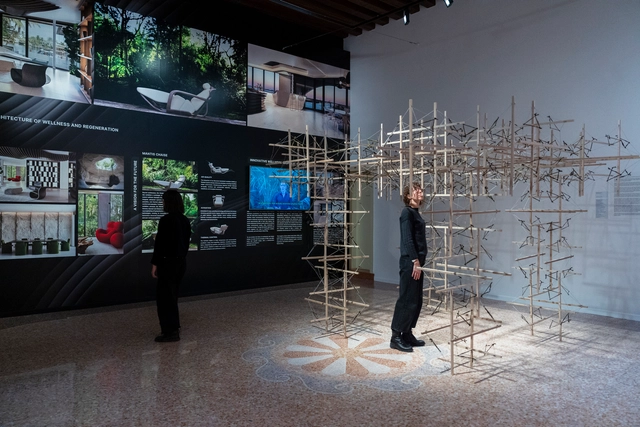
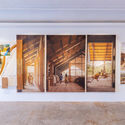
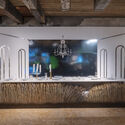
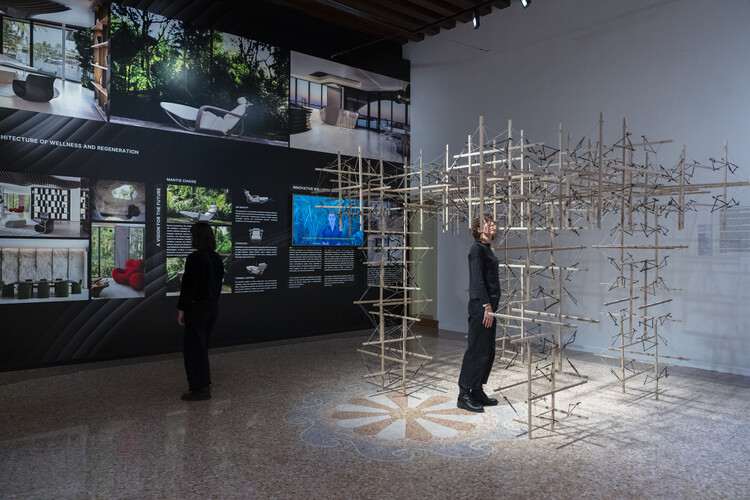
The European Cultural Centre (ECC) has announced the winners of the ECC Awards 2025, selected from participants of the seventh edition of Time Space Existence and unveiled during the exhibition's Closing Day on 23 November 2025 in Venice. Bringing together 207 practices from more than 52 countries, this year's edition highlighted a broad spectrum of architectural and design approaches responding to the themes of Repair, Regenerate, and Reuse. The awards recognise four projects that stood out for their originality, execution, narrative clarity, and forward-looking engagement with questions of sustainability, community, and the future of the built environment.

https://www.archdaily.com/1036344/the-european-cultural-centre-announces-the-winners-of-the-ecc-awards-2025-in-veniceReyyan Dogan
COP30 Outcomes for the Built Environment: From Sustainable Cooling to Climate Adaptation Commitments
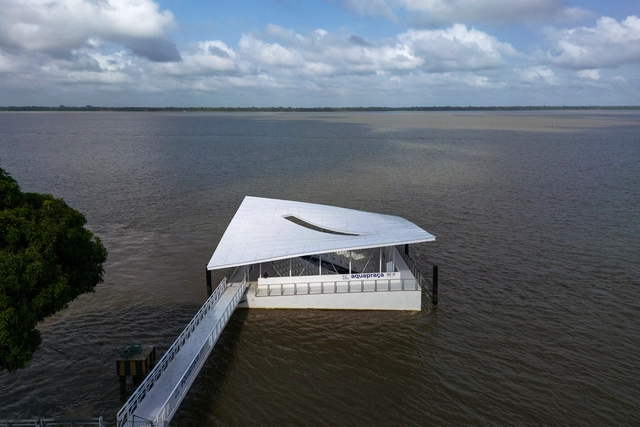
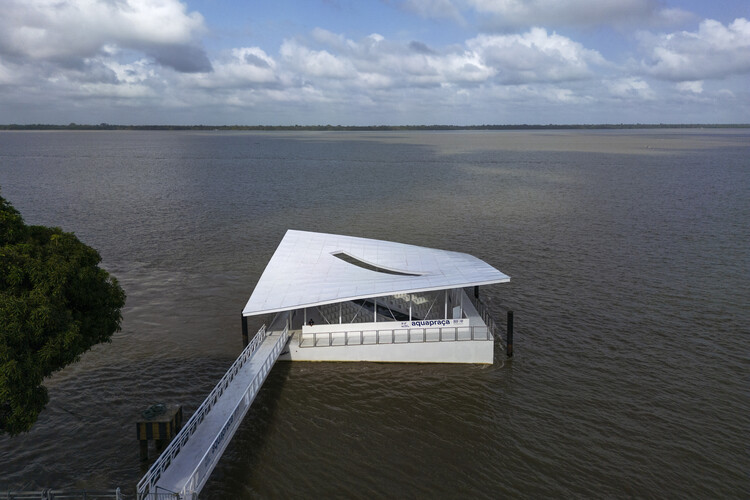
On November 21, 2025, the closing day of the 30th edition of the Conference of the Parties (COP) took place, the yearly gathering of United Nations member states to negotiate international climate agreements and assess global progress toward emissions reduction. This year, the event was held in Belém, Brazil, a port city of fewer than 1.5 million people, widely known as a gateway to Brazil's lower Amazon region. First convened in 1992, UN Climate Change Conferences (or COPs) are an international multilateral decision-making forum on climate change involving 198 "Parties" (197 countries, nearly all of them, depending on definitions of country, and the European Union). Their purpose is to assess global efforts toward the central Paris Agreement aim of limiting global warming to as close as possible to 1.5 °C above pre-industrial levels. The event brings together leaders and negotiators from member states, business figures, young people, climate scientists, Indigenous Peoples, and civil society around issues considered essential to that climate goal. This year, COP30 was marked by strong criticism of its ties to the fossil fuel industry, descriptions of agreements as fragile and insubstantial, and the struggle to move climate finance "from pledge to lifeline."



https://www.archdaily.com/1036340/cop30-outcomes-for-the-built-environment-from-sustainable-cooling-to-climate-adaptation-commitmentsAntonia Piñeiro
Imagining a World Without Limits: Orama Minimal Frames at BAU Munich 2025
| Sponsored Content

The prestigious BAU Munich, the world's leading trade fair for architecture, materials, and systems, served as the stage for Orama Minimal Frames' latest innovations in architectural frame technology. The exhibition offered a platform for industry connections and showcased advancements that challenge conventional boundaries in frame design.
https://www.archdaily.com/1035507/imagining-a-world-without-limits-orama-minimal-frames-at-bau-munich-2025Rene Submissions
The Venice Biennale Over Time: Classic Projects and Stories from Architecture’s Most Iconic Exhibition

Since 1895, the Venice Biennale has invited the world to witness the evolving landscape of contemporary art. In 1980, the event expanded its reach with the launch of the Architecture Biennale, which quickly became one of the discipline’s most influential global platforms. Today, alternating annually between contemporary art and architecture, the Biennale affirms itself as a space where disciplines and ideas intersect. Always timely and provocative, it fuels essential debates on the role of art and architecture in the contemporary world. Among its most recent editions are the 17th Architecture Biennale, themed How Will We Live Together? (2021), curated by Hashim Sarkis; The Laboratory of the Future (2023), by Lesley Lokko; and Intelligens. Natural. Artificial. Collective (2025), curated by Carlo Ratti and open to the public until the end of November.





https://www.archdaily.com/1036057/the-venice-biennale-over-time-classic-projects-and-stories-from-architectures-most-iconic-exhibitionCamilla Ghisleni
Where Every Centimeter Counts: How Tiny Bathrooms Inform Spatial Design
| In Collaboration

Are living spaces getting smaller? As cities densify and the global population continues its steady migration toward urban centers—projected to reach around 70% by 2050—domestic space is becoming increasingly compressed. Rising land prices, high construction costs, and a surge in single-person households push developers toward smaller units and tighter floor plans. At the same time, cultural shifts toward resource efficiency and minimal living support this move. Shrinking living spaces require fewer materials, consume less energy, and encourage people to live closer to their means.
https://www.archdaily.com/1036090/where-every-centimeter-counts-how-tiny-bathrooms-inform-spatial-designKiana Buchberger
The 2025 Venice Architecture Biennale Ends, Marking the Event’s Most Visited Edition

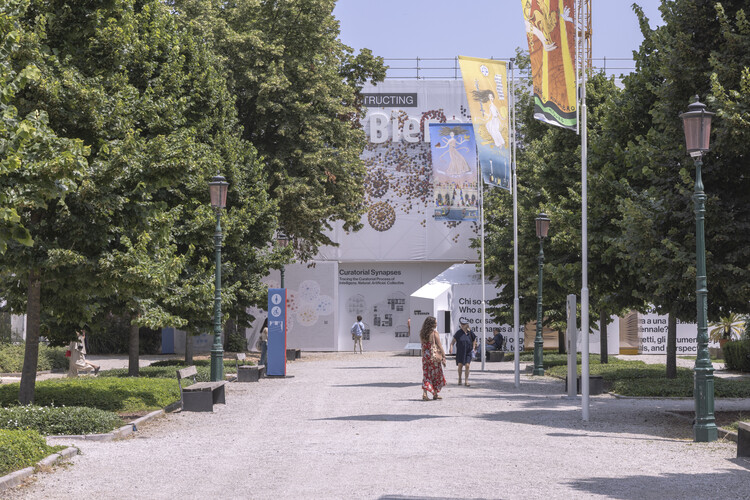
The 19th International Architecture Exhibition of La Biennale di Venezia, "Intelligens. Natural. Artificial. Collective.," curated by Carlo Ratti, closed on 23 November 2025 as the most visited Architecture Biennale to date. The exhibition recorded 298,000 visitors, in addition to 17,584 preview attendees, surpassing previous editions despite the temporary closure of the Central Pavilion for restoration. Bringing together 303 projects and 758 invited architects, along with 66 National Participations and 11 Collateral Events, the edition extended across the Giardini, Arsenale, and multiple sites throughout Venice.


https://www.archdaily.com/1036315/the-2025-venice-architecture-biennale-ends-marking-the-events-most-visited-editionReyyan Dogan
Mecanoo’s Natural History Museum Opens in Abu Dhabi’s Saadiyat Cultural District
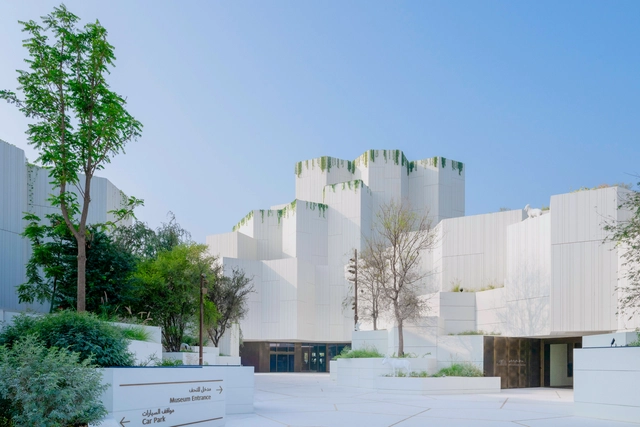
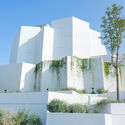
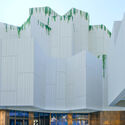
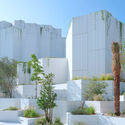
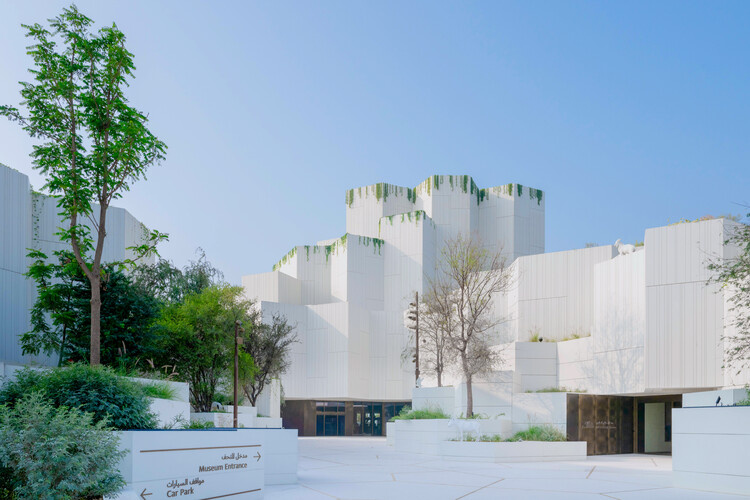
Back in April 2022, Abu Dhabi unveiled the first images of a new Natural History Museum designed by the Dutch practice Mecanoo. Three years later, on November 22, 2025, the museum opened its doors to the public, presenting 13.8 billion years of science and discovery with a special focus on the Arabian region. Covering more than 35,000 sqm, the design is intended to resonate with natural rock formations. Geometry acts as the unifying theme, with pentagonal shapes referencing cellular structures. Water and vegetation, symbols of life in the desert, also play an important role in the design. Located in Abu Dhabi's Saadiyat Cultural District, the building houses rare meteorites, dinosaur fossils, and reconstructions of the region's prehistoric landscapes, combining natural history, storytelling, and immersive environments. Through interactive exhibitions, special events, and community-science programmes, the museum seeks to encourage audiences of all ages to engage with the natural world.
https://www.archdaily.com/1036303/mecanoos-natural-history-museum-opens-in-abu-dhabis-saadiyat-cultural-districtAntonia Piñeiro