

This guide explains how to structure multi-image prompts in the RunDifussion platform. Explore RunDifussion's product catalog.
News
How to Prompt and Annotate Multiple Images with AI
| Sponsored Content
https://www.archdaily.comhttps://www.archdaily.com/catalog/us/products/38860/how-to-prompt-and-annotate-multiple-images-with-ai-rundiffusion
NOA's Ultra-Modern Vision of Outdoor Living
| Sponsored Content


At a prime location in the middle of Belgium, an original concept has taken form, as NOA Outdoor Living invites professionals to experience outdoor design in an entirely different way.
https://www.archdaily.com/981865/noas-ultra-modern-vision-of-outdoor-livingRene Submissions
Parliaments of the World: Designing the Architecture of Government
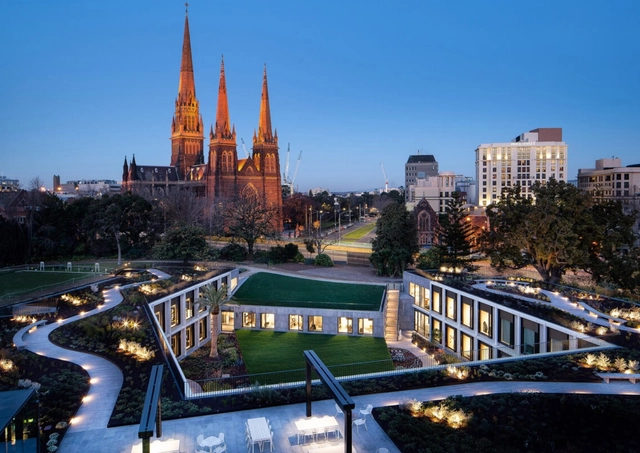
The architecture of governments has long been tied to shared ideals. Built to reflect regional aspirations and communal organizations, parliaments are a unique type of design for legislative bodies. Generally speaking, they include various kinds of deliberative, consultative, and judicial assemblies. Exploring new ideas on the design of government buildings, parliaments are being reimagined to reflect contemporary life.


https://www.archdaily.com/981764/parliaments-of-the-world-designing-the-architecture-of-governmentEric Baldwin
New Images Reveal Construction Progress of ODA's POST Rotterdam
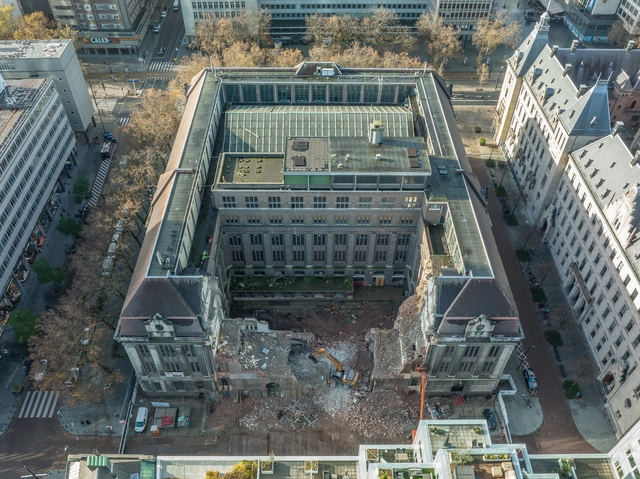
Omnam Group (OMNAM) and ODA have shared the progress of their restoration and reinvention project of the historic post office, POST Rotterdam. Demolition began on Postkantoor in October 2021, and since then, the east facade, which is known as the Rodezand wing, has been excavated, revealing the location of the project's future plaza, which will transform a loading dock into a new gateway for the people of Rotterdam.


https://www.archdaily.com/981826/new-images-reveal-construction-progress-of-odas-post-rotterdamDima Stouhi
OPEN Architecture Reveals Design for the Shanfeng Academy Campus in Suzhou, China
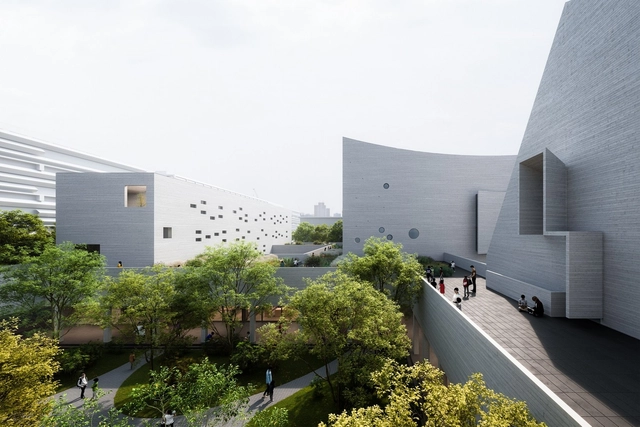
The architectural practice OPEN has revealed the design for the Shanfeng Academy, a project currently under construction that topped out at the end of April, marking the completion of its highest point. The new campus center, located in a new district of Suzhou city, will host a K-12 international school while also aiming to act as a cultural hub for the local community.
Surrounded by canals, the city of Suzhou is known for its historical gardens with temples, bridges, pavilions, and rock sculptures. These, along with traditional Chinese architecture sites, offer a counterpoint to the city’s active social life and fast-paced business sector. The challenge for OPEN architects was to create a large-scale urban project whilst being sympathetic to the heritage of the city.


https://www.archdaily.com/981801/open-architecture-reveals-design-for-the-shanfeng-academy-campus-in-suzhou-chinaMaria-Cristina Florian
What is Design Justice?

Design Justice is a branch of architecture and design focused on redesigning cities, products, services and environments with historic reparations in mind.
The term emerged about 7 years ago when debates and dialogues about inclusion and diversity in spaces started to get stronger, creating movements that fought for the rights of people who had their roots and choices denied in society.
https://www.archdaily.com/980529/what-is-design-justiceMarília Matoso
Self-powered Homes That Pay for Themselves by Producing Clean Energy

Now that the effects of climate change are visible and indisputable, consumers are more environmentally conscious than ever. In fact, as a United Nations 2021 study suggests, 85% of them reveal that sustainability plays a key role when making their purchase decisions, motivating businesses and manufacturers to respond accordingly. This explains the rising demand for electric vehicles and products made of renewable or recyclable materials. However, architecture – and especially traditional housing – seems to be several steps behind compared to other industries. Although there are numerous efforts to move towards a greener built environment, the way most buildings are made today continues to be outdated, creating tremendous amounts of waste and significantly contributing to the global carbon footprint.
https://www.archdaily.com/980354/self-powered-homes-that-pay-for-themselves-by-producing-clean-energyValeria Montjoy
Hypnotising Glass Light Constellations by BOMMA
| Sponsored Content

A starry blend of vision, talent, craft and technical know-how aligns for BOMMA. The glass-lighting producer, based in the Czech Republic, fuses centuries of glassmaking tradition as hand-blown, monumental-sized designs take shape and form through the use of unconventional materials, daring colours and modern technological advancements. These combinations characterise each of BOMMA’s seventeen collections, five of which can be arranged into otherworldly constellations. To expand the artistry further, designers and architects are invited to project their boldest creative visions of space through several of the brand’s collections.
https://www.archdaily.com/980198/hypnotising-glass-light-constellations-by-bommaRene Submissions
Foster + Partners' Salesforce Tower at Sydney Place Tops Out

Foster + Partners' newest office tower in Sydney has topped out, marking the completion of the highest point for the 55-storey building. Salesforce Tower will serve as a centerpiece of the urban district’s reinvigorated masterplan, featuring an array of pedestrian pathways, retail shops, and cafes and bars, further promoting Sydney's identity as a unique cultural destination.





https://www.archdaily.com/981735/foster-plus-partners-salesforce-tower-at-sydney-place-tops-outDima Stouhi
Rome Architecture City Guide: 30 Sites that Celebrate the City's Rich Culture and History
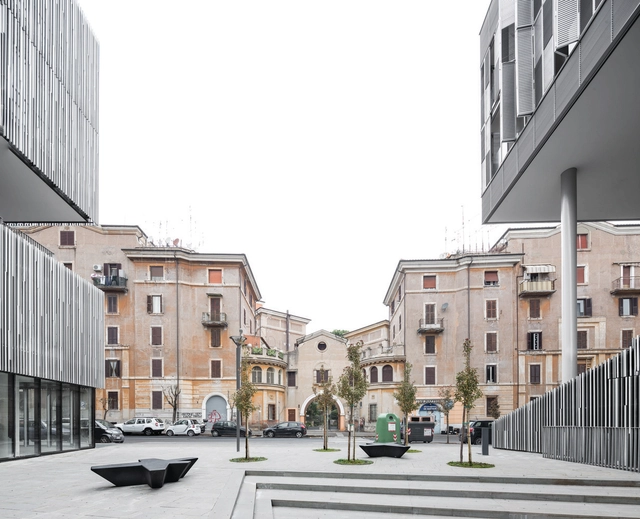
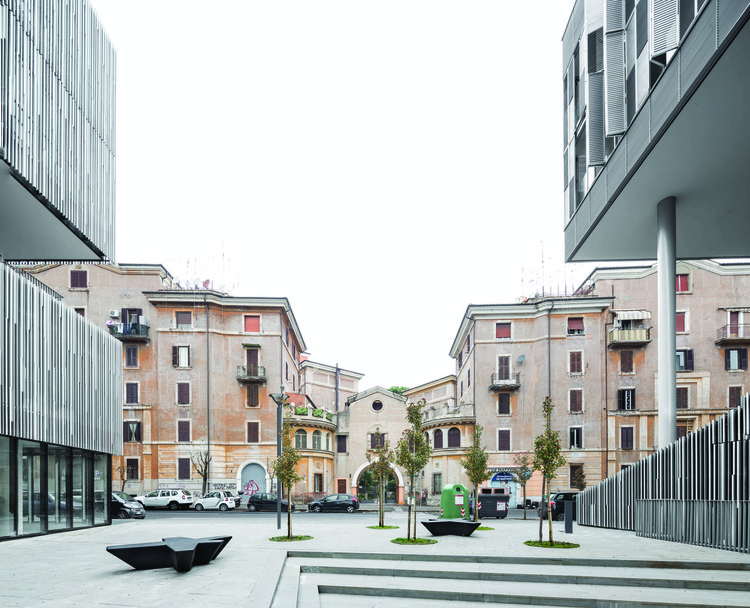
Spanning over 3 millennia with one of the highest concentrations of architecture in the world, Rome is a transcendental influence on the world's culture. A city rich in history, academia, and arts, the Italian capital is considered as one of the oldest continuously-occupied cities in Europe, and has maintained its countless layers of history to become a perfect depiction of old meets new, earning its nickname of "The Eternal City".
Rome's historic center, which stretches from Piazza del Popolo to Piazza Venezia and from the the east bank of the Tiber up to Piazza di Spagna, is listed as a UNESCO World Heritage Site. Along with its historical significance, the presence of renowned contemporary architects and designers in the city has made Rome an influential design destination. In 2019, it was the 14th most visited city in the world, welcoming over 8.6 million tourists to make it the third most visited in the European Union, and the most popular tourist destination in Italy.


https://www.archdaily.com/933256/rome-city-guide-26-places-that-pay-homage-to-the-citys-diverse-historyDima Stouhi
Internships and Lectures by SANAA, Souto de Moura and Toyo Ito: 5 Reasons to Apply for YACademy’s 2022 Architectural Courses
| Sponsored Content

The arrival of spring coincides once again with the launch of in-person and online courses by YACademy, the school founded by YAC through the collaboration with some of the most prestigious names in contemporary architecture. Its fifth edition offers a unique experience to young designers that are looking for postgraduate international training.
https://www.archdaily.com/981326/internships-and-lectures-by-sanaa-souto-de-moura-and-toyo-ito-5-reasons-to-apply-for-yacademys-2022-architectural-coursesRene Submissions
Mariam Issoufou Kamara Chosen to Design New Museum and Center for Culture and Community in West Senegal
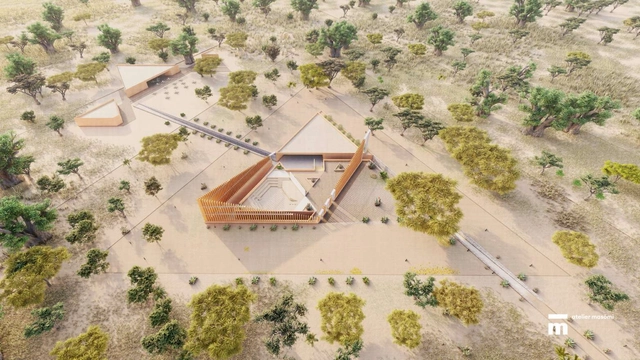
The Josef and Anni Albers Foundation/Le Korsa has announced that Niger-born architect Mariam Issoufou Kamara, founder of award-winning practice atelier masōmī, has been selected to design Bët-bi, a new museum and center for culture and community in southwestern Senegal. Located near a series of megaliths in the vicinity of the historic city of Kaolack, Bët-bi is set to be a state-of-the-art museum that sits at the forefront of West Africa’s flourishing arts scene and wider cultural renaissance.
https://www.archdaily.com/981733/mariam-issoufou-kamara-of-atelier-masomi-chosen-to-design-new-museum-and-art-center-in-west-senegalDima Stouhi
Stefano Boeri Architetti Selected to Redevelop Archeological Site in Durrës, Albania
.jpg?1652219856&format=webp&width=640&height=580)
Stefano Boeri Architetti and SON Architects are announced as winners of the tender organized by the Ministry of Culture and the Albanian-American Development Foundation (AADF) for the conservation, presentation, enhancement, and planning for the Archaeological Excavations of the Roman Amphitheatre, the Byzantine Forum, and Roman Baths in the historic center of Durrës. In support of the long-term vision for the city of Durrës, the winners will also be responsible for designing a series of urban pathways with the aim of reconnecting the main historical attractions with the waterfront and the city’s port.

.jpg?1652219870 "Courtesy of Stefano Boeri Architetti")


.jpg?1652219856)
https://www.archdaily.com/981705/stefano-boeri-architetti-selected-to-redevelop-archeological-site-in-durres-albaniaMaria-Cristina Florian
Reading Spaces: The Book as an Architectural Element

Far beyond basic training, reading is a leisure activity that is part of modern society. Whether outdoors, in squares and parks, at home or even at work, this habit, which improves reasoning ability and mental health, already had large spaces dedicated to books in palaces and mansions. We selected 15 projects that demonstrate the different ways of integrating reading at different scales and architectural programs.


https://www.archdaily.com/981368/reading-spaces-the-book-as-an-architectural-elementGiovana Martino
5 Installations Inaugurate the Model Barcelona Architectures Festival

On the 5th of May, the first edition of Model. Festival of Architecture of Barcelona was inaugurated. An event organised jointly by Barcelona City Council and the Architects' Association of Catalonia (COAC) that brings us closer to experimental architecture and helps us to rethink how we want to live together through new city models and new imaginaries.
https://www.archdaily.com/981505/5-installations-inaugurate-the-model-barcelona-architectures-festivalFabian Dejtiar
The ArchDaily Architectural Visualization Awards are now Open for Public Voting

Architectural visualizations have reached unthinkable levels, being a great source of inspiration and a fundamental part of the design process in architecture. This is why we are proud to announce the second edition of the ArchDaily Architecture Visualization Awards, where we will award the best of the year.
For us, visualizations have become a powerful tool that has helped us to think without limits about the design of our future cities, buildings, and structures. This is one of the reasons why we decided to launch this competition: to find the best talent from around the world and discover who is setting trends with their work and aesthetics, helping us to visualize the future of architecture. For this new edition, in the spirit of being at the forefront of architectural visualization, we have partnered with Enscape. To explore the latest in real-time rendering.
https://www.archdaily.com/981602/the-archdaily-architectural-visualization-awards-are-now-open-for-public-votingDiego Hernández
Go Big or Go Home: Oversized Doors in Residential Interiors
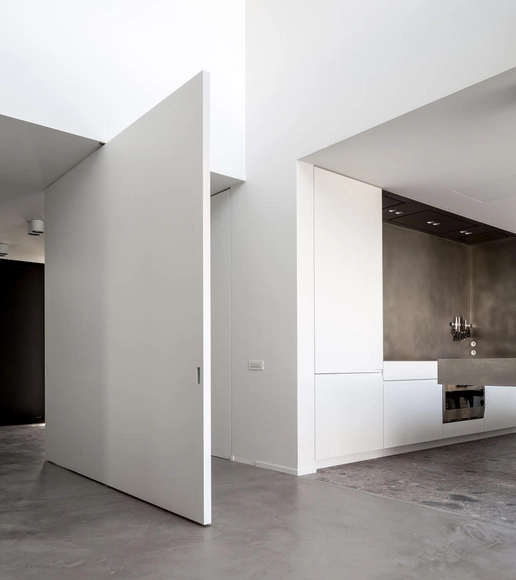
Interior doors serve multiple purposes in homes, such as providing security and privacy, separating spaces and buffering noise. But besides these obvious functions, they can also set the tone and enhance a room’s aesthetics with their beauty, becoming powerful design features by themselves. They certainly should not be taken lightly when designing any interior space. Considering this impact, architects must take every factor into account when choosing a door, including color, material, style and swinging motion. Dimensions are also important, but tend to be standard as they are limited by the size of the door frame. Usually, they don’t exceed 80 inches (or 203 cm) in height and range from 24 to 36 inches (70 to 90 cm) in width. Recently, however, this has taken a turn in modern design.
https://www.archdaily.com/981345/go-big-or-go-home-oversized-doors-in-residential-interiorsValeria Montjoy
An Interview with Lighting Designers on the Role of Uplighting
| Sponsored Content

Simply put, uplighting is any lighting that shines upward. Most commercial lighting pendants are designed with uplighting and downlighting capability. For interior applications, uplighting reduces ceiling dark spots and shadows while affording the user additional, glare-free indirect lighting.
Uplighting serves the architectural lighting design of the space by highlighting details such as beams, pipes and other distinctive ceiling traits.
https://www.archdaily.com/981413/an-interview-with-lighting-designers-on-the-role-of-uplightingDavid Hakimi
MoMA Exhibition Explores the Architectures of Decolonization in South Asia
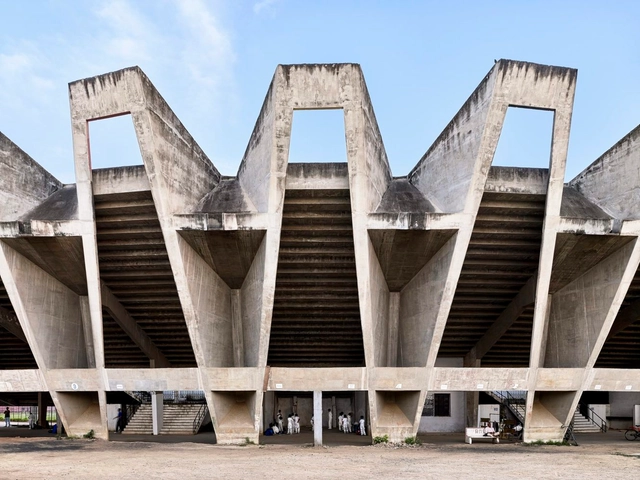
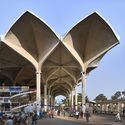
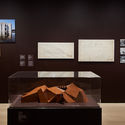
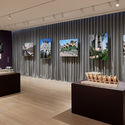
The Museum of Modern Art - MoMA has announced the opening of an exhibition that explores the ways modern architecture in South Asia shaped up "idealistic societal visions and emancipatory politics" of the post-independence period. Titled The Project of Independence: Architectures of Decolonization in South Asia, 1947–1985, the exhibition includes over 200 works, ranging from sketches and drawings to photographs and architecture models sourced from prominent lenders and institutions in Bangladesh, India, Pakistan, and Sri Lanka.


https://www.archdaily.com/981654/moma-exhibition-explores-the-architectures-of-decolonization-in-south-asiaDima Stouhi
Paul Clemence Releases Images of Chicago’s Third Tallest Building, the St. Regis Tower by Studio Gang
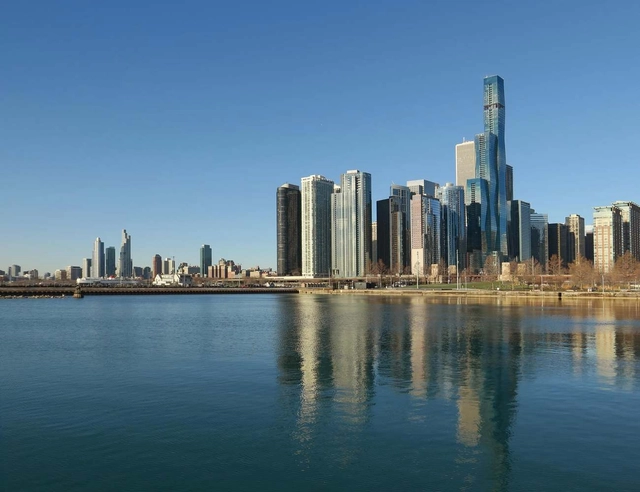
In his latest photo series, Paul Clemence turns his lens towards the newest addition to Chicago’s famed skyline: the undulating shapes of St. Regis Tower, formerly known as Vista Tower. Designed by Studio Gang, the 101-story supertall skyscraper makes its mark as Chicago’s third tallest building. Despite its size, the volume appears slender due to the flowing rhythm that defines its three nested towers.
The tower aims to enhance rather than disrupt its surrounding urban fabric. Sitting between downtown Lakeshore East Park and the Chicago Riverwalk, the careful design of the lower levels allows for a porous connection between the two attractions. Innovative structural systems are implemented to achieve this by completely elevating the second volume from the ground.


https://www.archdaily.com/981632/paul-clemence-releases-images-of-chicagos-third-tallest-building-the-st-regis-tower-by-studio-gangMaria-Cristina Florian
The Real Problems of Today’s Design
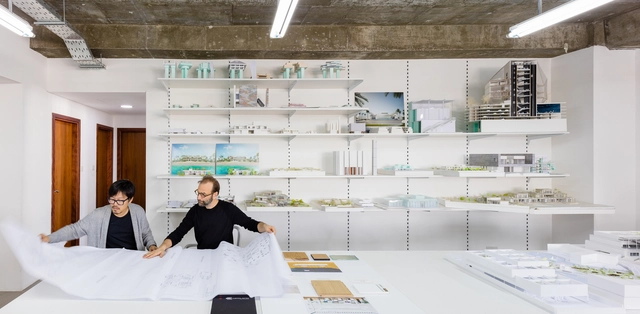
Since the emergence of the design profession, boosted in the Industrial Revolution with the increasing production of objects and the desire of a middle class eager to consume; designers, interior decorators and architects are known as professionals who create spaces and products to beautify the world.





https://www.archdaily.com/981332/the-real-problems-of-todays-designMarília Matoso
The History of the Penrose Stair and its Influence on Design
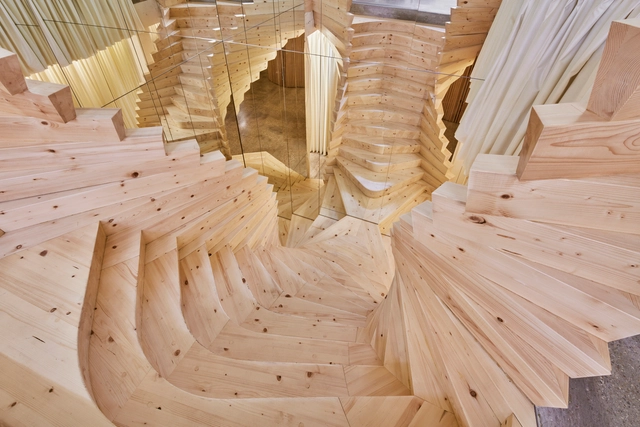
Stairs in architecture are oftentimes a design focal point- the heavyhandedness in creating something that moves us from one level to the next, up and down repeatedly, something so simple and familiar with a twist is what makes the experience of traversing a stair so unique. Our obsession with stairs and the level of illusion that they create in architecture perhaps stems from the way that they’re able to twist the optics and perceptions of space. We understand that they transport us in one direction or another, but can stairs ever be circular? Is it possible to go up and down for eternity?
https://www.archdaily.com/981561/the-history-of-the-penrose-stair-and-its-influence-on-designKaley Overstreet
A Universal Approach to Modern Social Spaces: MENU Tearoom and Co Chair
| Sponsored Content

Challenging social spaces to properly reflect our modern existence should be an important quest for all designers – the power of progressive interiors should not be underestimated, and can even contribute to a change in the course of history. Danish design brand MENU is driven by a human-centric approach rooted in social agency – with the end result of each product design being to forge a sense of community and belonging in the real world.
https://www.archdaily.com/981618/a-universal-approach-to-modern-social-spaces-menu-tearoom-and-co-chairRene Submissions
How Can We Double the Living Space in Our Homes? BEYOME: The Flexible and Modular System with Robotic Furniture
 .
.
BEYOME, led by Project Consortium together with the architects of Enorme Studio, seeks to transform traditional dwellings by providing a greater degree of flexibility in their spaces, so that they can adapt to contemporary lifestyles, taking into account the different uses that their inhabitants give to them. But how can we make the same space capable of adapting to different uses? What strategies could be developed to double the surface area of our homes and make better use of them?
https://www.archdaily.com/981235/how-can-we-double-the-living-space-in-our-homes-beyome-the-flexible-and-modular-system-with-robotic-furnitureAgustina Iñiguez
Video Game Technology: Where Will ArchViz Go Next?
| Sponsored Content

Years ago, architects made the move from hand-drawn plans to CAD. The time they saved and efficiencies they gained transformed the industry. Today, you’ll be hard-pressed to find an architect that solely works using the traditional pen-and-paper methods. That digital shift has continued to develop.
https://www.archdaily.com/981060/video-game-technology-where-will-archviz-go-nextRene Submissions