This article was originally published on July 29, 2016. To read the stories behind other celebrated architecture projects, visit our AD Classics section.
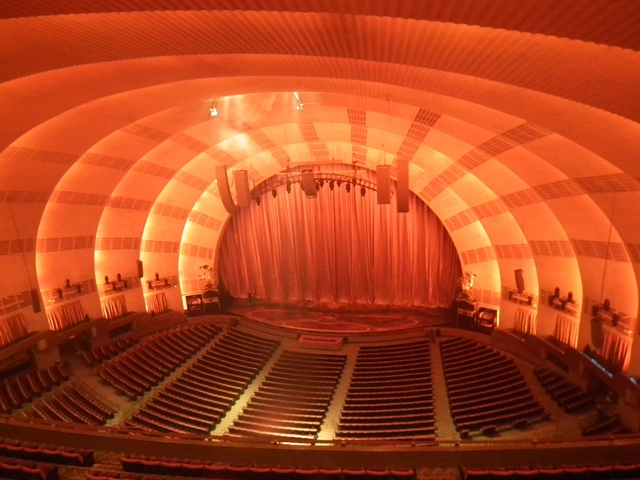
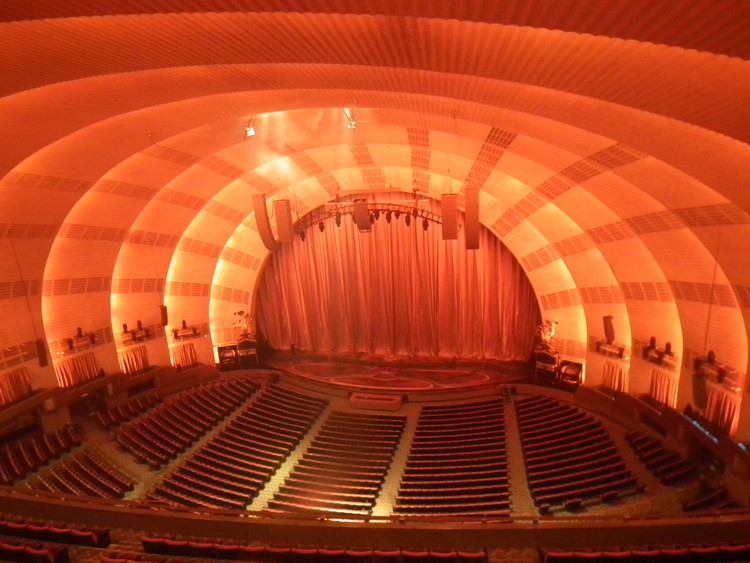
Upon opening its doors for the first time on a rainy winter’s night in 1932, the Radio City Music Hall in Manhattan was proclaimed so extraordinarily beautiful as to need no performers at all. The first built component of the massive Rockefeller Center, the Music Hall has been the world’s largest indoor theater for over eighty years. With its elegant Art Deco interiors and complex stage machinery, the theater defied tradition to set a new standard for modern entertainment venues that remains to this day.
Courtesy of Matthew Field, licensed under GFDL 1.2 via Commons
This article was originally published on November 2, 2015. To read the stories behind other celebrated architecture projects, visit our AD Classics section.
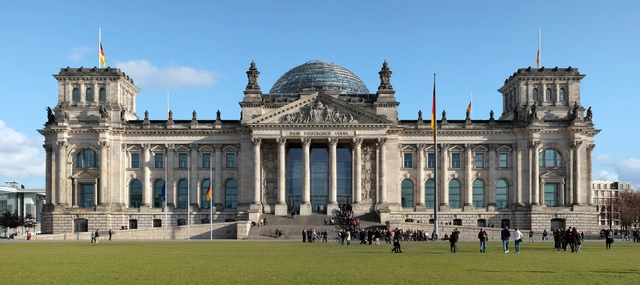
As Norman Foster describes in his firm’s monograph, Foster 40, “Our transformation of the Reichstag is rooted in four related issues: the Bundestag’s significance as a democratic forum, an understanding of history, a commitment to public accessibility and a vigorous environmental agenda.”[1] Foster’s description sounds straightforward enough, but the process of creating the New German Parliament at the Reichstag was only the latest entry in the long, complex, and contentious history of the building.
This article was originally published on March 28, 2015. To read the stories behind other celebrated architecture projects, visit our AD Classics section.
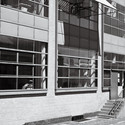
The Fagus Factory is one of the earliest built works of modern architecture, and the first project of Walter Gropius. The commission provided Gropius with the opportunity to put his revolutionary ideas into practice, and the stunning rectilinear volume with its primarily glazed façade would guide the course of Modernism through the coming decades.





.jpg?1539785955&format=webp&width=640&height=580)
.jpg?1539785884 "© Mika Huisman")
.jpg?1539785986 "© Mika Huisman")
.jpg?1539786050 "© Mika Huisman")
.jpg?1539785973 "© Mika Huisman")
.jpg?1539785955)