


Glass

AD Classics: SC Johnson Wax Research Tower / Frank Lloyd Wright
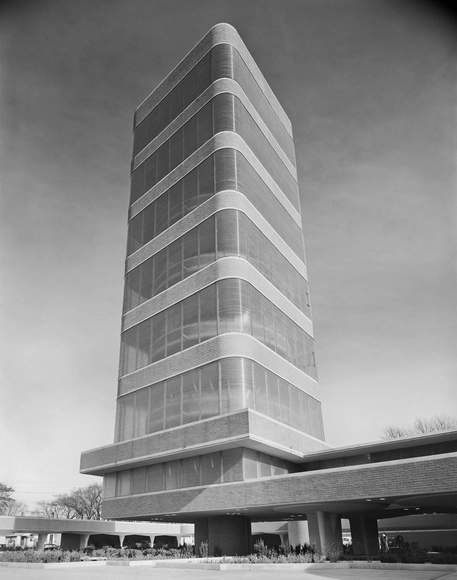
This article was originally published on September 8,2014. To read the stories behind other celebrated architecture projects, visit our AD Classics section.
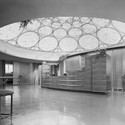
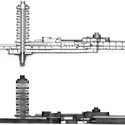
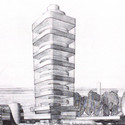
The next time you catch the scent of a Glade air freshener or evade pesky mosquitoes thanks to Off!, think of Frank Lloyd Wright. His 1950 building for the SC Johnson Research Tower at their headquarters in Racine, Wisconsin, was home to the invention of many of their landmark products.


https://www.archdaily.com/544911/ad-classics-sc-johnson-wax-research-tower-frank-lloyd-wrightMichelle Miller
HeFei Fei River Central Smart Garden Library / GEEDESIGN
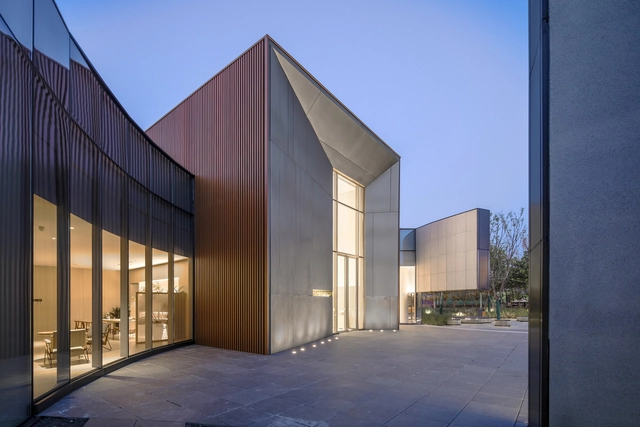

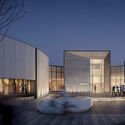
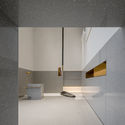
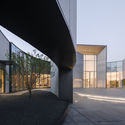

-
Architects: GEEDESIGN
- Area: 1760 m²
- Year: 2018
-
Manufacturers: Hefei Anbo Energy Saving Glass Technology, Jingpeng Aluminum Manufacturing Co., Shandong Donghong Stone Import&Export Co.
-
Professionals: Horizontal Space Design, Z+T Studio
https://www.archdaily.com/904113/hefei-fei-river-central-smart-garden-library-geedesignCollin Chen
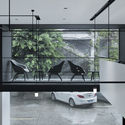
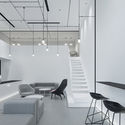
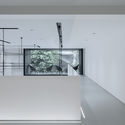
Le Temps / DC. Design



-
Interior Designers: DC. Design
- Area: 260 m²
- Year: 2018
-
Manufacturers: HAY
https://www.archdaily.com/904301/le-temps-dc-design舒岳康
QÚBICA LOMAS / Colonnier Arquitectos


-
Architects: Colonnier Arquitectos
- Area: 29865 m²
- Year: 2017
https://www.archdaily.com/904755/qubica-lomas-colonnier-y-asociadosCristobal Rojas
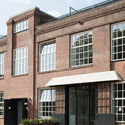
De Lakfabriek / Wenink Holtkamp Architecten

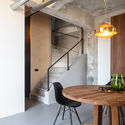
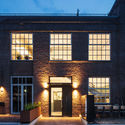
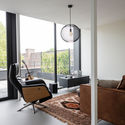

-
Architects: Wenink Holtkamp Architecten
- Area: 1200 m²
- Year: 2018
-
Manufacturers: Reynaers Aluminium, Alhako, Betopor, Breman, Waxed Wood
-
Professionals: Copal, Van Thiel Optimaal, Vianen Bouwadvies
https://www.archdaily.com/904708/de-lakfabriek-wenink-holtkamp-architectenRayen Sagredo
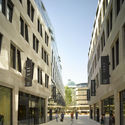
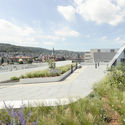
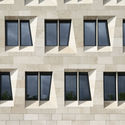
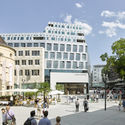
Dorotheen Quartier / Behnisch Architekten
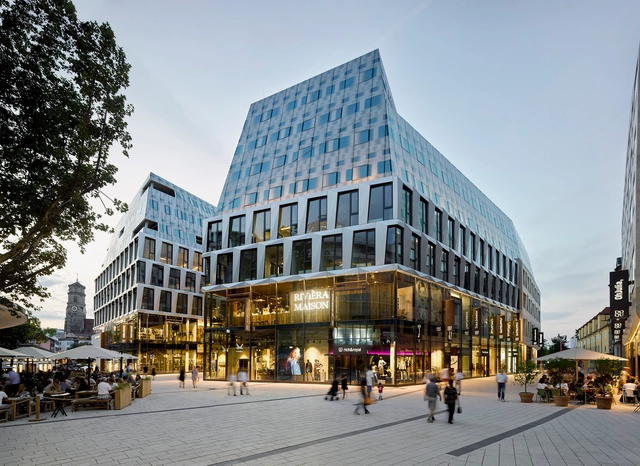

-
Architects: Behnisch Architekten
- Area: 38250 m²
- Year: 2017
-
Manufacturers: Franken-Schotter, Kvadrat Soft Cells, POHL, RAICO, FSB Franz Schneider Brakel, +4
https://www.archdaily.com/904636/dorotheen-quartier-behnisch-architektenPilar Caballero
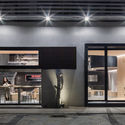
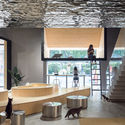
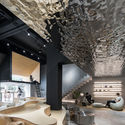
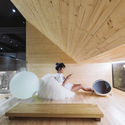
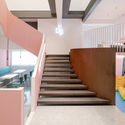
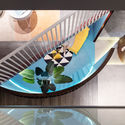
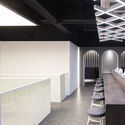
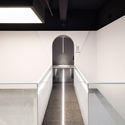
Dishan Space / PUJU


-
Interior Designers: PUJU
- Area: 450 m²
- Year: 2018
-
Manufacturers: HAY, minimore
-
Professionals: HAY/minimore, Mubo Decoration, PUJU, Colors
https://www.archdaily.com/904650/dishan-space-puju舒岳康
Seorimyeonga Boutique Resort / Archihood WXY

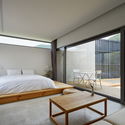
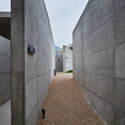
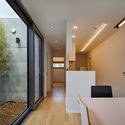
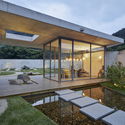

-
Architects: Archihood WXY
- Area: 596 m²
- Year: 2018
-
Manufacturers: American Standard, Modern lighting, Yunhyun, dadam, deck & floor
https://www.archdaily.com/904696/seorimyeonga-boutique-resort-archihood-wxyPilar Caballero
AD Classics: São Paulo Museum of Art (MASP) / Lina Bo Bardi
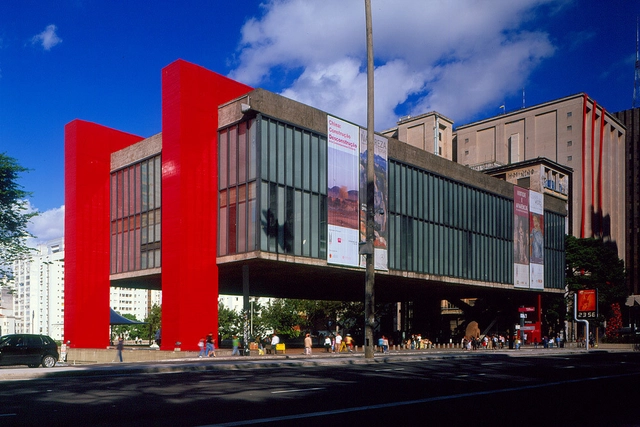
This article was originally published on August 14, 2014. To read the stories behind other celebrated architecture projects, visit our AD Classics section.
When Lina Bo Bardi received the commission to build a new museum of art on São Paulo’s Terraço do Trianon, she was given the job under one condition: under no circumstances could the building block the site’s panoramic vistas of the lower-lying parts of the city. This rule, instituted by the local legislature, sought to protect what had become an important urban gathering space along Avenida Paulista, the city’s main financial and cultural artery. Undeterred, Bo Bardi came up with a solution that was simple and powerful. She designed a building with a massive split through its midsection, burying half of it below the terrace and lifting the other half into the sky. As a result, the plaza remained open and unobstructed, and in 1968, the iconic São Paulo Museum of Art (MASP) was born.


https://www.archdaily.com/537063/ad-classics-sao-paulo-museum-of-art-masp-lina-bo-bardiDavid Langdon
Innocence in Zen / HAO Design
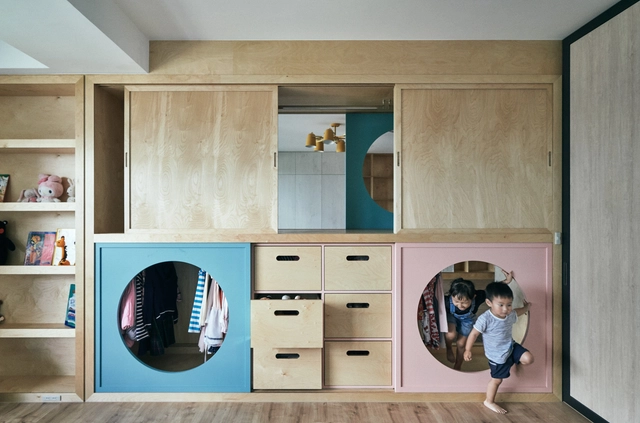
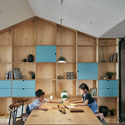
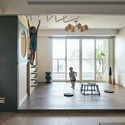
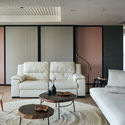

https://www.archdaily.com/904599/innocence-in-zen-hao-designCollin Chen
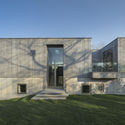
Montauk House / Desai Chia Architecture
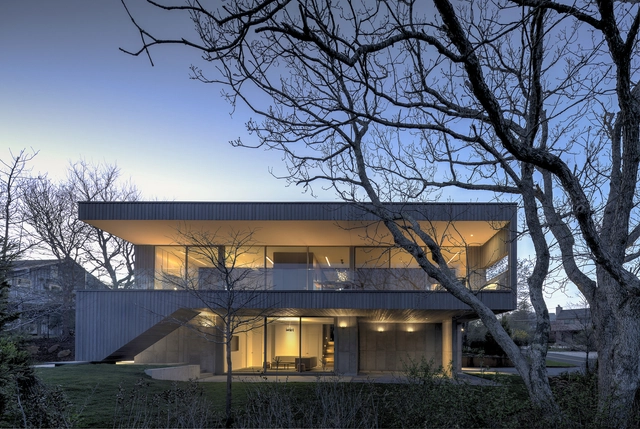


-
Architects: Desai Chia Architecture
- Area: 4600 ft²
- Year: 2018
-
Manufacturers: Vibia, Dornbracht, Duravit, Miele, ABC Carpet & Home, +25
https://www.archdaily.com/904717/montauk-house-desai-chia-architectureRayen Sagredo
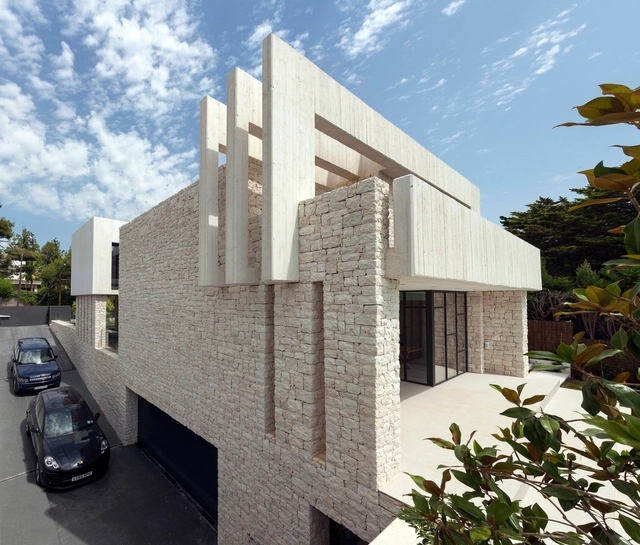
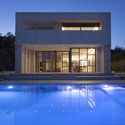
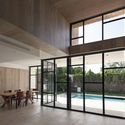
Campolivar House / Antonio Altarriba Arquitectos
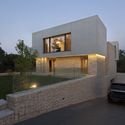
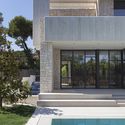

-
Architects: Antonio Altarriba Arquitectos
- Area: 306 m²
- Year: 2018
-
Manufacturers: Secco Sistemi, CHE Cuerpos Huecos, Fantini, Inalco, SANTOS, +3
https://www.archdaily.com/902430/campolivar-house-antonio-altarriba-comesRayen Sagredo
Rassvet Loft Renovation / DNK ag
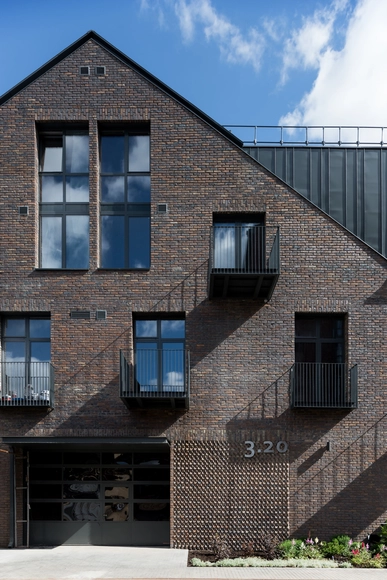


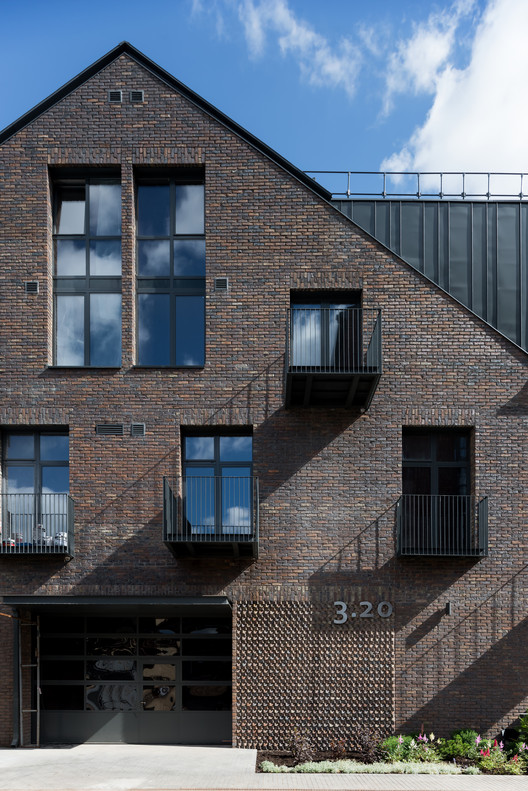
https://www.archdaily.com/904661/rassvet-loft-renovation-dnk-agRayen Sagredo
(Not Area)16# Xiaochaye Hutong / Beijing Qingzhu Architecture Design

-
Architects: Beijing Qingzhu Architecture Design
- Area: 128 m²
- Year: 2017
-
Professionals: Beijing Housespace Prefab Co.LTD, Heneng Ren Ju Tech Co.LTD, THUPDI
https://www.archdaily.com/904556/not-area-16-number-xiaochaye-hutong-beijing-qingzhu-architecture-design舒岳康
AD Classics: Austrian Cultural Forum / Raimund Abraham
This article was originally published on May 25, 2015. To read the stories behind other celebrated architecture projects, visit our AD Classics section.
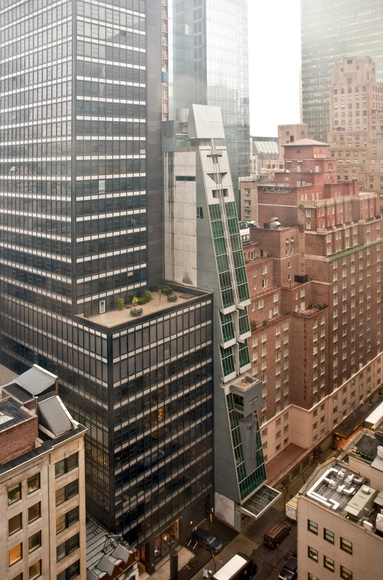
Before the impossibly “super-thin” tower became ubiquitous on the Midtown Manhattan skyline, Raimund Abraham’s Austrian Cultural Forum challenged the limits of what could be built on the slenderest of urban lots. Working with a footprint no bigger than a townhouse (indeed, one occupied the site before the present tower), Abraham erected a daring twenty-four story high-rise only twenty-five feet across. Instantly recognizable by its profile, a symmetrical, blade-like curtain wall cascading violently toward the sidewalk, ACFNY was heralded by Kenneth Frampton as “the most significant modern piece of architecture to be realized in Manhattan since the Seagram Building and the Guggenheim Museum of 1959.” [1]


.jpg?1431981450 "The director's office that occupies the box-like protrusion on the southern facade. Image © Photo by David Plakke, davidplakke.com; Courtesy of Austrian Cultural Forum New York")


https://www.archdaily.com/633790/ad-classics-austrian-cultural-forum-raimund-abrahamDavid Langdon


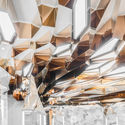

Spire Residences / John Wardle Architects
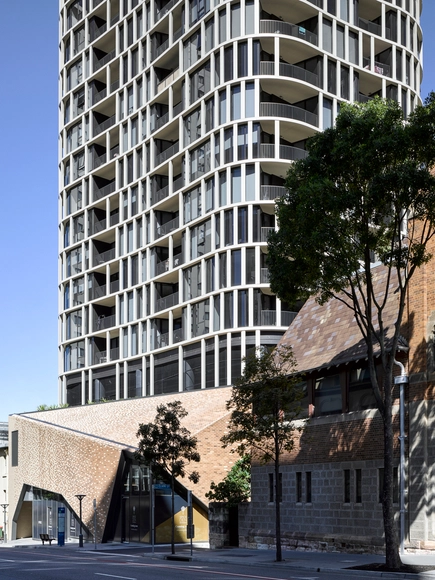


https://www.archdaily.com/904694/spire-residences-john-wardle-architectsPilar Caballero