This article was originally published on April 27, 2017. To read the stories behind other celebrated architecture projects, visit our AD Classics section.
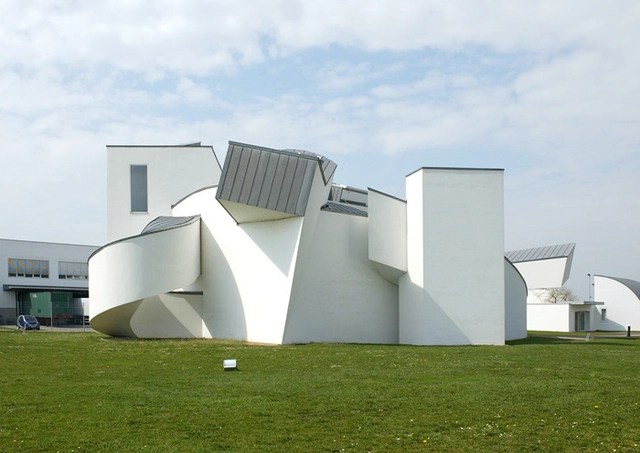
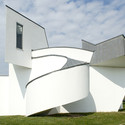
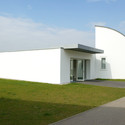
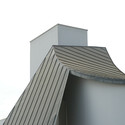
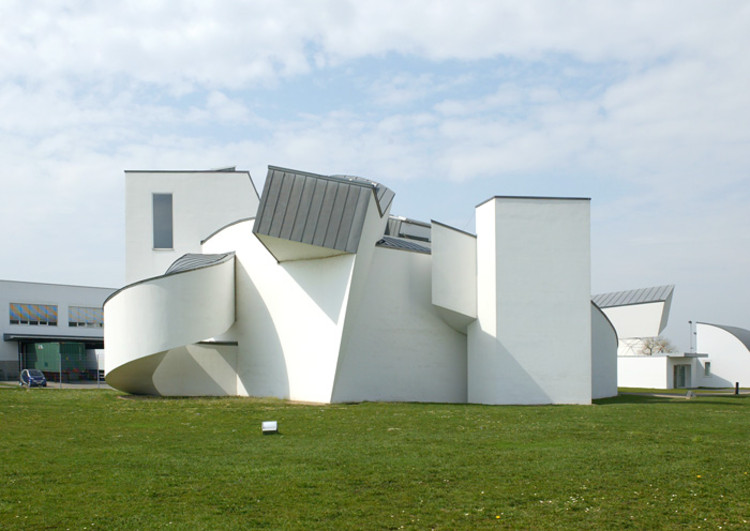
Even at the Vitra Campus in Weil-am-Rhein—a collection of furniture factories, offices, showrooms, and galleries, many of which are the products of iconic architects—the Vitra Design Museum stands out as exceptional. With its sculptural form composed of interconnected curving volumes, the museum is the unmistakable work of Frank Gehry – an architect who has built a legacy for himself upon such structures. What may not be immediately apparent is the crossroads that this serene white building represents: it was in this project at the southwestern corner of Germany (close to the Swiss border) that Gehry first realized a structure in the vein of his now signature style.
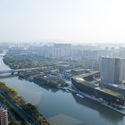
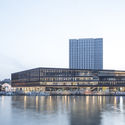
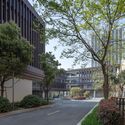
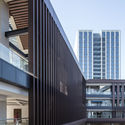
https://www.archdaily.com/903708/visitor-center-of-the-grand-canal-in-hangzhou-the-architectural-design-and-research-institute-of-zhejiang-university舒岳康 - SHU Yuekang









.jpg?1539224441&format=webp&width=640&height=580)
.jpg?1539740008&format=webp&width=640&height=580)























.jpg?1539224809 "© Nelson Garrido")
.jpg?1539224487 "© Nelson Garrido")
.jpg?1539224628 "© Nelson Garrido")
.jpg?1539224765 "© Nelson Garrido")
.jpg?1539224441)
.jpg?1539740188 "© Kyungsub Shin")
.jpg?1539741461 "© Kyungsub Shin")
.jpg?1539741079 "© Kyungsub Shin")
.jpg?1539740204 "© Kyungsub Shin")
.jpg?1539740008)