-
ArchDaily
-
Concrete
Concrete
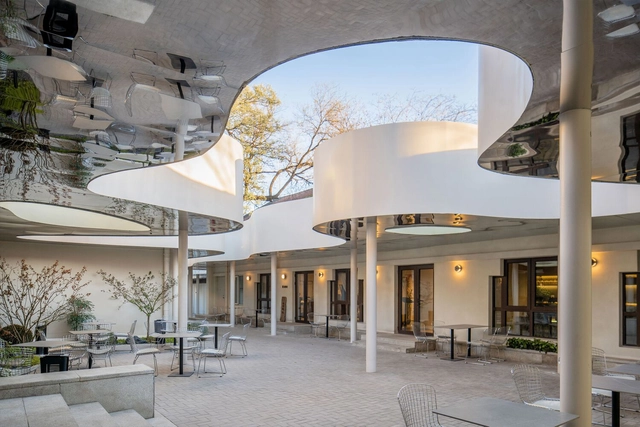
https://www.archdaily.com/1014712/courtyard-35-way-studioAndreas Luco
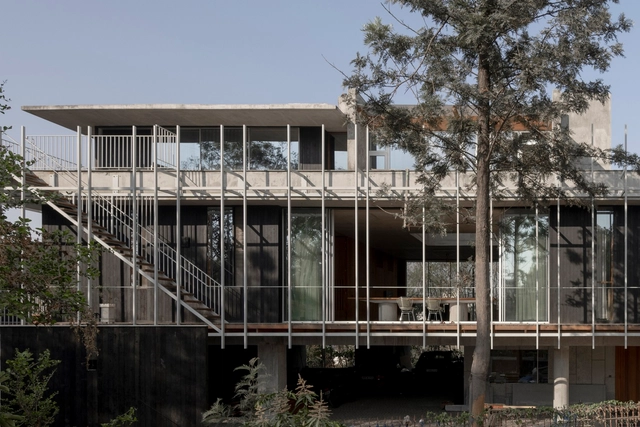
https://www.archdaily.com/1014812/screen-house-kiron-cheerla-architecture-designHana Abdel
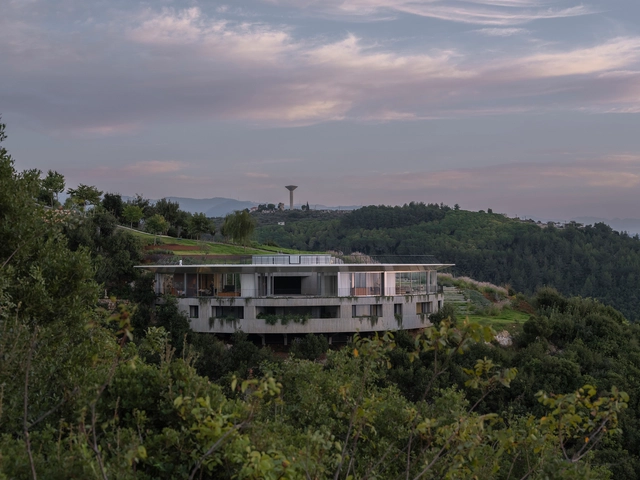
https://www.archdaily.com/1014777/skyhaven-residence-blankpage-architectsHana Abdel
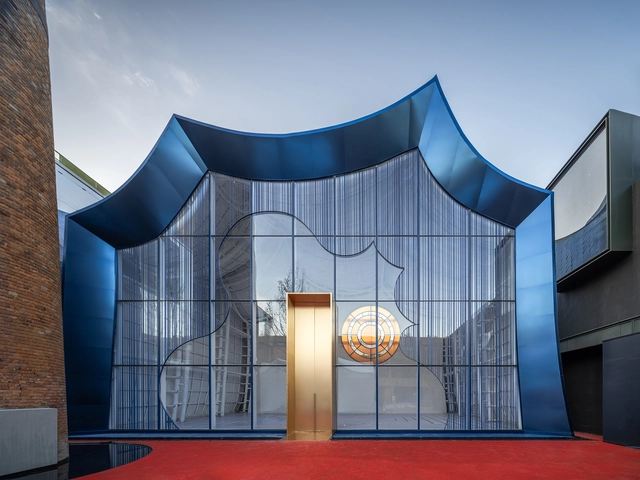
https://www.archdaily.com/1014679/klein-blue-hills-and-white-cliff-wutopia-labPilar Caballero
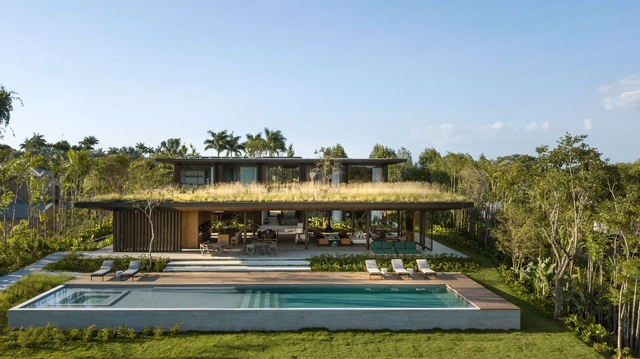 © Ruy Teixeira
 + 32
+ 32
-
- Area:
15069 ft²
-
Year:
2023
-
Manufacturers: Florense, Art & pedras, Celina Dias, Coifas Pulsar, Construflama, +7EXBRA revestimentos, Kohler, MontBlanc, Portaco, TM2 Aluminio, Taniguchi, Uniflex-7
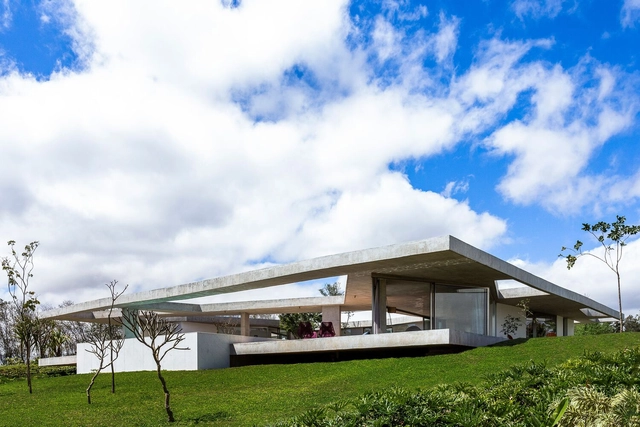
https://www.archdaily.com/1014636/lgm-house-luciano-dalla-marta-arquiteturaPilar Caballero
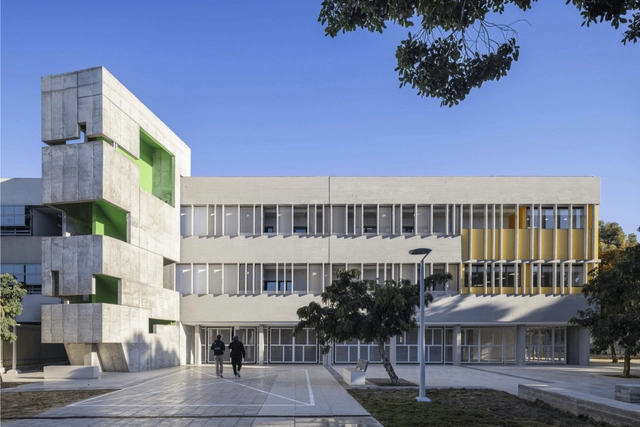
https://www.archdaily.com/1014684/the-technological-center-ashdod-daniel-azerrad-architectsPilar Caballero
https://www.archdaily.com/1014686/subtraction-house-fgmfAndreas Luco
https://www.archdaily.com/1014706/toro-house-estudio-carrollClara Ott
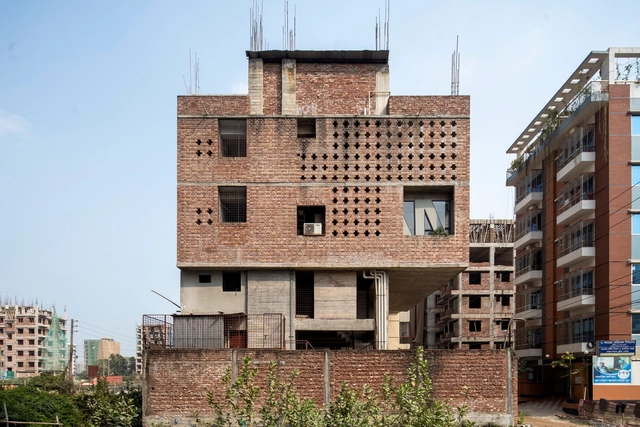
https://www.archdaily.com/1014690/vasat-vita-office-and-residence-vuumaatra-consultantsHana Abdel
https://www.archdaily.com/1014609/eae-house-100a-associatesValeria Silva
https://www.archdaily.com/1014691/ll-inhouse-arcieri-arquitecturaPilar Caballero
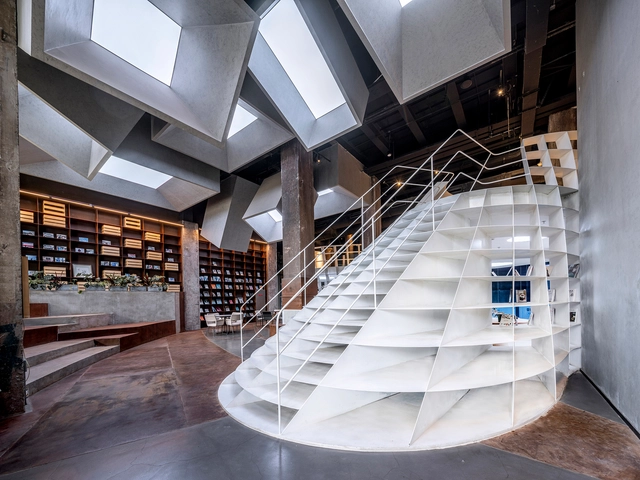
https://www.archdaily.com/1014496/bookstore-in-the-blast-furnace-hypersity-architectsPilar Caballero
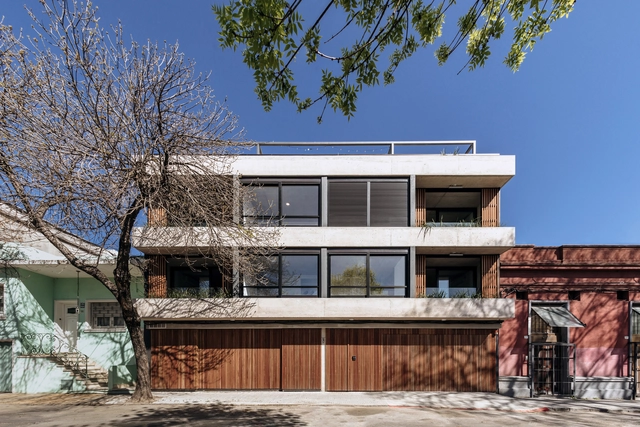
https://www.archdaily.com/1014539/qo-apartments-archetonicClara Ott
https://www.archdaily.com/997027/battery-house-nora-studioPilar Caballero
https://www.archdaily.com/1014328/bucina-cottage-adrPilar Caballero
https://www.archdaily.com/1014555/d-house-studiokianPilar Caballero
https://www.archdaily.com/1014500/brick-house-shouldertapPilar Caballero
https://www.archdaily.com/1014467/wa-house-pranala-associatesPilar Caballero