


-
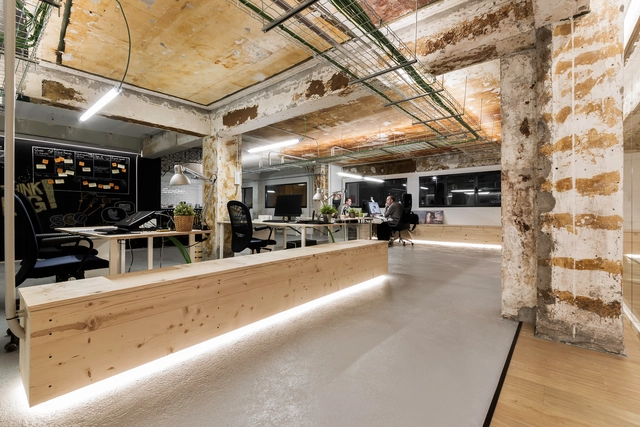
Architects: NAN Arquitectos
- Area: 85 m²
- Year: 2015
-
Manufacturers: CLIMAR, Ikea, Resol, Tromilux


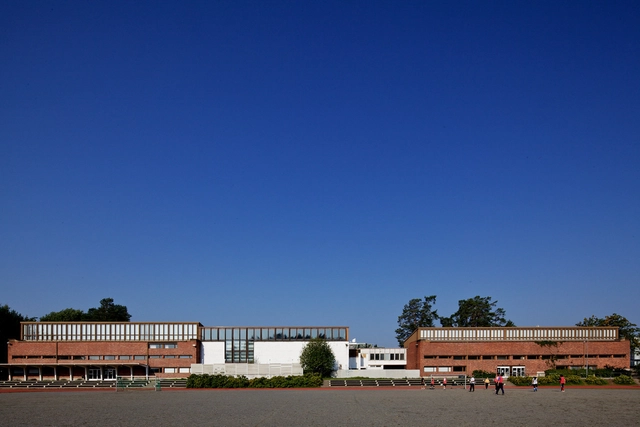
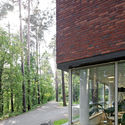
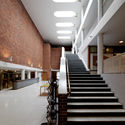
Jyväskylä, a city whose status as the center of Finnish culture and academia during the nineteenth century earned it the nickname “the Athens of Finland,” awarded Alvar Aalto the contract to design a university campus worthy of the city’s cultural heritage in 1951. Built around the pre-existing facilities of Finland’s Athenaeum, the new university would be designed with great care to respect both its natural and institutional surroundings.
The city of Jyväskylä was by no means unfamiliar to Aalto; he had moved there as a young boy with his family in 1903 and returned to form his practice in the city after qualifying as an architect in Helsinki in 1923. He was well acquainted with Jyväskylä’s Teacher Seminary, which had been a bastion of the study of the Finnish language since 1863. Such an institution was eminently important in a country that had spent most of its history as part of either Sweden or Russia. As such, the teaching of Finnish was considered an integral part of the awakening of the fledgling country’s national identity.[1]



.jpg?1458528494&format=webp&width=640&height=580)

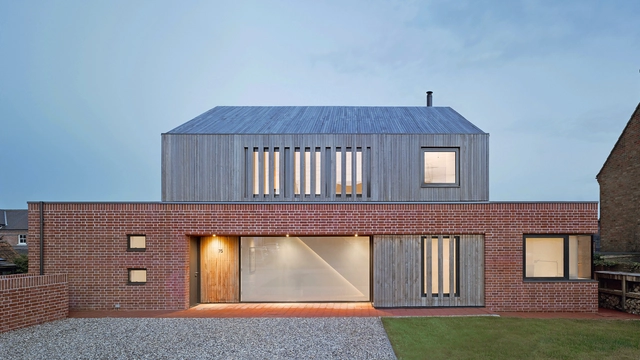
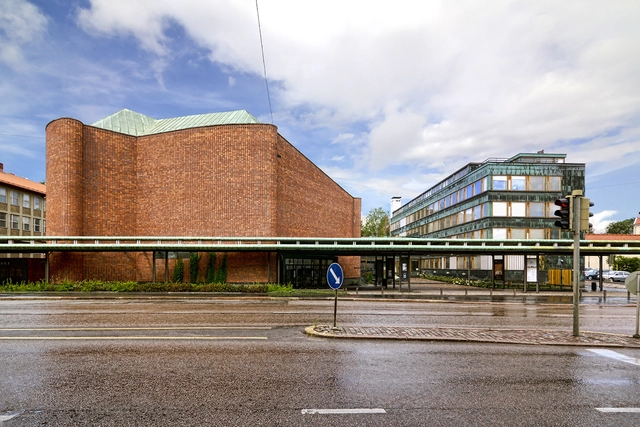
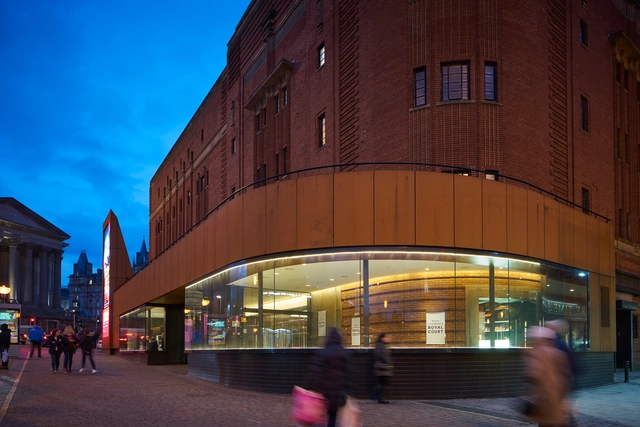
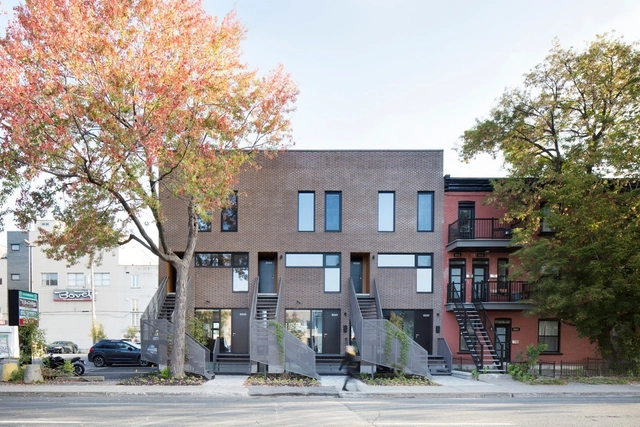
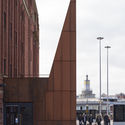
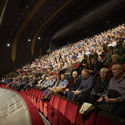
Originally built as the headquarters for the Finnish Communist Party, the House of Culture (Kultuuritalo in Finnish) has since established itself as one of Helsinki’s most popular concert venues.[1] Comprising a rectilinear copper office block, a curved brick auditorium, and a long canopy that binds them together, the House of Culture represents the pinnacle of Alvar Aalto’s work with red brick architecture in the 1950s.

















.jpg?1458528218 "© H.Lin Ho")
.jpg?1458528379 "© H.Lin Ho")

.jpg?1458528494)