

-
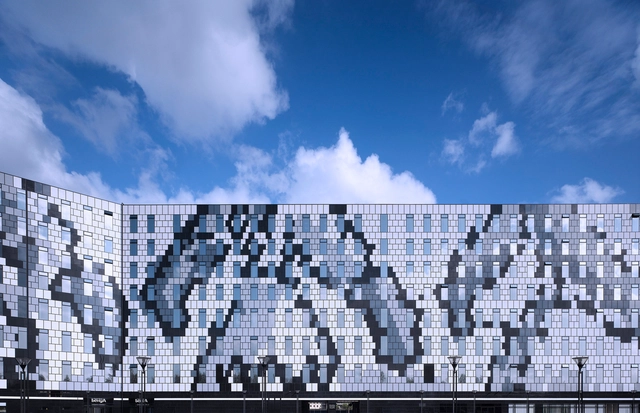
Architects: ASTRAGAL DESIGN
- Area: 1300 m²
- Year: 2015
-
Manufacturers: RHEINZINK, Reynaers Aluminium, AGC
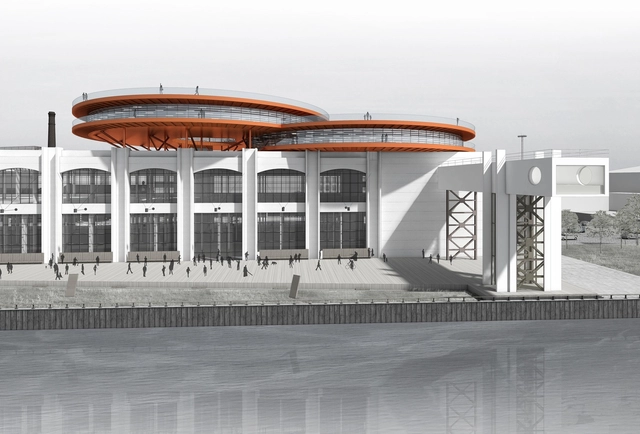
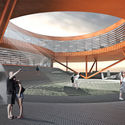
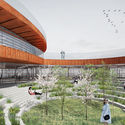
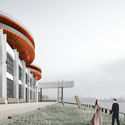
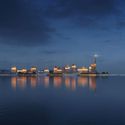
Architecture practice DNKag has designed two corten discs as a rooftop extension to a seaside production facility in Saint Petersburg, Russia. Dubbed Harbor Sea Infinity, the project will become a social and business center overlooking Sevkabel Port. In a short time, Sevkabel Port has become a new point of attraction for urban activities and a popular destination for citizens and tourists in the city. The new rooftop addition aims to bring new life to the industrial warehouse.
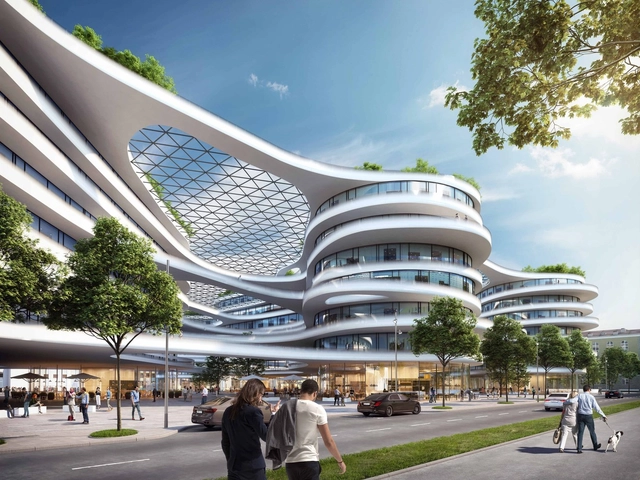
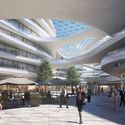
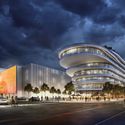
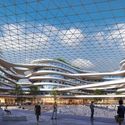
London and Moscow based AI Studio has revealed plans for a new Media City in central Saint Petersburg, Russia. The project will include office spaces for media and other creative industries, as well as the public realm, designed in collaboration with Hyland Edgar Driver. The concept aims to fuse contemporary materials and technology with the site's history, and the design features a series of interconnected flying bridges for easy access and movement.
.jpg?1544768630)
Either as singular outcroppings or as part of a bustling center, skyscrapers are neck-craning icons across major city centers in the world. A modern trope of extreme success and wealth, the skyscraper has become an architectural symbol for vibrant urban hubs and commercial powerhouses dominating cities like New York, Dubai, and Singapore.
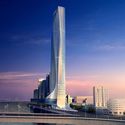
While skyscrapers are omnipresent, 2018 introduced new approaches, technologies, and locations to the high-rise typology. From variations in materiality to form, designs for towers have started to address aspects beyond simply efficiency and height, proposing new ways for the repetitive form to bring unique qualities to city skylines. Below, a few examples of proposals and trends from 2018 that showcase the innovative ideas at work:
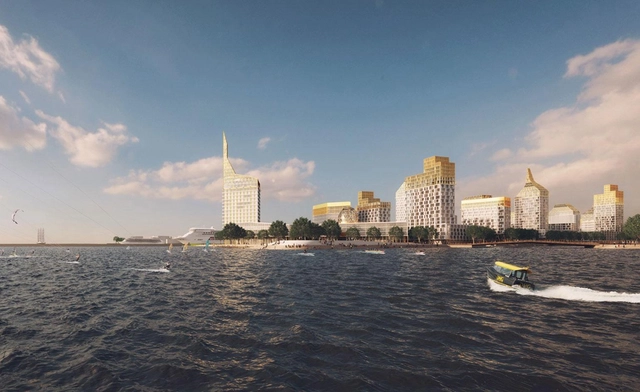
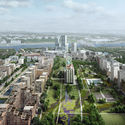
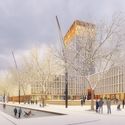
Orange Architects + KCAP have created a Golden City Block for St. Petersburg, Russia. Bordering the Finnish Gulf, the new urban development is part of Vasilievsky Island. Three of Orange and KCAP's projects in the development are already underway, including the towers of block 6, as well as construction for block 7 and block 8. Inspired by the morphology and structure of St. Petersburg’s city center, the design utilizes urban blocks with enclosed gardens and courtyards.
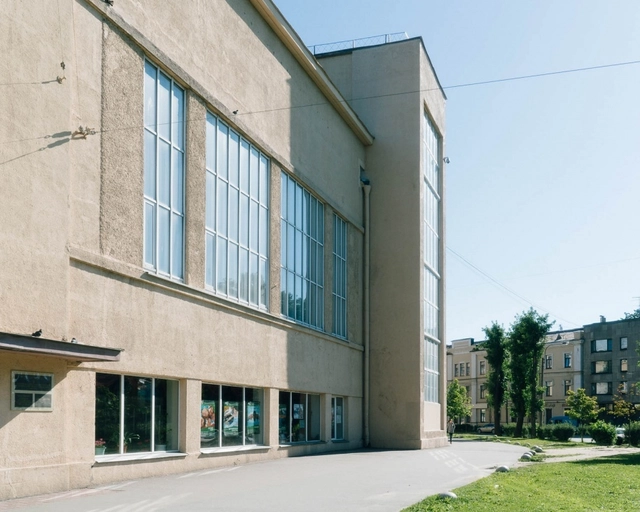
While Yekaterinburg’s avant-garde architecture is the city’s hallmark, and Moscow’s avant-garde is the subject of arguments, in Saint Petersburg the prominence of the style and its influence are somewhat harder to identify. Some researchers even suggest that the avant-garde is an “outcast” or a “non-existent style” here, and its presence in has remained largely unrecognized. Alexander Strugach sheds light on this phenomenon:
In Saint Petersburg, the avant-garde style is simply overshadowed by an abundance of Baroque, Modernist and Classical architecture, and is not yet considered an accomplished cultural heritage category. Meanwhile, gradual deterioration makes proving the cultural value of avant-garde buildings even more difficult.

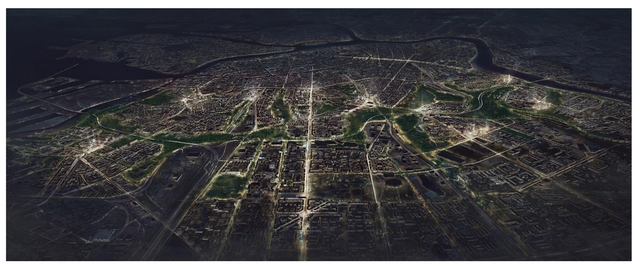
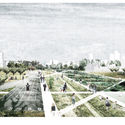
Oslo-based Transborder Studios is one of nine international firms competing to transform St. Petersburg’s “Grey Belt,” a 4,000-hectare territory of inactive industrial buildings and open spaces. The firm, which just won a competition for the development of Oslo’s new “Agricultural District,” is proposing a green rejuvenation with four multi-performing landscapes, a productive buffer, and development hubs.


.jpg?1559192699 "© Dmitrii Tsyrenshchikov")









.jpg?1544768953)













.jpg?1488728547 "© Sergey Moiseev")
.jpg?1488728463 "© Sergey Moiseev")
.jpg?1488728495 "© Sergey Moiseev")