
Jaime Navarro
BROWSE ALL FROM THIS PHOTOGRAPHER HERE
↓
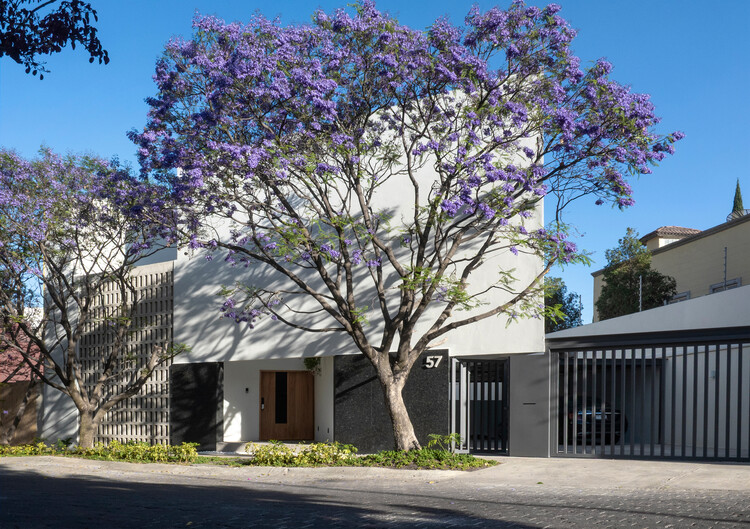
Auseva House / graus


https://www.archdaily.com/1055061/auseva-house-grausValentina Díaz
The 15 Finalists of the 2026 ArchDaily en Español Building of the Year Award

Over the last two weeks, the ArchDaily en Español community submitted more than 17,000 nominations, yielding 15 finalists that represent some of the most emblematic architectural works of the past year. Decided by its community, the 2026 Building of the Year Award—the most significant architecture prize in the Spanish-speaking world—exists to recognize the best of architecture across Spanish-speaking countries.
These 15 finalists, chosen by public vote in this 17th edition, showcase the breadth of recent Ibero-American production while highlighting shared shifts in contemporary practice: an architecture that prioritizes clear construction choices, operates within real-world constraints, and understands design as a way of adapting to specific contexts.
https://www.archdaily.com/1054657/the-15-finalists-of-the-2026-archdaily-en-espanol-building-of-the-year-awardArchDaily Team
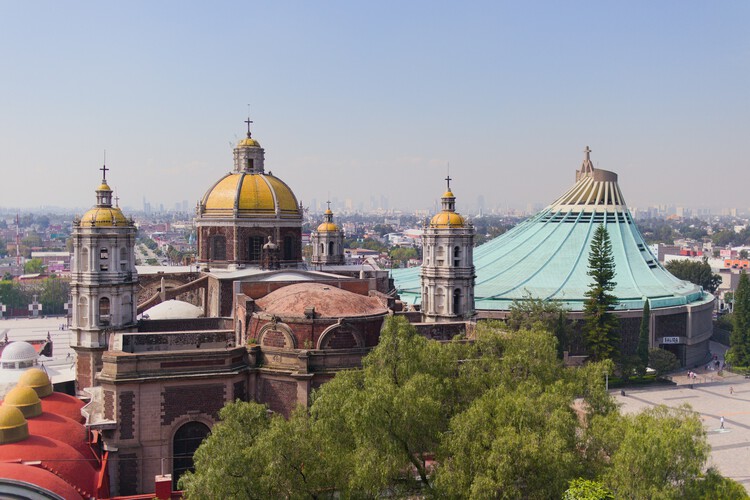
Mexico City Architecture City Guide: 38 Projects From Tenochtitlan to the 21st Century

Mexico City is a sprawling metropolis of layered temporalities, where architecture operates as a continuous negotiation between deep-seated history and intense urban mutation. Built over the aquatic traces of Tenochtitlan, the city's fabric is an ongoing dialogue between eras: the monumental scale of the Pre-Hispanic Templo Mayor and the Viceroyalty architecture of the Catedral Metropolitana coexist with the modern and contemporary impulses that define its skyline. This dense juxtaposition creates a unique urban canvas where sacred geography, colonial imposition, and 20th-century ambition intersect.
The mid-century marked a definitive era of experimentation, forging a Mexican Modernism that masterfully synthesized international structural rationalism with local identity and materiality. This synthesis is epitomized by the sweeping, plastic integration of art and architecture at the Ciudad Universitaria, the structural poetry of Félix Candela's hyper-parabolic shells, and the raw, monumental brutalism of Teodoro González de León and Abraham Zabludovsky. Parallel to this, the intimate, introspective mastery of Luis Barragán and Juan O'Gorman redefined domestic space, experimenting with light, vernacular color, and tectonic honesty to create spaces of profound spatial stillness.


https://www.archdaily.com/866897/30-sites-every-architect-should-visit-in-mexico-cityValentina Díaz
Ideology of Performance: Sustainability and the Limits of Efficiency

This article is part of our new Opinion section, a format for argument-driven essays on critical questions shaping our field.
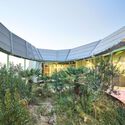
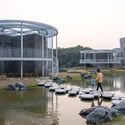
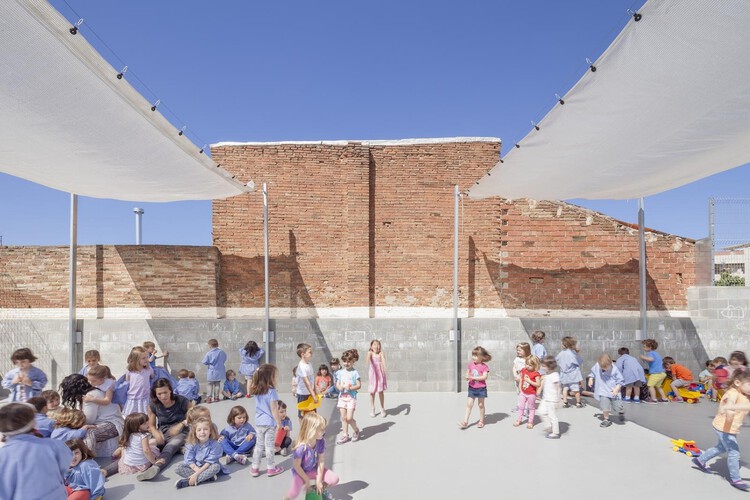
The modern sustainability project is built on the promise that evolving technologies can reconcile urban and economic growth with ecological responsibility. By the metrics developed by the built environment professions and the policies adopted by governments, progress is tangible and accelerating: buildings consume less energy per square foot than they did a generation ago, vehicles emit fewer pollutants per mile, and urban infrastructure is more integrated and measurably cleaner in many cities. And yet total resource consumption continues to rise. Sustainability, as currently practiced across the built environment professions, has become a strategy for optimizing consumption rather than reducing it. Until the profession is willing to question the scale and structure of demand rather than the efficiency with which that demand is met, its most celebrated achievements will continue to fall short of the problem they claim to address.
https://www.archdaily.com/1040795/ideology-of-performance-sustainability-and-the-limits-of-efficiencyOlivia Poston
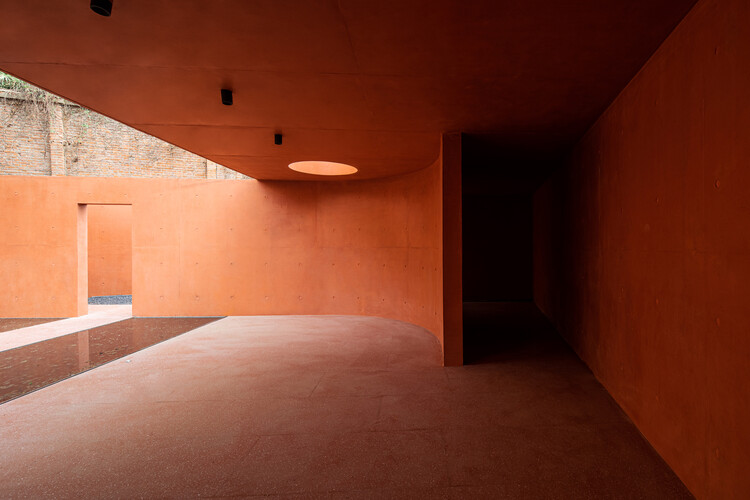
More Than Gray: 15 Projects That Explore Red Pigmented Concrete
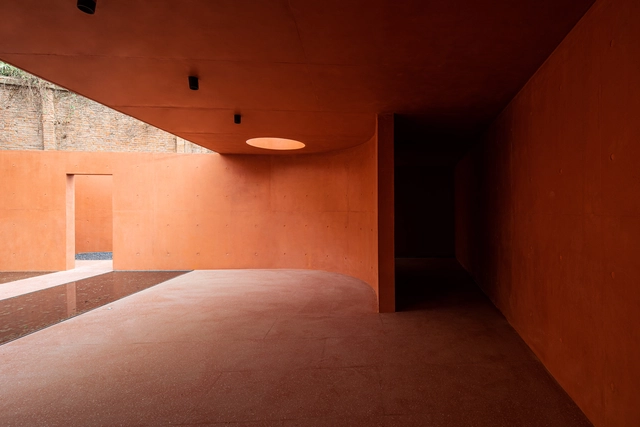
Concrete is often seen as the material of modernity, defined by its structural strength, raw finish, and unmistakable gray tone. It became the default palette of 20th-century architecture, a symbol of functionality and permanence. Yet, concrete is not bound to this chromatic identity. Its color is a byproduct of the cement, aggregates, and chemical composition used in its mix, and it can be intentionally altered through pigmentation. Among the many hues explored, red stands out — not only for its visual intensity, but for its ability to root buildings in place, evoke cultural references, and imbue architecture with a material presence that feels both elemental and expressive.
Pigmenting concrete involves the addition of mineral-based colorants — usually iron oxides — during the mixing process. Unlike paints or coatings applied to the surface, these pigments are integrated directly into the concrete mass, ensuring the color permeates the material and remains stable over time. Red pigments in particular are often derived from iron oxide (Fe₂O₃), a naturally occurring compound found in clay, hematite, and other iron-rich minerals. Their deep, earthy hue connects contemporary construction with ancient techniques — from Roman pozzolana mortars to the red earth buildings of West Africa and South America.


https://www.archdaily.com/1032093/more-than-gray-15-projects-that-explore-red-pigmented-concreteDiogo Borges Ferreira
Understanding Eco Brutalism: The Paradox of Structure, Sustainability, and Style
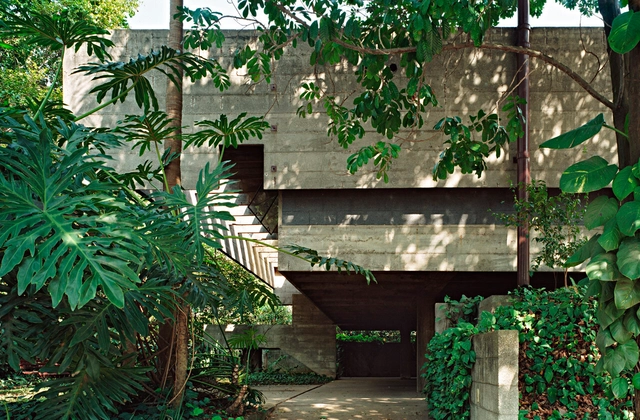
The built environment is expected to reduce carbon emissions, support biodiversity, and respond to changing ecological conditions, all while providing housing for communities and reflecting their cultural values. In this shifting landscape, a once-maligned architectural style emerges in a surprising new form. Brutalism, long associated with institutional gravitas and material austerity, is now being reframed through an ecological lens. This hybrid movement, known as eco-brutalism, combines the power of concrete with greenery and climate-sensitive design strategies. The result is a set of spaces that are visually arresting, conceptually complex, and increasingly popular among designers, urban planners, and the general public. This movement includes not only the direct lineage of 1960s Brutalism but also contemporary projects that, while not strictly Brutalist, share its material honesty, monumental scale, and use of expressive concrete forms.


https://www.archdaily.com/1032094/understanding-eco-brutalism-the-paradox-of-structure-sustainability-and-styleOlivia Poston
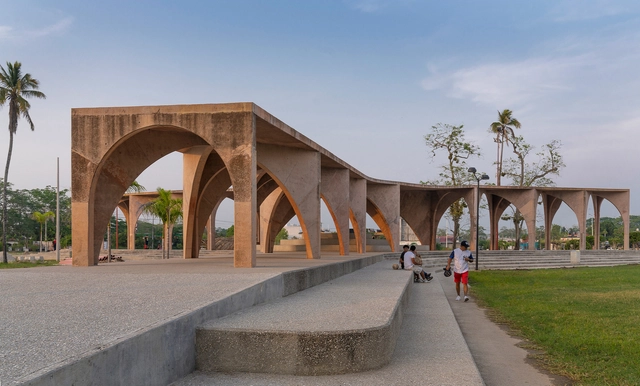
El Campestre Recreational Park Complex & Community Development Center / CA | Bernardo Quinzaños


-
Architects: CCA | Bernardo Quinzaños
- Area: 7681 m²
- Year: 2023
https://www.archdaily.com/1030220/el-campestre-recreational-park-complex-and-community-development-center-cca-centro-de-colaboracion-arquitectonica-plus-bernardo-quinzanosPaula Pintos
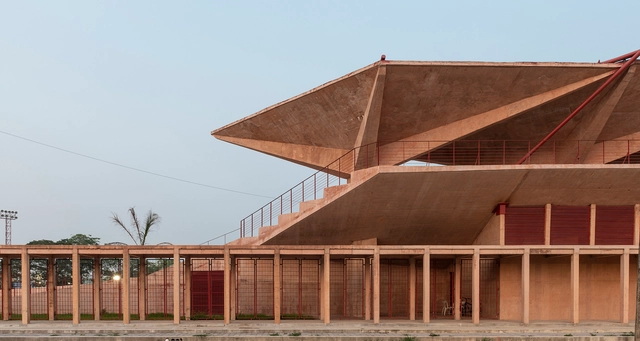
Manuel Vargas Izquierdo Stadium & High-Performance Sports Center / CCA | Bernardo Quinzaños


-
Architects: CCA | Bernardo Quinzaños
- Area: 51064 ft²
- Year: 2023
https://www.archdaily.com/1019025/manuel-vargas-izquierdo-stadium-and-high-performance-sports-center-bernardo-quinzanosPilar Caballero
Cultural and Community Centers: 12 Examples in Mexico Connecting with their Environment


The architecture of cultural centers in Mexico has gained relevance in recent years. There has been a growing interest in providing spaces for recreation and education, transforming them into urban landmarks that attract visitors from all over the country year after year.
https://www.archdaily.com/1013924/cultural-and-community-centers-12-examples-in-mexico-connecting-with-their-environmentMónica Arellano
Cultural Centers, Museums, and Galleries: Ancient Buildings Transformed into Art Spaces in Latin America

Many buildings often fall into disuse due to our cities' constant economic, social, and technological changes. The programmatic inconsistency of current times demands great versatility and adaptability from our infrastructures, increasingly leading projects to become uninhabited, and left to abandonment and decay.
Next, we present a series of 20 Latin American projects in which old warehouses, homes, prisons, mills, and markets were recovered and transformed into Cultural Centers, Museums, and Galleries.
https://www.archdaily.com/1013491/cultural-centers-museums-and-galleries-ancient-buildings-transformed-into-art-spaces-in-latin-americaBelén Maiztegui
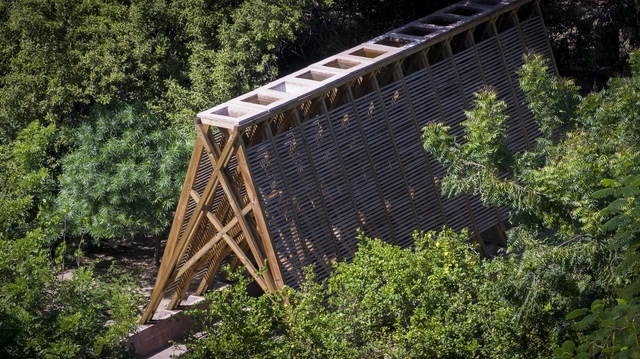
Orchid Pavilion / CCA | Bernardo Quinzaños


-
Architects: CCA | Bernardo Quinzaños
- Area: 40 m²
- Year: 2024
https://www.archdaily.com/1013268/orchid-pavilion-cca-centro-de-colaboracion-arquitectonicaPilar Caballero
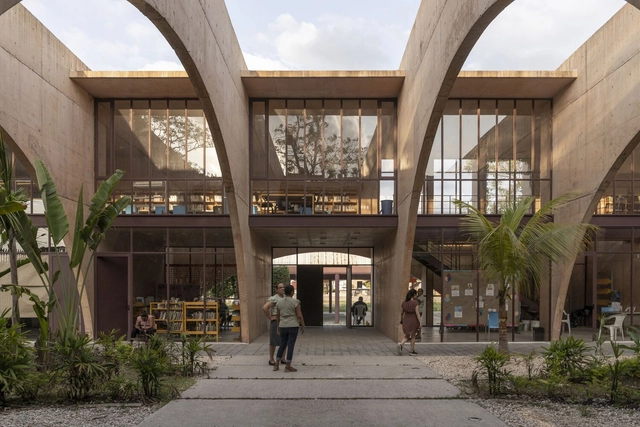
Community Development Center / CCA | Bernardo Quinzaños


-
Architects: CCA | Bernardo Quinzaños
- Area: 1240 m²
- Year: 2022
https://www.archdaily.com/1010054/community-center-cca-centro-de-colaboracion-arquitectonicaBenjamin Zapico
Bars and Restaurants: 50 Examples in Plan and Section
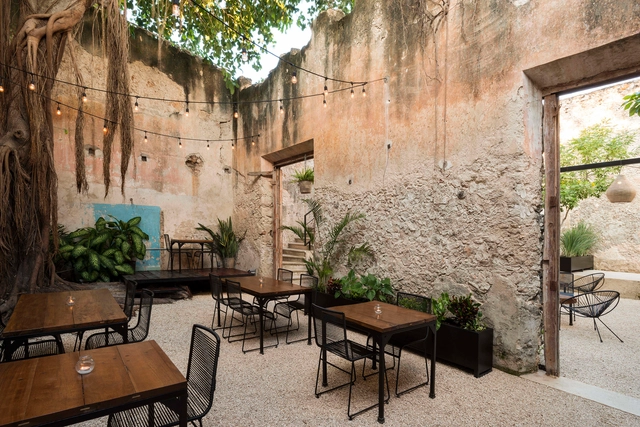
The spatial distribution of a restaurant or bar is essential to its success. Faced with this design challenge, several architects have experimented and proposed configurations that both enhance the use of space in different culinary experiences.
With this being said, take a look at 50 gastronomic establishments in plan and section to inspire your next design.


https://www.archdaily.com/902412/bars-and-restaurants-50-examples-in-plan-and-sectionFabian Dejtiar
Concrete Wonders: 40 Impressive Details Using the Cement-Based Building Material
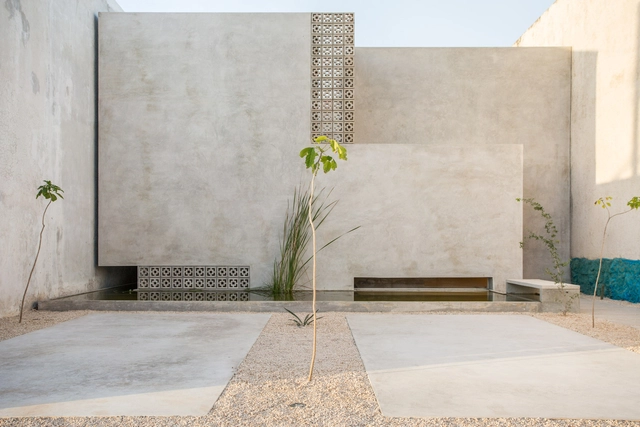
Due to its ability to mold and create different shapes, concrete is one of architecture's most popular materials. While one of its most common uses is as a humble foundation, its plasticity means that it is also used in almost all types of construction, from housing to museums, presenting a variety of details of work that deserves special attention.
Check out this collection of 40 projects that highlight the use of concrete. Impressive!
https://www.archdaily.com/798961/40-impressive-details-using-concreteFabian Dejtiar
Cooling Interiors Will be the Architectural Challenge of the Future
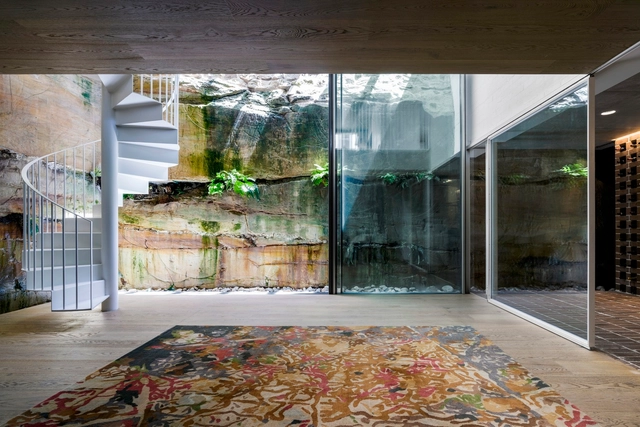
According to the UN, more than 7000 extreme weather events have been recorded since 2000. Just this year, wildfires raged across Australia and the west coast of the U.S.; Siberia charted record high temperatures, reaching 100 degrees Fahrenheit before Dallas or Houston; and globally, this September was the world’s hottest September on record. As the effects of the climate crisis manifest in these increasingly dire ways, it is the prerogative of the building industry – currently responsible for 39% of global greenhouse gas emissions – to do its part by committing to genuine and sweeping change in its approach to sustainability.
One of the most challenging aspects of this change will be to meet mounting cooling demands in an eco-friendly way. Cooling is innately more difficult than heating: any form of energy can become heat, and our bodies and machines naturally generate heat even in the absence of active heating systems. Cooling does not benefit equally from spontaneous generation, making it often more difficult, more costly, or less efficient to implement. Global warming and its very tangible heating effects only exacerbate this reality, intensifying an already accelerating demand for artificial cooling systems. As it stands, many of these systems require large amounts of electricity and rely heavily on fossil fuels to function. The buildings sector must find ways to meet mounting demand for cooling that simultaneously elides these unsustainable effects.
https://www.archdaily.com/949585/cooling-interiors-will-be-the-architectural-challenge-of-the-futureLilly Cao
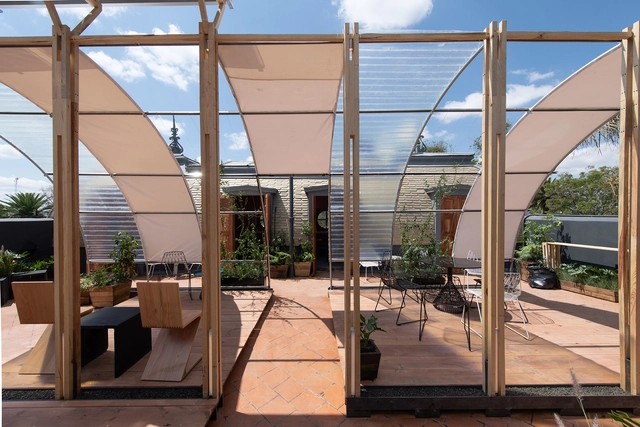
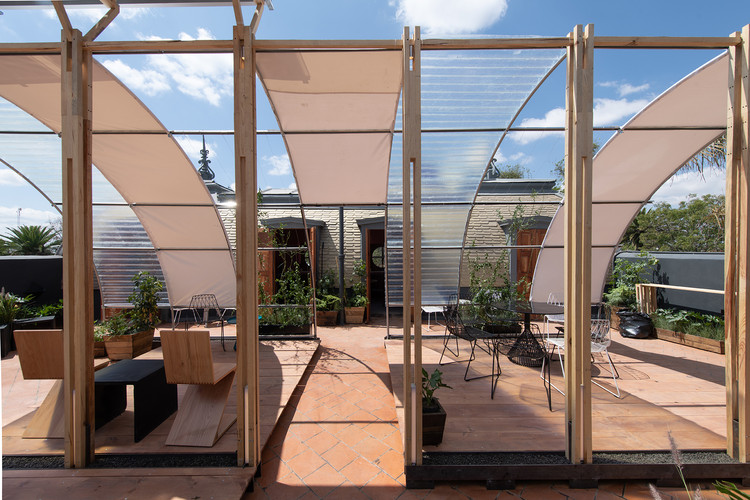
Giacopello Pavilion / HDA: Hector Delmar Arquitectura + taller paralelo


https://www.archdaily.com/932110/giacopello-pavilion-hda-hector-delmar-arquitectura-plus-taller-paraleloAndreas Luco
Architecture and Collective Living: 50 of Mexico's Most Cutting Edge Apartment Complexes
.jpg?1587612590&format=webp&width=640&height=580)
Climate is one of the key factors to take into consideration when designing a space. Of course, this can present a challenge, especially when dealing with extreme climates and the need for insulating materials that are able to adapt to a wide range of conditions. Luckily, for architects operating in Mexico, the country's privileged climate facilitates the creation of microclimates and spaces that blur the line between interior and exterior.

.jpg?1587612634&format=webp&width=230&height=230&crop=true)


.jpg?1587612590)
https://www.archdaily.com/949388/architecture-and-collective-living-50-of-mexicos-most-cutting-edge-apartment-complexesMónica Arellano
Mexican Interiors: 16 Bedrooms with Terraces
.jpg?1658430879&format=webp&width=640&height=580)
Over the years, interior design has evolved according to the needs that arise, but above all according to the experiences it seeks to evoke in the user. In the last two years we have witnessed a radical change and a special interest in this subject because the pandemic forced us to pay specific attention to the configuration of the places we inhabit. This brought about much more holistic designs that seek to address the wellbeing of the user, combining colours, sensory experiences, technology and natural elements that promote health.
https://www.archdaily.com/986347/mexican-interiors-16-bedrooms-with-terracesMónica Arellano