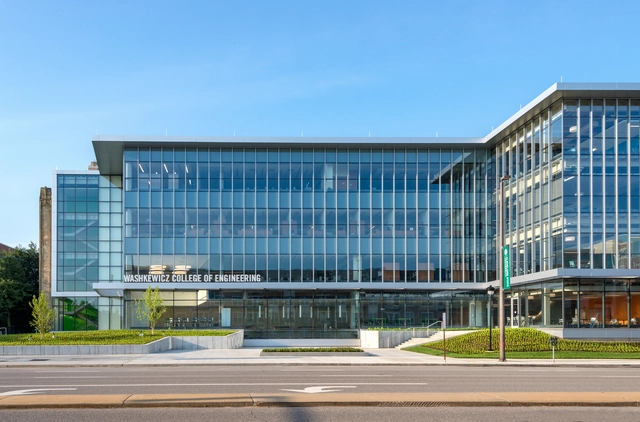
Part of the CAC’s “What’s Next” series • Bringing people, ideas, goods and services together are hallmarks of urban life. So how are places designed with that in mind adapting to the challenges—both immediate and prolonged—of the current pandemic?
A prolific architect, trailblazing city planner, and civic and cultural leader, Daniel Burnham has been described by contemporaries and biographers as both a pragmatic realist and a visionary idealist. CAC docent Marcia Matavulj dives into this apparent contradiction by exploring Burnham’s architectural practice during Chicago’s fast-moving progression from short buildings with load-bearing walls to steel-framed skyscrapers never seen before.
In this Nesta Talks To conversation, Sendra and Sennett will propose a reorganisation of how we think and plan the social life of our cities. ‘Infrastructures of disorder’ combine architecture, politics, urban planning and activism in order to develop places that nurture rather than stifle, bring together rather than divide up, remain open to change rather than closed off.
This virtual tour highlights famous and lesser-known buildings in downtown Chicago designed by women architects including Studio Gang’s Aqua Tower and Vista Tower, and the International Style landmark 401 North Michigan, completed in 1965 as the Equitable Building and designed in part by Natalie Griffin de Blois of Skidmore, Owings & Merrill.
In this Nesta Talks To conversation, Leslie Kern exposes the social inequalities that are built into our cities, homes, and neighborhoods, and offers an alternative vision. It is time to dismantle what we take for granted about cities and to ask how we can build more just, sustainable, and careful cities together.
A prolific architect, trailblazing city planner, and civic and cultural leader, Daniel Burnham has been described by contemporaries and biographers as both a pragmatic realist and a visionary idealist. CAC docent Marcia Matavulj dives into this apparent contradiction by exploring Burnham’s architectural practice during Chicago’s fast-moving progression from short buildings with load-bearing walls to steel-framed skyscrapers never seen before.


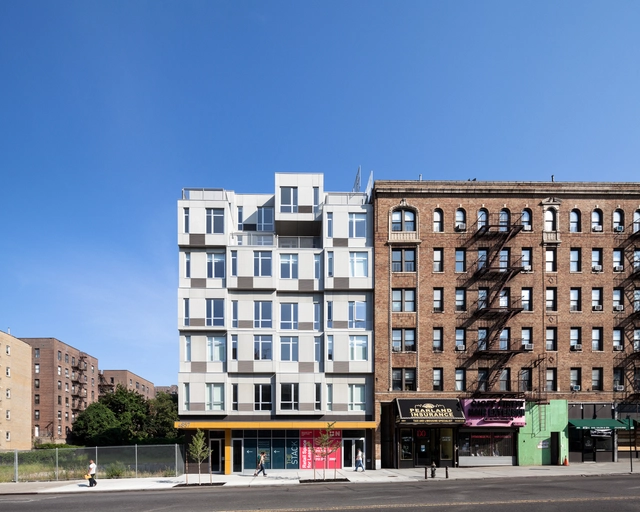





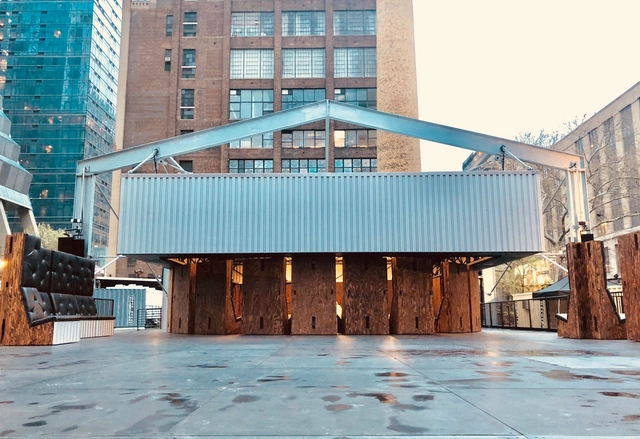




























.jpg?1593462665&format=webp&width=640&height=580)
.jpg?1593462413 "© Jess Blackwell Photography")
.jpg?1593463645 "© Jess Blackwell Photography")

.jpg?1593462962 "© Jess Blackwell Photography")
.jpg?1593462665)