



-
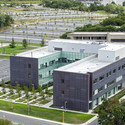
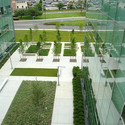
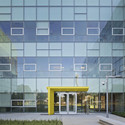
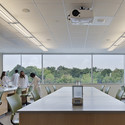
Architects: LINEOFFICE Architecture
- Area: 1150 m²




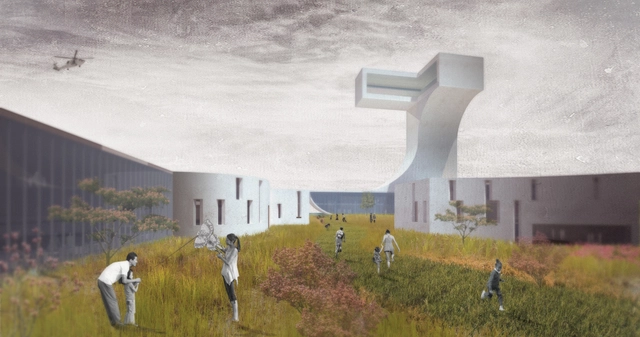
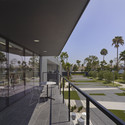
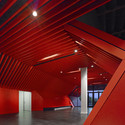
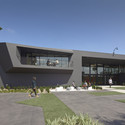
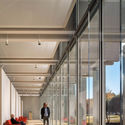
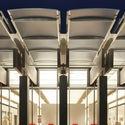
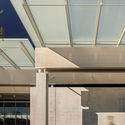
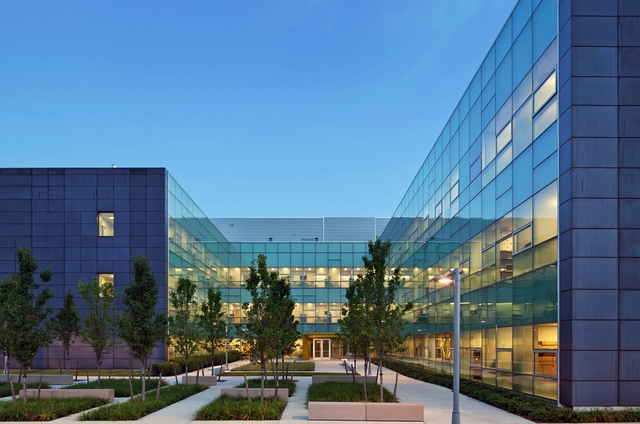
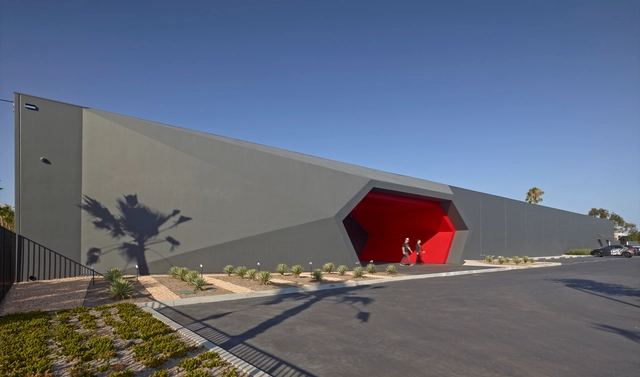
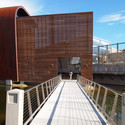
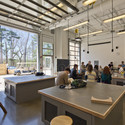
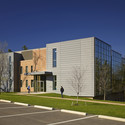
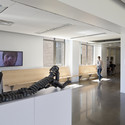
A fire station typically is organized into two distinct zones - one that reaches outwards to the city and acts as a monumental symbol of protection, and one that contains the hidden inner workings of the station. In a large headquarters, with a diverse set of programs each with their own unique spatial requirements, such a strategy of containment is untenable.

OMA’s comprehensive strategy to rebuild the New Jersey city of Hoboken, after the devastation of Hurricane Sandy, has been selected as one of ten initiatives moving forward in the Department of Housing and Urban Development’s (HUD) Rebuild by Design competition. The proposal, Resist, Delay, Store, Discharge, focuses on establishing resiliency through the integration of key infrastructural elements that not only protects coastal neighborhoods, but also the entire city of Hoboken.
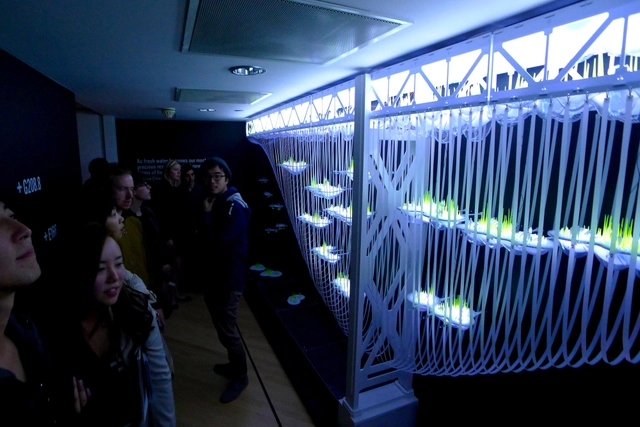
To represent a "speculative proposal for the radical reuse and re-colonization of the bridge infrastructure," California-based Future Cities Lab has developed the “Hydraspan Bridge Colony installation: a 40-foot long, quarter-scale model that foresees a dense and agriculturally rich community suspended below the San Francisco – Oakland Bay Bridge.
_HR.jpg?1384523321)
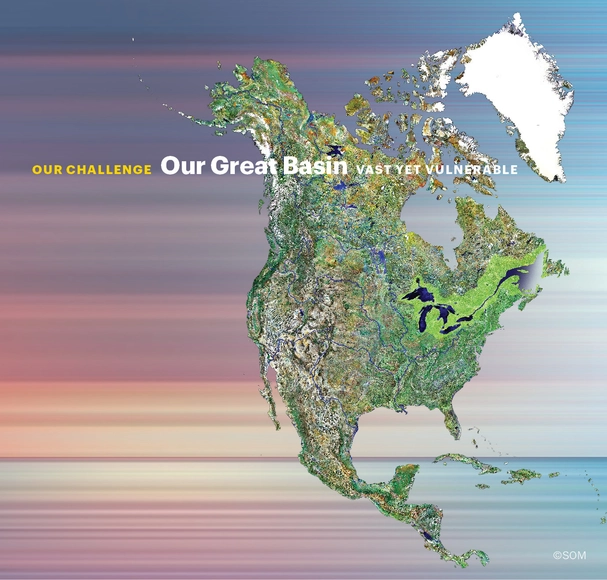
Skidmore, Owings & Merrill LLP (SOM), in partnership with the International Secretariat for Water (ISW) and the Chicago Architecture Foundation (CAF), presents Great Cities, Great Lakes, Great Basin. The new exhibition calls for a 100-year vision to guide planning and development in the binational watershed of the Great Lakes, St. Lawrence River, and Gulf of St. Lawrence – the Great Basin. Great Cities, Great Lakes, Great Basin is on display in CAF’s Atrium Gallery at 224 South Michigan Avenue until February 2014.
Great Cities, Great Lakes, Great Basin engages the public with the vastness and vulnerability of the earth’s largest surface freshwater resource, which spans from Duluth, Minnesota to the Atlantic Ocean. The exhibition depicts the Great Basin as one region defined by the watershed rather than political boundaries and illustrates a vision for the region as an international park that encompasses culturally-rich urban and rural areas. The exhibition also highlights initiatives around the region that Basin cities can learn from to enhance quality of life.
More information after the break.


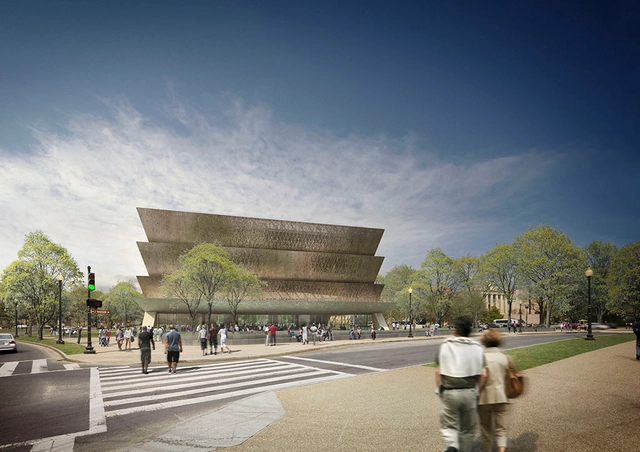
Each year The Architectural League in its Current Work program presents the work of significant international figures who powerfully influence contemporary architectural practice and shape the future of the built environment. David Adjaye will present his work in a public lecture to be followed by a conversation with moderator Gregg Pasquarelli, founding principal at SHoP Architects.
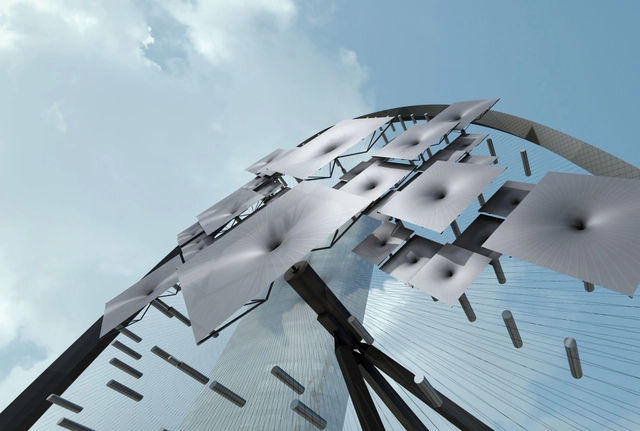
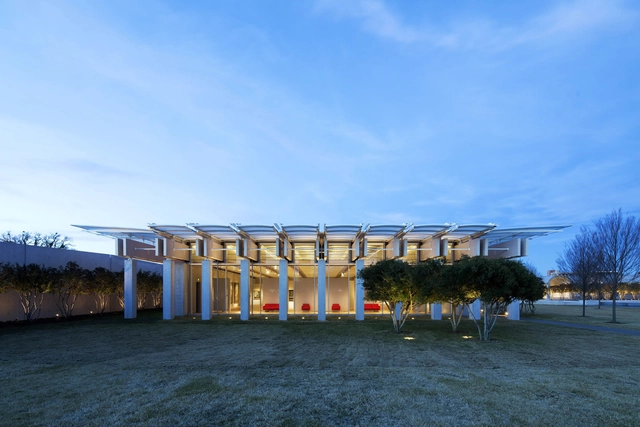
It’s been two year’s since the construction of the 42-story Museum Tower in Dallas. As many of you may recall, the luxury condo has been in dispute with the neighboring Nasher Sculpture Center over an intense “hot spot” caused by the tower’s highly reflective skin. Although Nasher has demanded that the Museum Tower cover its southwestern facade with an external louver system, thus blocking the glare from penetrating Nasher’s Renzo Piano-designed cast aluminum sunscreen, the developers have refused to oblige due to a fear of jeopardizing the project's profitability.
Negotiations have turned to squabbles and proposals have fallen on deaf ears. However, a team lead by REX and Front has been commissioned by the Dallas Police and Fire Pension Fund (DPFPF) - the Museum Tower’s developer - to explore a "third option," one that would not require changing the construction of either Museum Tower or the Nasher.
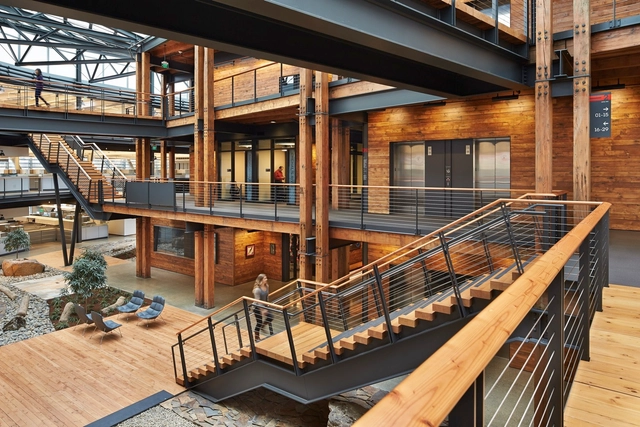
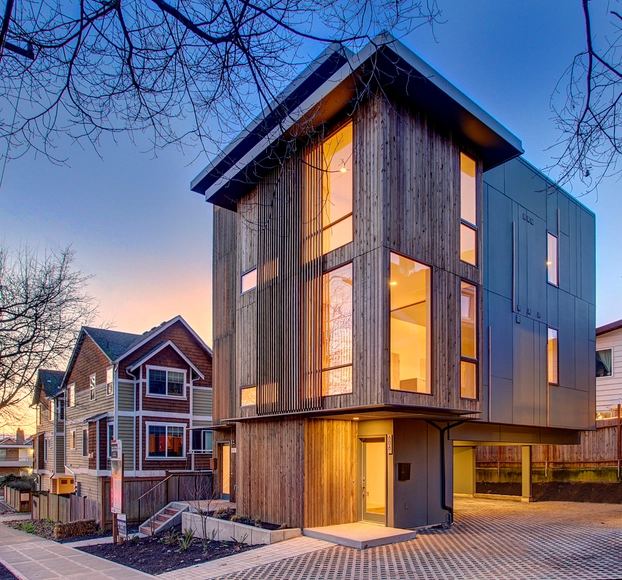







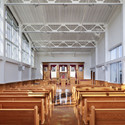
_HR.jpg?1384523277 "© Richard Leo Johnson")
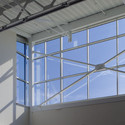
_HR.jpg?1384523191 "© Richard Leo Johnson")
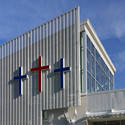
_HR.jpg?1384523212 "© Richard Leo Johnson")
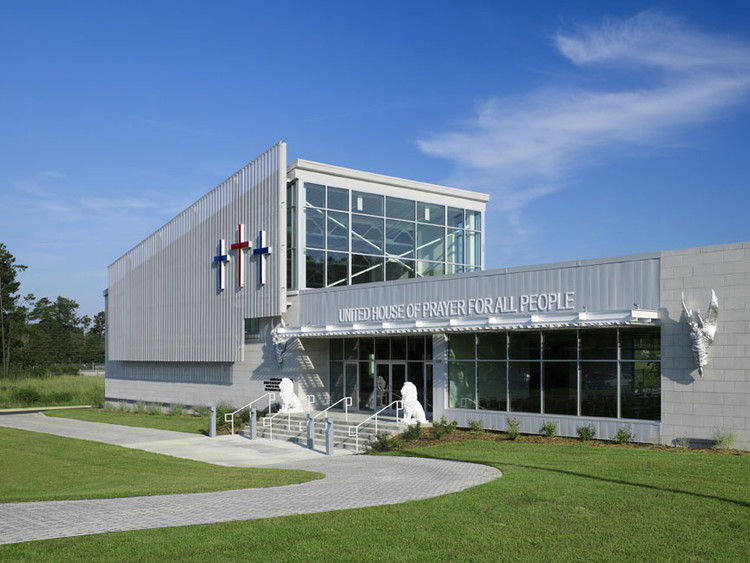
_HR.jpg?1384523321)