

-
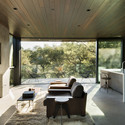
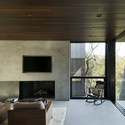
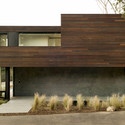
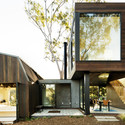
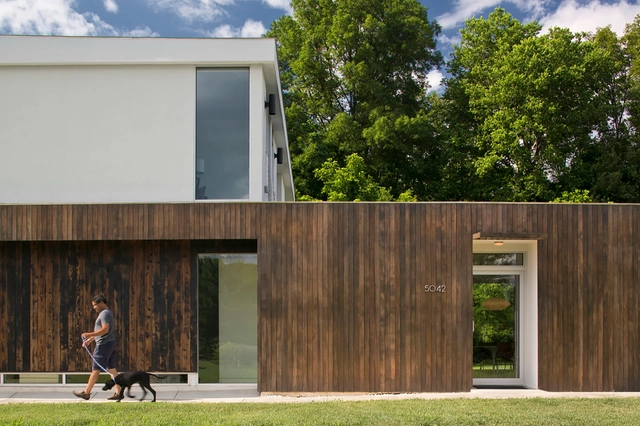
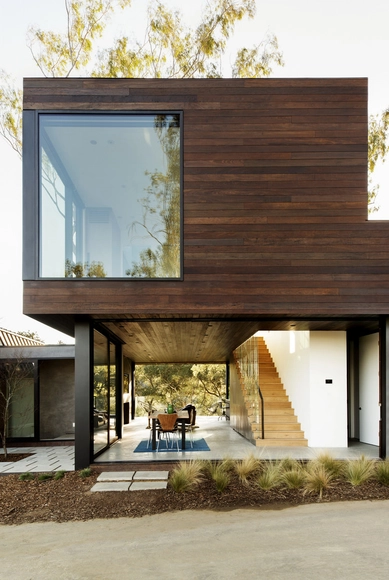
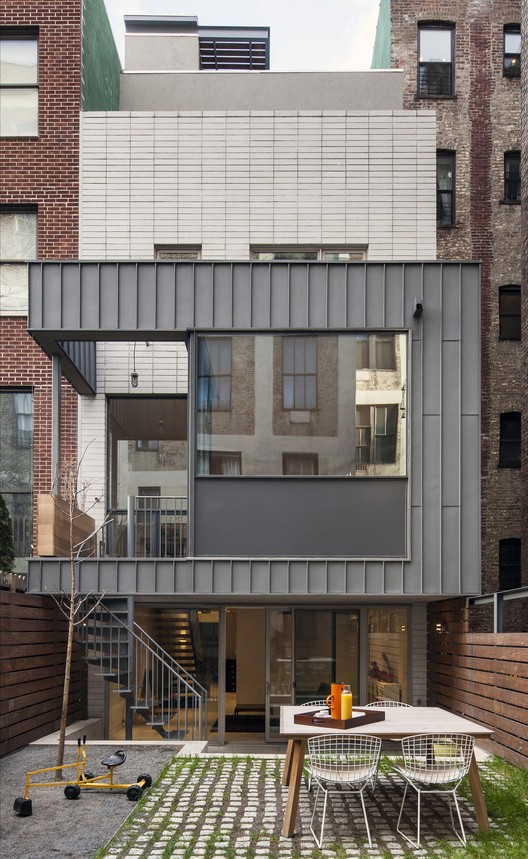
Architects: Jonathan Barnes Architecture and Design
- Area: 4200 ft²
- Year: 2013
-
Professionals: Benco



.jpg?1417009867&format=webp&width=640&height=580)
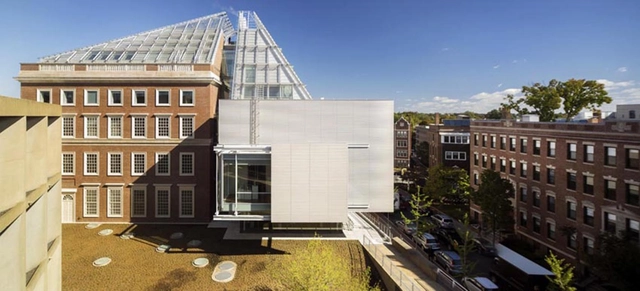
Architect and MIT Lecturer Cristina Parreño has created this new prototype for a self-supporting glass facade, entitled "The Wall." The design is the first in Parreño's "Tectonics of Transparency," a series of planned prototypes that will "explore the relationship between formal design, spatial perception, structural efficiency and systems of fabrication."
More details about Parreño's prototype after the break


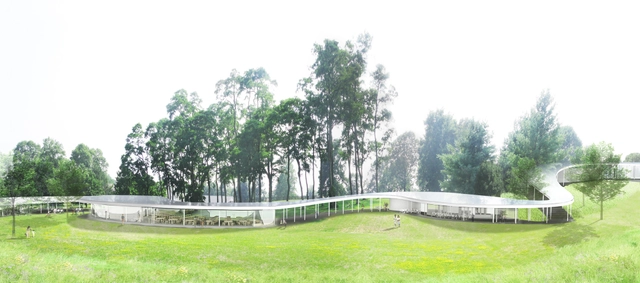
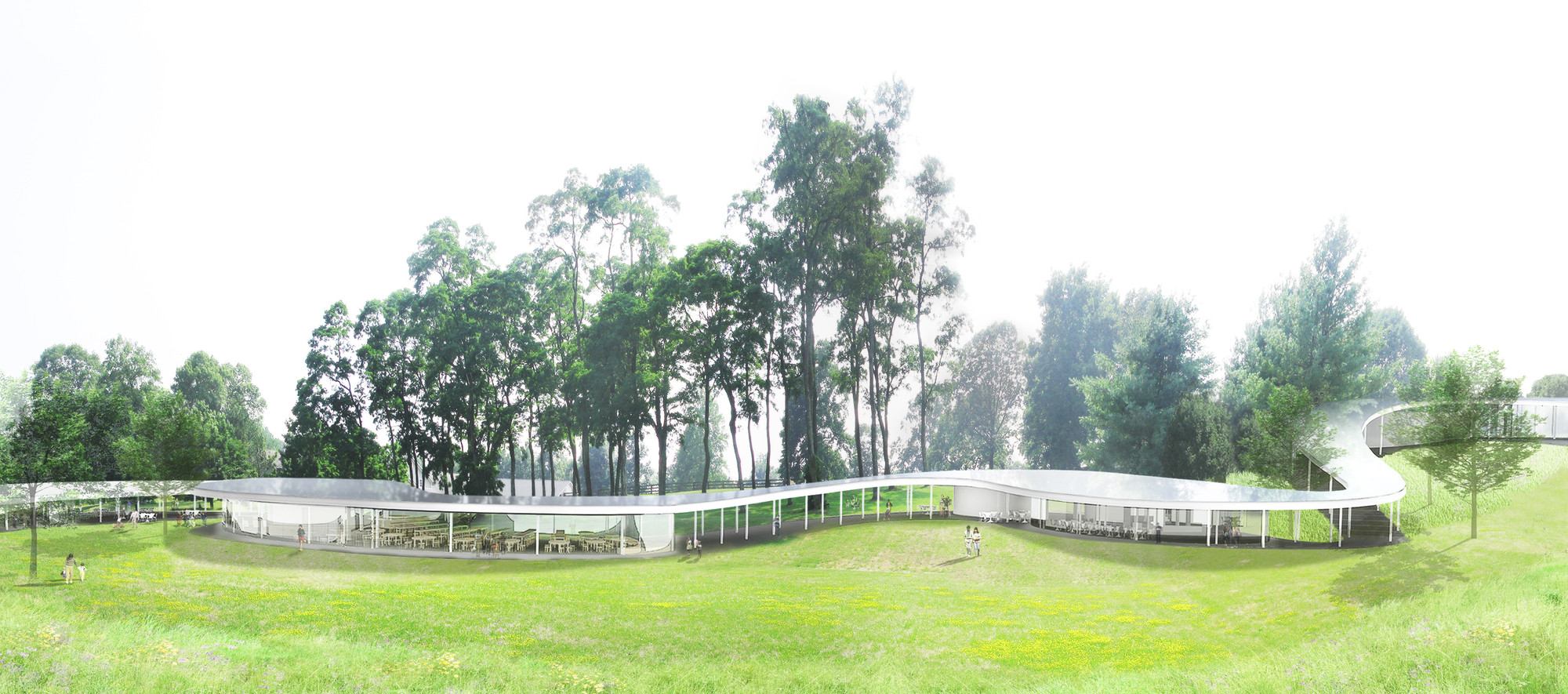
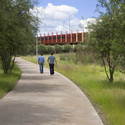
“The River,” SANAA’s first US commission since winning the 2010 Pritzker Prize, is currently underway in Connecticut. Designed by the Japanese practice in collaboration with OLIN, the meandering and almost transparent building will be built on a 75-acre preserve as a multi-use platform for events and initiatives put on by the community of New Canaan and non-profit Grace Farms Foundation.
“We are thrilled that Grace Farms will begin welcoming the public in autumn 2015,” Sharon Prince, president of the Grace Farms Foundation stated.


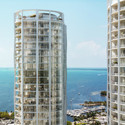
OMA is set to realize their first commercial residential project in the US: Park Grove. Planned to rise alongside the Biscayne Bay in Miami’s Coconut Grove, in close proximity to BIG’s “Grove” residences at Grand Bay, the three-tower luxury residential project will be the last building allotted for the “walkable” Floridan neighborhood.

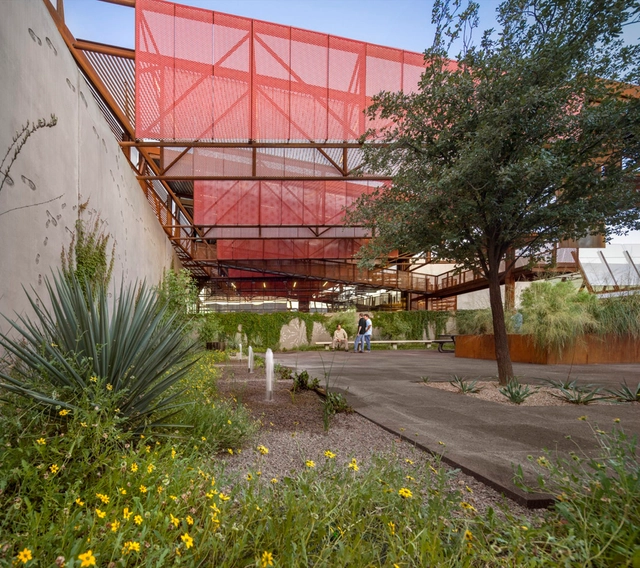

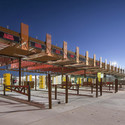
Weddle Gilmore black rock studio, West 8 and Colwell Shelor Landscape Architecture have been selected to transform 19 acres surrounding Arizona's Mesa City Hall into a unique civic space that will “capture and enhance the urbanizing momentum of Mesa’s downtown core.” Unanimously selected by the City of Mesa, over finalists Woods Bagot + Surface Design and Otak + Mayer Reed, the winning scheme plans to activate the public space with a series of flexible plazas and garden spaces centered around a distinct cooper shade structure.
More about the design and competition, after the break.
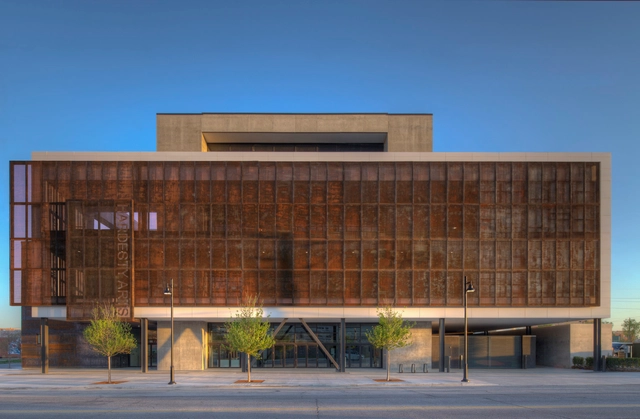

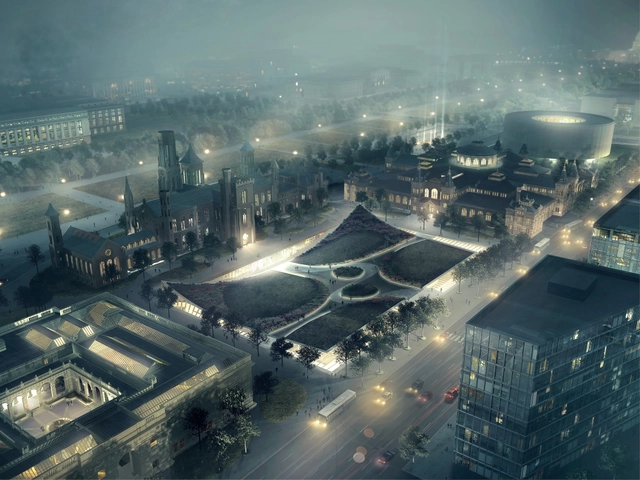
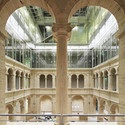
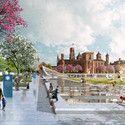
Nearly a year-and-a-half since the announcement of their selection, BIG has unveiled plans for a massive, 20-year-long overhaul for the Smithsonian’s southern campus in the center of Washington DC. With an overarching goal to unite the site by dissolving the notable impediments and discontinuous pathways that plague the area, BIG plans to also expand visitor, education and gallery spaces, while updating aging and inefficient building systems.
"Where today each museum is almost like a separate entity, in the future, it’s going to be a much more open, intuitive and inviting campus to meander around," Bjarke Ingels explained.



.jpg?1417009941 "© John Horner")
.jpg?1417009867 "© John Horner")
.jpg?1417009859 "© Jane Messinger")
.jpg?1417009978 "© John Horner")
.jpg?1417009867)







































.jpg?1415911708 "Courtesy of BIG")